Consumer Batteries
Compact lithium-ion and lithium-polymer battery packs organized by cell arrangement, nominal voltage, capacity and terminal format for device integration and OEM projects.
46
Products
7
Product families
3.6–11.1V
Nominal voltage range
KC Battery
Selection guide
Start with the device voltage and load profile, then compare series or parallel arrangement, required capacity, available enclosure space, terminal style, connector, wire length and protection requirements. Final charger, current and mechanical limits must be checked against the selected model.
Confirm nominal voltage, usable capacity, continuous load, peak demand and charging limits.
Check enclosure space, mounting, terminals, connectors, cable routing and service access.
Share application, environment, quantity, compliance and integration requirements with engineering.
Products
Compare the available models below, then open a product page for detailed specifications and project matching.
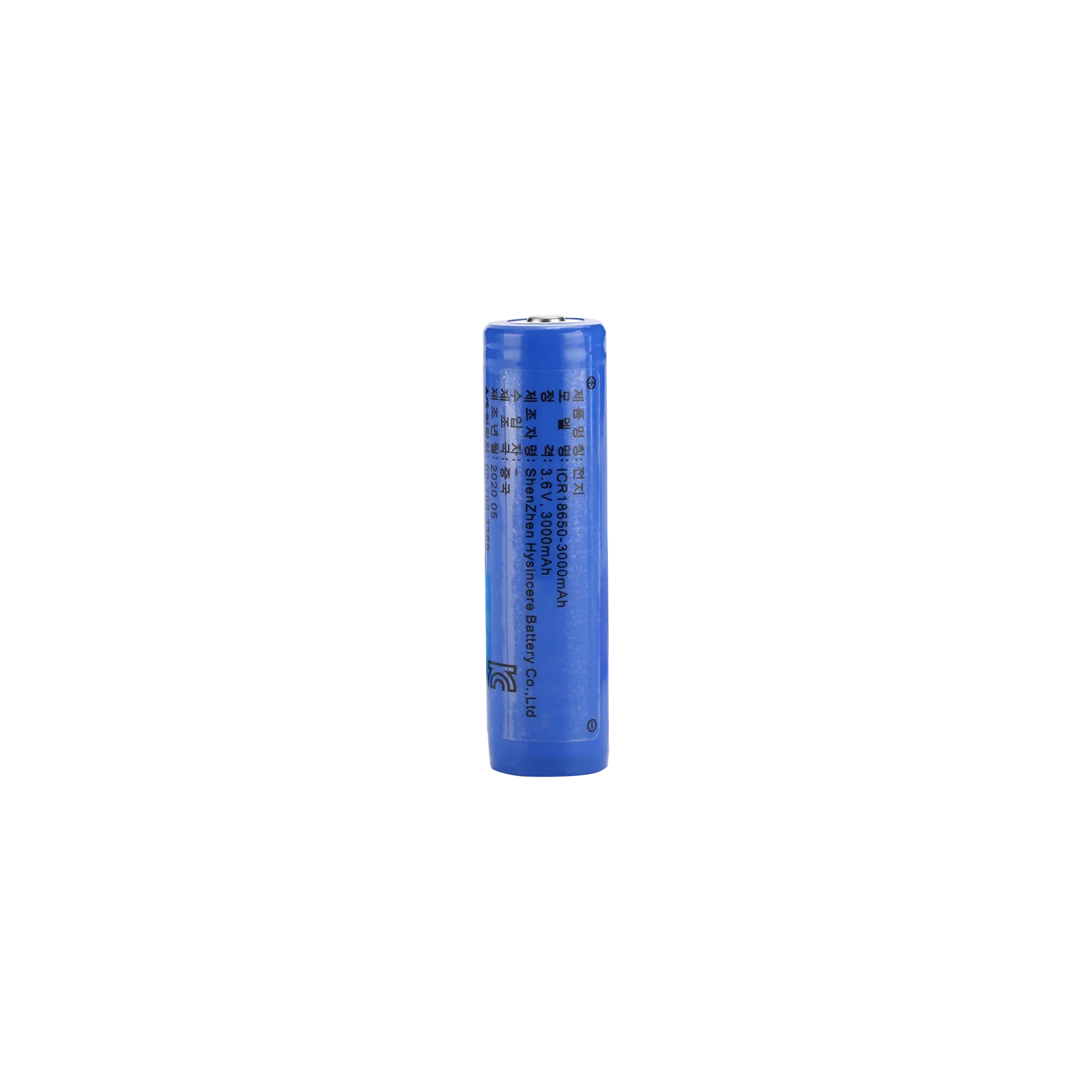
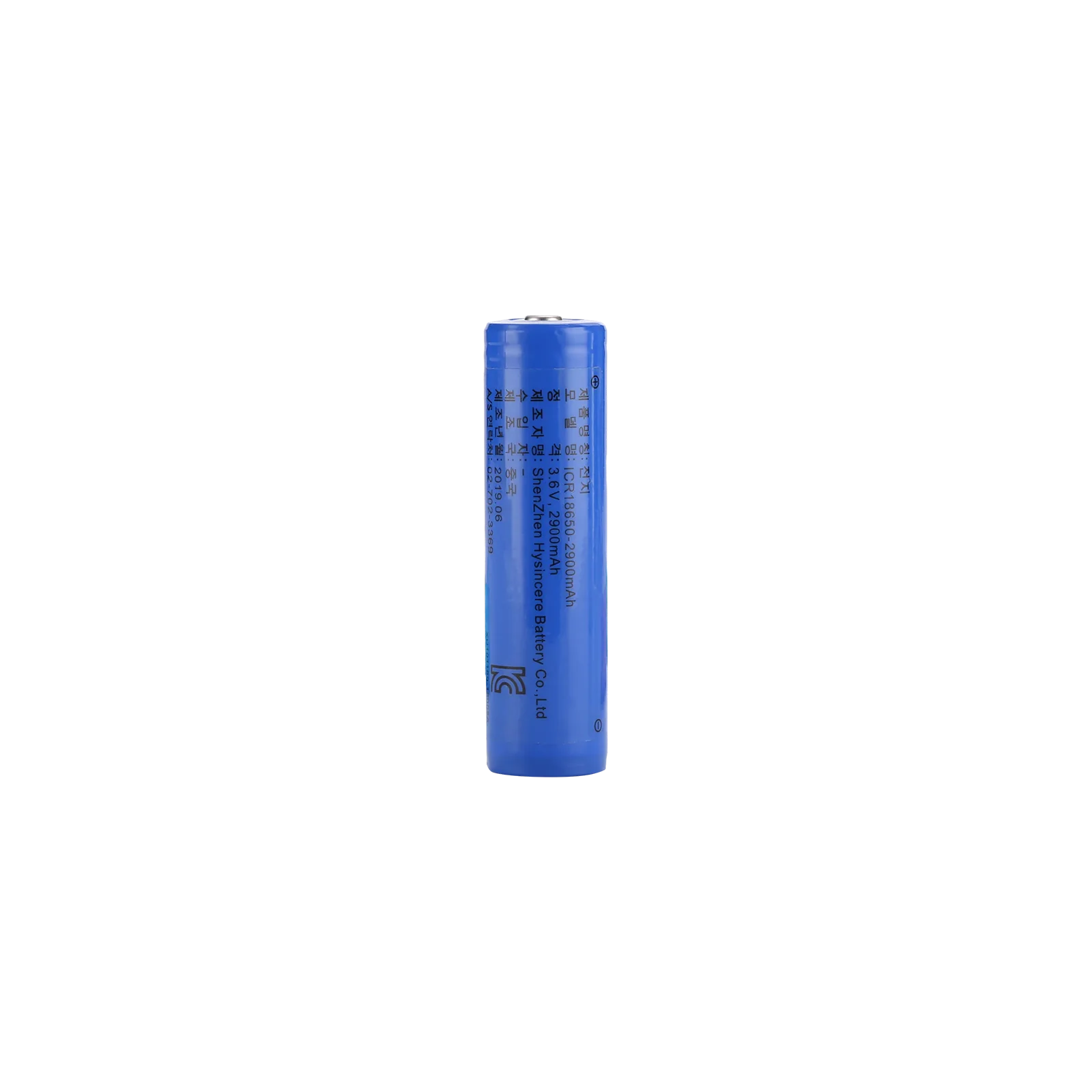
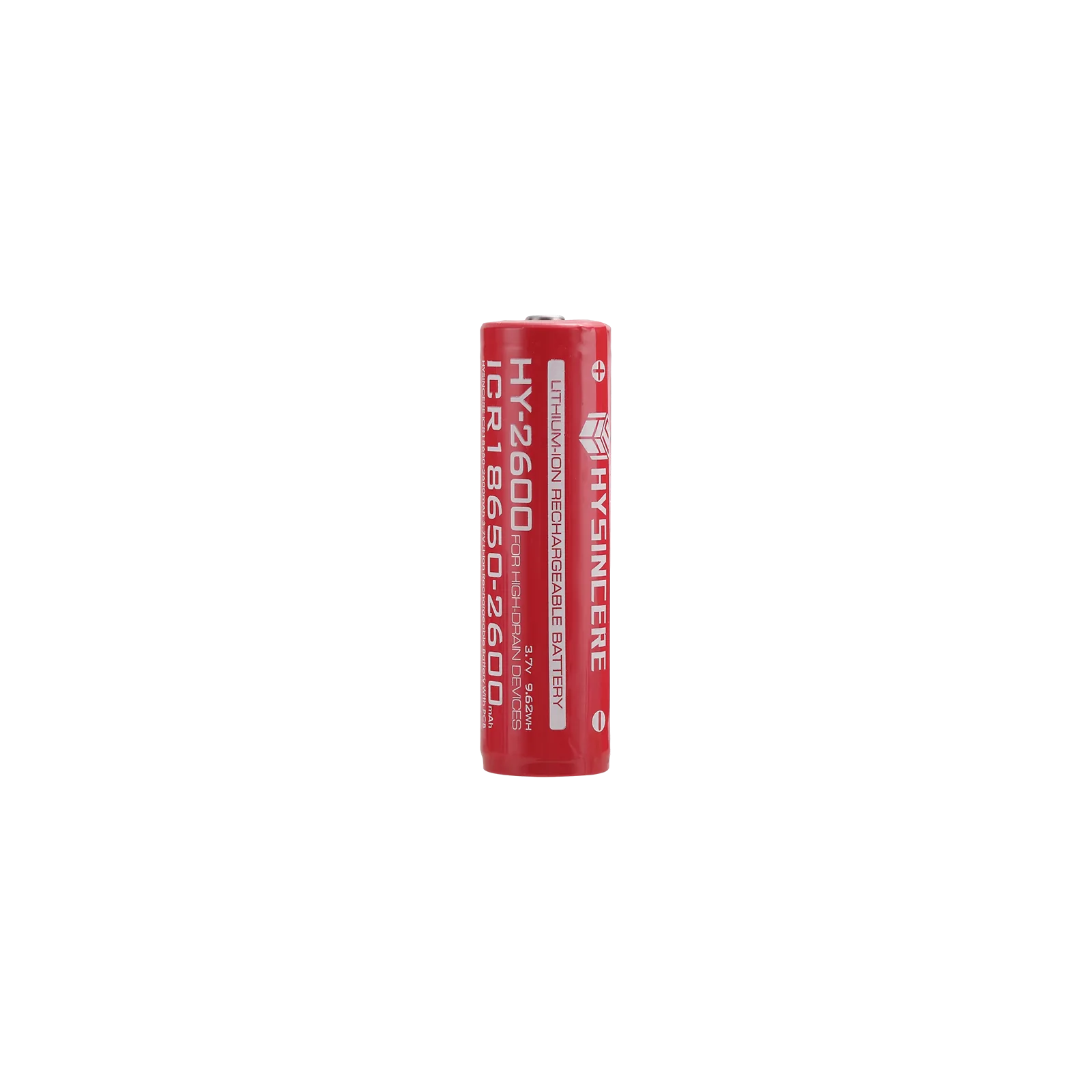
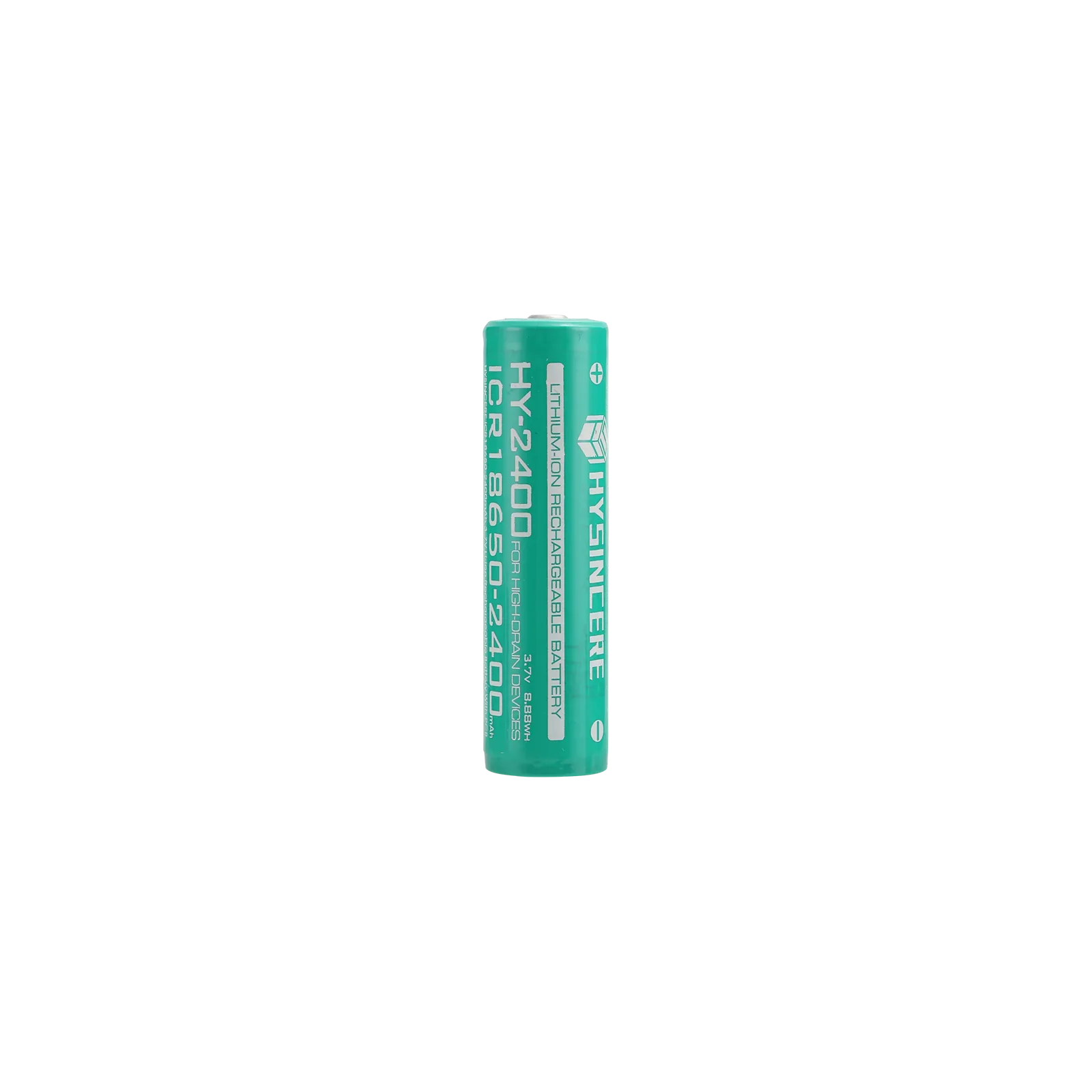
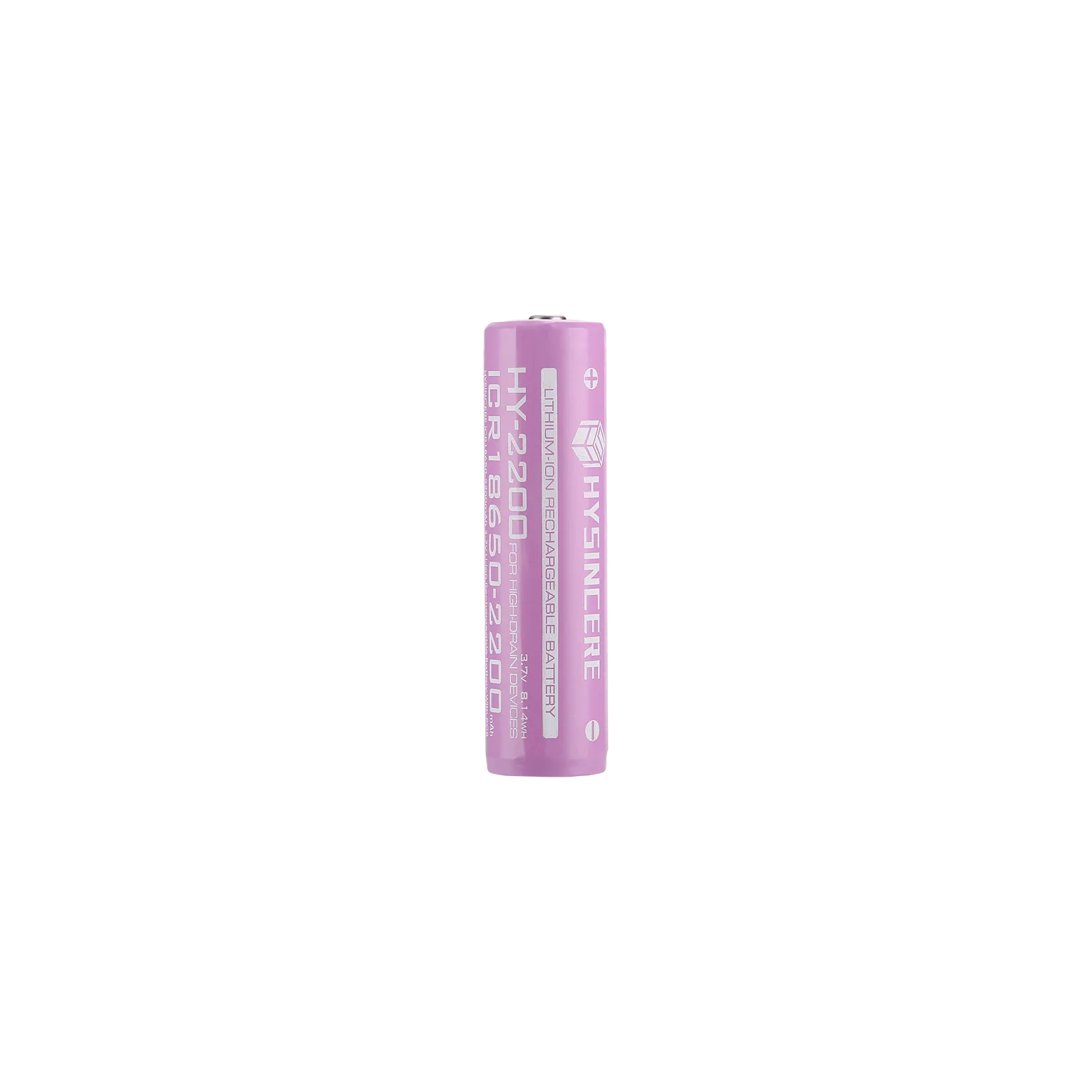
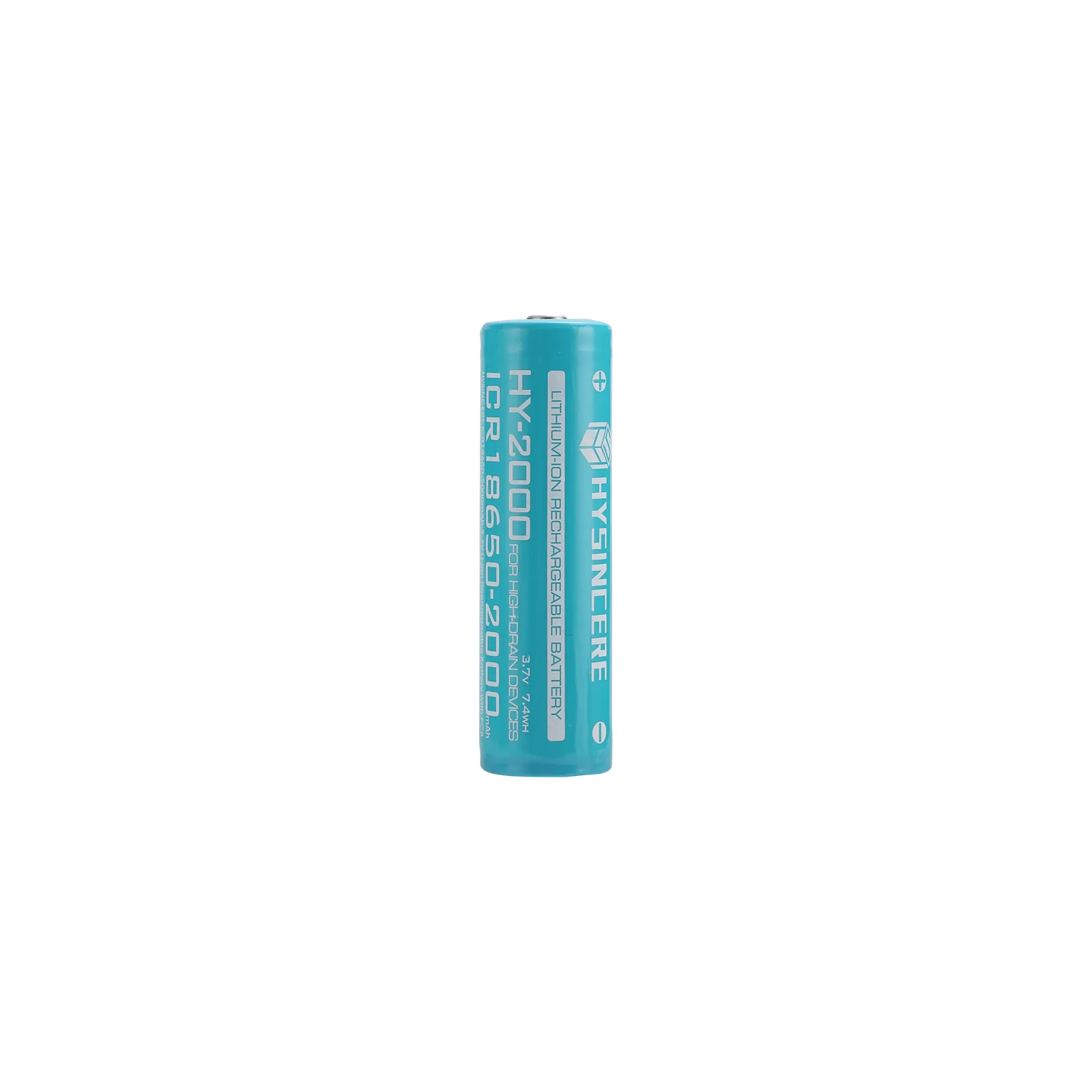
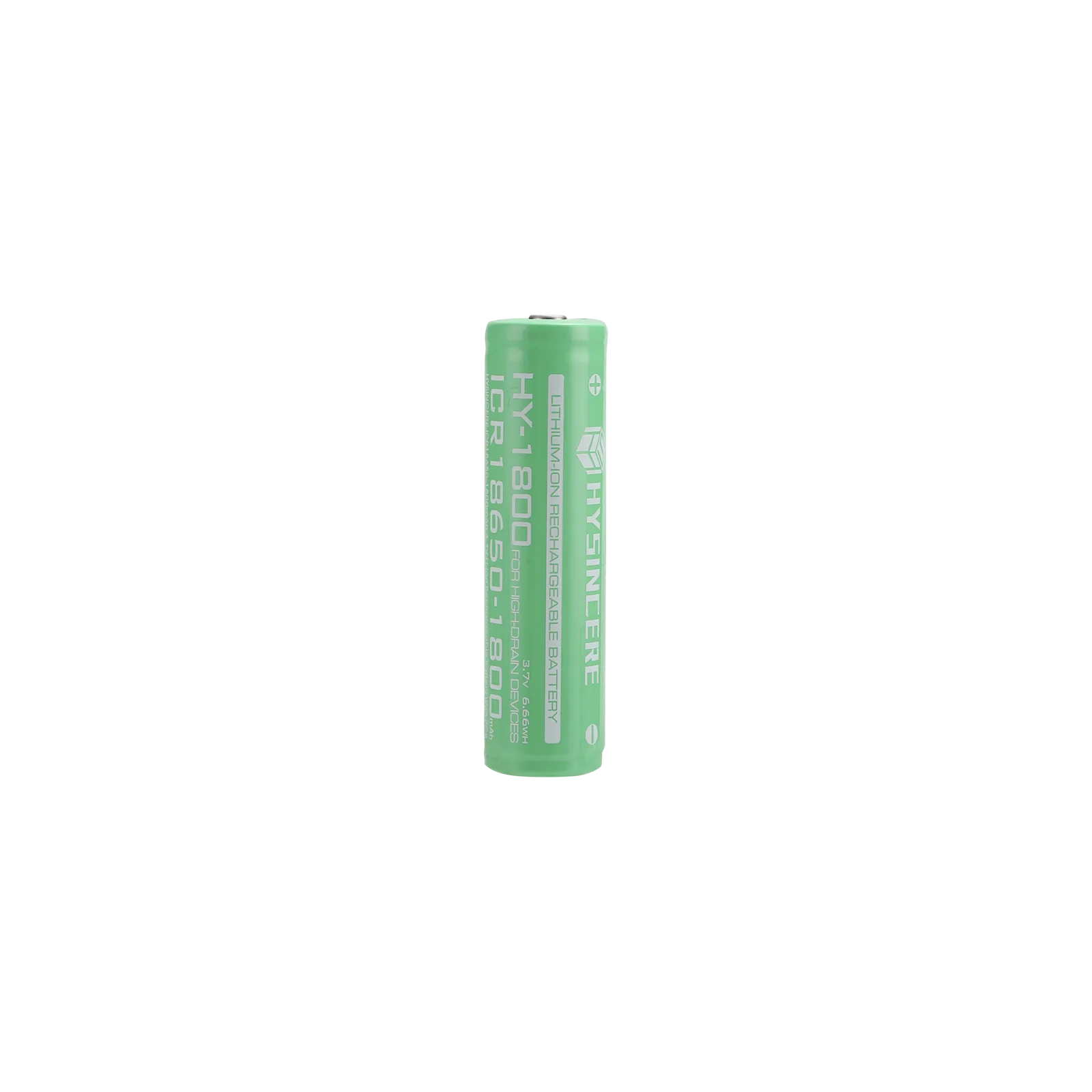
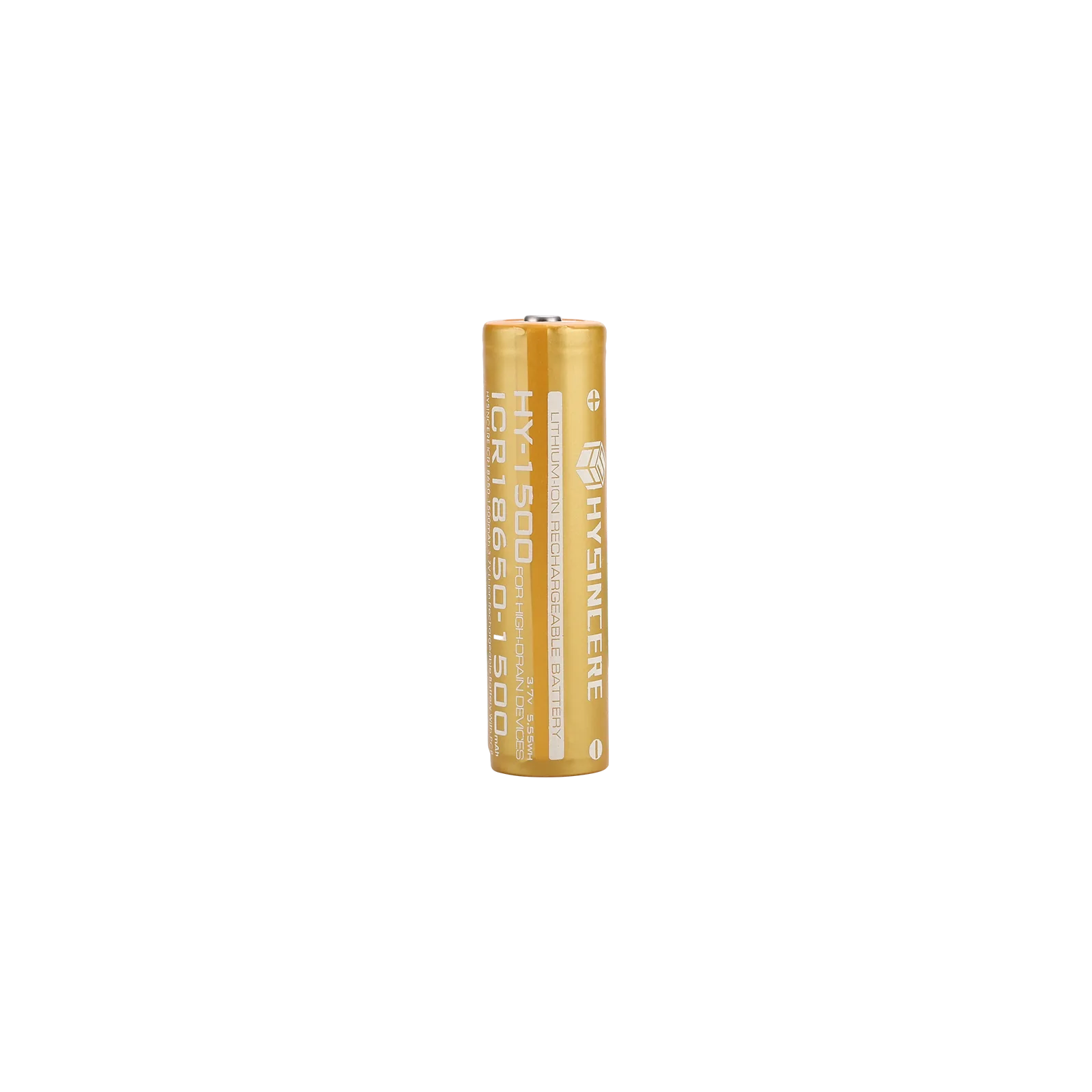
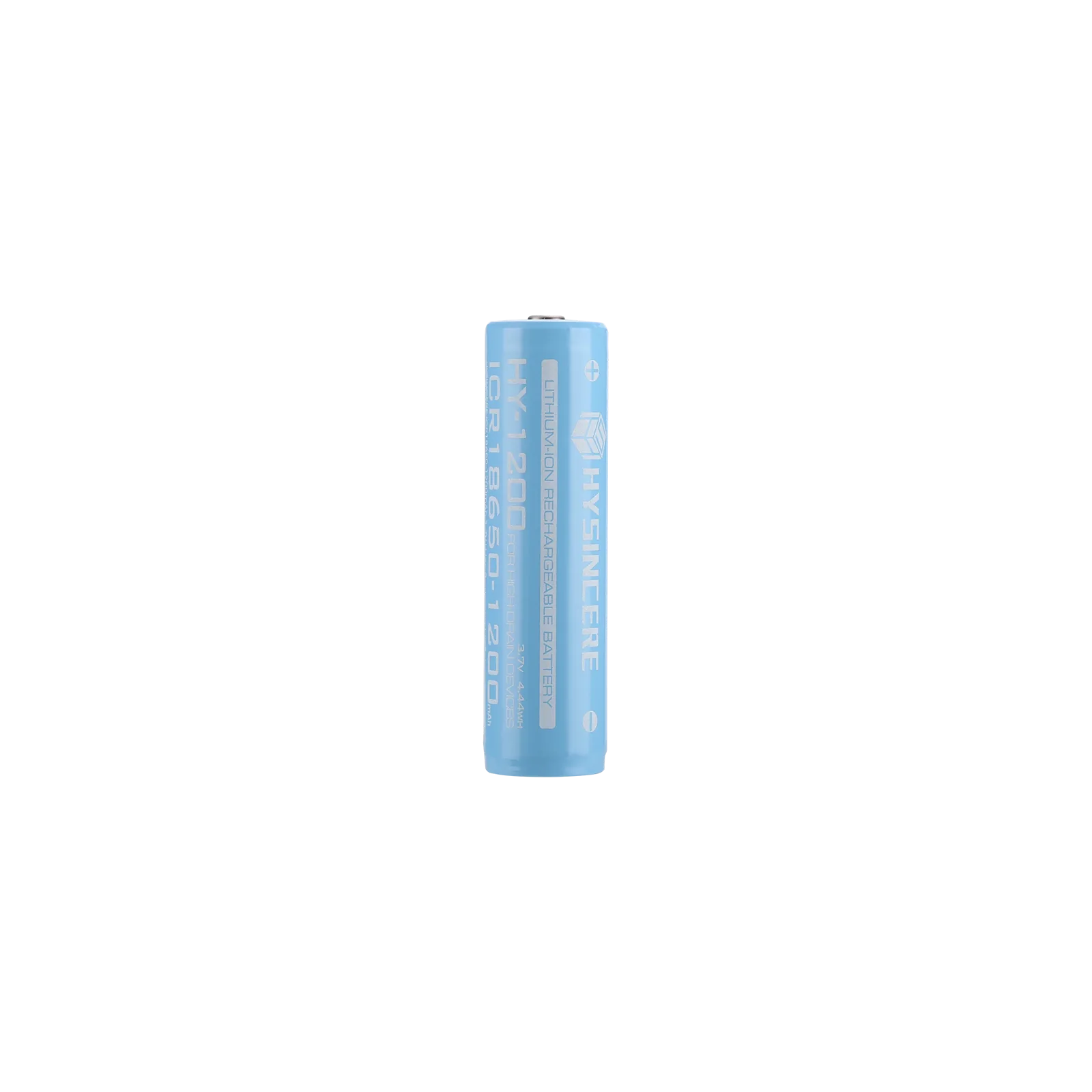
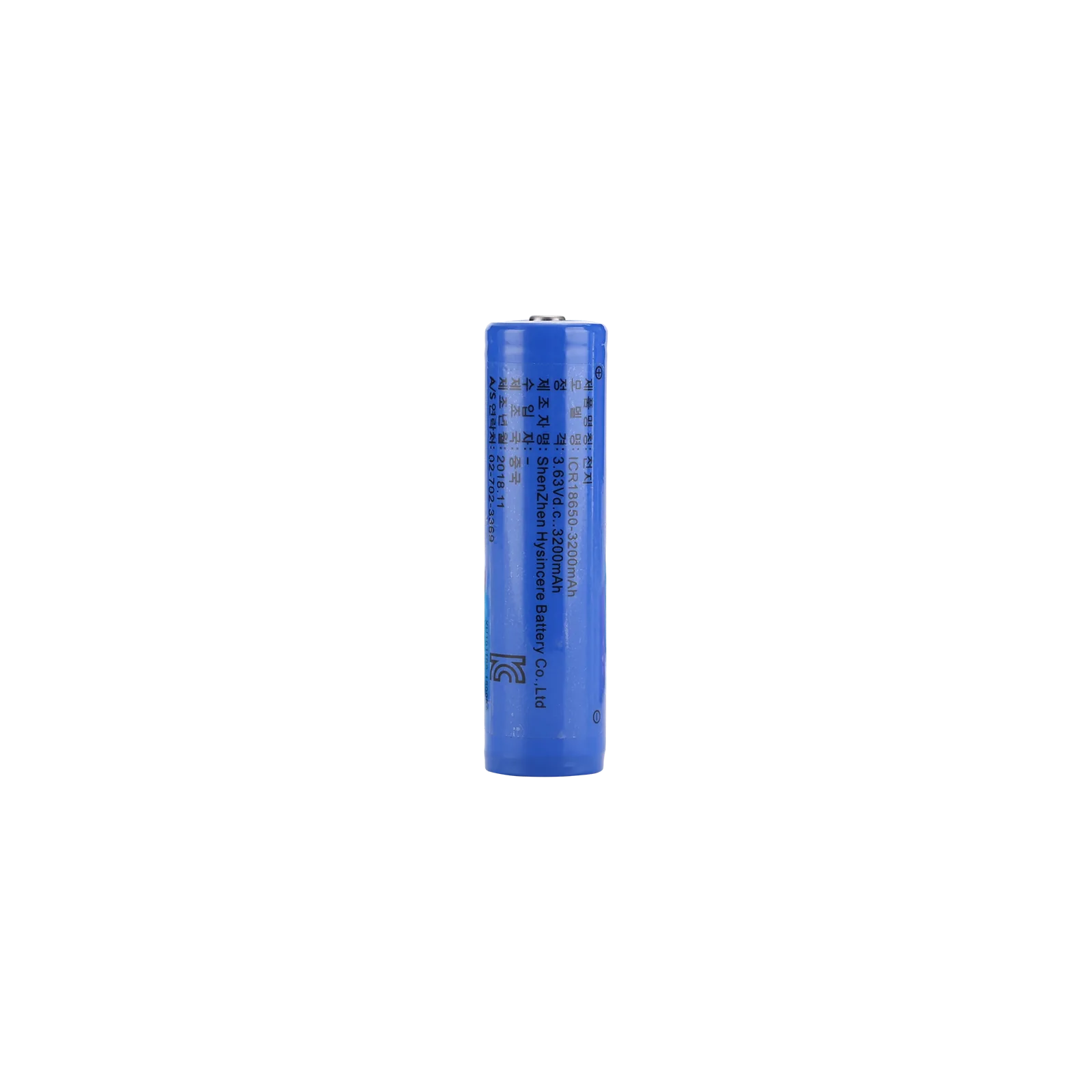
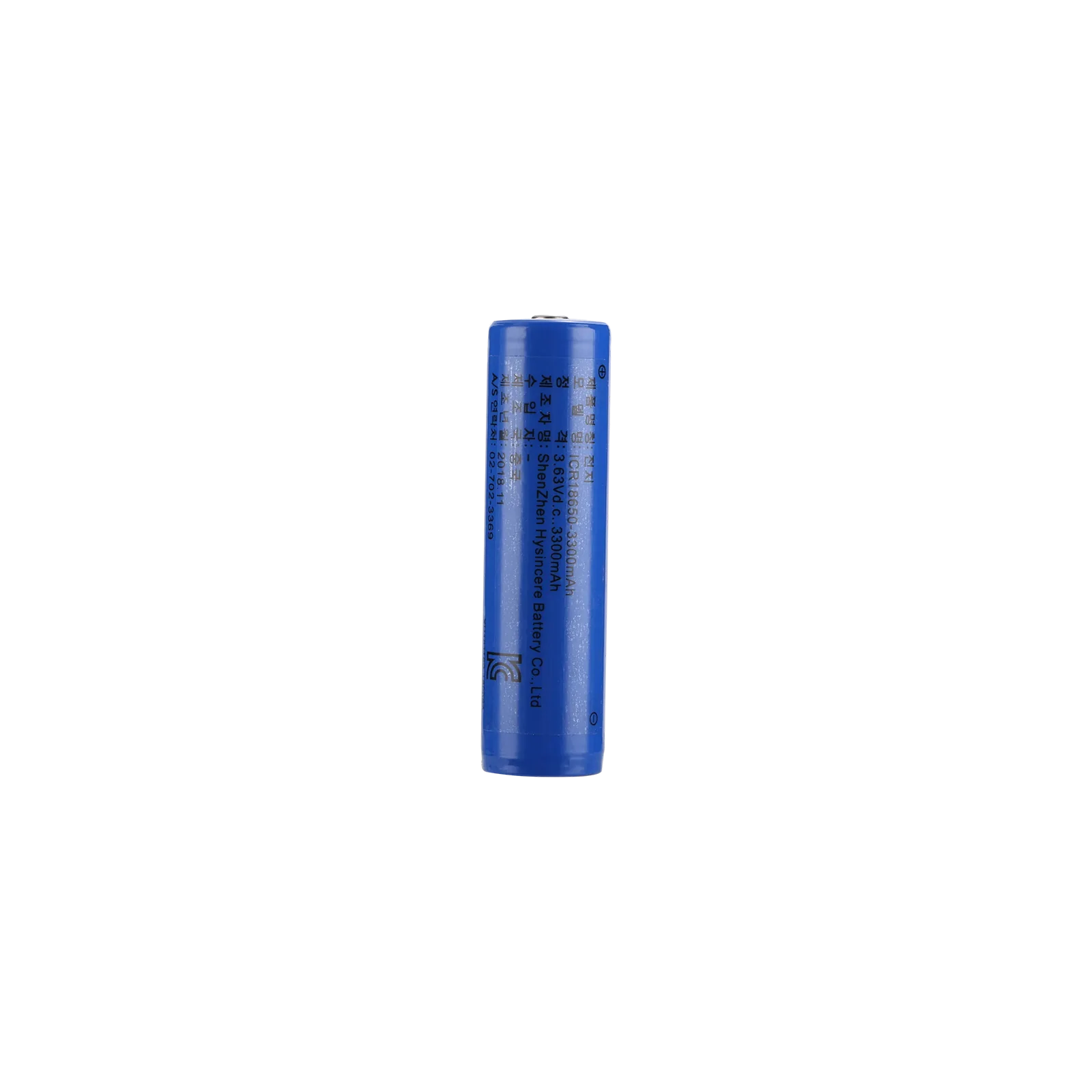
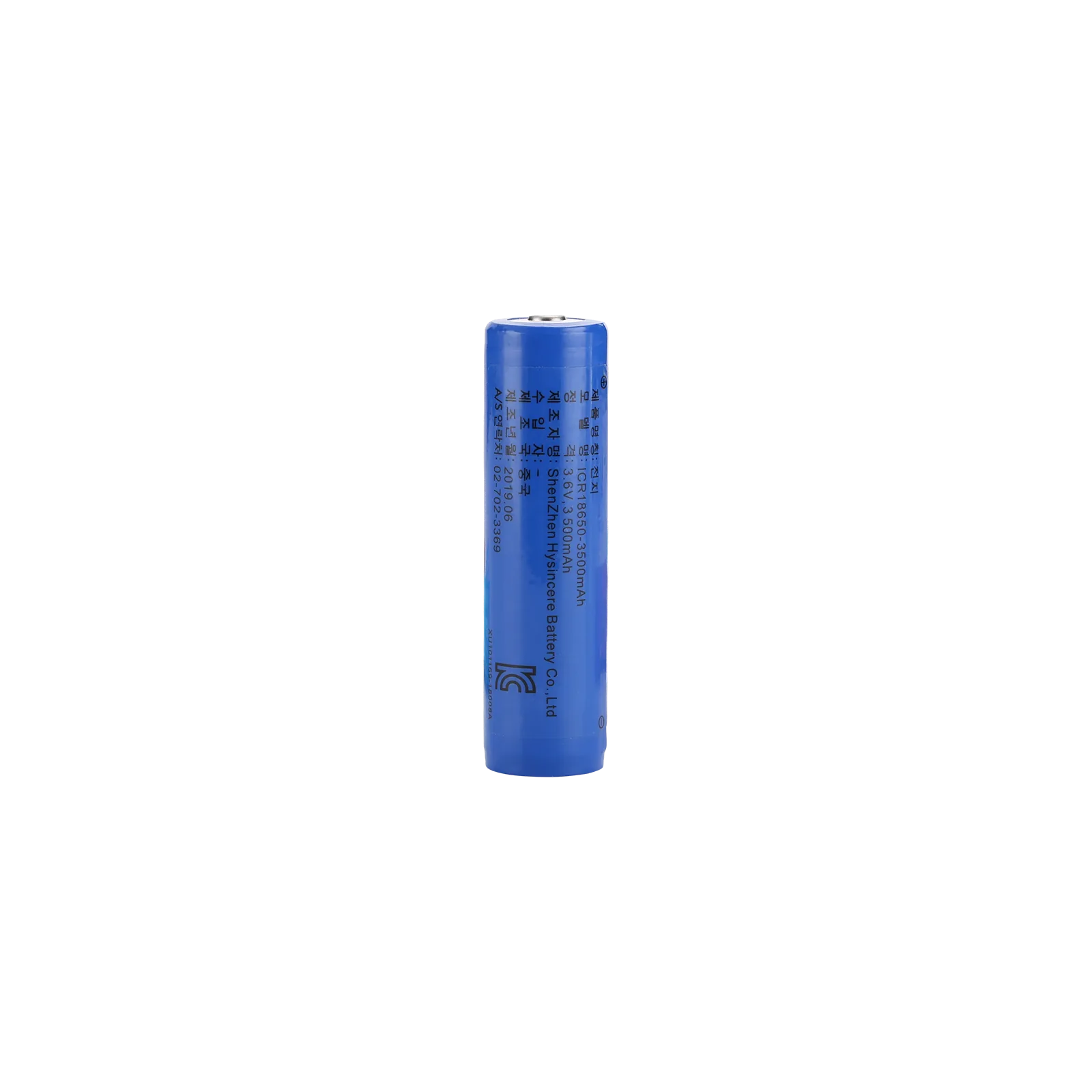
Single-cell cylindrical packs with button-top terminals. Compare capacity, contact geometry, protection requirements and device clearances.
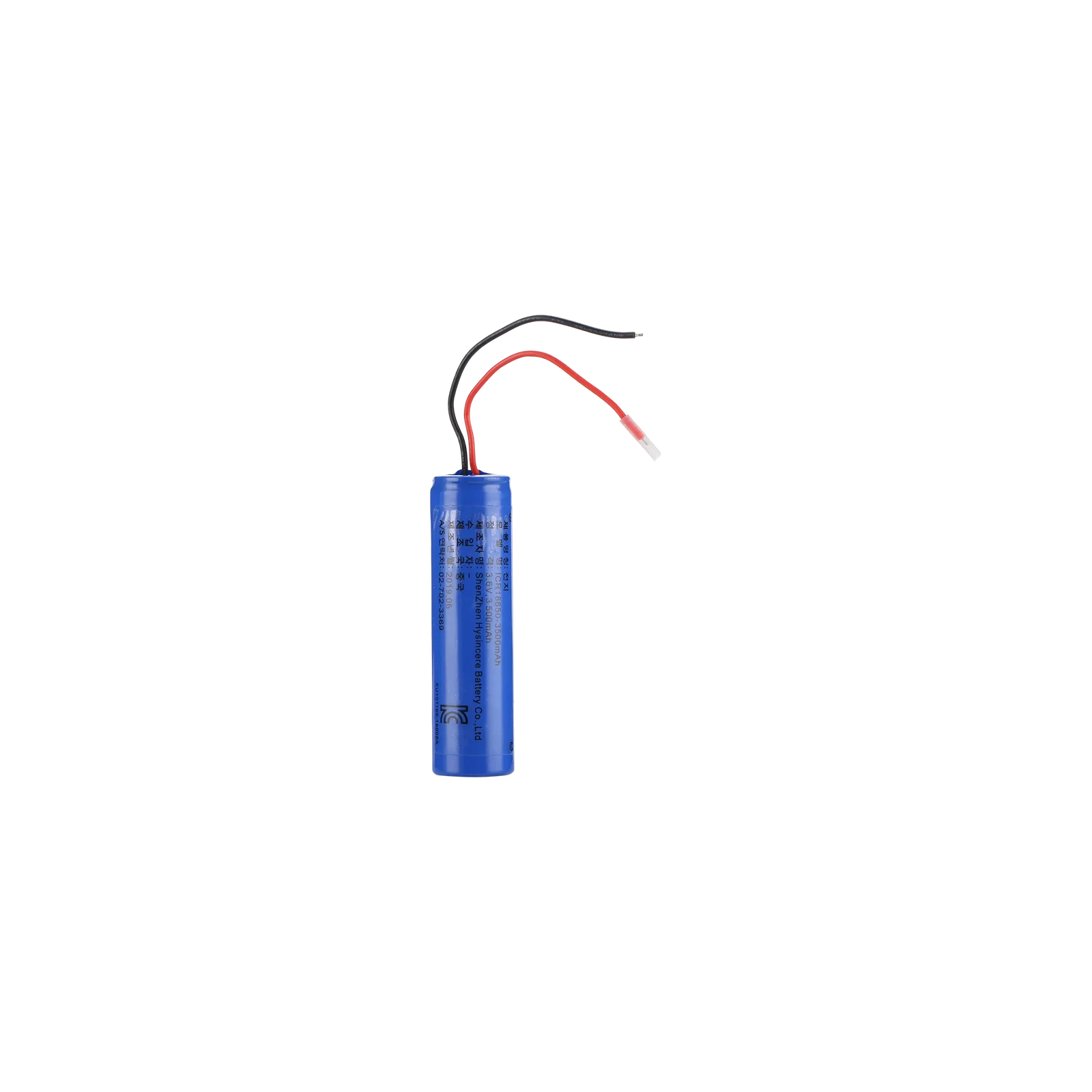
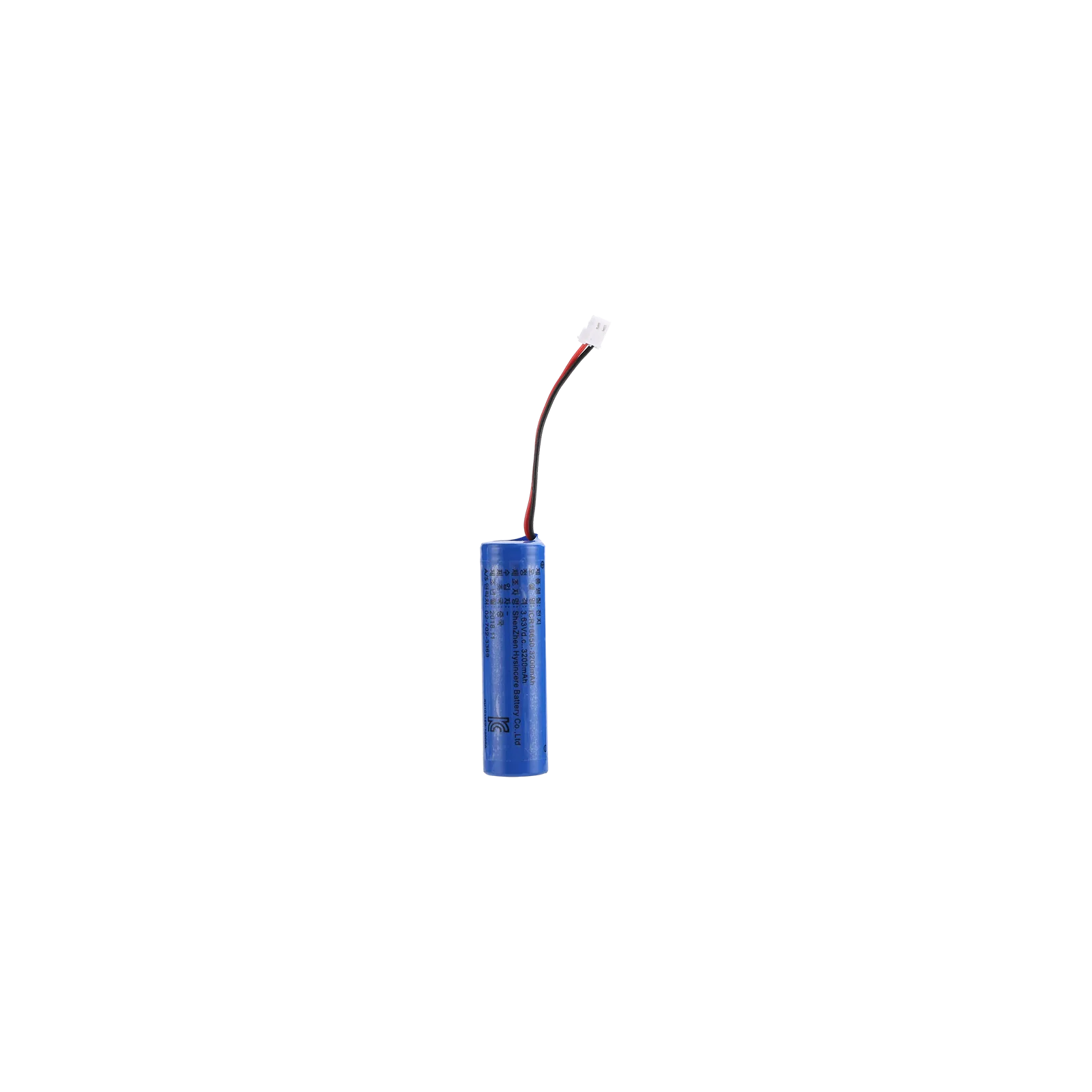
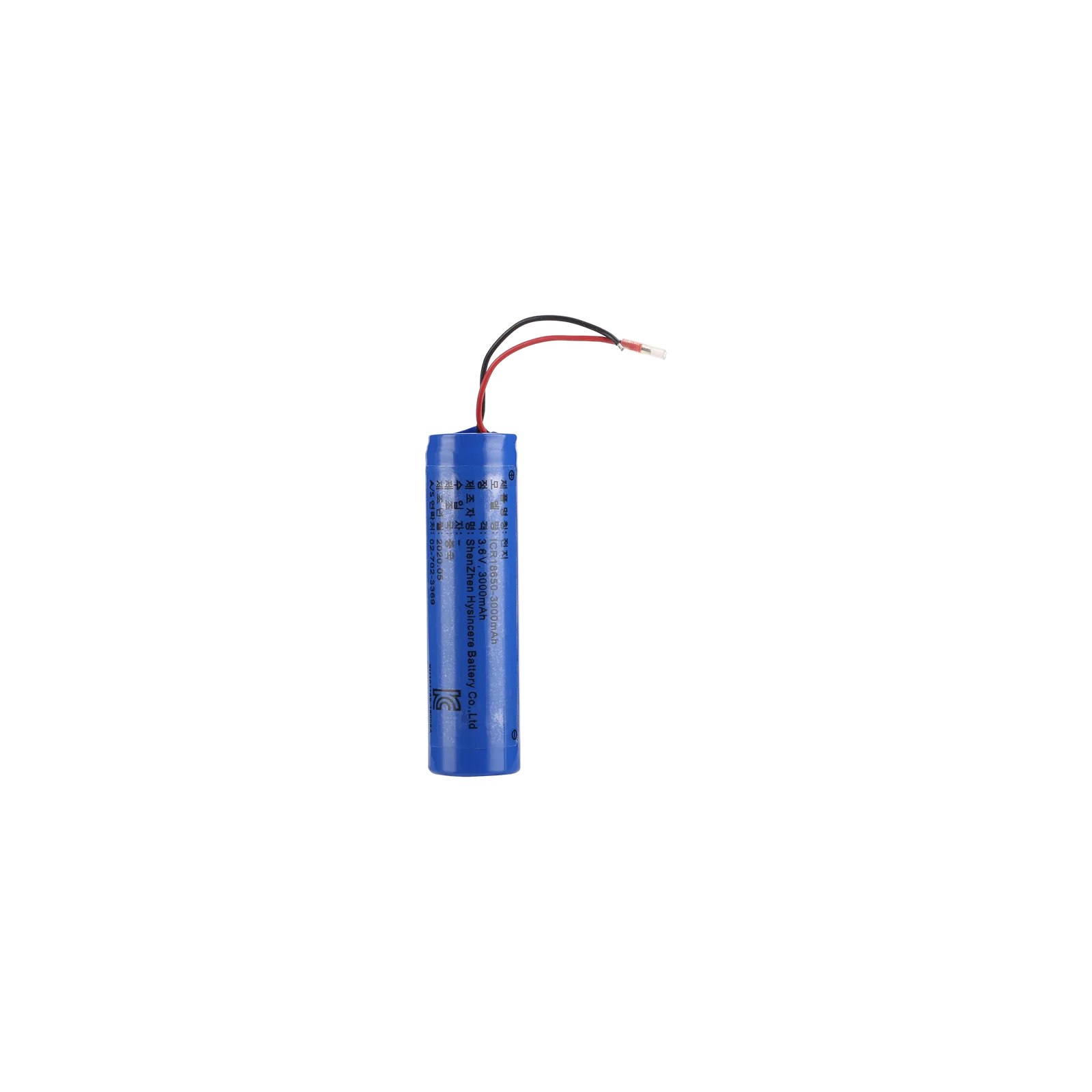
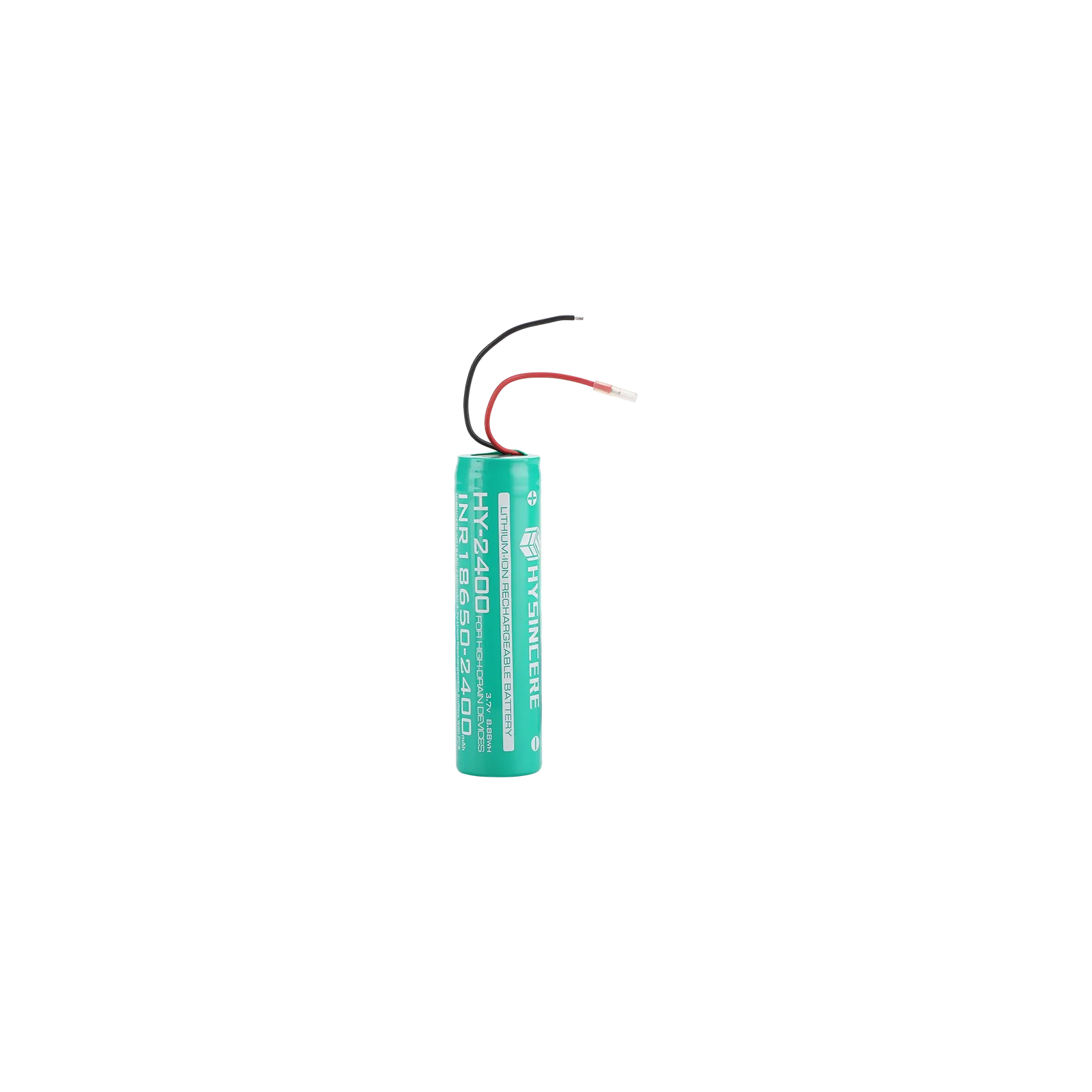
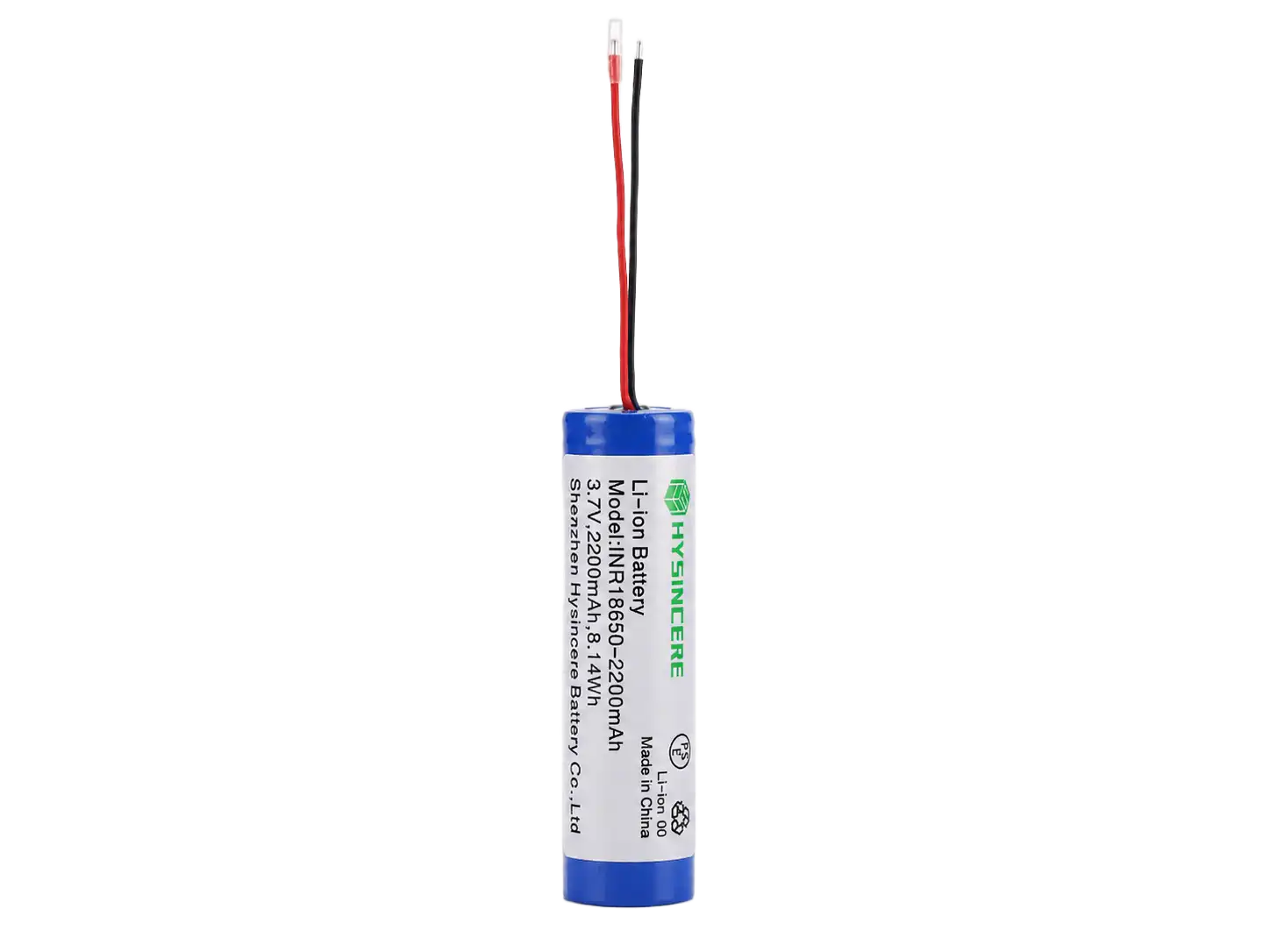
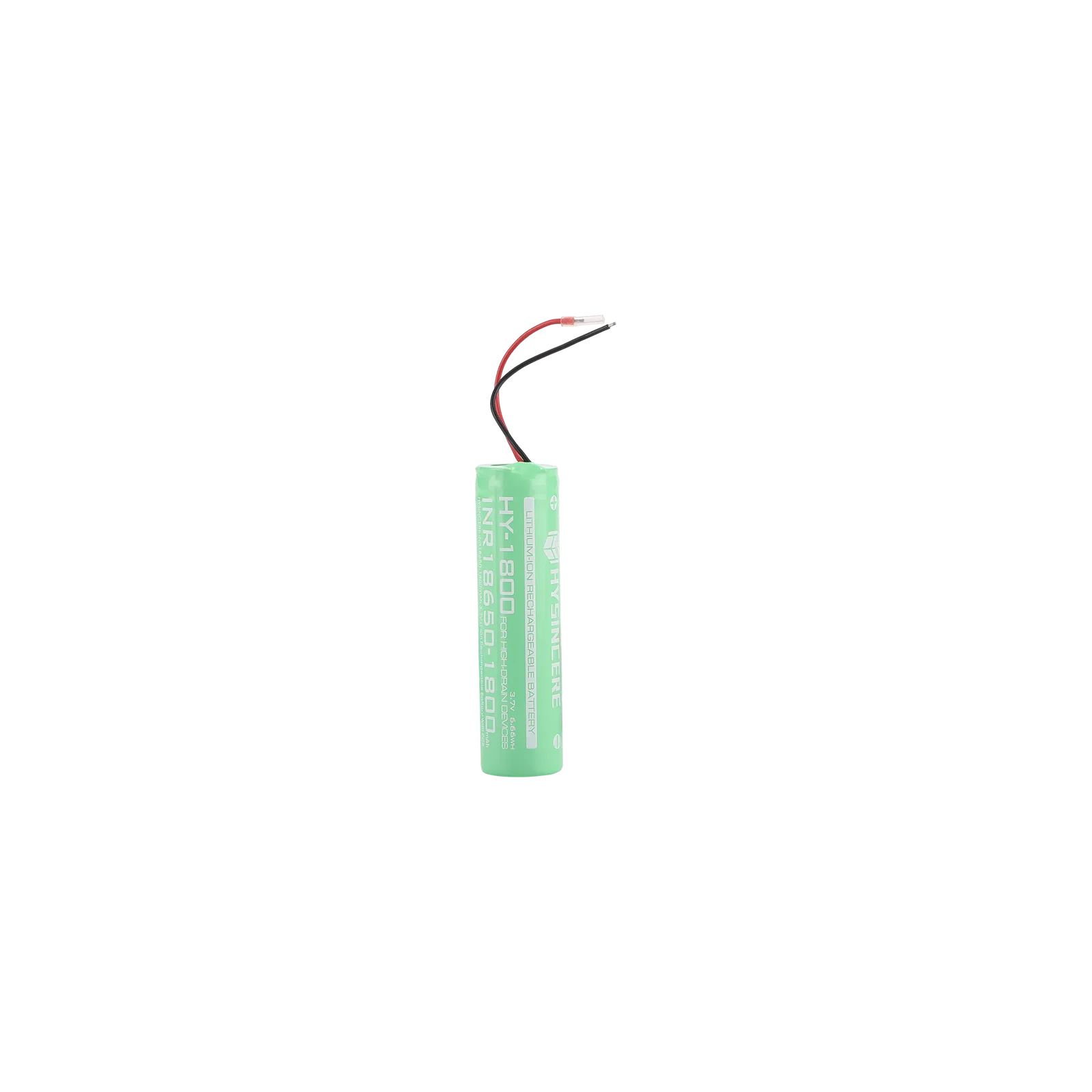
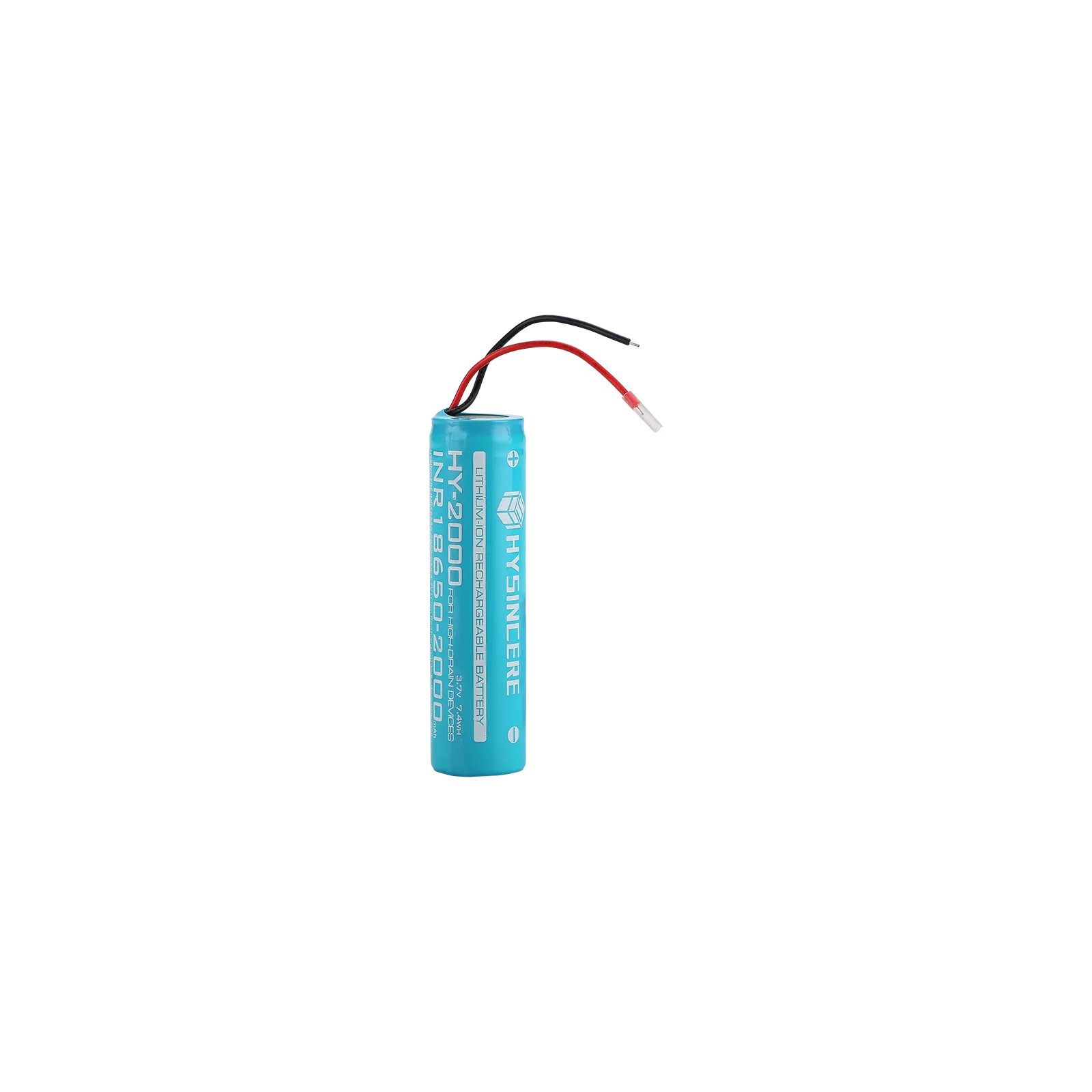
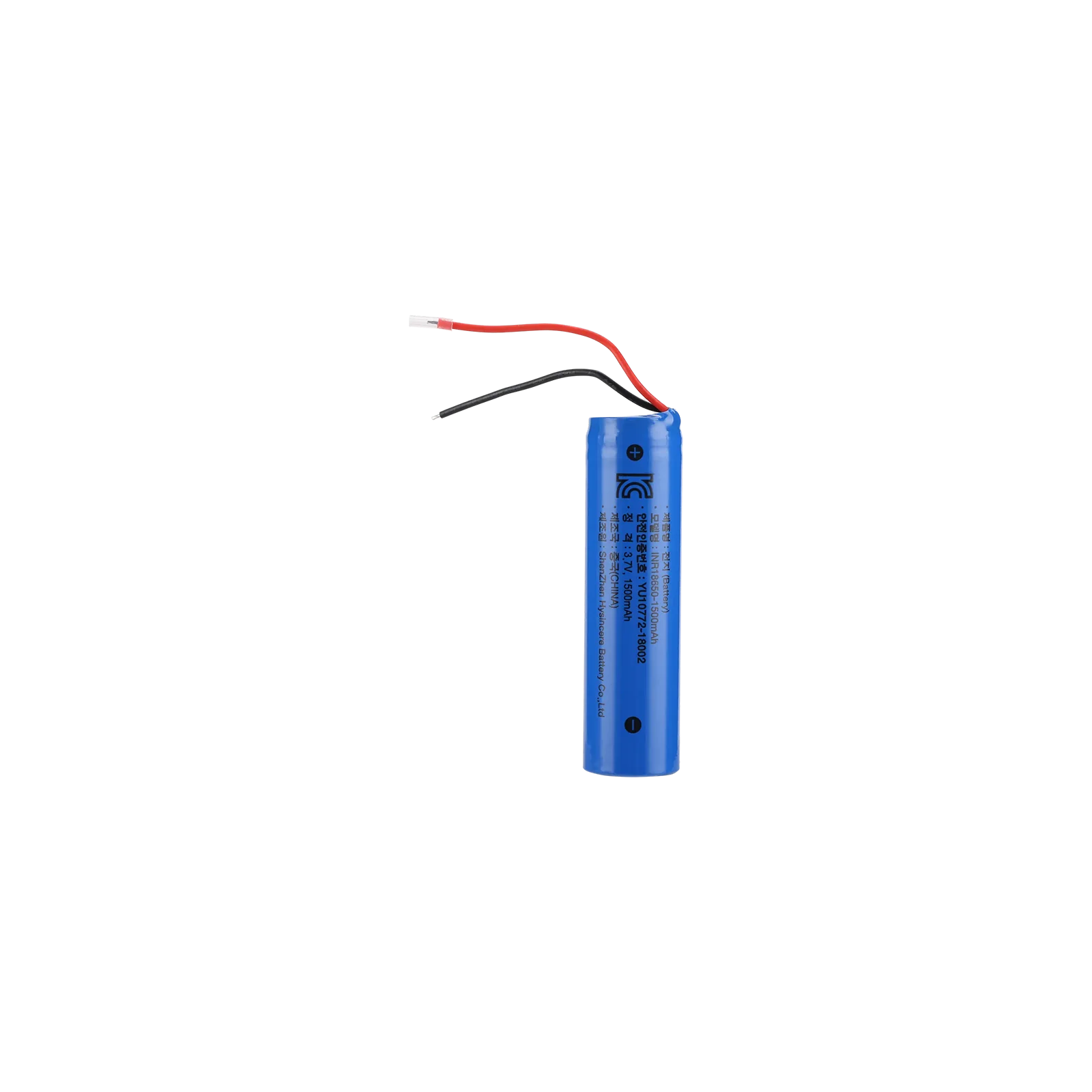
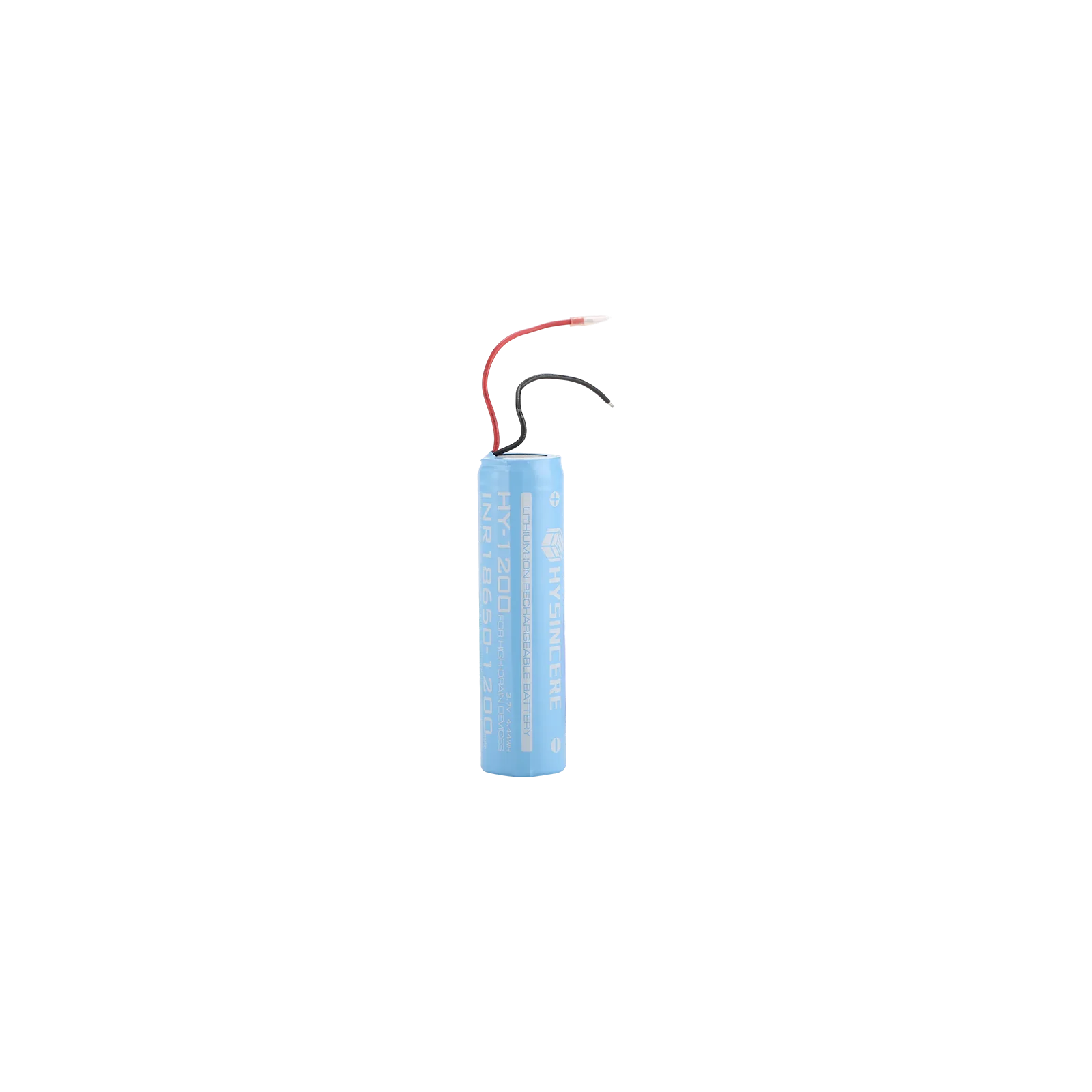
Wired 1S1P cylindrical-cell packs. Confirm the exact cell format, connector, wire length, polarity and installation space for each model.
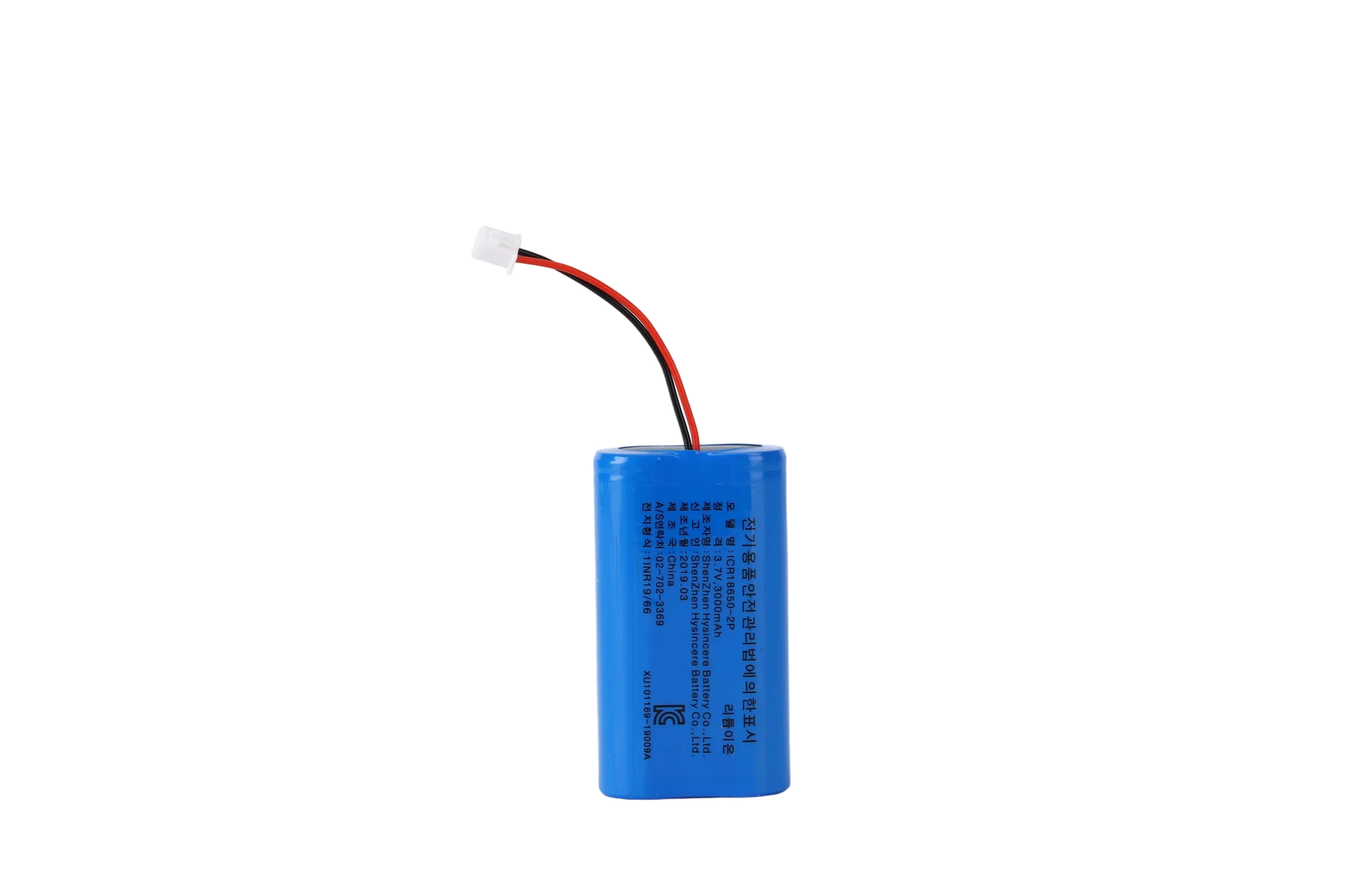
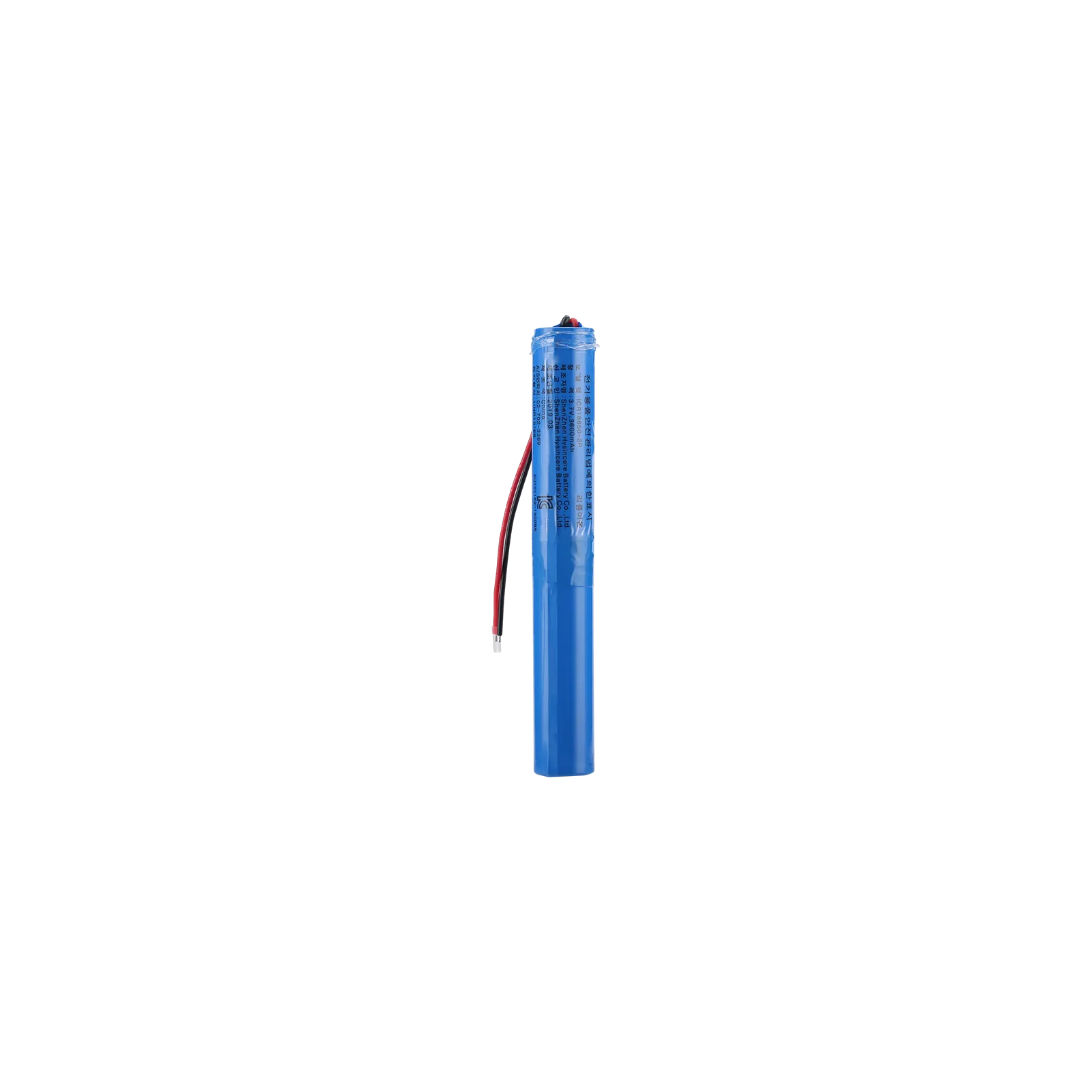
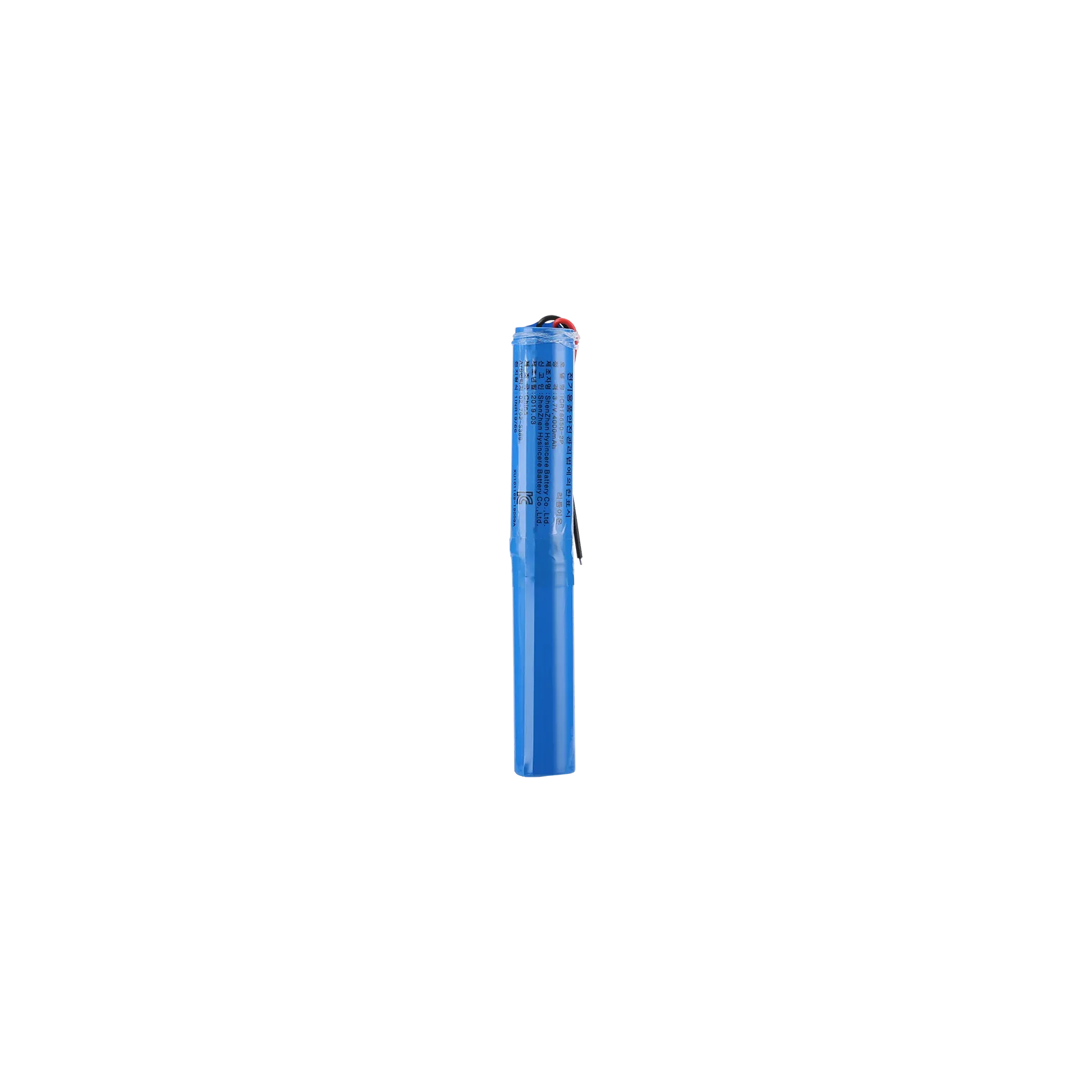
Two-cell parallel packs for projects that need more capacity while retaining a single-series nominal voltage. Verify current demand and protection settings by model.
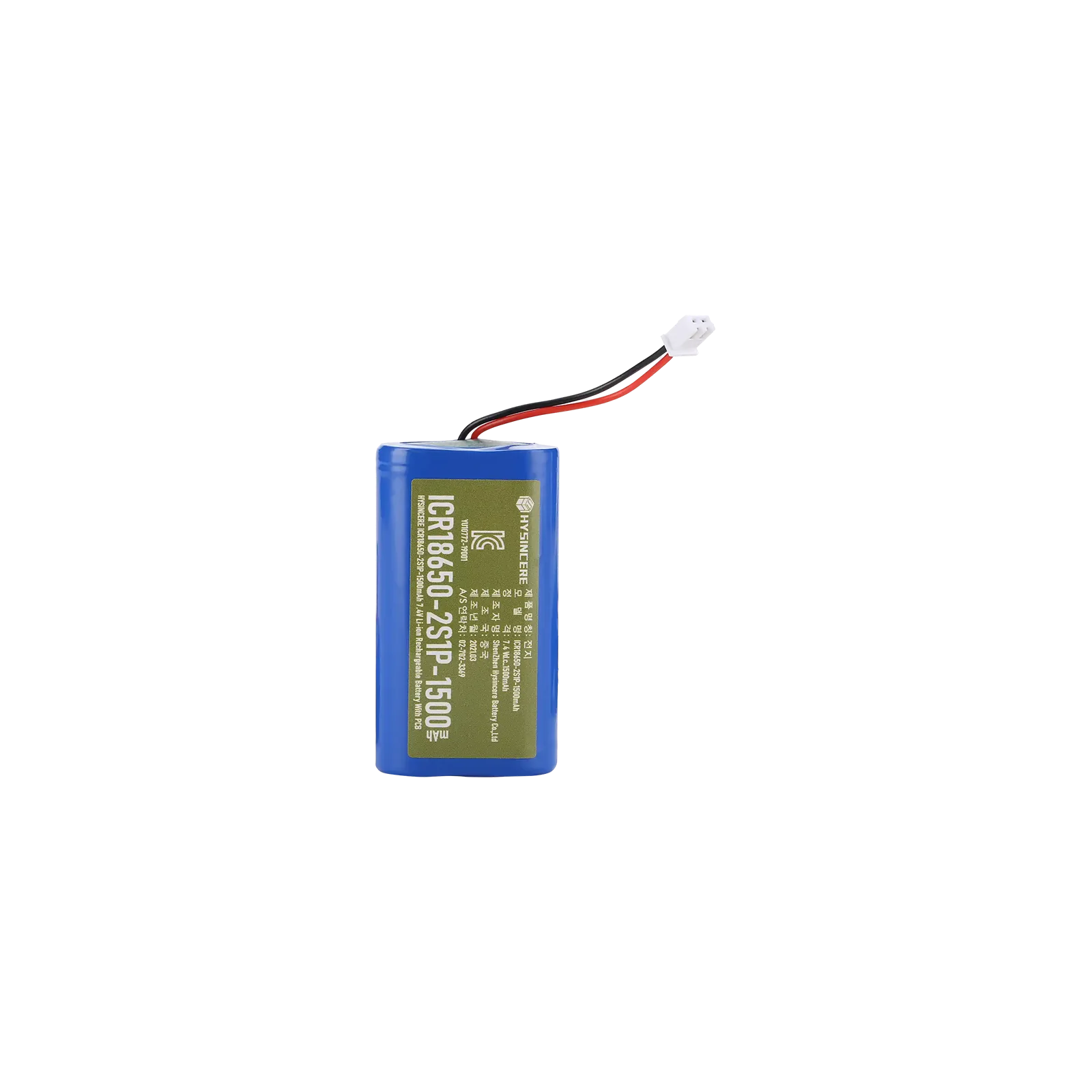
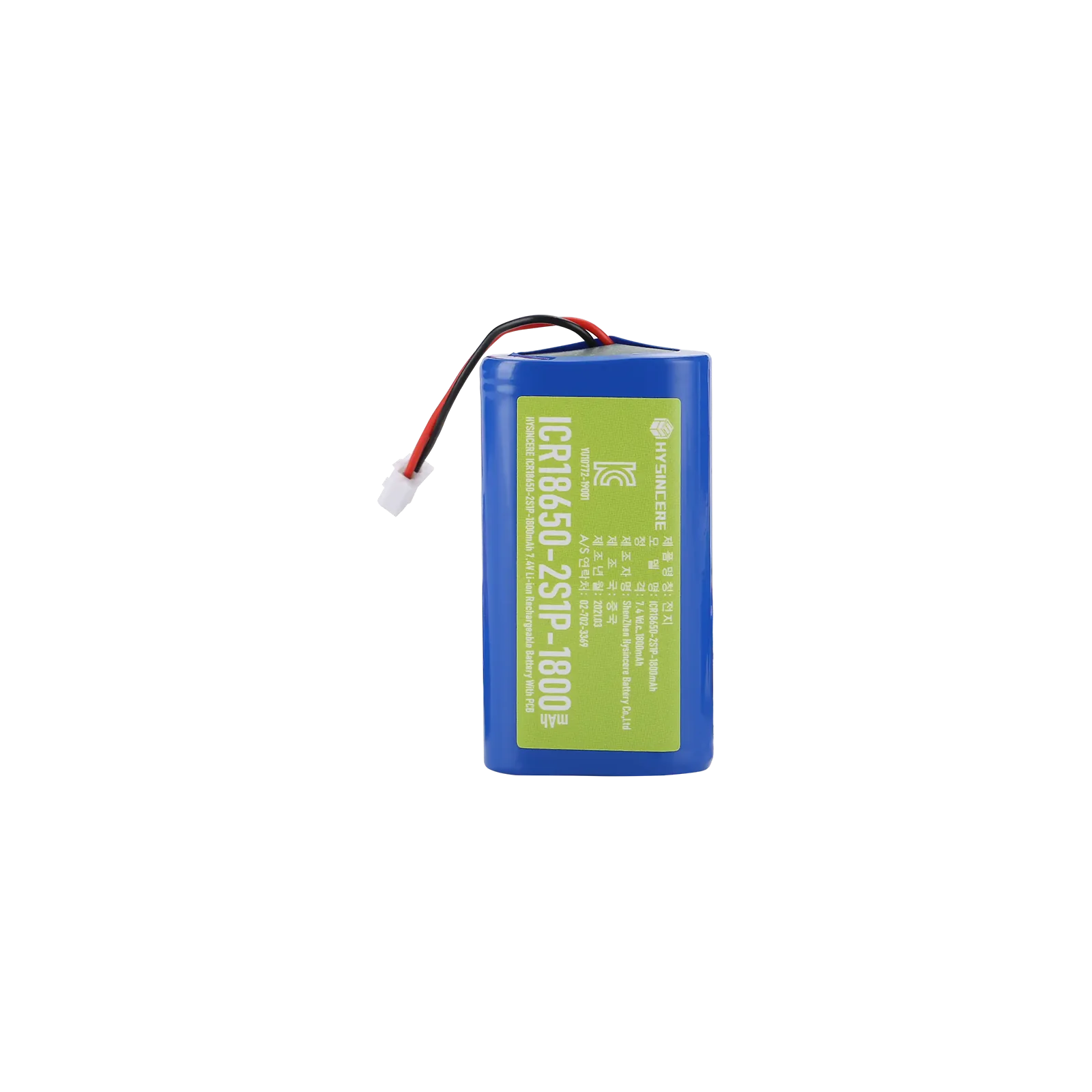
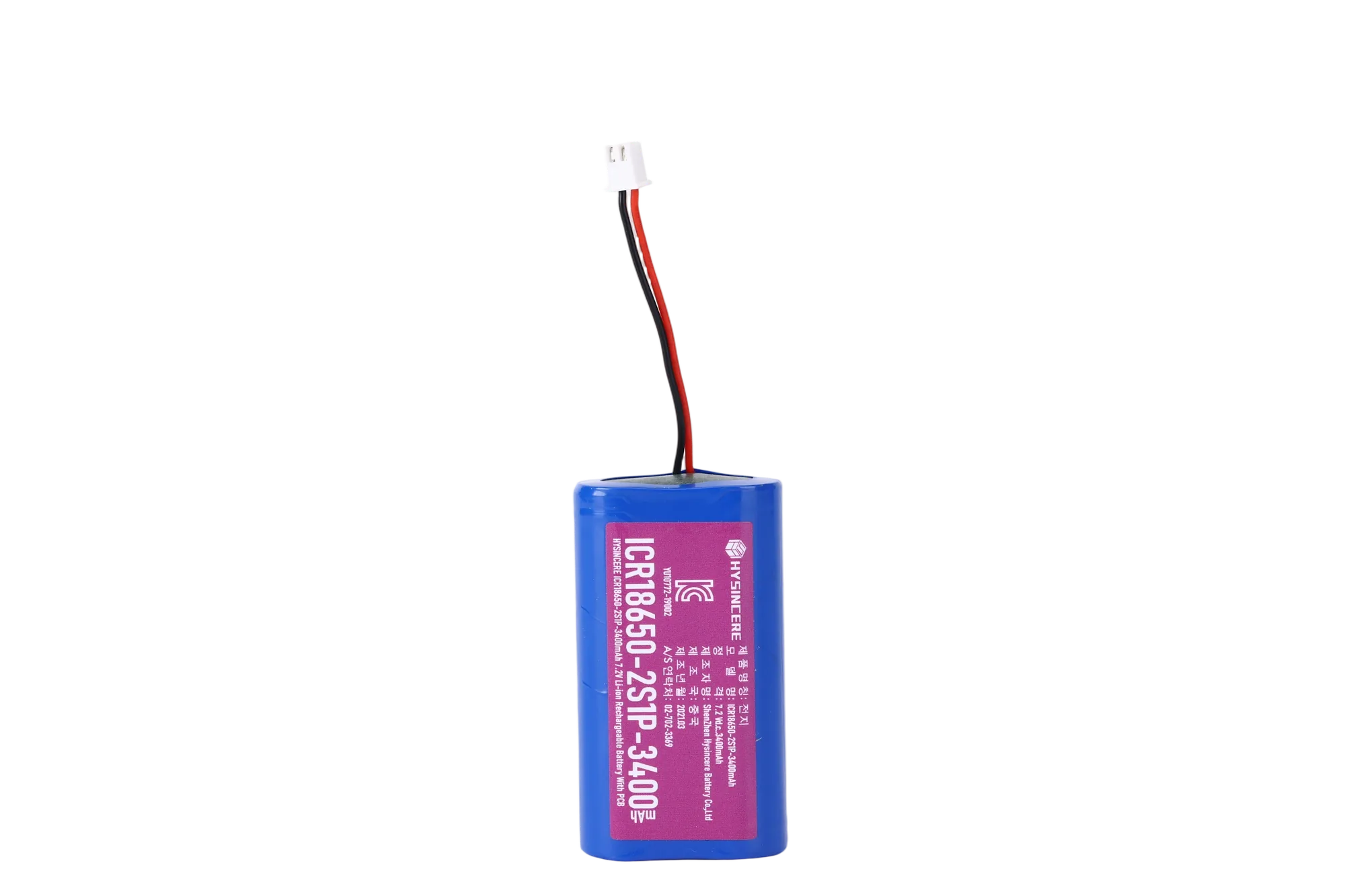
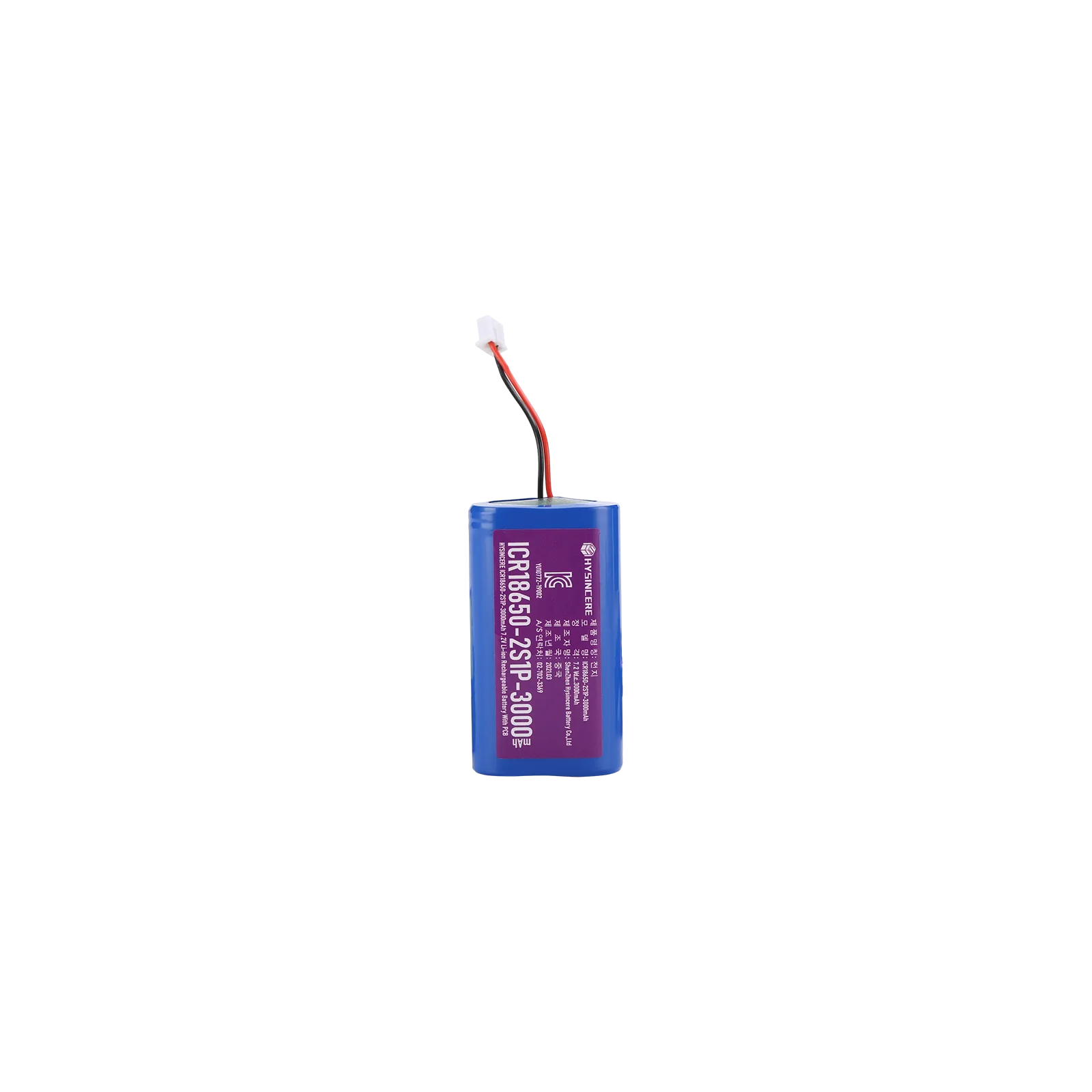
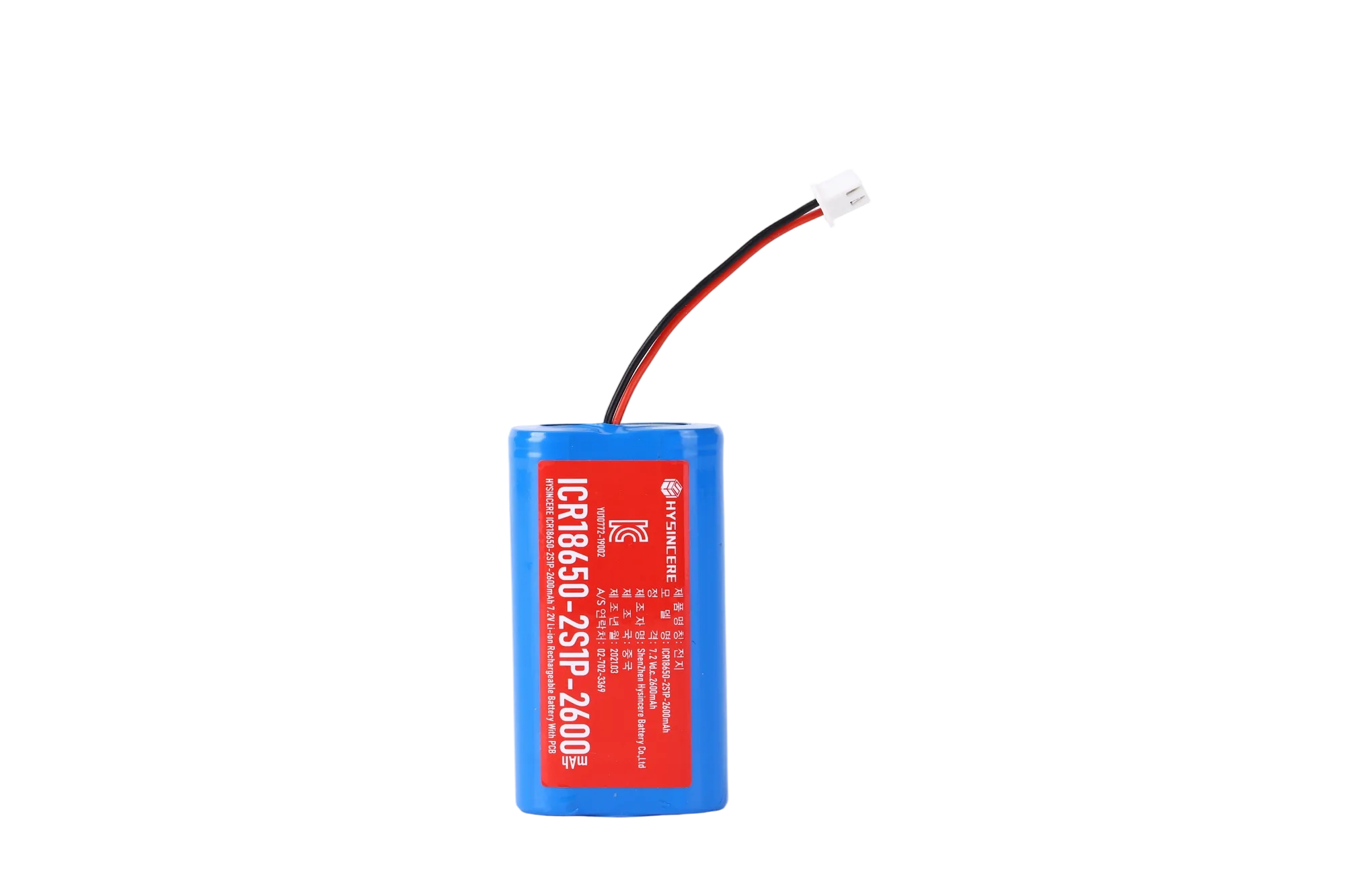
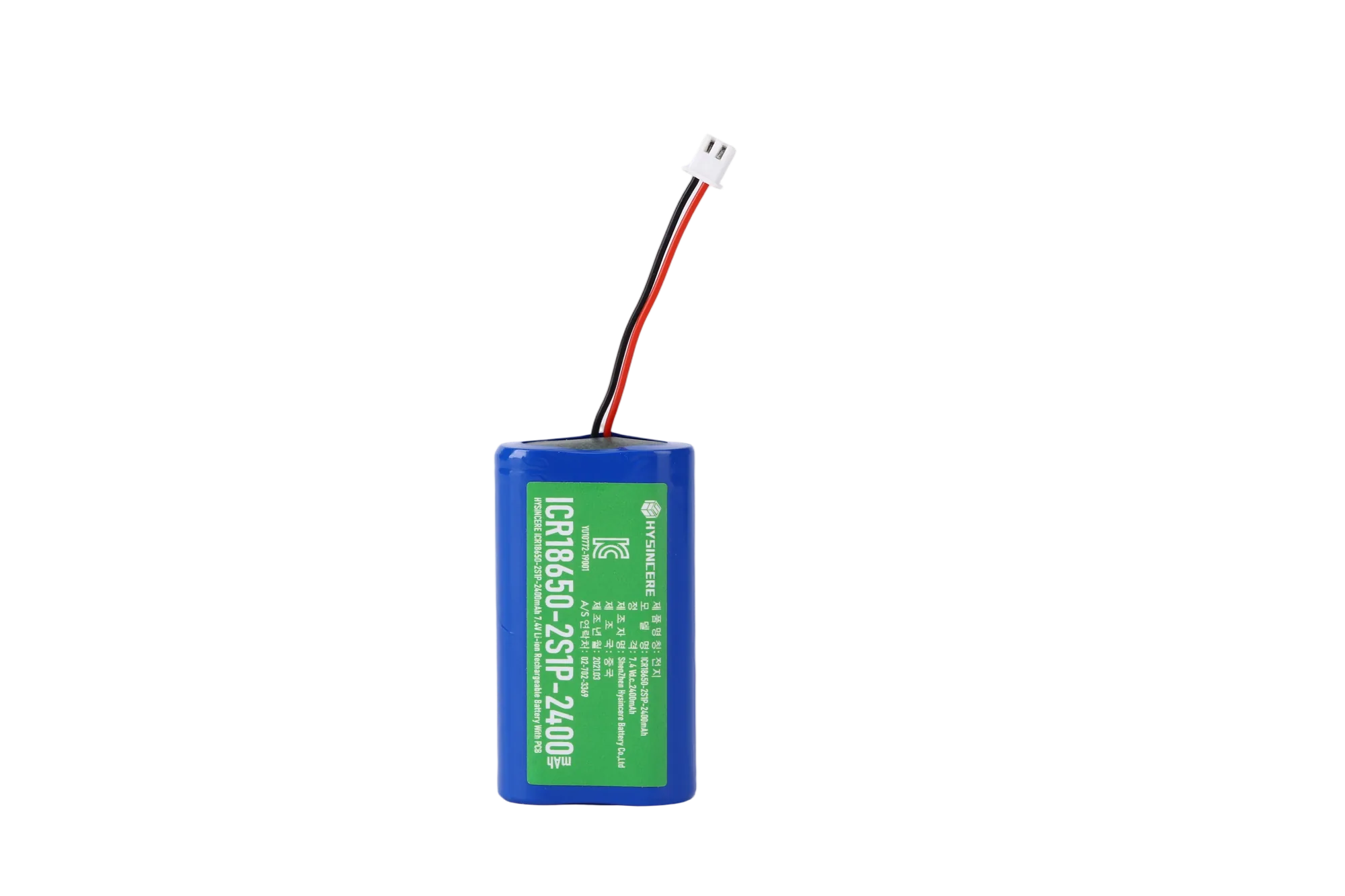
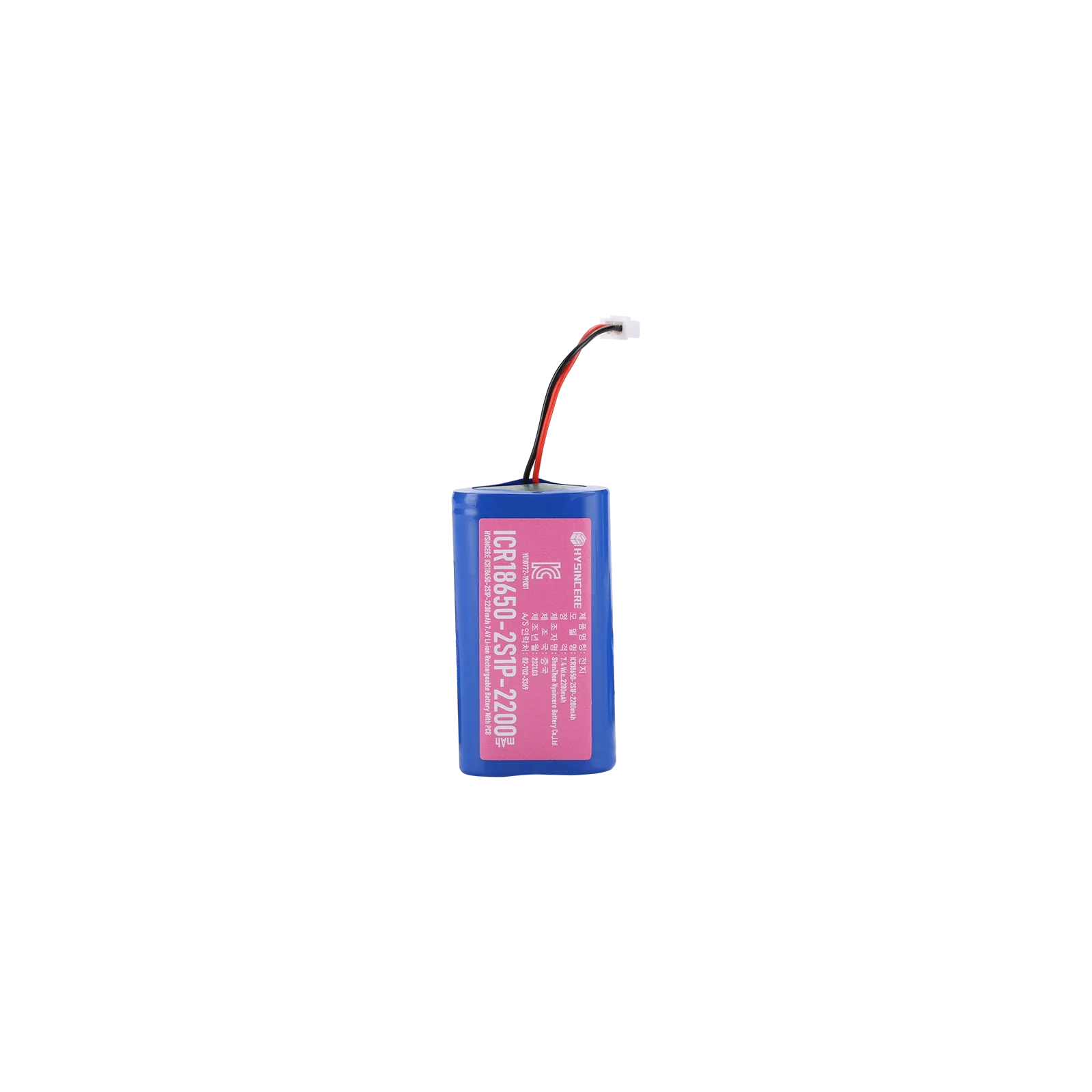
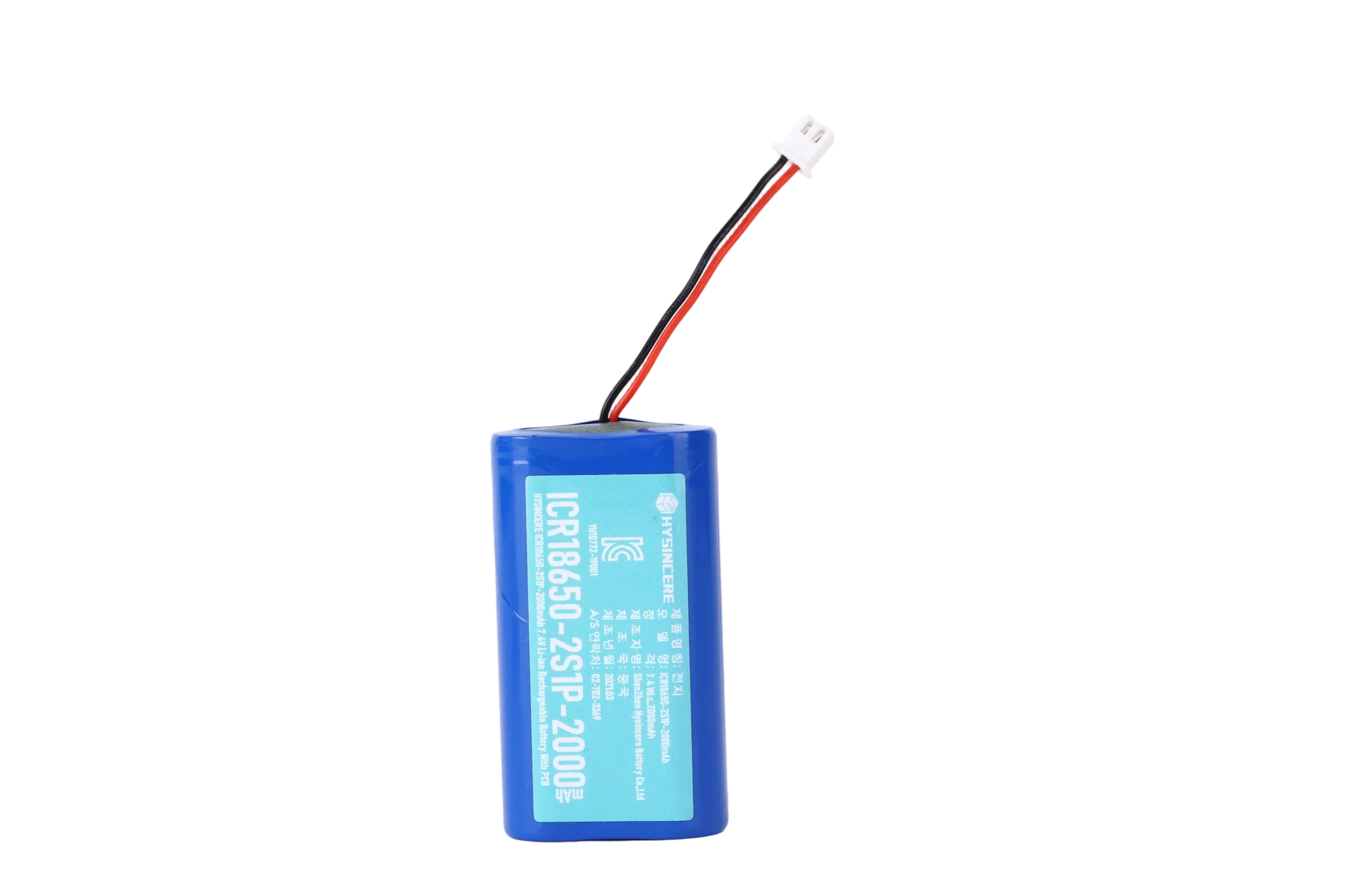
Two-cell series packs with 7.2V and 7.4V nominal configurations. Match the charger and protection design to the exact model.
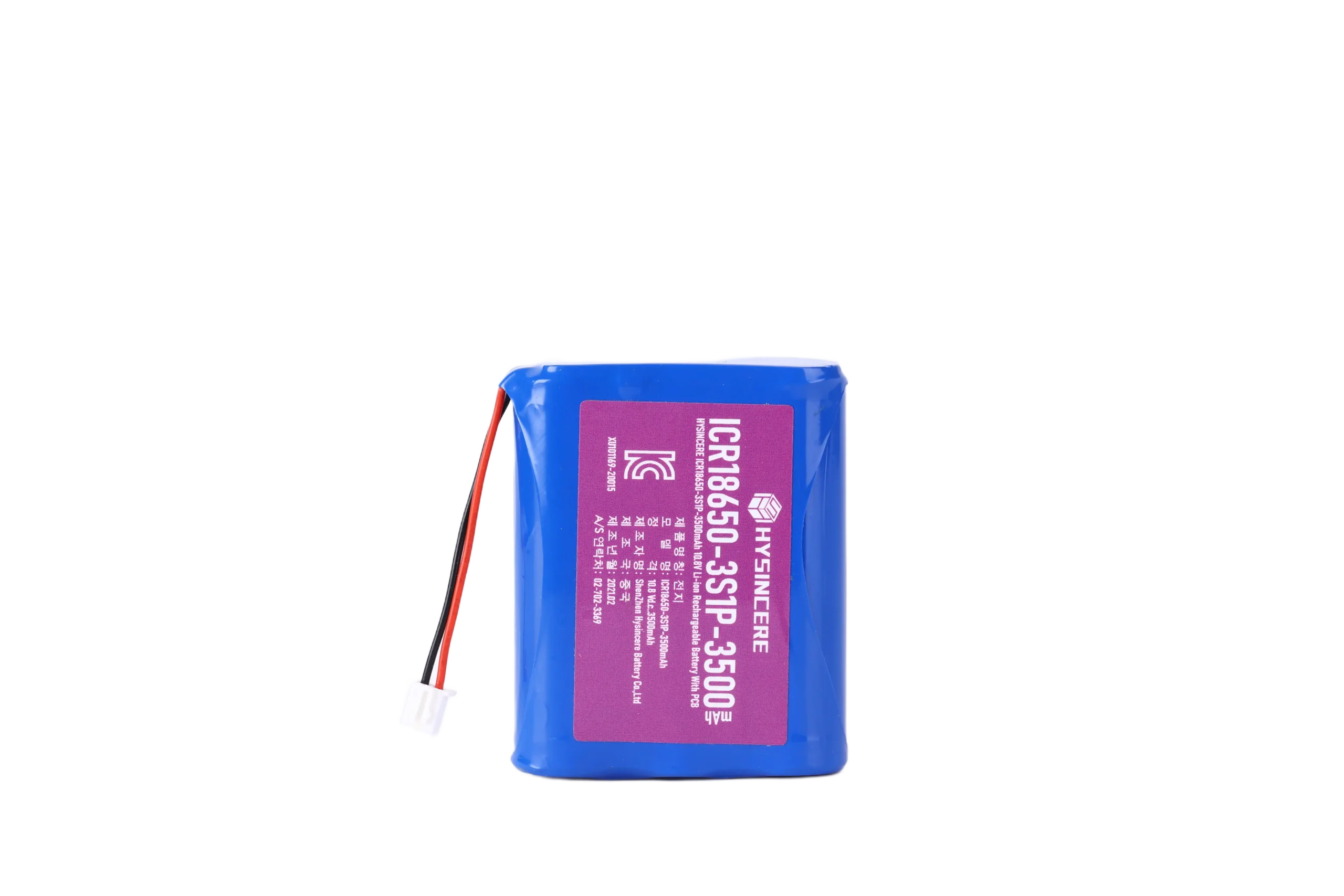
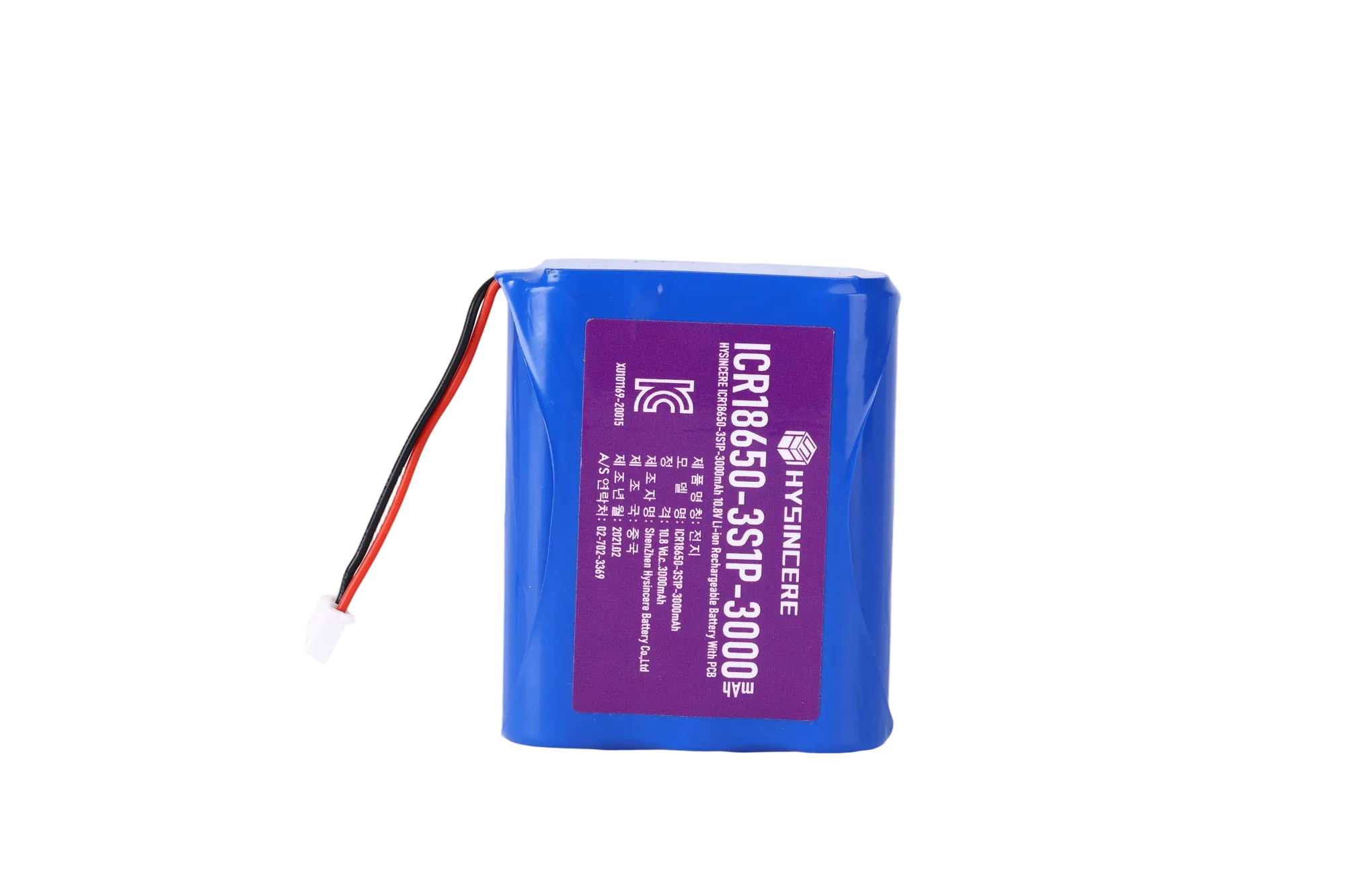
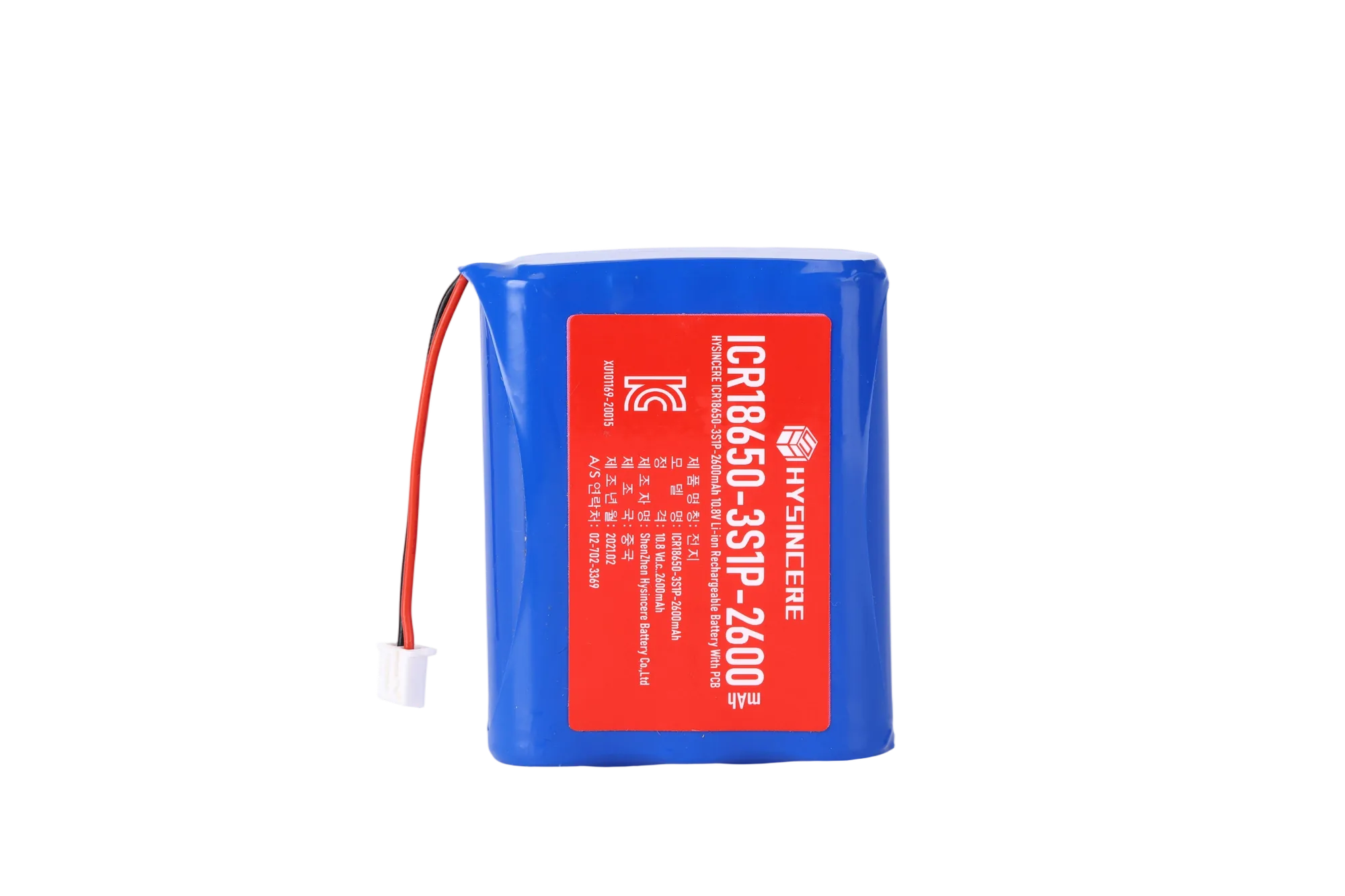
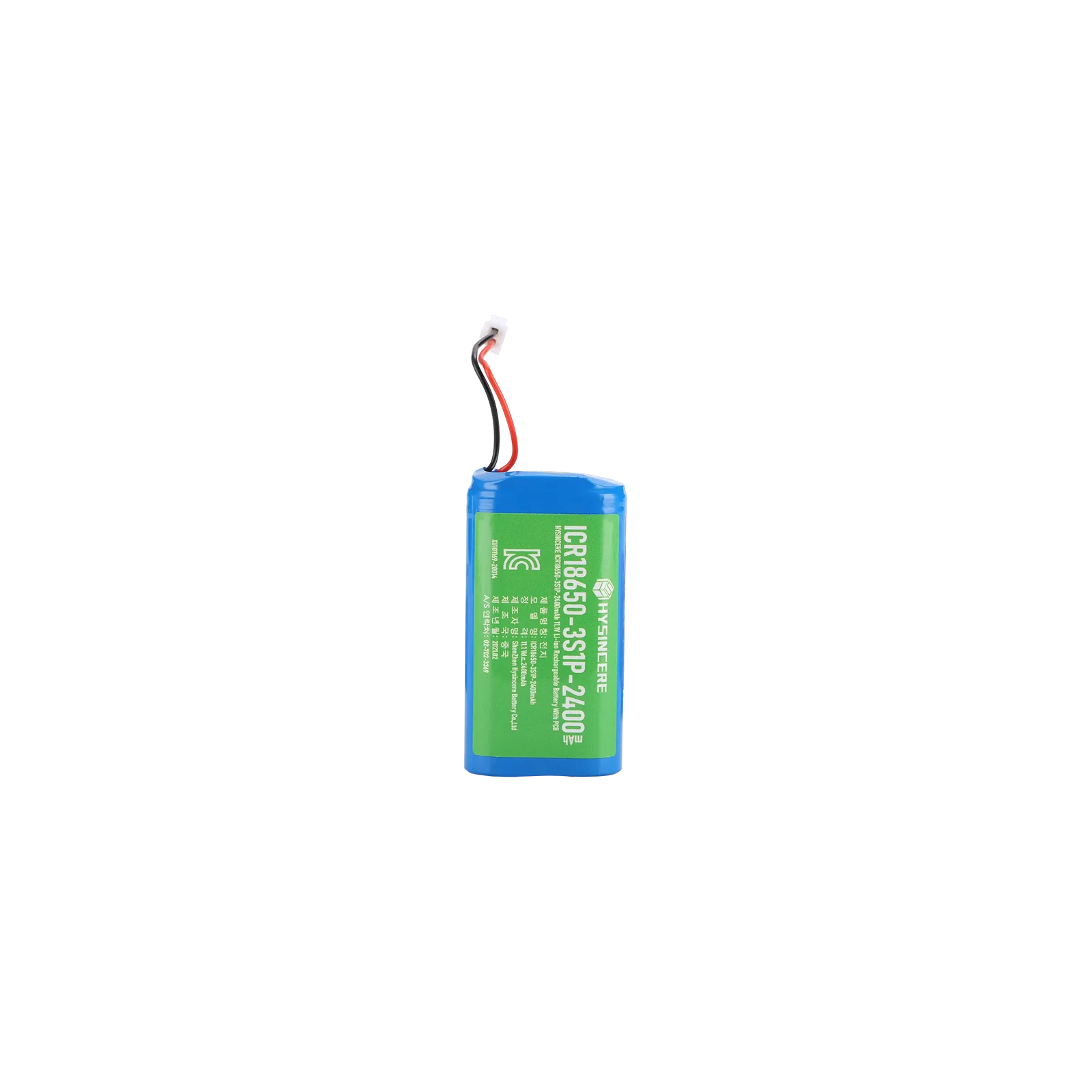
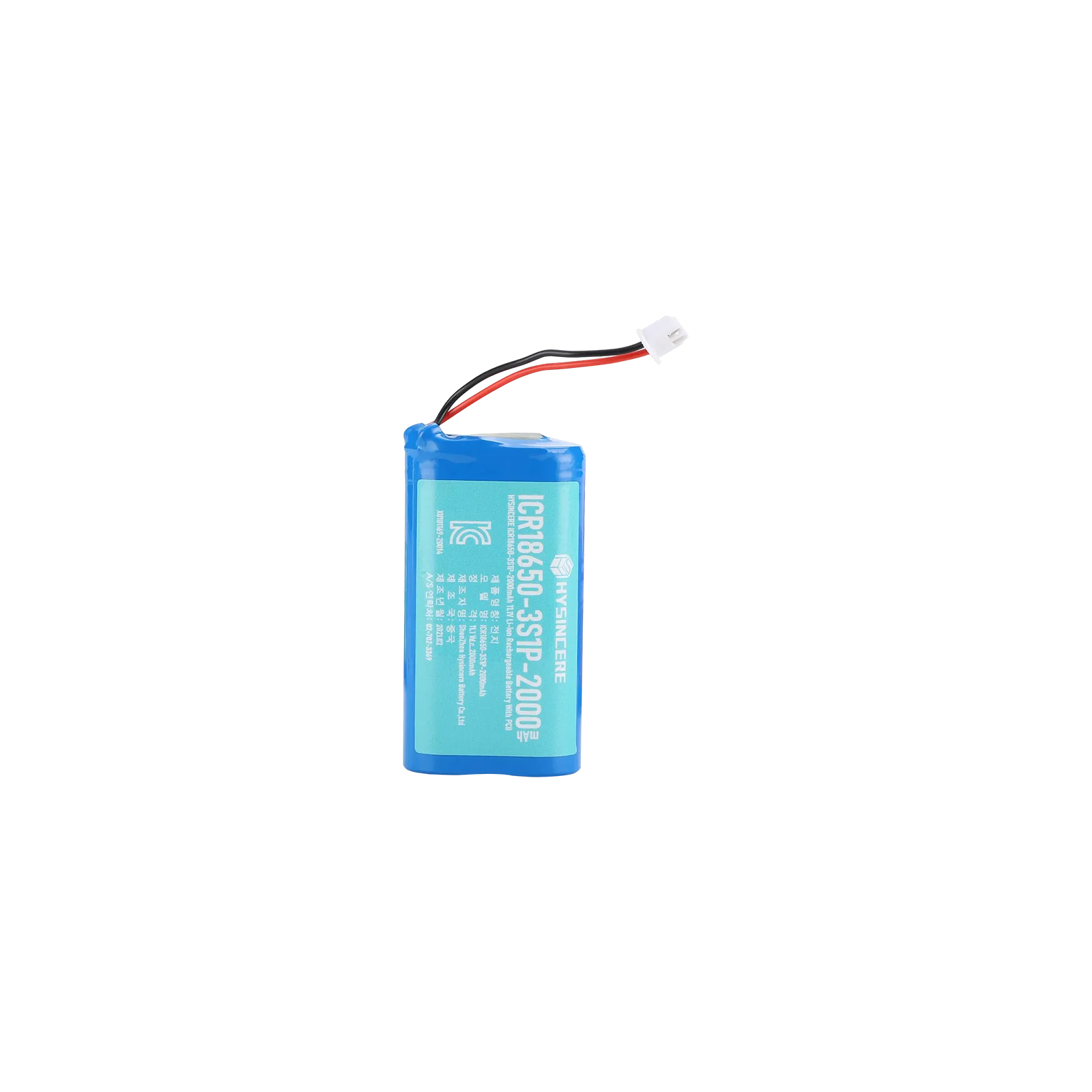
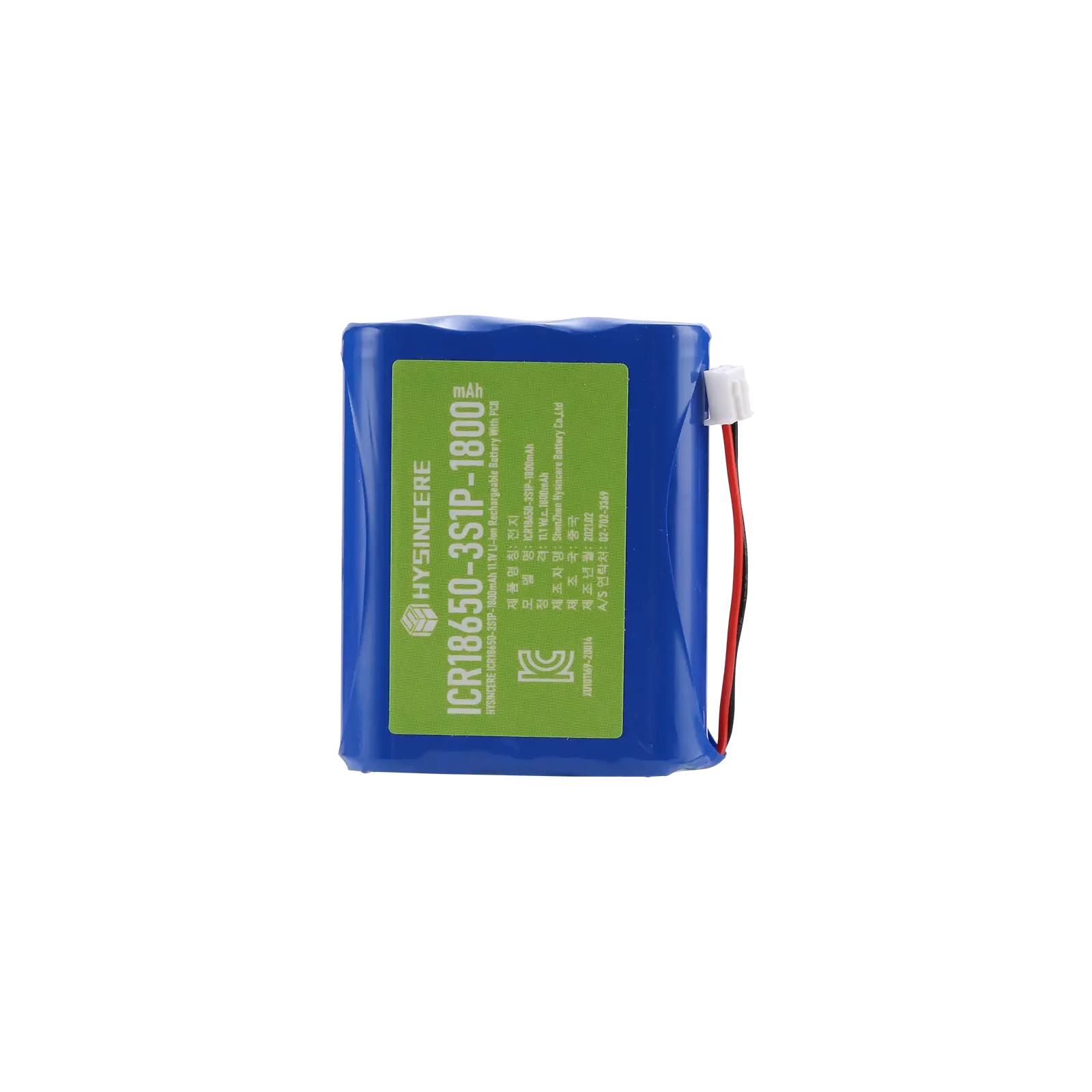
Three-cell series packs with 10.8V and 11.1V nominal configurations. Confirm voltage window, current demand and enclosure limits.
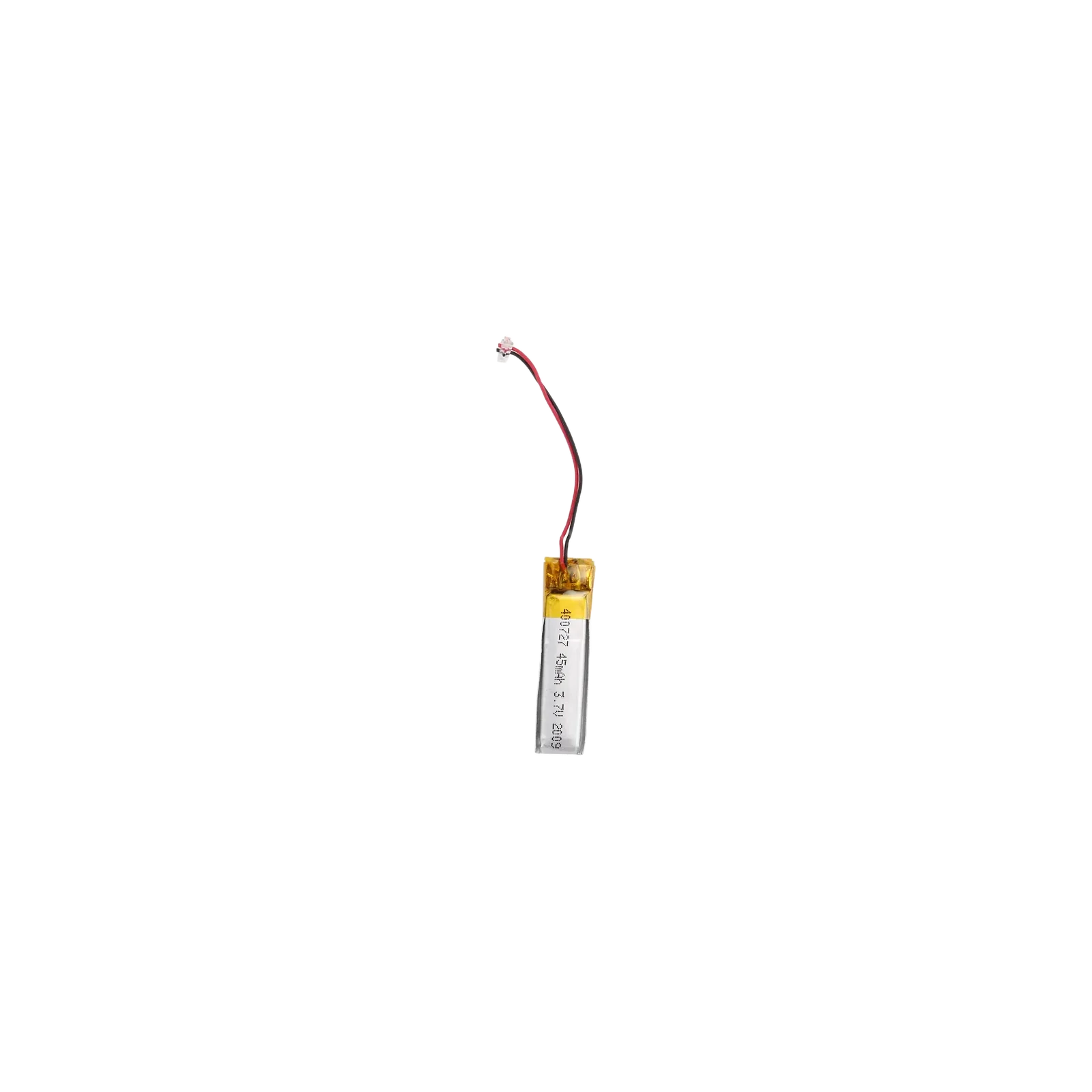
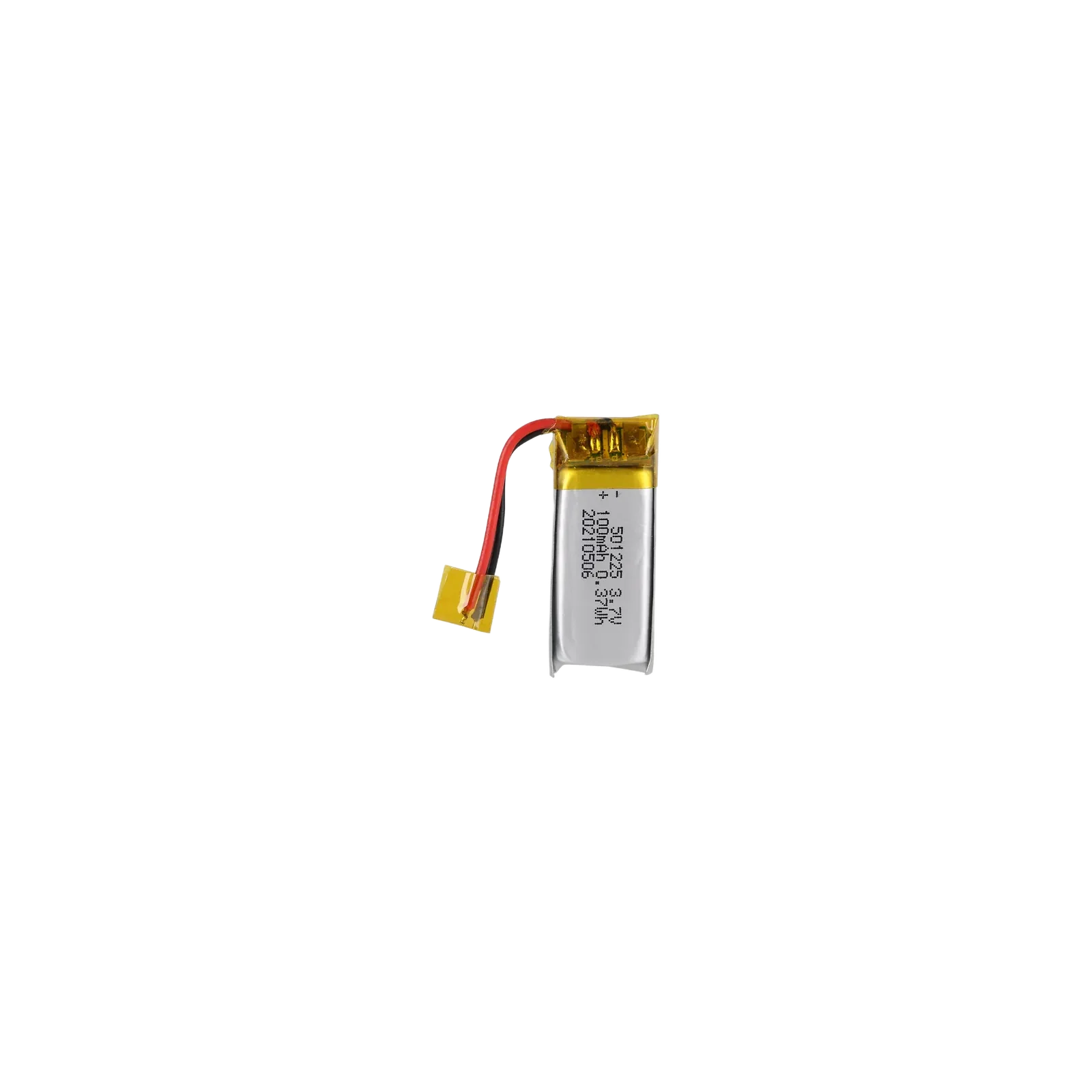
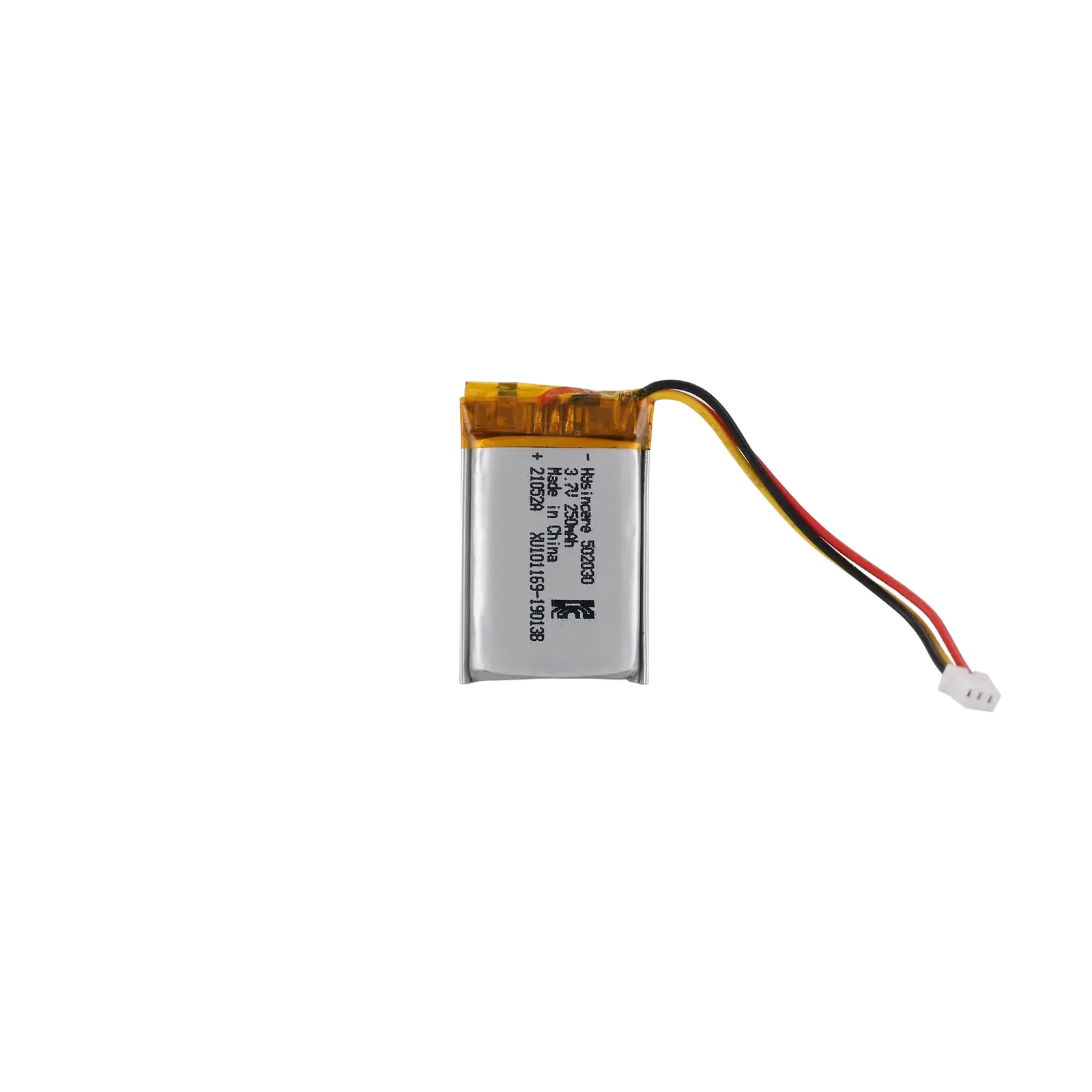
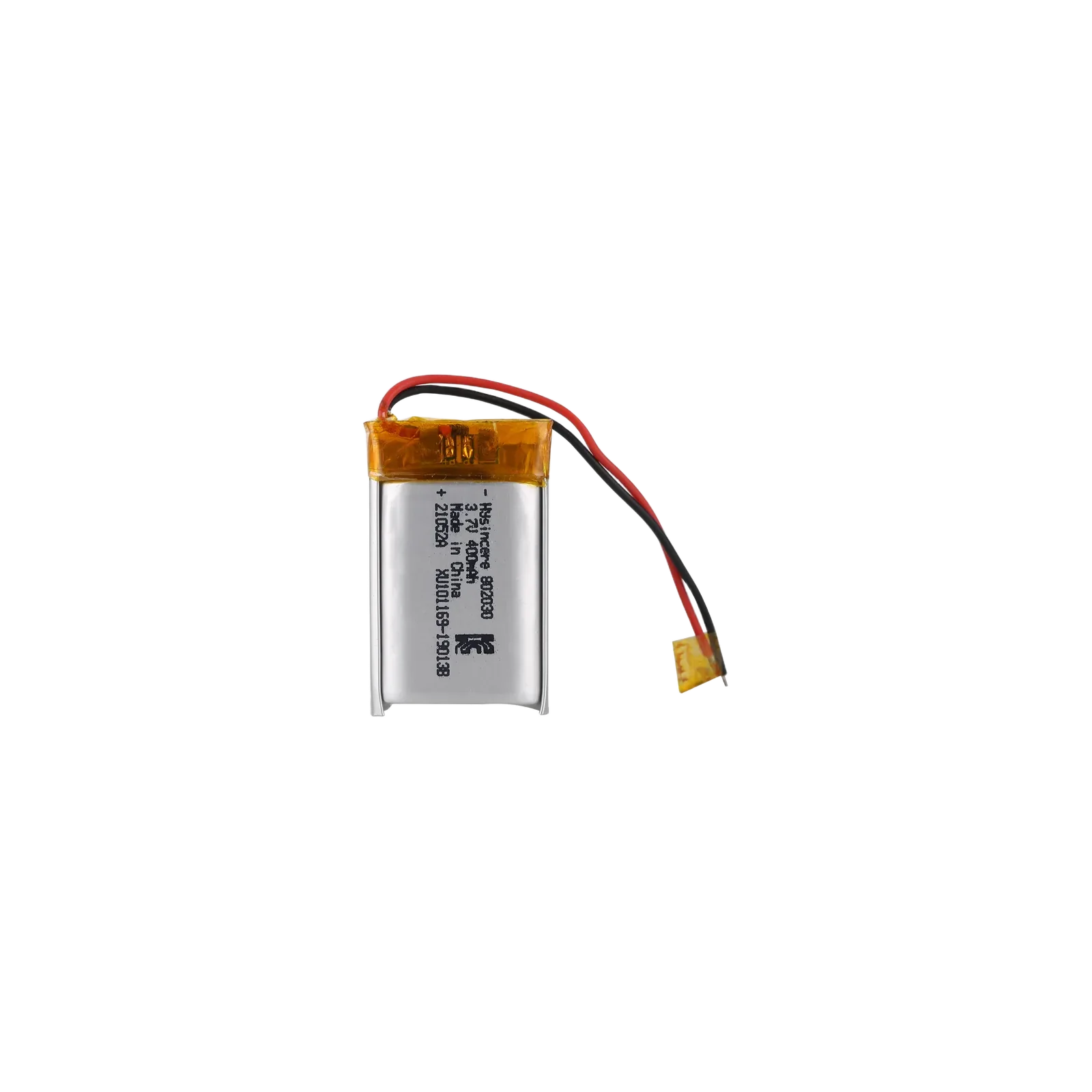
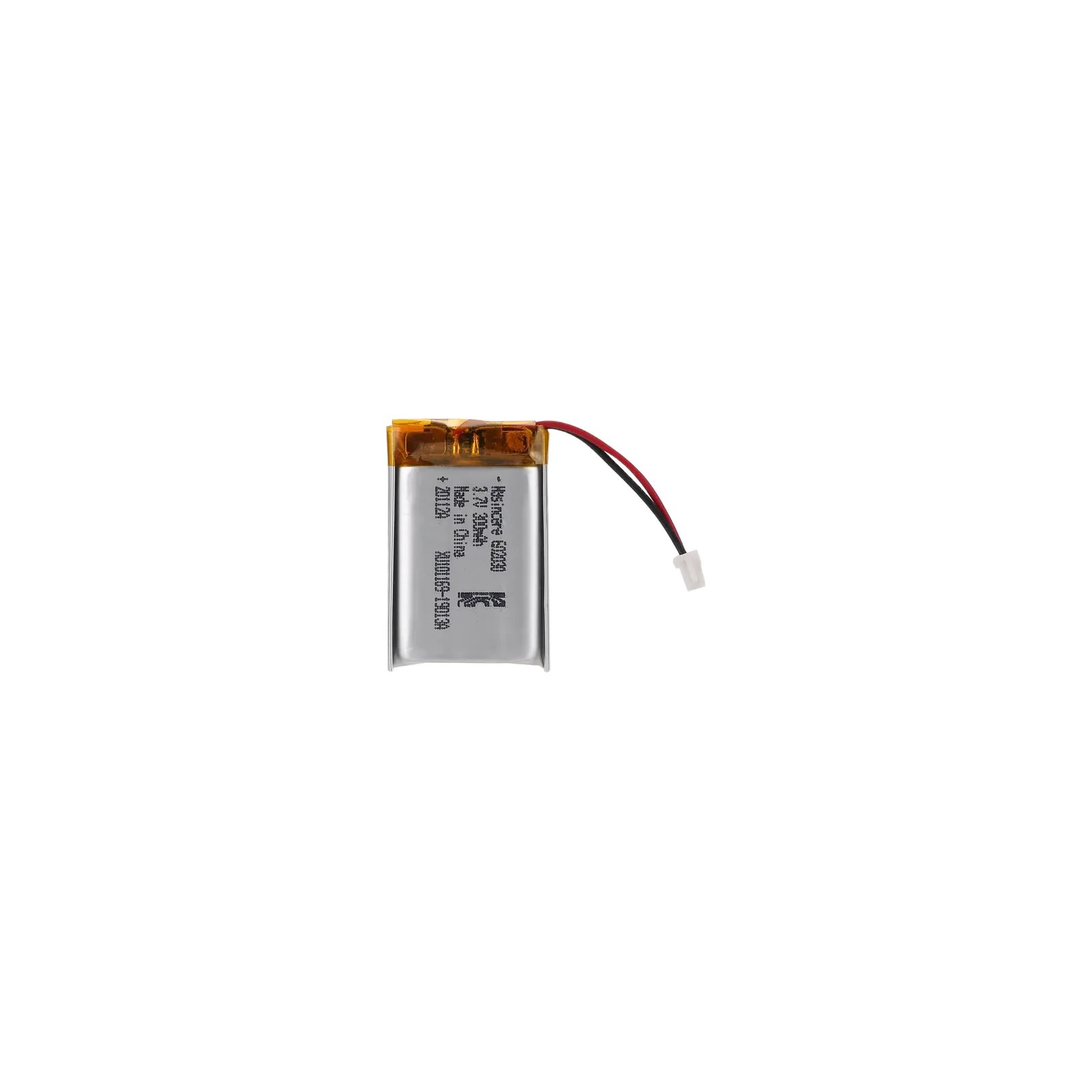
Thin lithium-polymer pouch packs for compact devices where available footprint, thickness, lead arrangement and protection design drive selection.
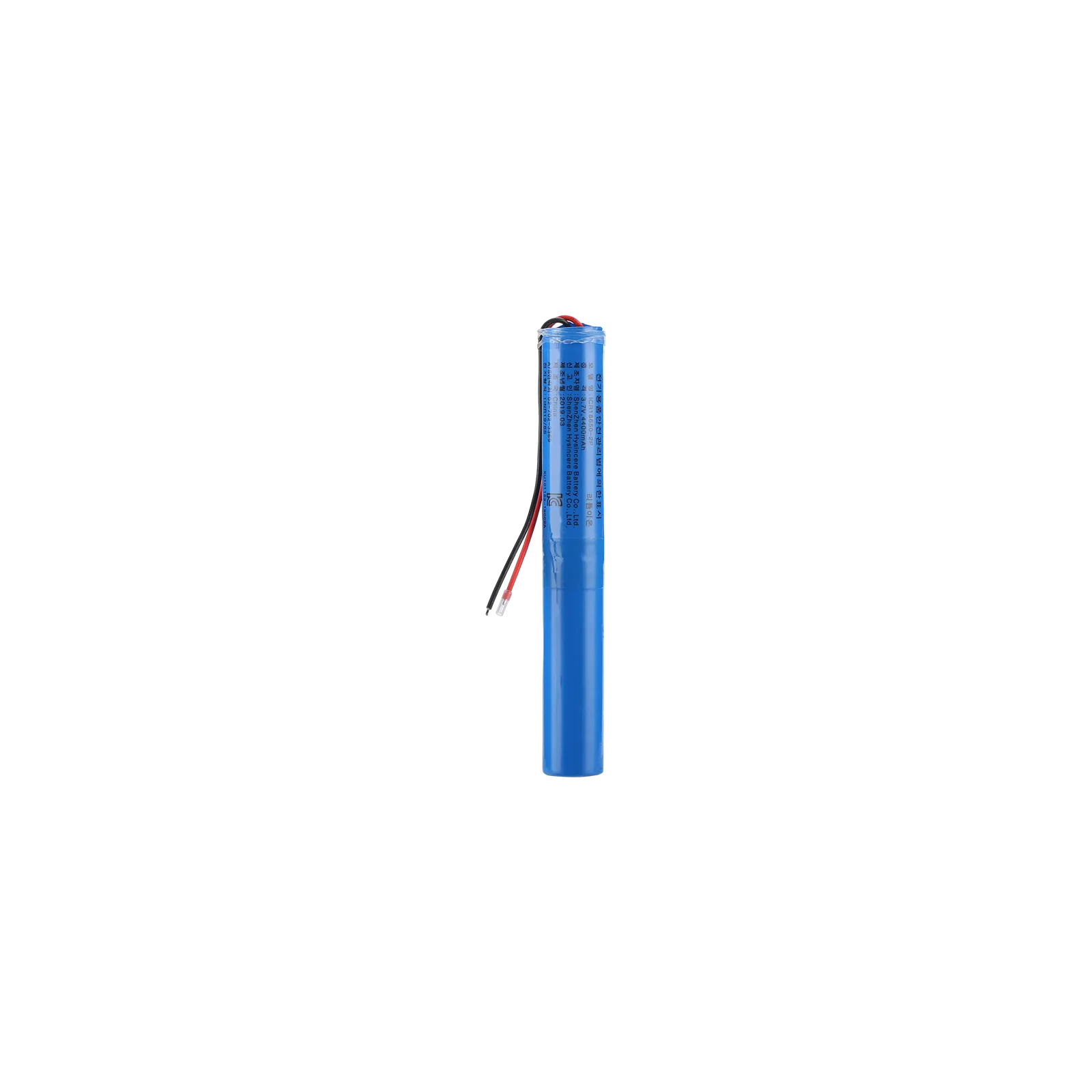
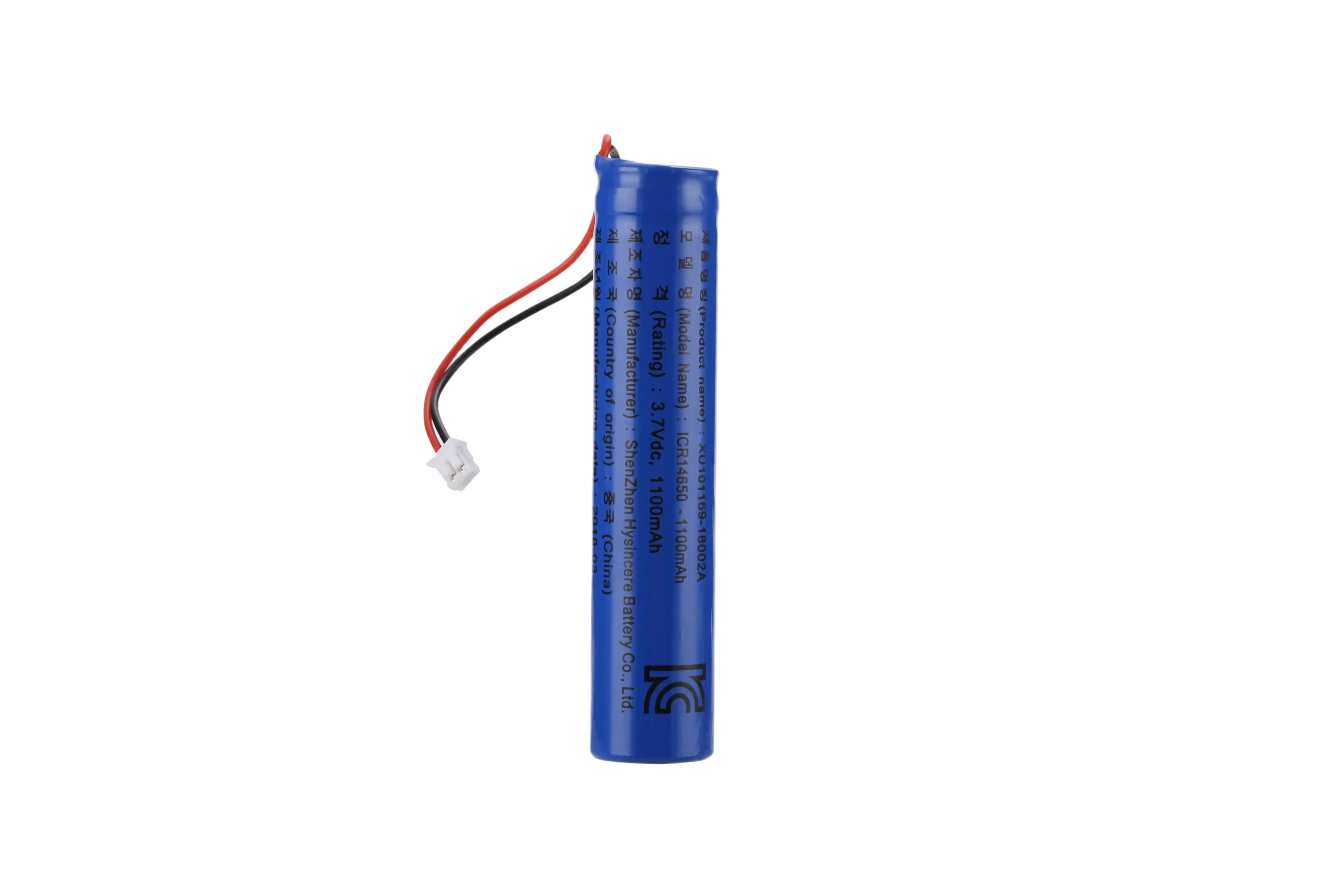
Wired 14650 single-cell lithium-ion battery packs for compact device integration. Confirm connector, wire length, polarity and installation space for the exact model.
用串并联、电压、容量、端子和线束定义快速缩小产品范围。
S 决定电压,P 主要影响容量和可供电流。相同电芯下,2S 的标称电压约为 1S 的两倍,3S 约为三倍;1S2P 保持单串电压但容量约为单颗的两倍。选择时先匹配设备电压,再匹配容量和负载。
看设备连接方式。电池仓通过弹片直接接触时选择与尺寸、正负极高度相匹配的纽扣头结构;设备内部通过插座连接时,需要确认带线型号的连接器、极性、线长、线径和出线方向。
先计算平均电流,而不是只看设备最大功率。把待机、工作和峰值阶段按各自占用时间加权,得到平均电流,再用“所需容量 Ah ≈ 平均电流 A × 目标时间 h”估算,并增加老化、温度和转换损耗余量。

不能仅凭标称电压通用。需要核对电芯体系、最高充电电压、允许电流、保护板、温度检测、连接器和极性;设备的充电管理芯片也必须适用于具体电池。
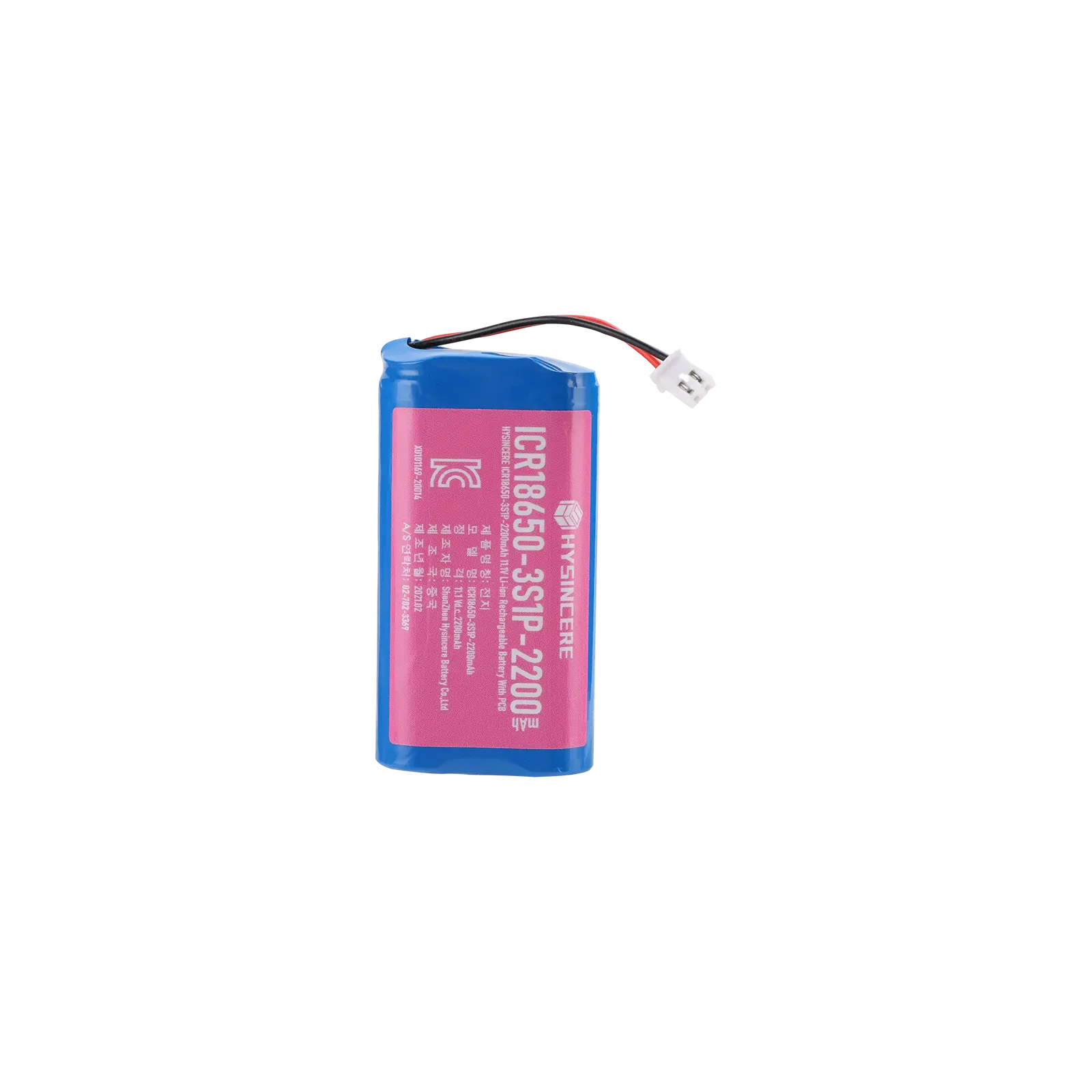
提供实物样品或完整图纸最可靠。至少注明连接器品牌和料号、针位定义、极性、线材规格、长度公差、出线方向、是否需要热缩管或应力保护,以及样品数量和拉力测试要求。
联系我们