Home > Energy storage batteries > Sodium Ion Energy Storage Battery Series
Energy Storage Batteries
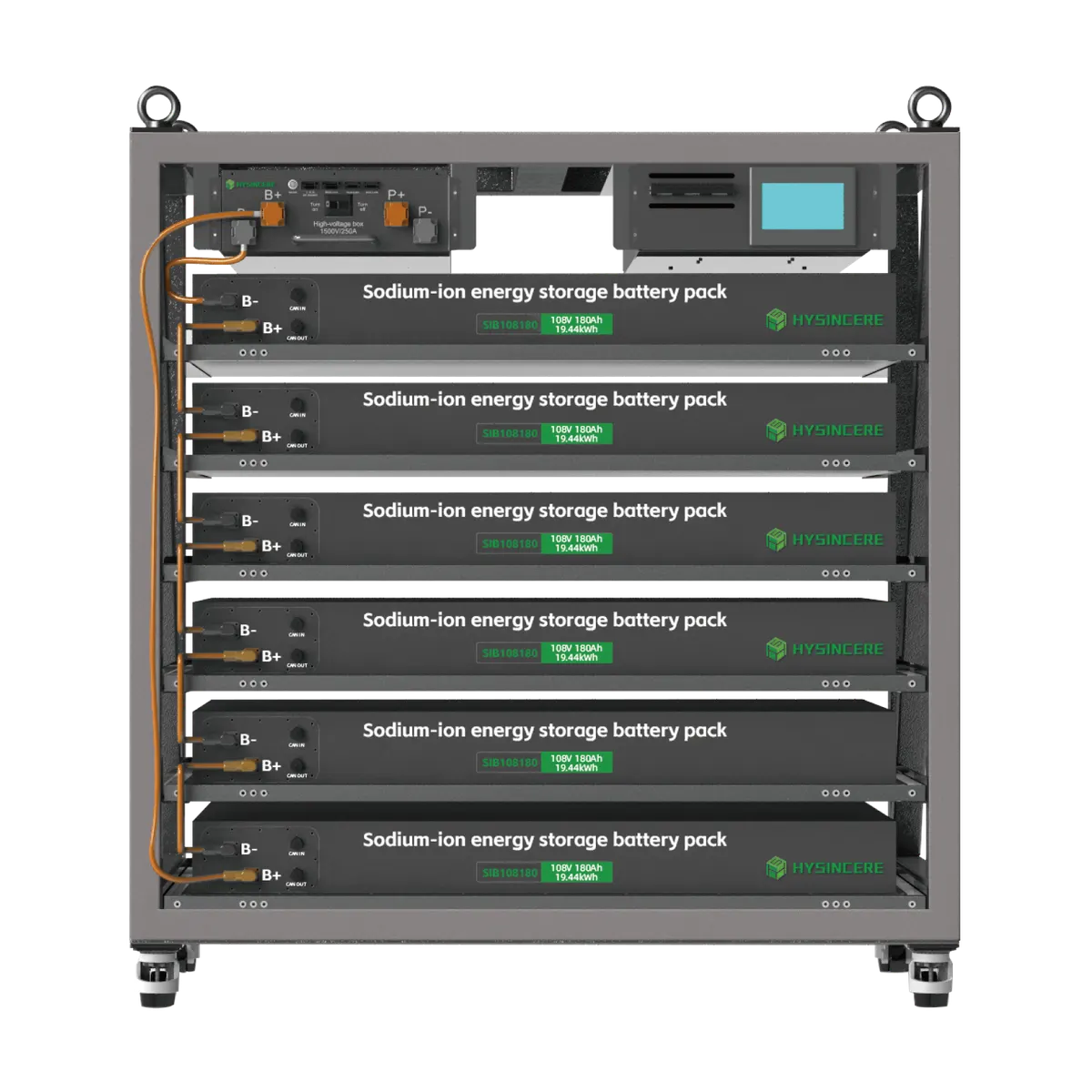
A high-voltage sodium-ion battery option for stationary energy storage projects. The SIB-HV35 is listed at 576V, 60Ah and 34.56kWh; integration must be reviewed against the inverter or DC bus, load profile, installation environment and project specification.
1
System
576V
Nominal voltage
34.56kWh
Rated energy
Sodium Ion Energy Storage Battery Series
Selection guide
High-voltage storage selection starts with the inverter or DC-bus operating window, charge and discharge limits, load profile, site layout and required control interface. Use the approved SIB-HV35 datasheet and engineering review before system integration.
Confirm nominal voltage, usable capacity, continuous load, peak demand and charging limits.
Check enclosure space, mounting, terminals, connectors, cable routing and service access.
Share application, environment, quantity, compliance and integration requirements with engineering.
Products
Compare the available models below, then open a product page for detailed specifications and project matching.
SIB-HV35 high-voltage sodium-ion energy storage system.
Guidance on product selection, application fit and project requirements for this category.
Its headline ratings are 576V, 60Ah and 34.56kWh. For initial comparison, also check the 384–758.4V operating range, recommended and nominal current, usable energy, communication, dimensions and weight. The 34.56kWh rating alone is not enough to determine suitability.

Compare the full voltage window, not only the 576V nominal rating. Check the inverter’s minimum and maximum battery voltage, continuous and peak charge/discharge current, pre-charge method, contactor control, CAN or RS485 communication, fault handling and approved-battery requirements.
Divide usable energy by average load. Use runtime in hours ≈ usable energy in kWh ÷ average load in kW. For example, 30kWh of usable energy supporting a 10kW average load gives about three hours before allowing for inverter losses, load variation and reserve energy.
First confirm that the equipment can be delivered, positioned and serviced safely. Provide floor-loading capacity, door and access dimensions, equipment footprint, service clearances, cable routes, grounding, ambient temperature, humidity, altitude, enclosure-rating requirements and the planned fire-safety and isolation measures.
Provide the inverter model, DC voltage window, continuous and peak power, load profile, target charge/discharge duration, cycles per day, communication protocol, grid-connected or off-grid mode, site conditions and destination market. High-voltage wiring, protection and commissioning must be handled by appropriately qualified personnel.
Contact Us