Home > Consumer Batteries > Medical Battery
Consumer Batteries
Lithium battery packs for medical-equipment integration projects. Selection depends on the equipment's electrical, mechanical, service and applicable regulatory requirements.
7
Products
10.8–14.8V
Nominal voltage range
2.2–6Ah
Capacity range
Battery Packs for Medical Equipment
Selection guide
Define the device voltage window, current profile, backup or runtime target, charging method, enclosure and replacement procedure. Confirm required model documents and complete-device compliance for the intended use and destination market.
Confirm nominal voltage, usable capacity, continuous load, peak demand and charging limits.
Check enclosure space, mounting, terminals, connectors, cable routing and service access.
Share application, environment, quantity, compliance and integration requirements with engineering.
Products
Compare the available models below, then open a product page for detailed specifications and project matching.
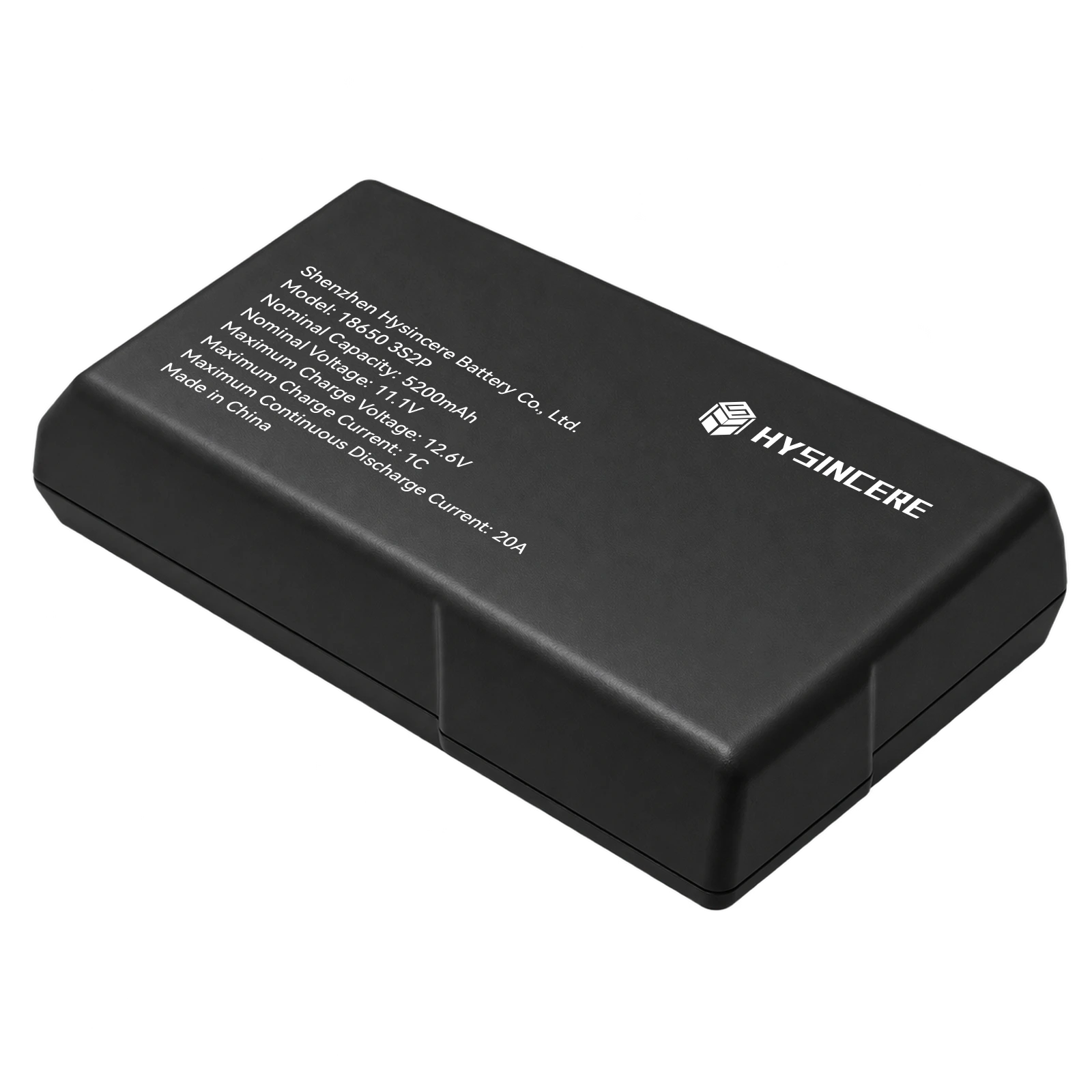
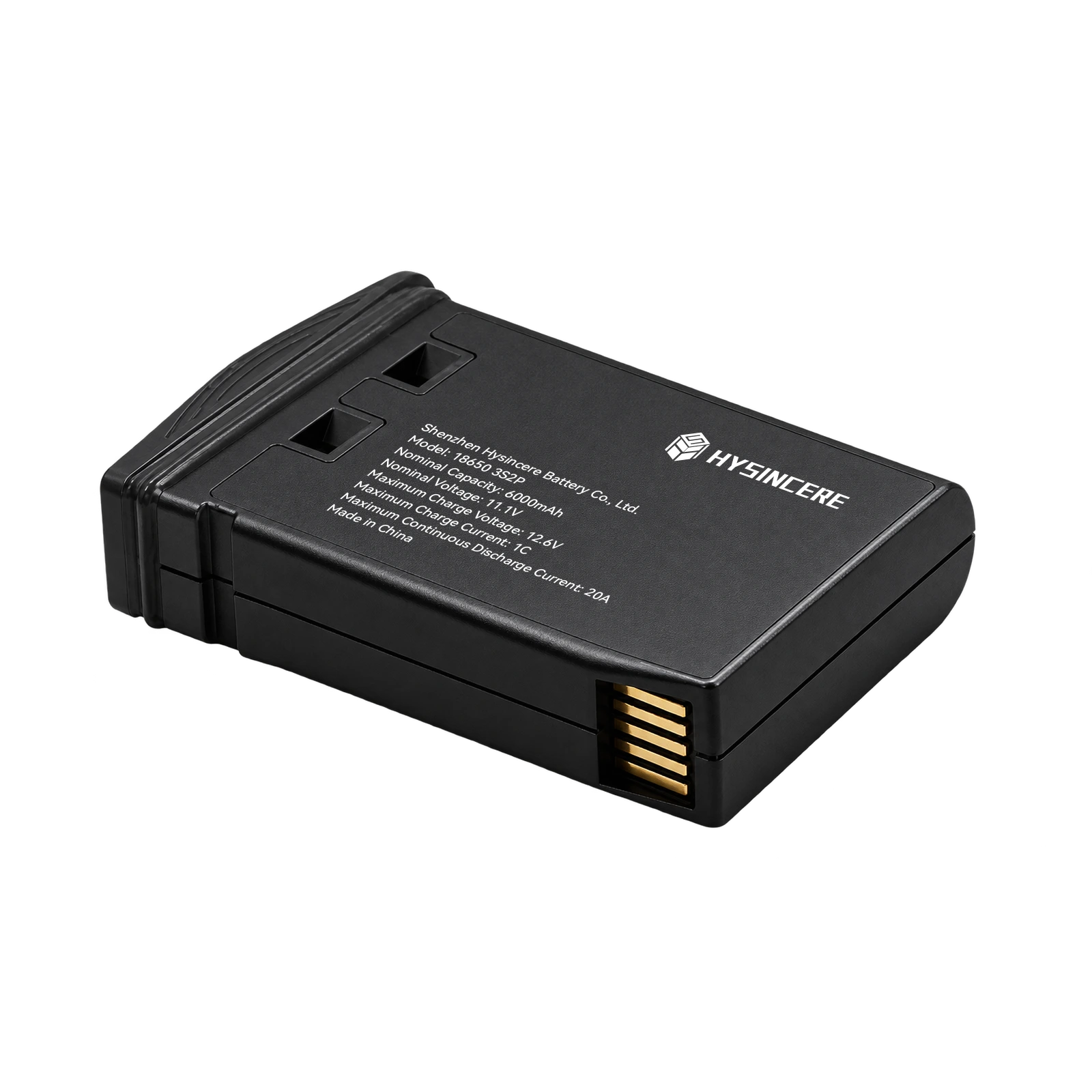
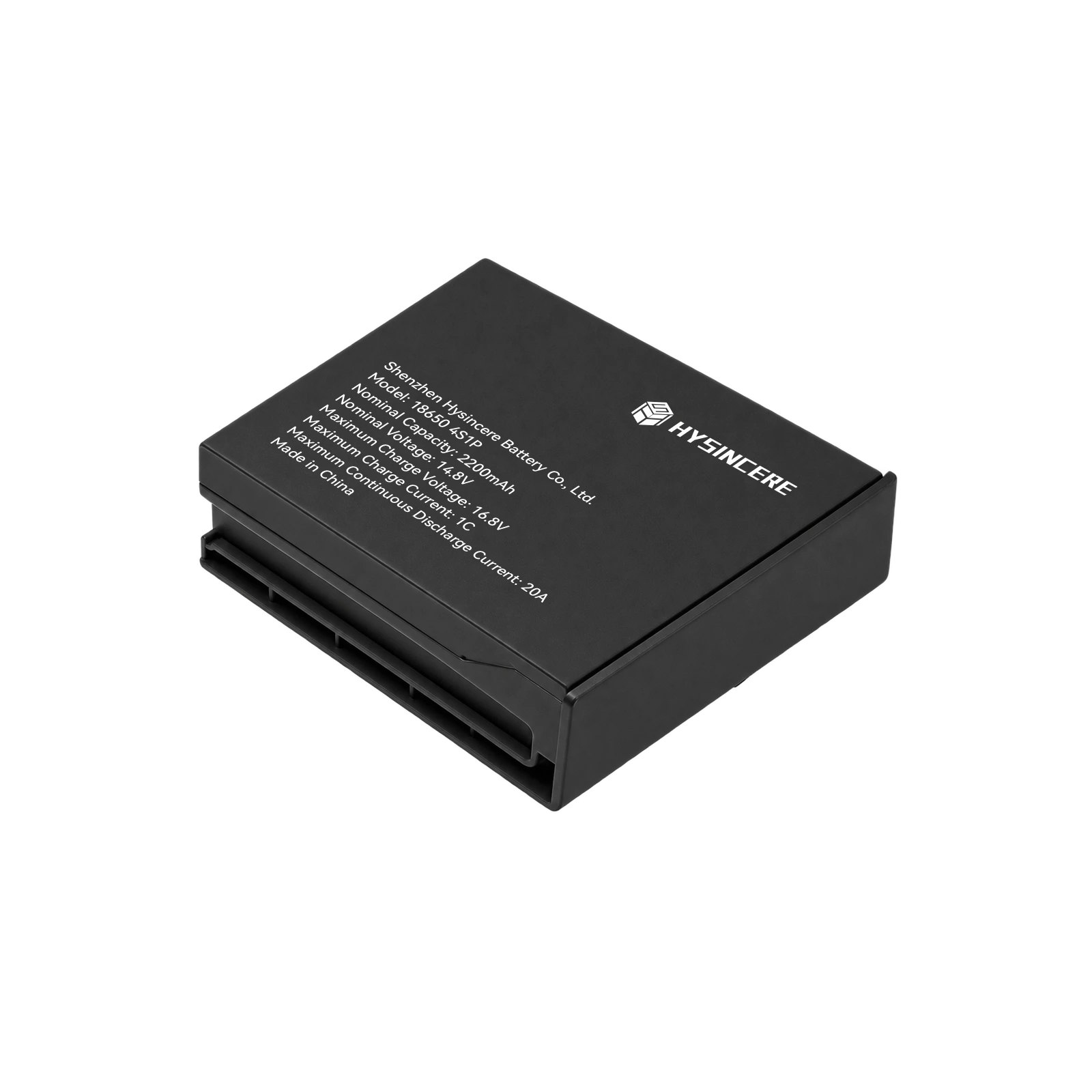
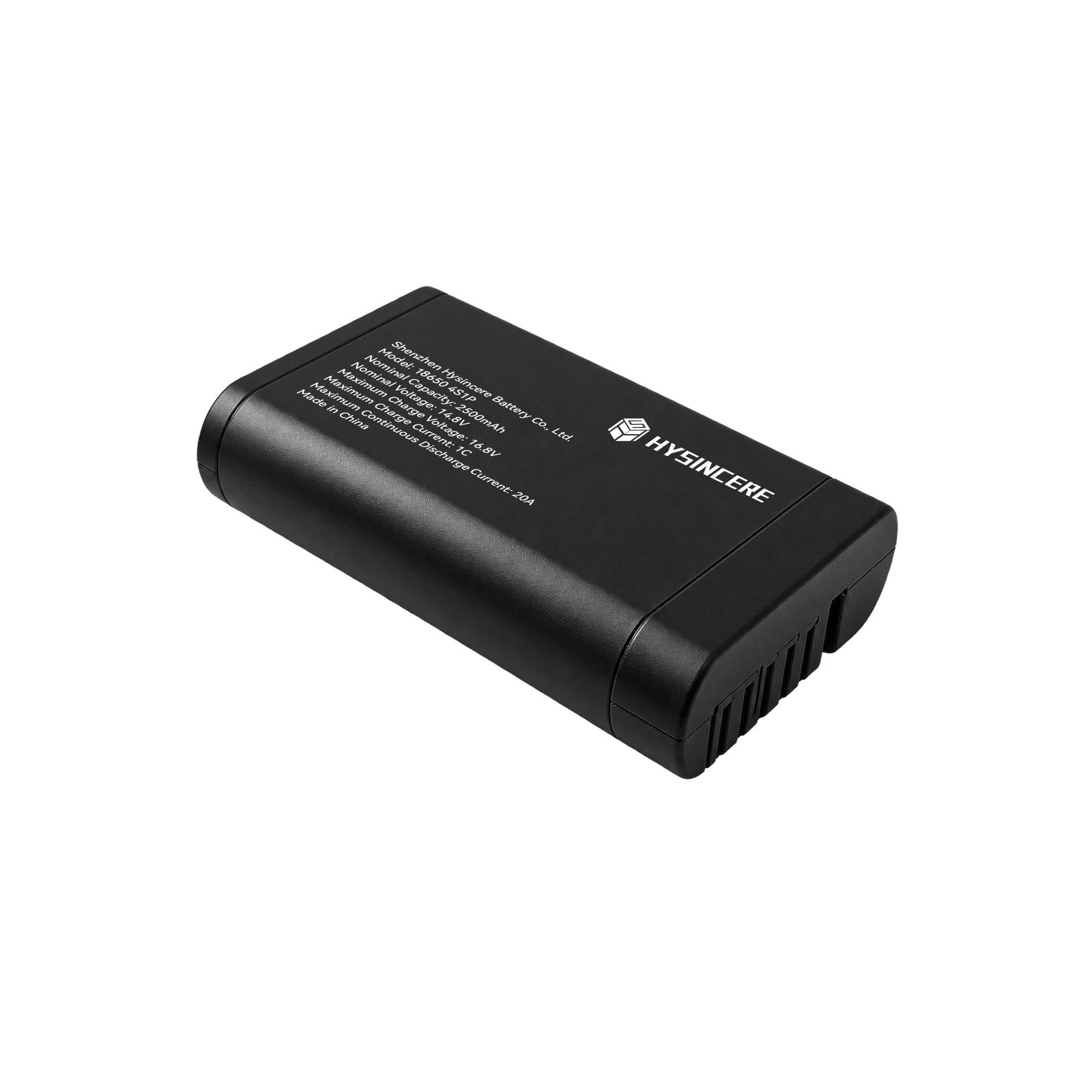
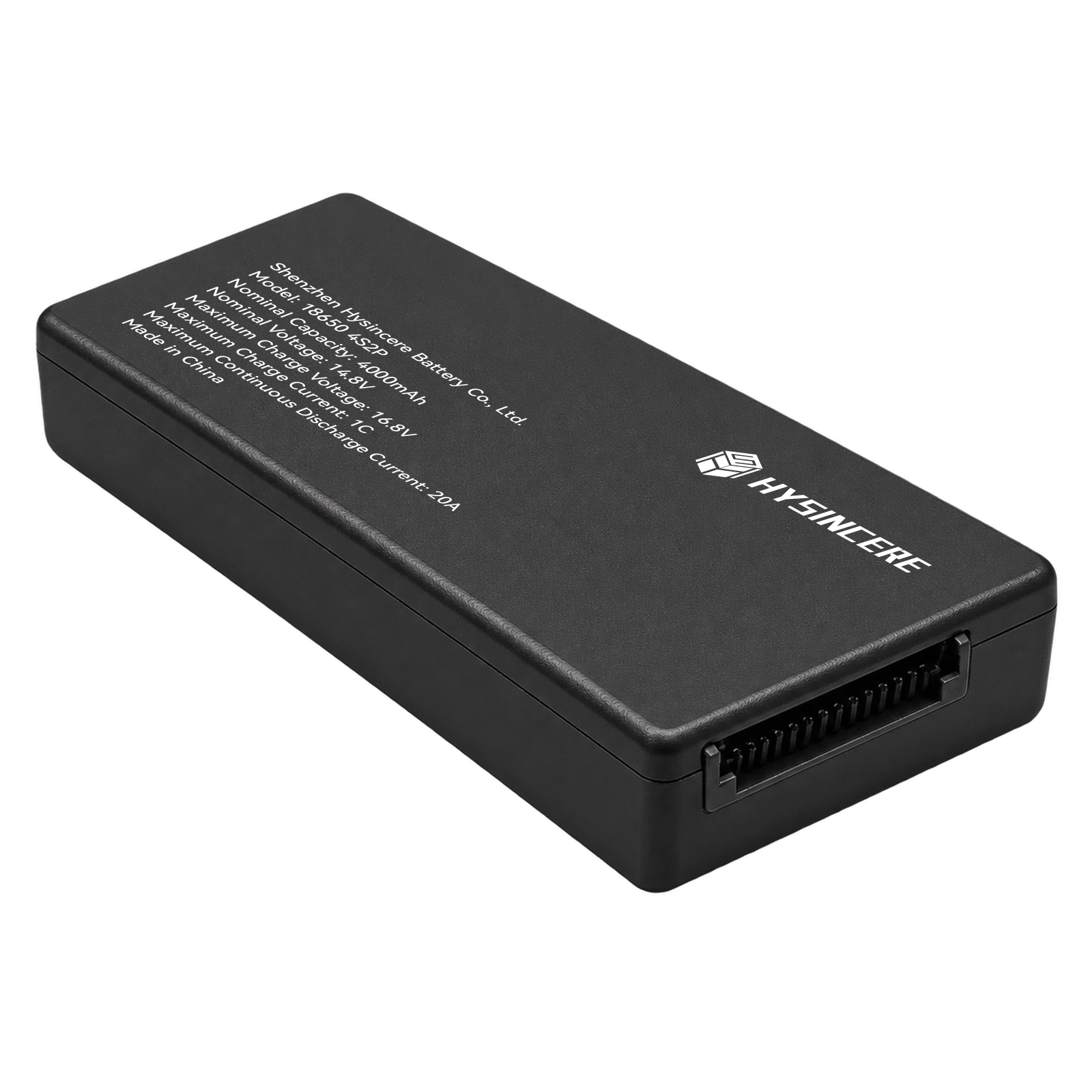
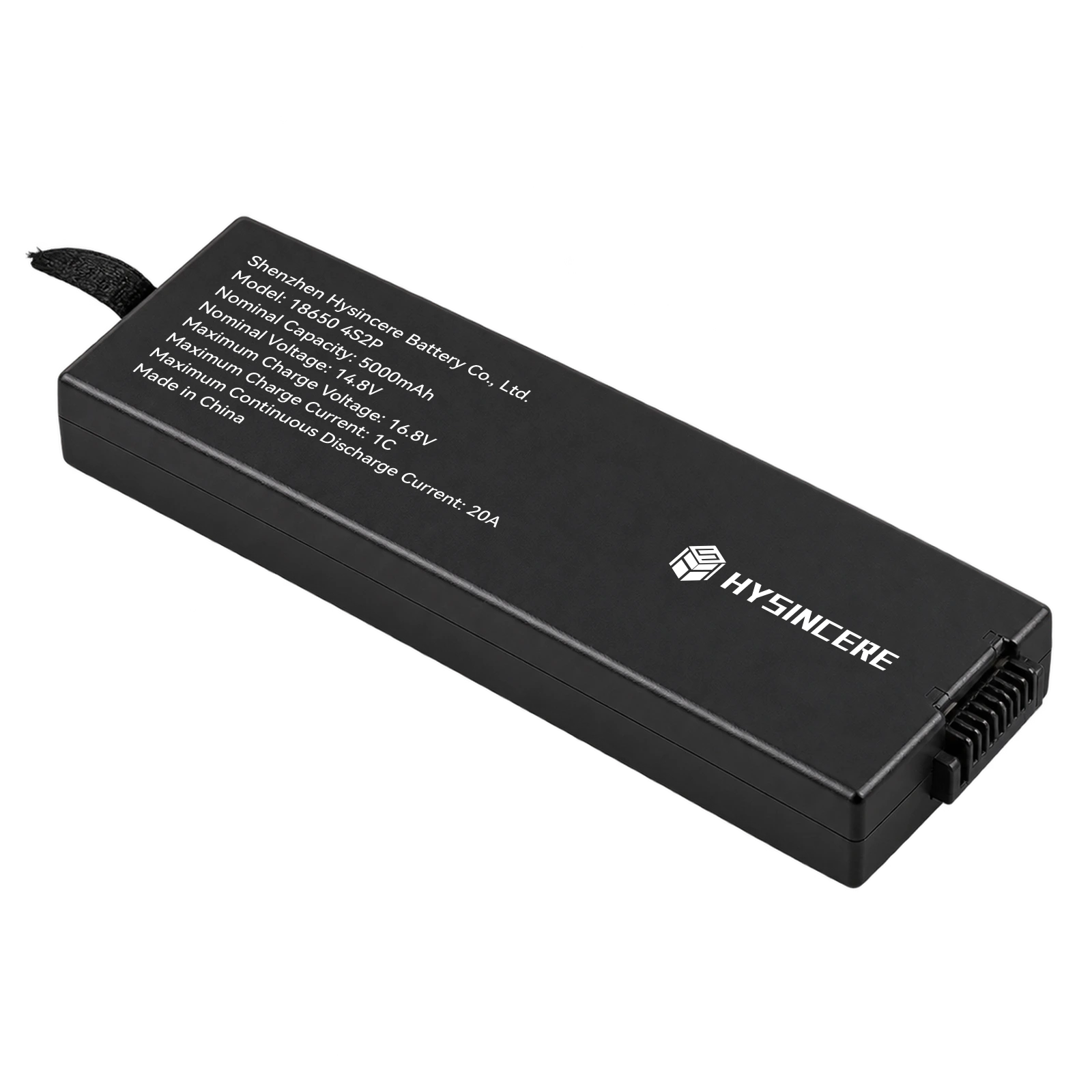
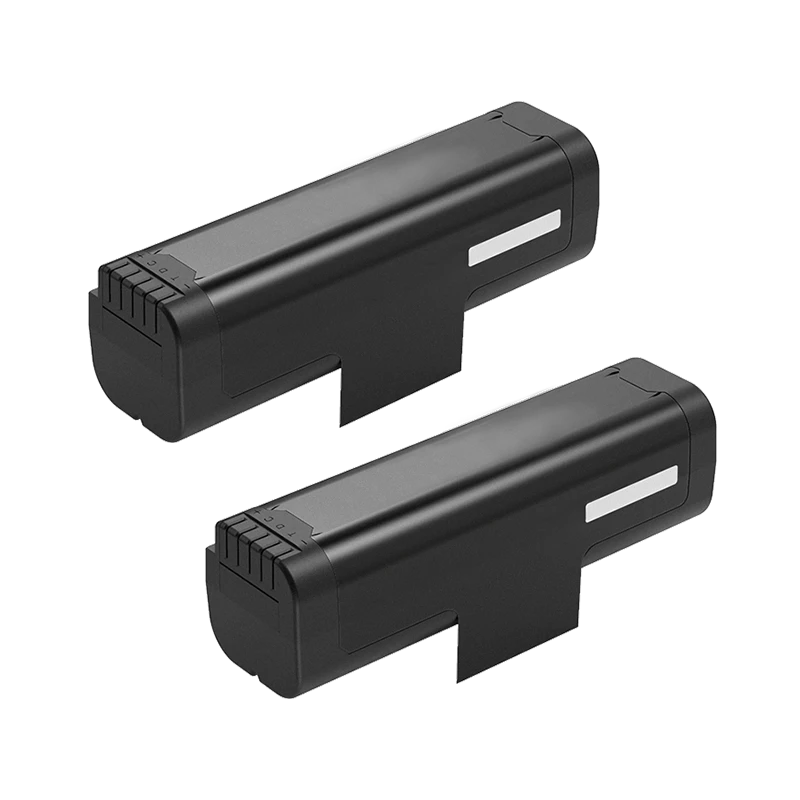
Lithium battery-pack options for medical-equipment integration, organized by voltage, capacity and pack format.
Guidance on product selection, application fit and project requirements for this category.
Compare the full operating-voltage range rather than only the 10.8V, 11.1V or 14.8V label. Check device minimum and maximum input voltage, startup and alarm thresholds, charger, protection cut-off and permitted voltage drop during battery switchover.

Calculate the worst operating mode first, then run a complete-device discharge test. List average and peak power for pumps, displays, heaters, alarms and communication, divide usable Wh by average watts for an estimate, and verify actual runtime to the device’s low-battery alarm and shutdown thresholds.
Have the device compliance owner define the document list first. Typical inputs may include the specification, material or safety information, transport-test documentation, batch traceability, manufacturing-system documents and project-specific test records. Do not treat general catalog certification statements as evidence for every model.
Prioritize error-proof connection and the service procedure. Define keyed connector, polarity, locking, mating-cycle life, hot-swap requirements, cleaning-agent exposure, labeling, serial traceability and device self-check after replacement. If uninterrupted switchover is required, specify the hold-up time.
No. Battery documentation supports the device assessment but does not replace it. The device manufacturer must evaluate intended use, device classification, destination market, charging system, enclosure, temperature rise and risk management. List the exact required standards and reports in the project specification.
Contact Us