Match the vehicle’s existing electrical platform; do not choose voltage based on capacity. Read the nominal and maximum operating voltage from the controller, original battery and charger labels. Compare capacity only after the battery voltage window, controller input range and charger output range all match.
Energy Storage Batteries
Lithium Golf Cart Batteries
LiFePO4 batteries for golf carts and low-speed electric vehicles, with options for vehicle manufacturers and battery upgrade projects.
Home > Energy Storage Batteries > Lithium Golf Cart Batteries
Selection guide
Match the vehicle platform before comparing capacity.
Confirm the vehicle’s nominal voltage and controller limits first. Then compare capacity, continuous and peak load, charger settings, mounting space, cable and terminal layout, communication requirements and service access for the exact model.
Electrical fit
Confirm nominal voltage, usable capacity, continuous load, peak demand and charging limits.
Mechanical fit
Check enclosure space, mounting, terminals, connectors, cable routing and service access.
Project review
Share application, environment, quantity, compliance and integration requirements with engineering.
Products
Batteries for your golf cart
Match the battery voltage to the vehicle, then compare capacity, controller demand and charger requirements.
Lithium Golf Cart Batteries
The range covers 51.2V and 76.8V models from 65Ah to 150Ah. Check the enclosure dimensions and connections against your vehicle.
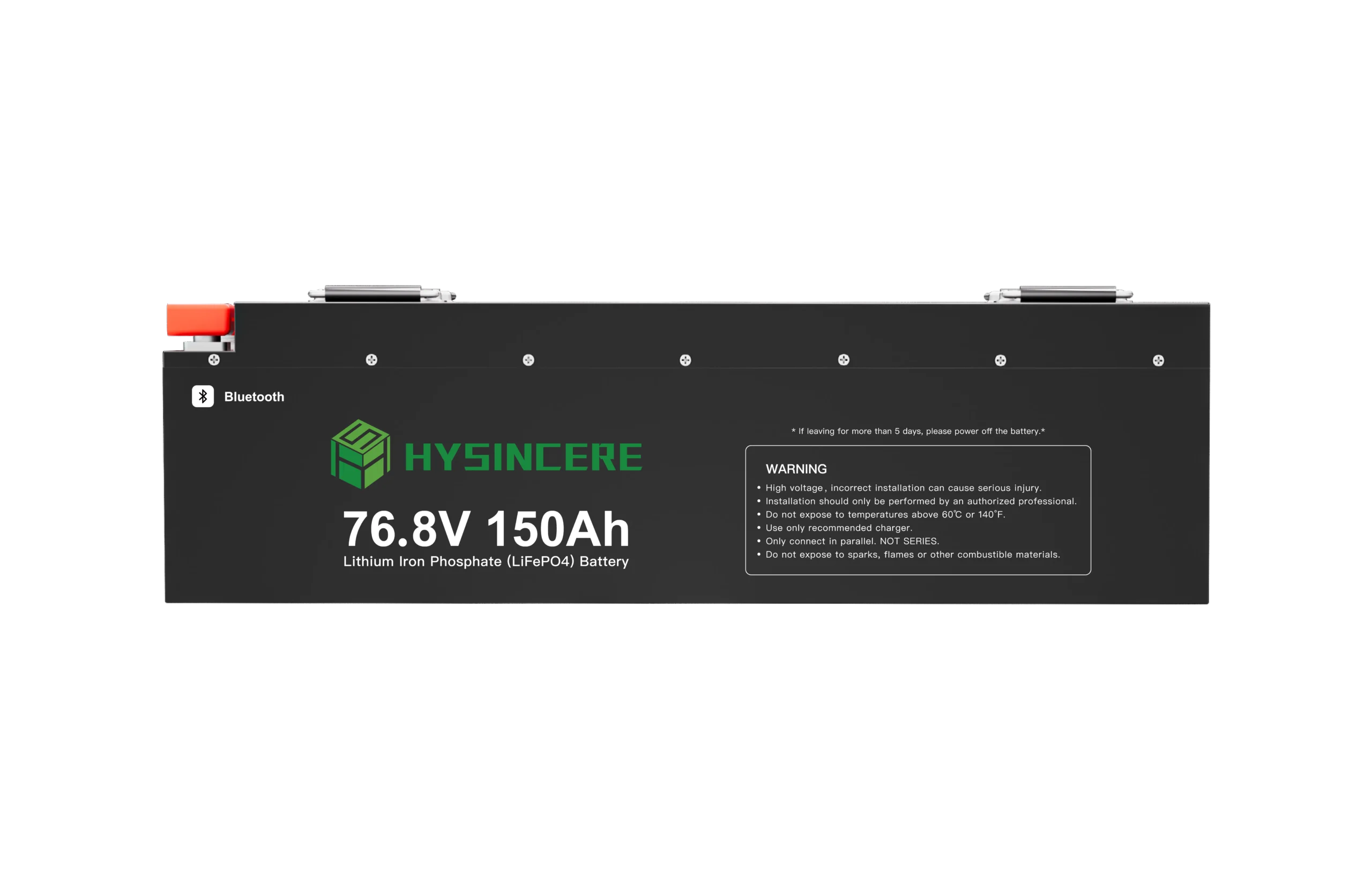
76.8V 150Ah Golf Cart Battery
GF76150N-B
• CAN / RS485 vehicle communication
• IP65-rated enclosure
• Built-in BMS battery protection
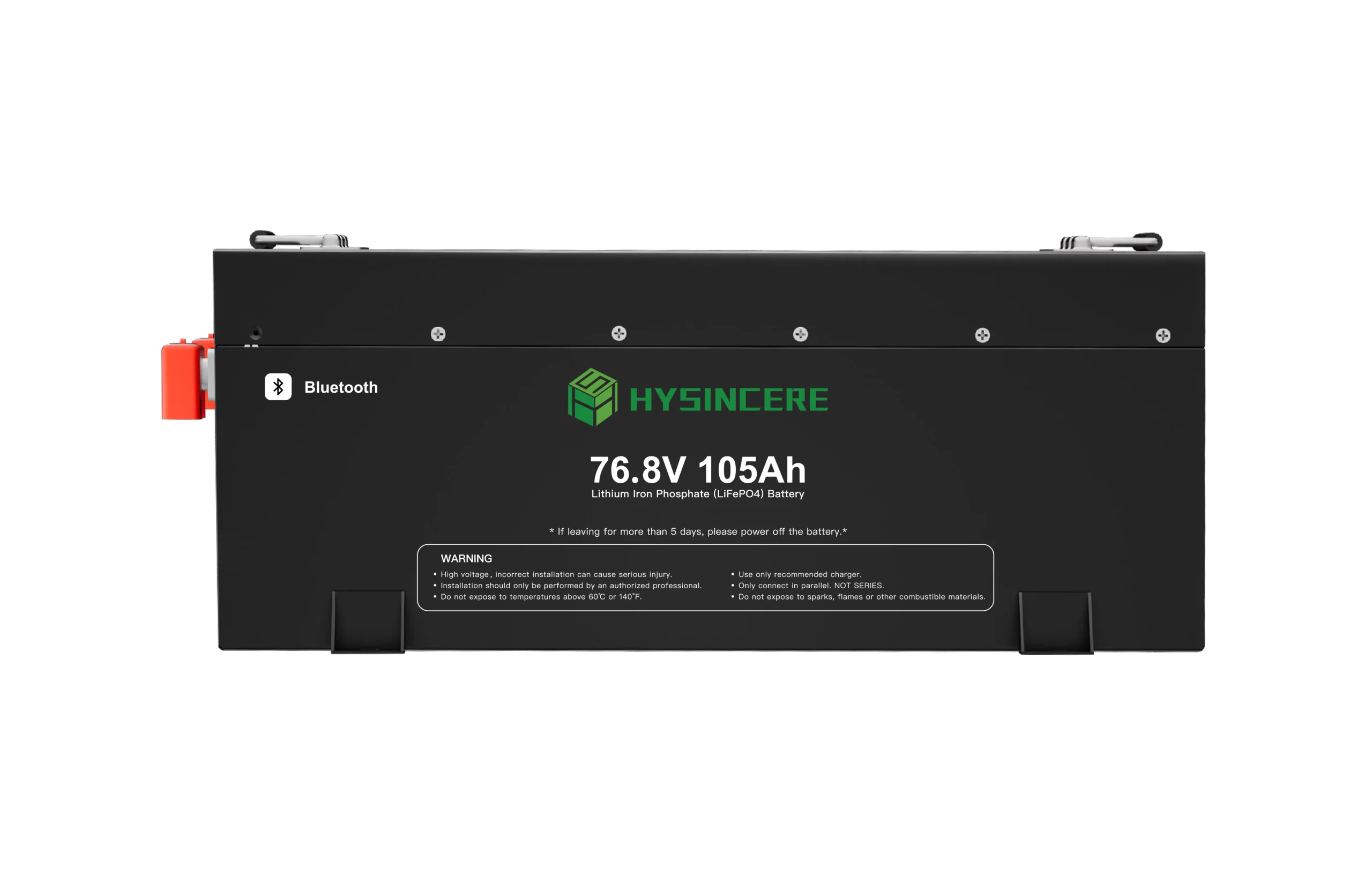
76.8V 105Ah Golf Cart Battery
GF76105N-B
• CAN / RS485 vehicle communication
• IP65-rated enclosure
• Built-in BMS battery protection
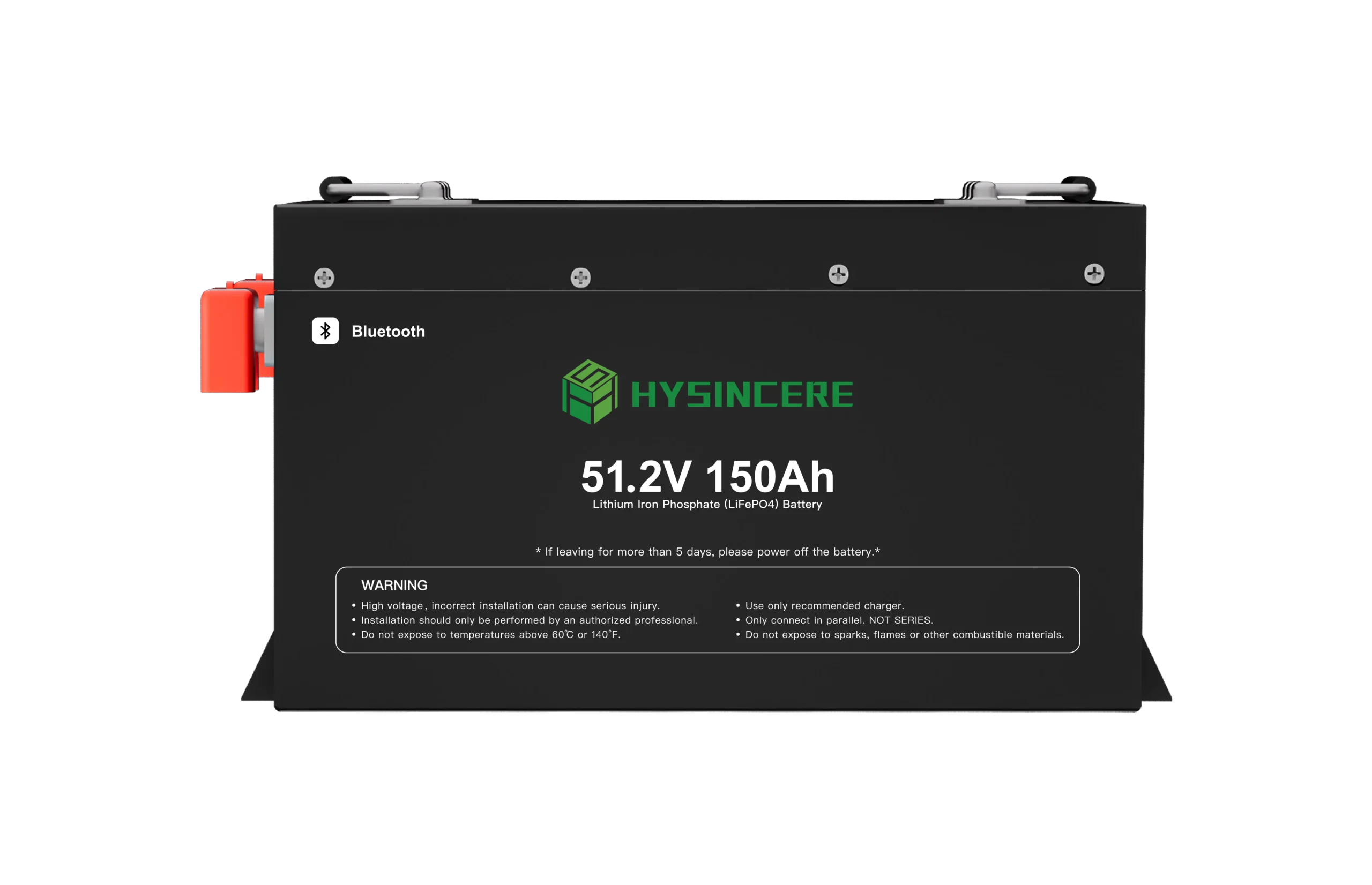
51.2V 150Ah Golf Cart Battery
GF51150N-B
• CAN / RS485 vehicle communication
• IP65-rated enclosure
• Built-in BMS battery protection
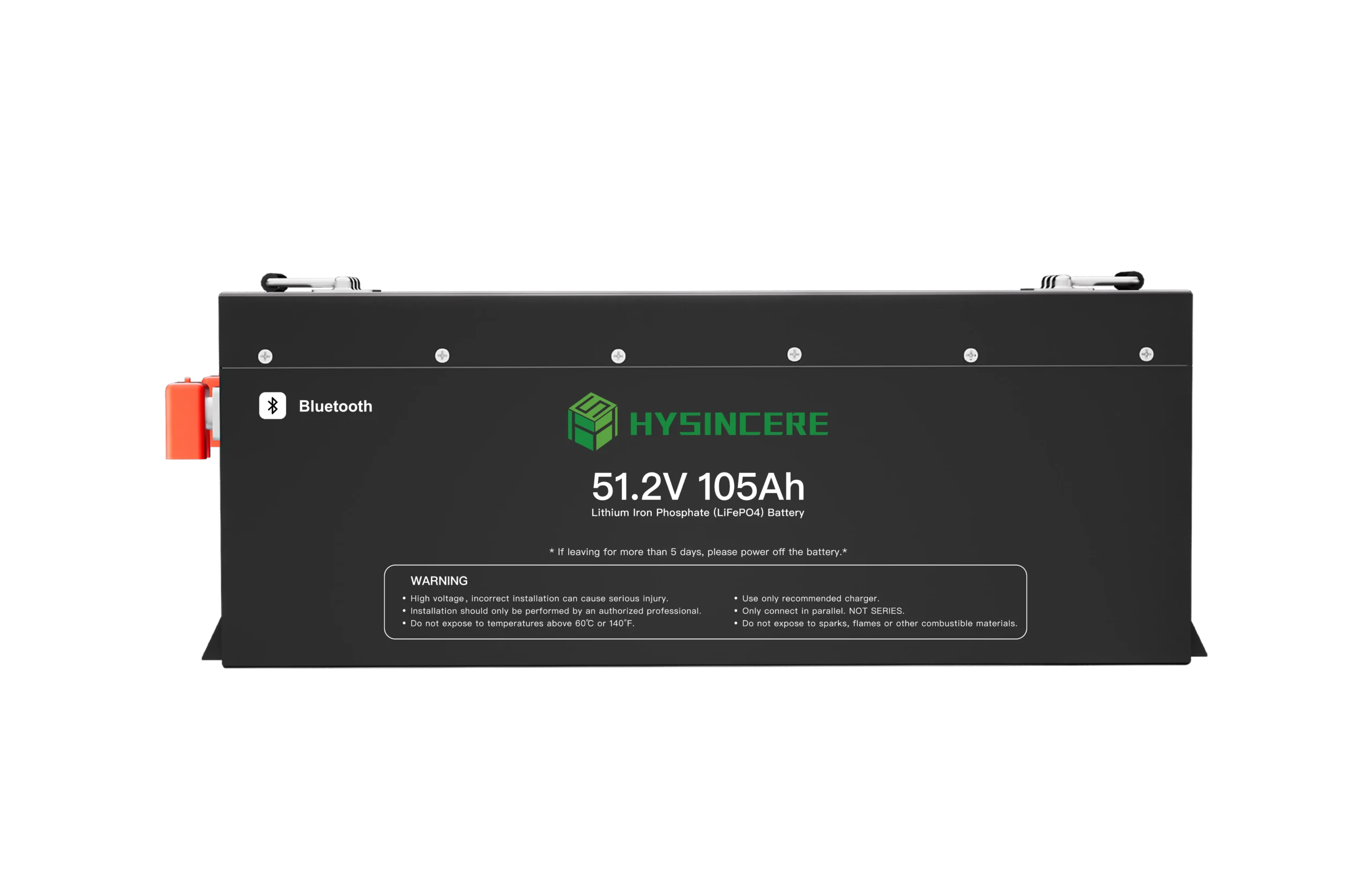
51.2V 105Ah Golf Cart Battery
GF51105N-B
• CAN / RS485 vehicle communication
• IP65-rated enclosure
• Built-in BMS battery protection
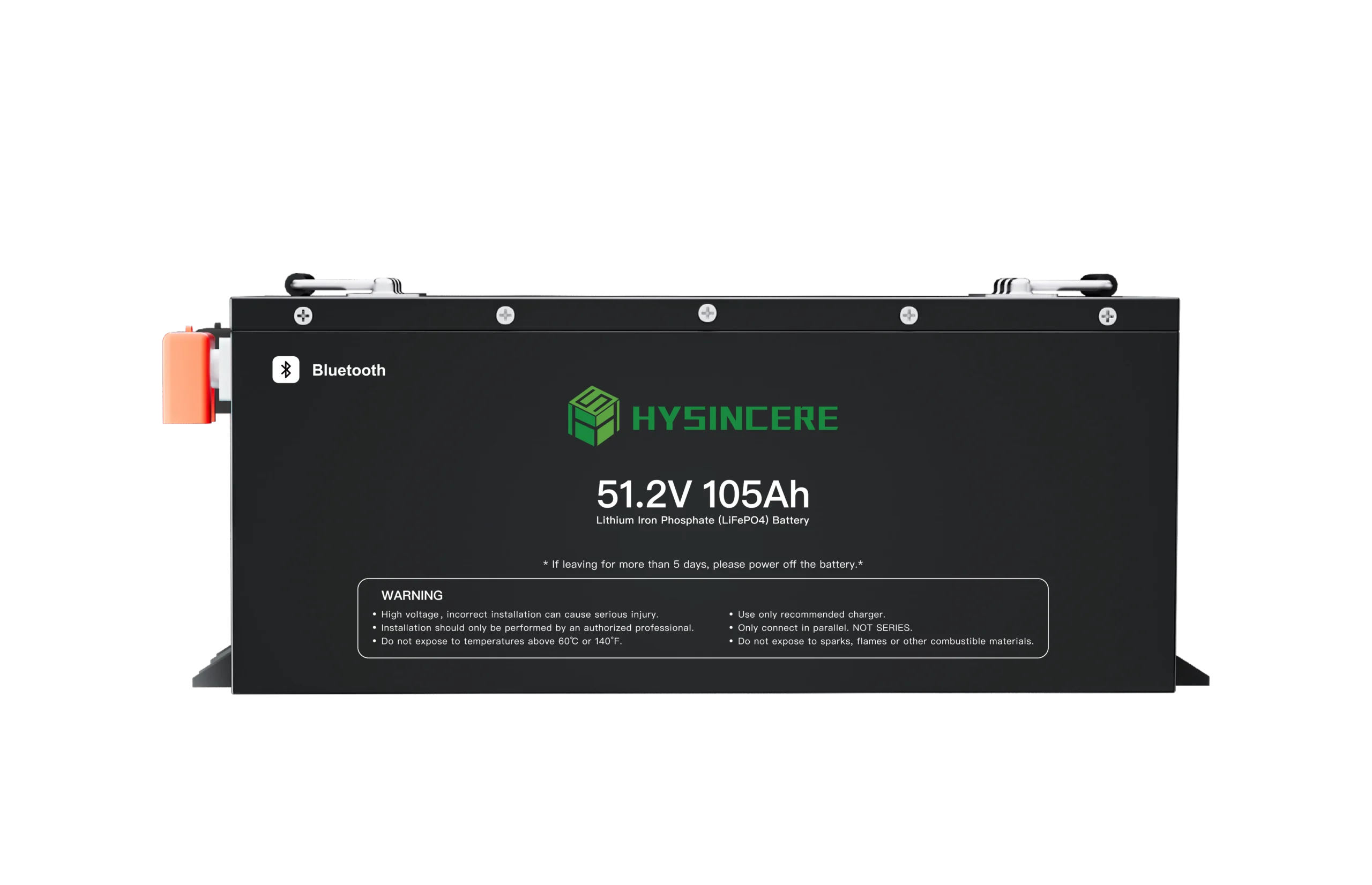
51.2V 105Ah Golf Cart Battery
GF51105N-BW
• CAN / RS485 vehicle communication
• IP67-rated enclosure
• Built-in BMS battery protection
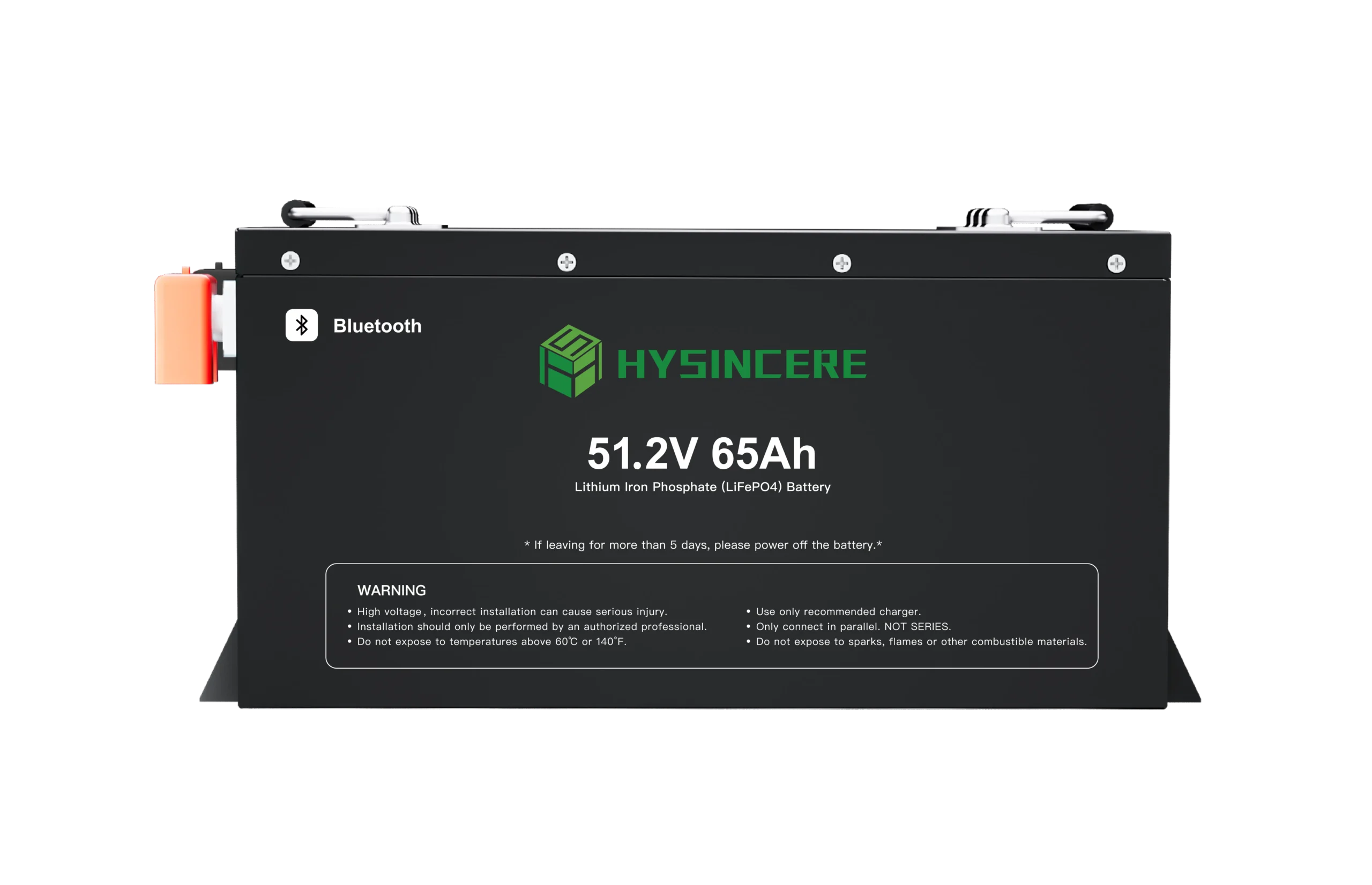
51.2V 65Ah Golf Cart Battery
GF5165N-B
• CAN / RS485 vehicle communication
• IP65-rated enclosure
• Built-in BMS battery protection
Lithium Golf Cart Batteries FAQs
Choosing battery capacity, checking hill-climbing current, and matching the charger and battery compartment.
Start with actual daily energy consumption. Record route length, payload, gradient, average speed and trips per day, or preferably measure watt-hours used during a full operating shift. If measured data is unavailable, estimate average power multiplied by operating time and add margin for hills, low temperature and aging.
Do not assume compatibility. Check output voltage, maximum current, charging profile, connector and polarity. If charging is communication-controlled, also verify the CAN, RS485 or other interface and its required messages.
Check the controller’s peak current and peak duration. Provide motor power, controller continuous and maximum current, maximum gradient, fully loaded vehicle weight and peak duration. Confirm that the battery BMS, main terminals, cables and fuse can all support the demand.
Measure the battery compartment length, width, height and mounting points. Photograph terminal orientation, cable exits, charge port, display and service openings. Also record the allowable weight, ventilation clearance and whether the vehicle requires state-of-charge display or communication.
Contact Us
Tell Us About Your Battery Project
Share your battery requirements with us, and our team will help you find the right solution.