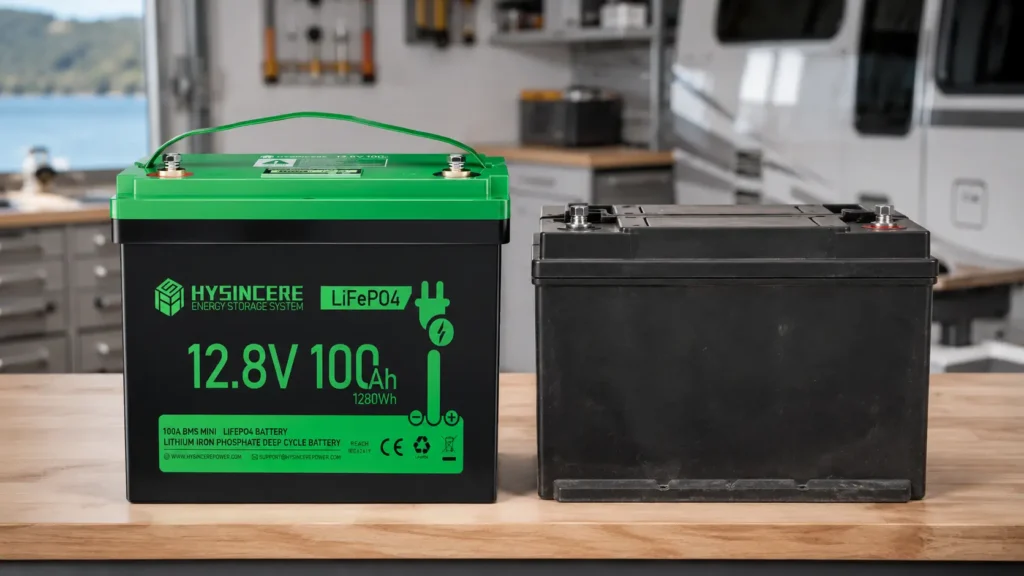
House Power Is an Energy Job
Lighting, refrigeration, navigation, VHF, pumps and cabin equipment are sized from daily watt-hours and the available shore, controlled engine-alternator or solar charging.

Home > Battery Applications > Marine Lithium Battery Solutions
Marine Battery Planning
House loads, electronics, trolling motors and engine starting do not ask the battery for the same kind of power. Separate those jobs before choosing voltage or capacity.
For a house bank, size the battery around daily energy use and the time between charges. For auxiliary or trolling circuits, confirm the equipment voltage, maximum current and duty cycle. Treat engine starting separately: follow the engine manual's battery type, MCA (marine cranking amps), CCA (cold cranking amps) and reserve-capacity requirements, and use only a battery specifically approved for cranking.
Lighting, refrigeration, navigation, VHF, pumps and cabin equipment are sized from daily watt-hours and the available shore, controlled engine-alternator or solar charging.
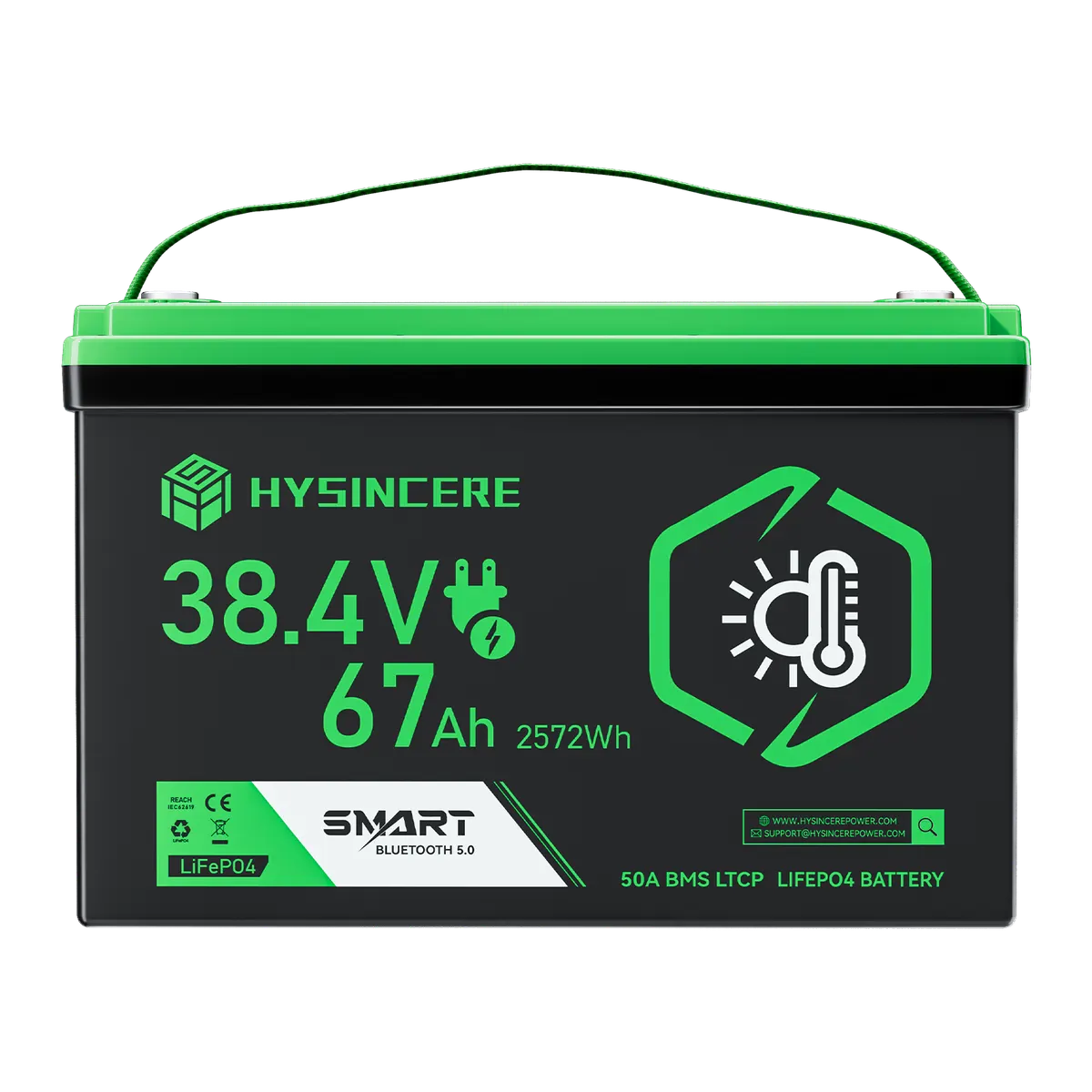
Confirm voltage, maximum current, operating hours and cable run. A dedicated trolling-motor bank should not be selected from house-bank capacity alone.
A deep-cycle battery is not automatically an engine-starting battery. Keep the starter bank protected from house loads and follow the engine manufacturer's specification.
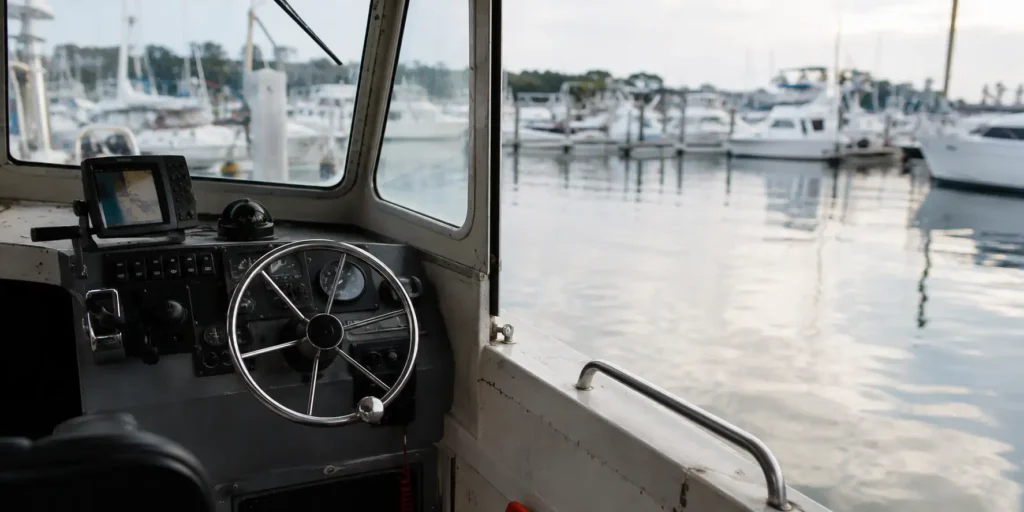
The boat gives context, but the electrical role decides the battery. These examples keep house power, auxiliary circuits, trolling loads and engine starting from being treated as one job.
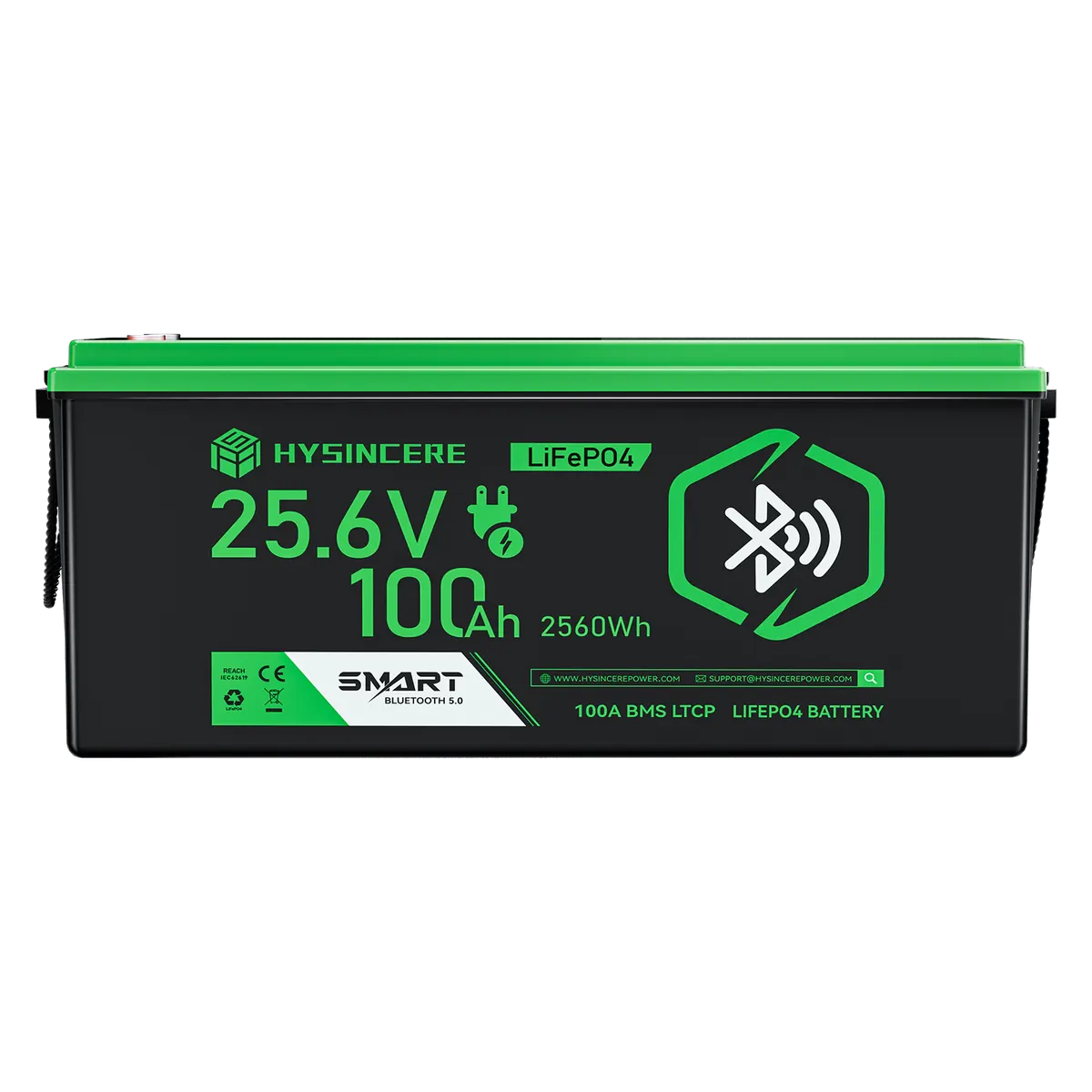
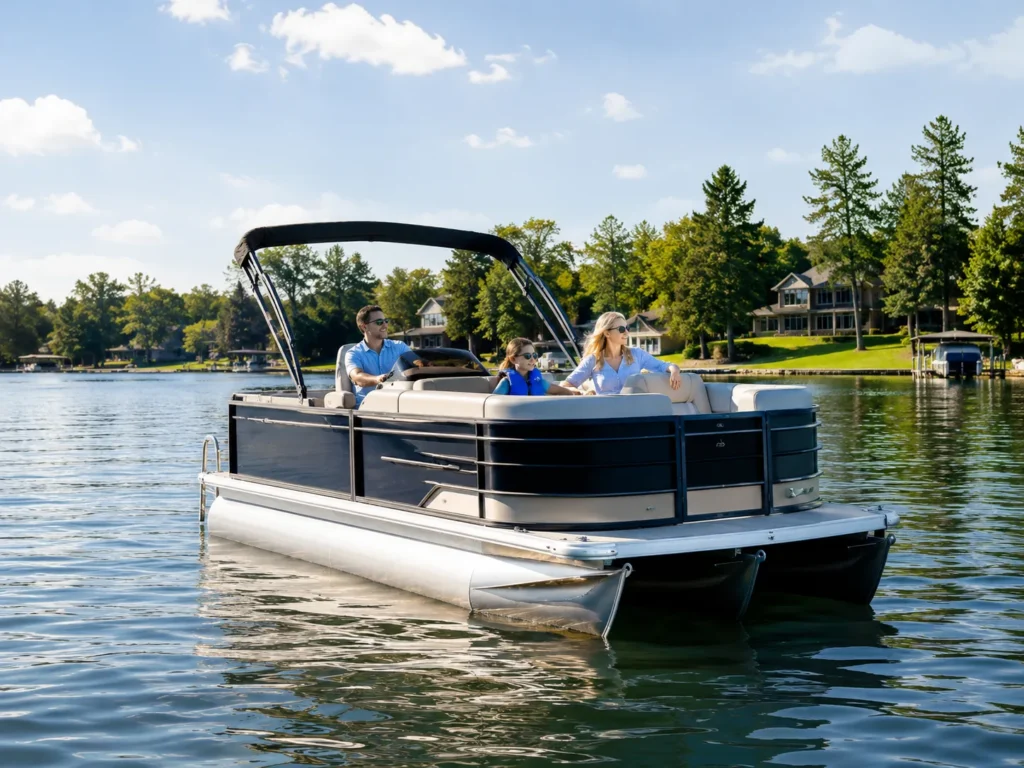
For chart plotters, fish finders, VHF, livewell or bilge pumps and lighting. Keep the electronics load separate from the dedicated trolling-motor and engine-starting banks.
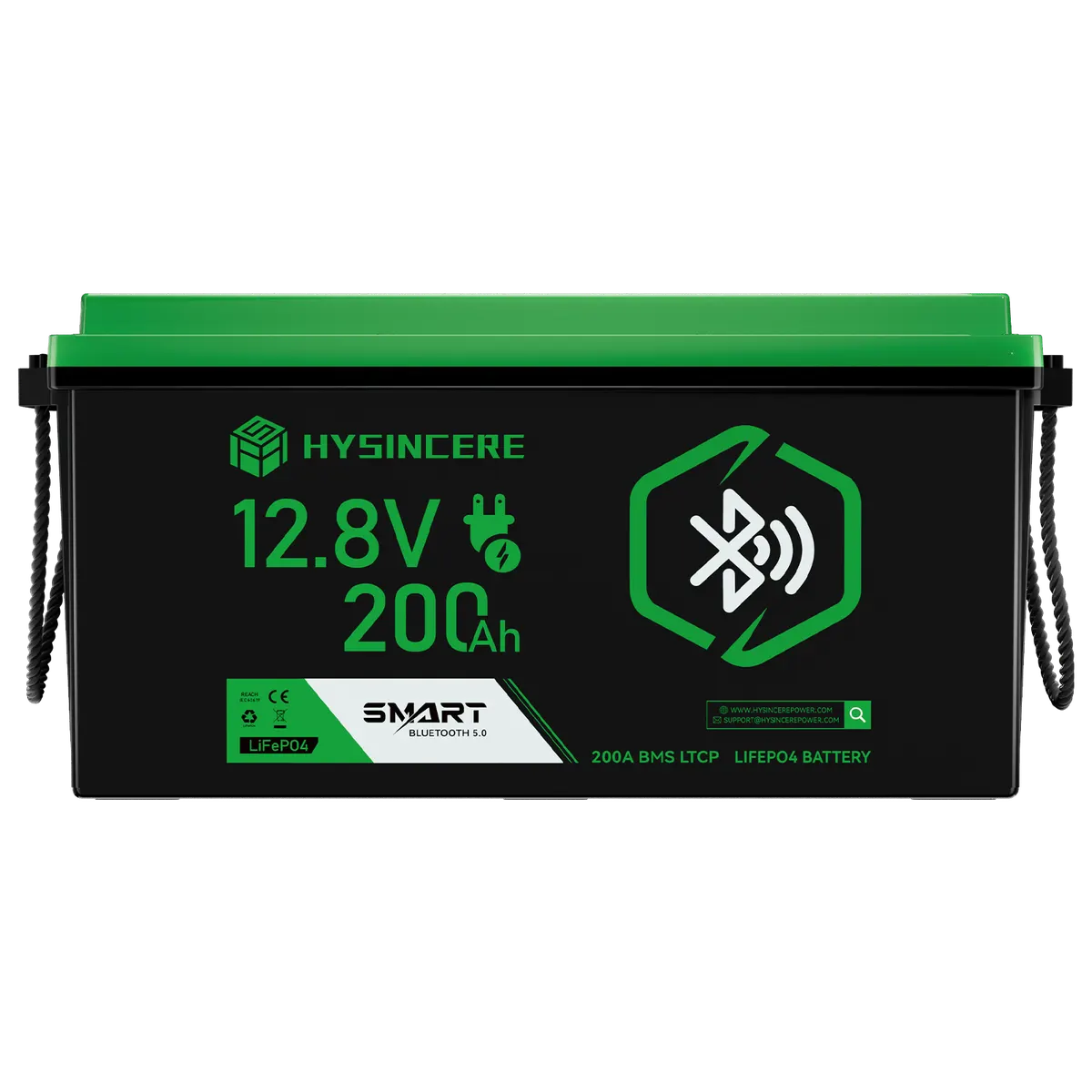
For audio, lighting, refrigeration, pumps and device charging used throughout a day on the water. Size from real run time and the recharge available back at the dock.
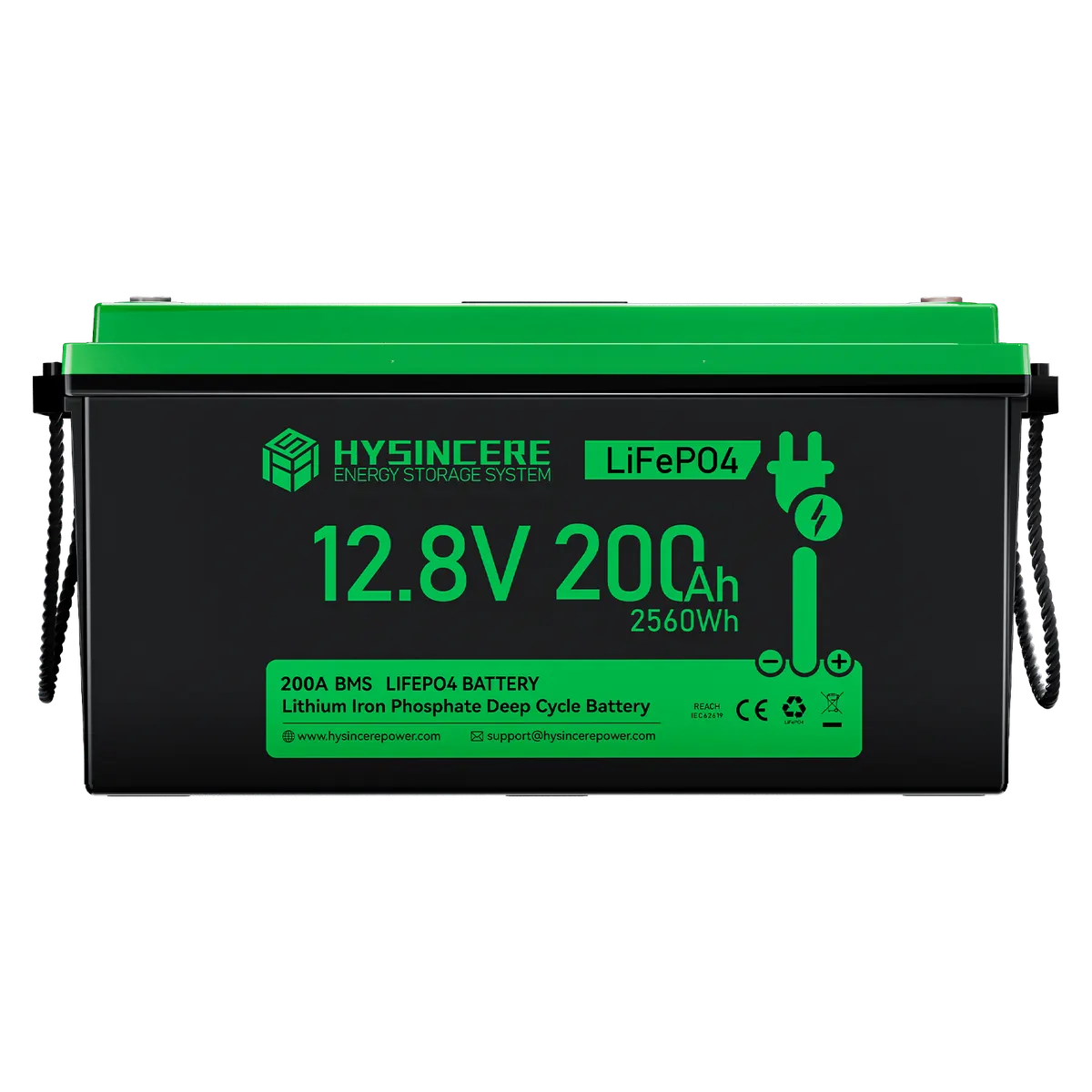
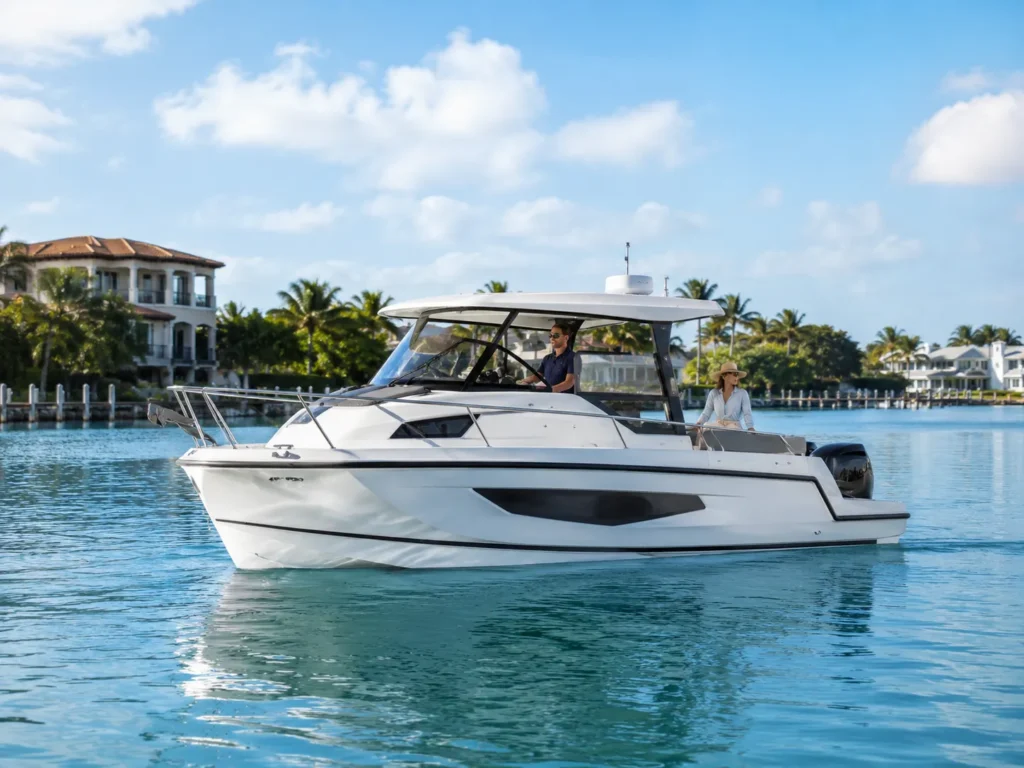
For refrigeration, cabin lighting, navigation, pumps and selected inverter loads over day and overnight use. Daily Wh, surge current and time between charges all matter.
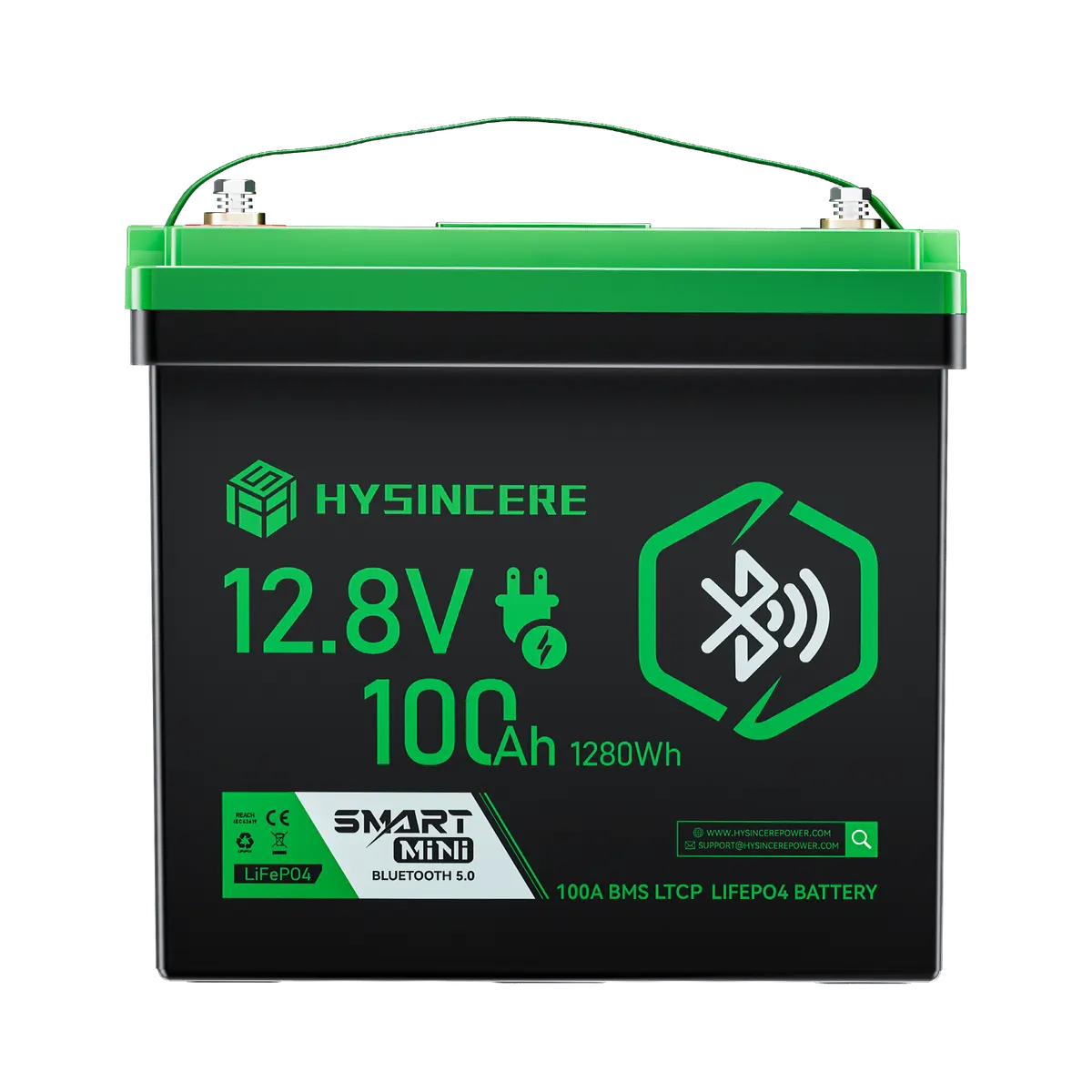
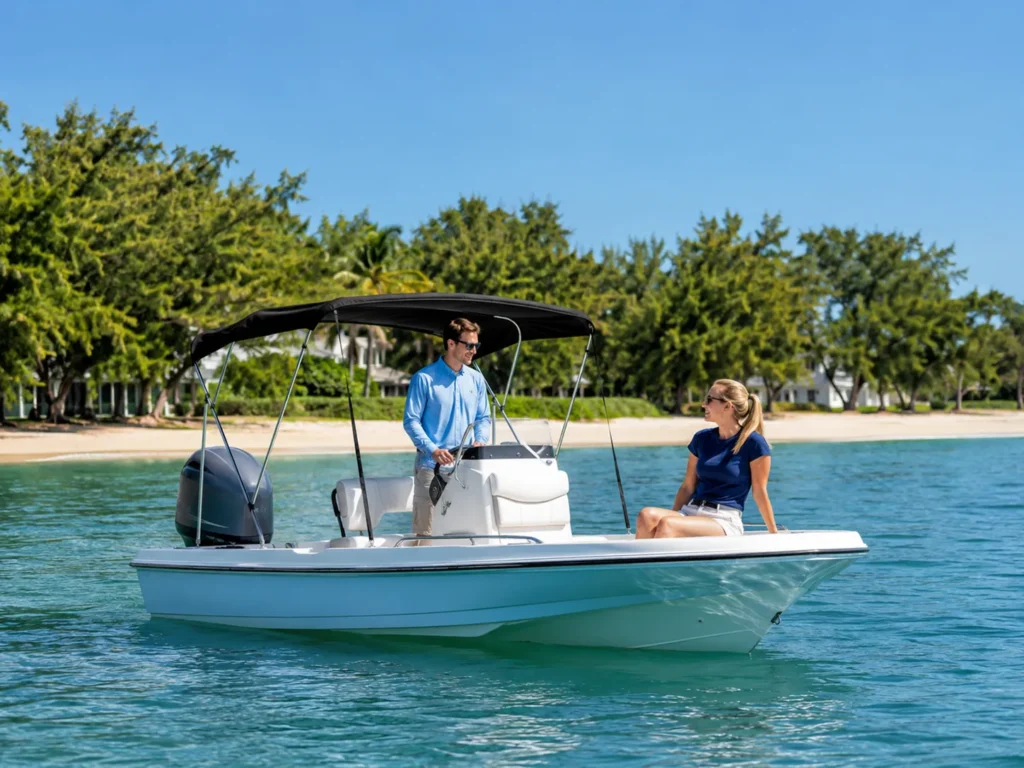
For compact 12V auxiliary circuits and portable marine equipment. Confirm critical-load run time, cable distance, protection and a dry, serviceable battery location.
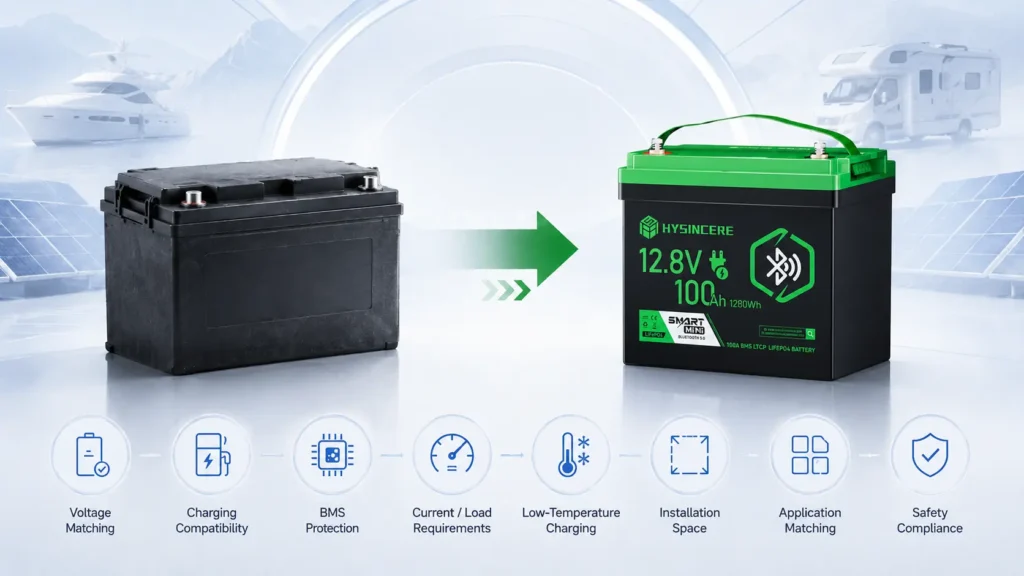
First decide what the battery is responsible for. The remaining checks set voltage, current, energy, charging and installation requirements.
Separate the house bank, auxiliary circuits, trolling-motor bank and engine-starting battery before calculating capacity.
Confirm each load's nameplate voltage, continuous current, startup or peak current and daily operating time.
Check shore charger, solar and any controlled engine-alternator path for the correct voltage, charge profile, current limiting and BMS response.
Review battery-bay size, moisture exposure, vibration, restraint, cable distance, fusing, ventilation and service access.
This table keeps deep-cycle and starting duties separate. Final selection still needs the exact equipment, load data, charge system and product approval.
| Battery Job | Confirm First | Battery Direction | Engineering Note |
|---|---|---|---|
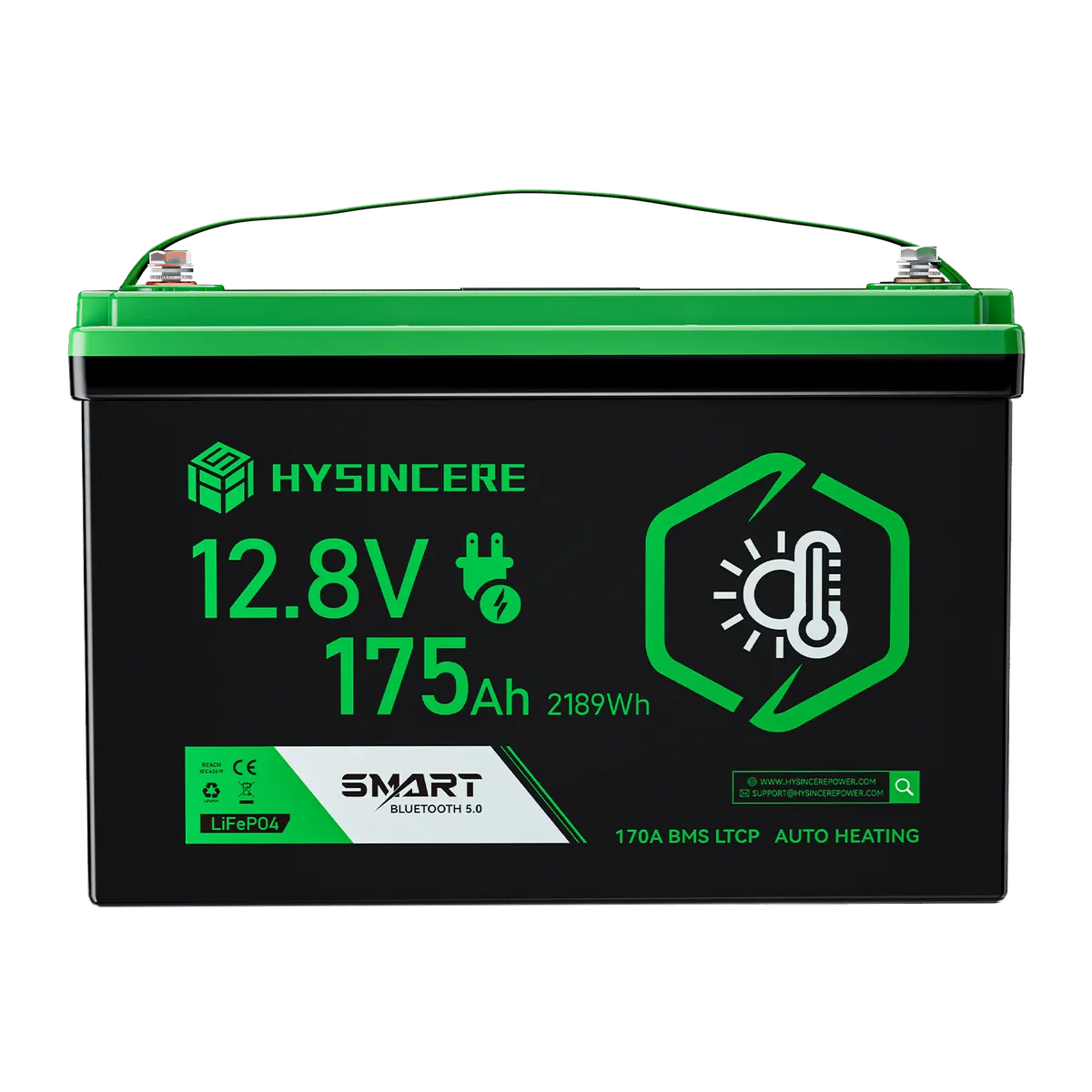
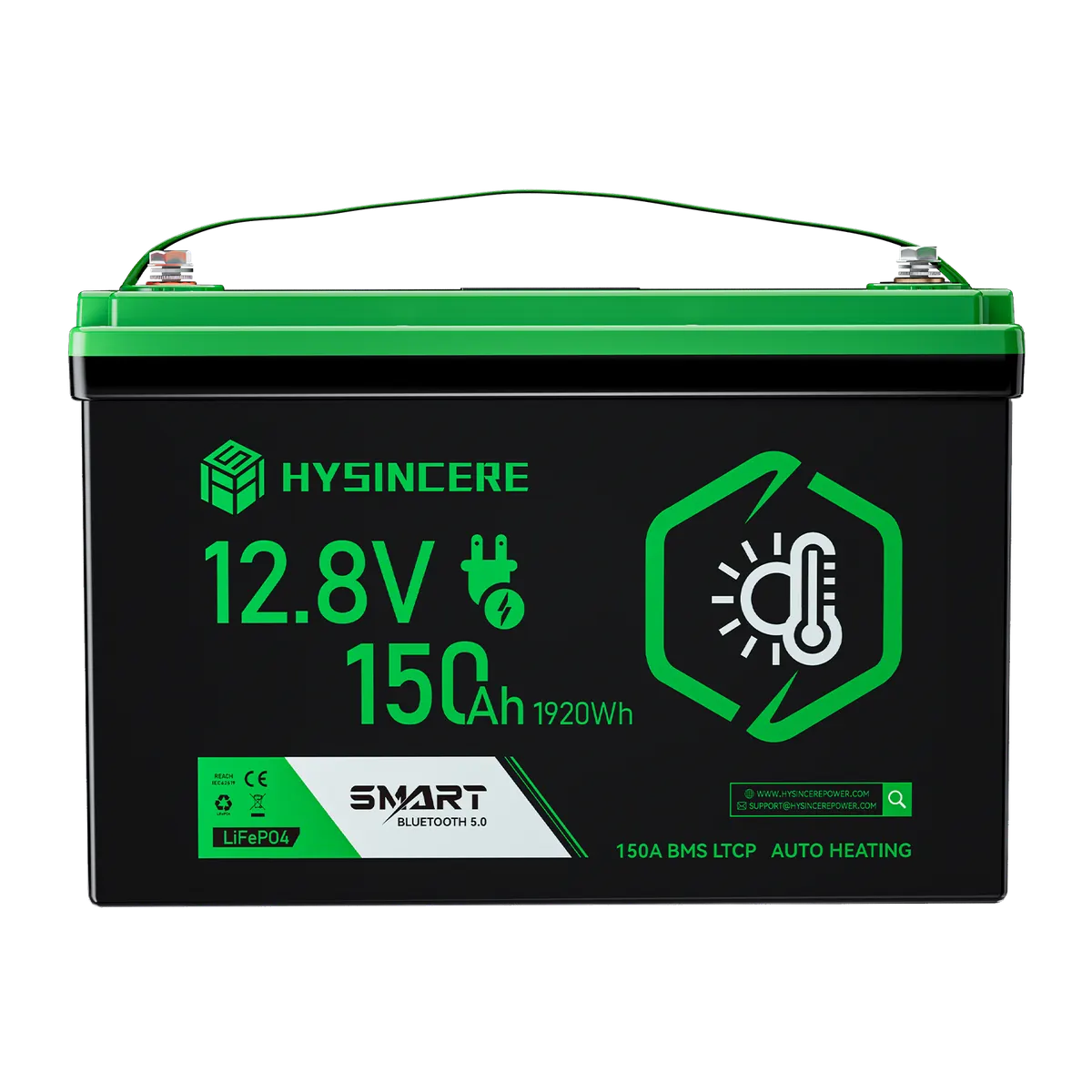
| House bank and cabin loads | Daily Wh, days between charges and inverter surge | 12.8V deep-cycle bank sized from the energy audit | Keep the starter bank isolated from house loads |
| Navigation and auxiliary circuits | Circuit voltage, critical loads, standby time and pump startup current | Voltage-matched deep-cycle battery with monitoring where required | Check cable voltage drop and protect each circuit correctly |
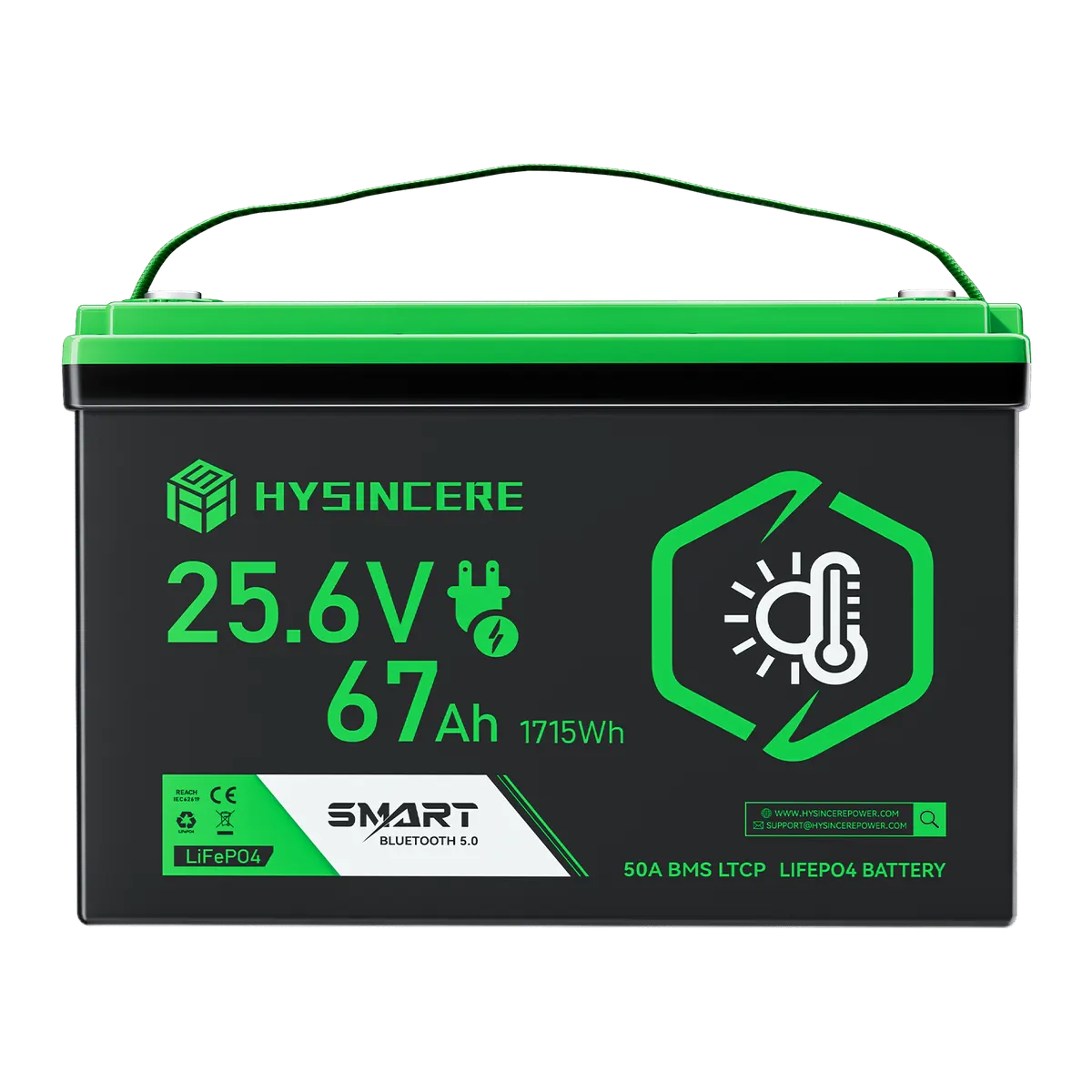
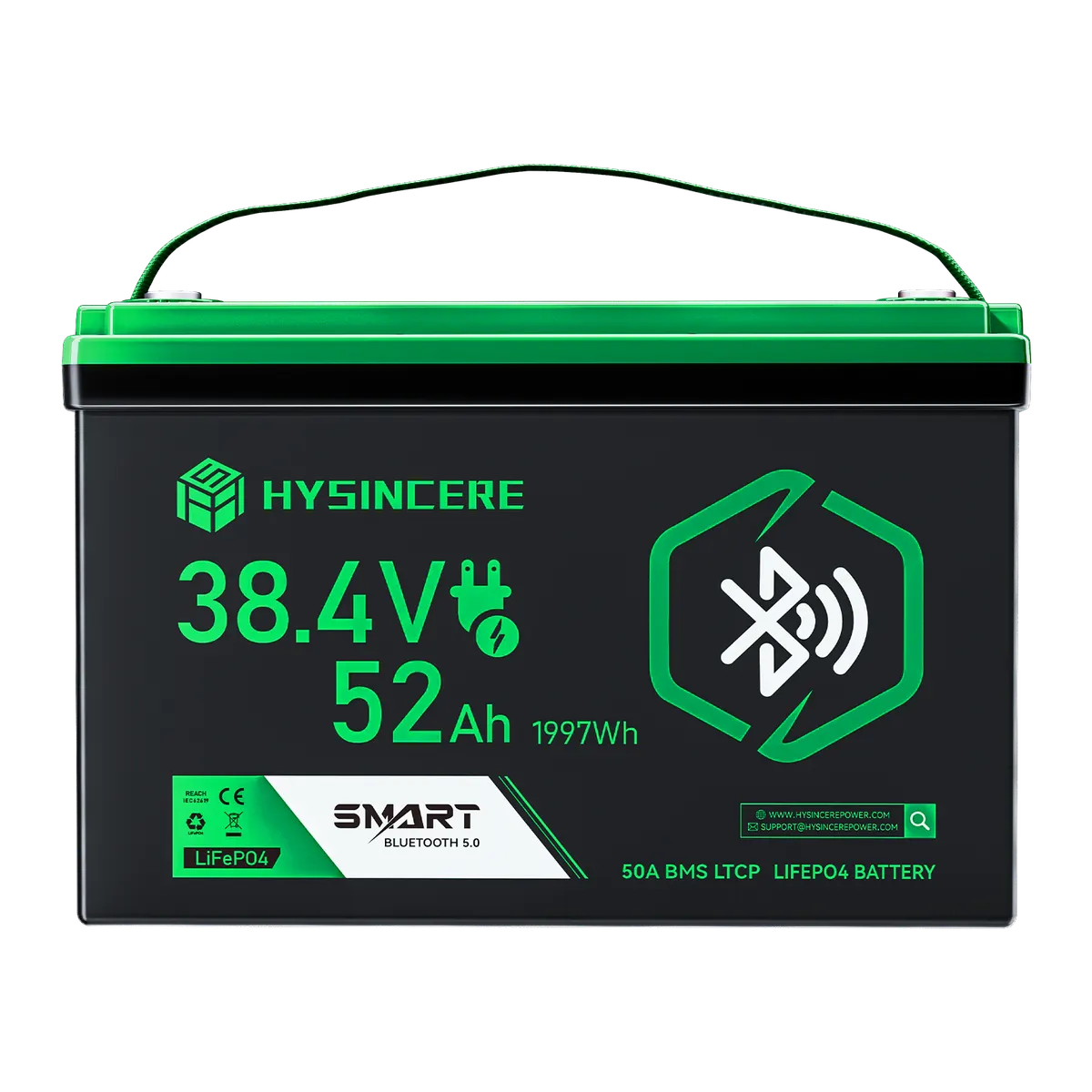
| Dedicated trolling motor | Motor voltage, maximum current and time at each speed | 12.8V, 25.6V or 38.4V-class bank matching the motor | Check the motor model, expected run time and charger before choosing the battery bank. |
| Engine starting | Engine model, battery type, MCA/CCA and reserve capacity | Separate starting-rated battery only | Do not recommend a listed deep-cycle model without explicit battery and engine approval |
These four operating profiles show how onboard loads, recharge time and circuit separation change the battery direction.
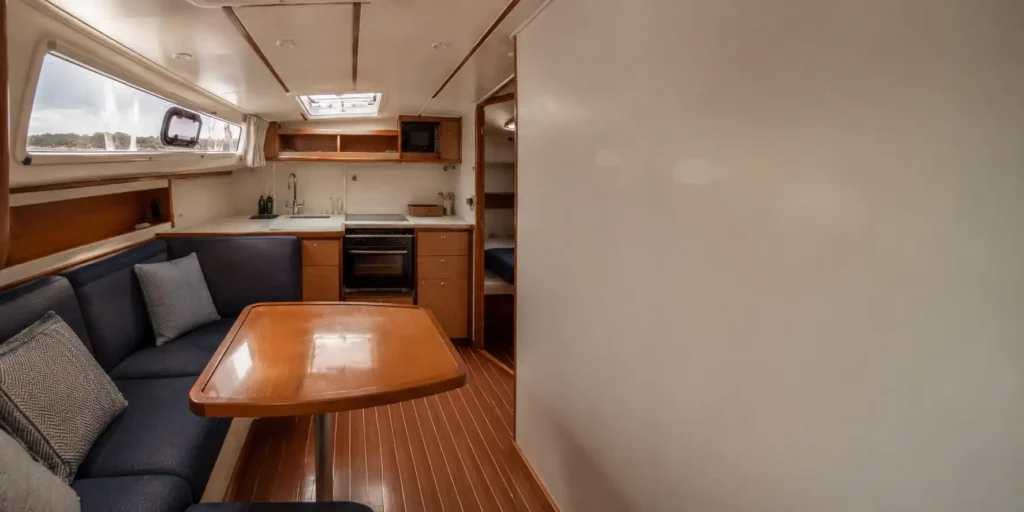
Electronics and pumps run through the day while the trolling motor and engine starting remain on their planned separate circuits.
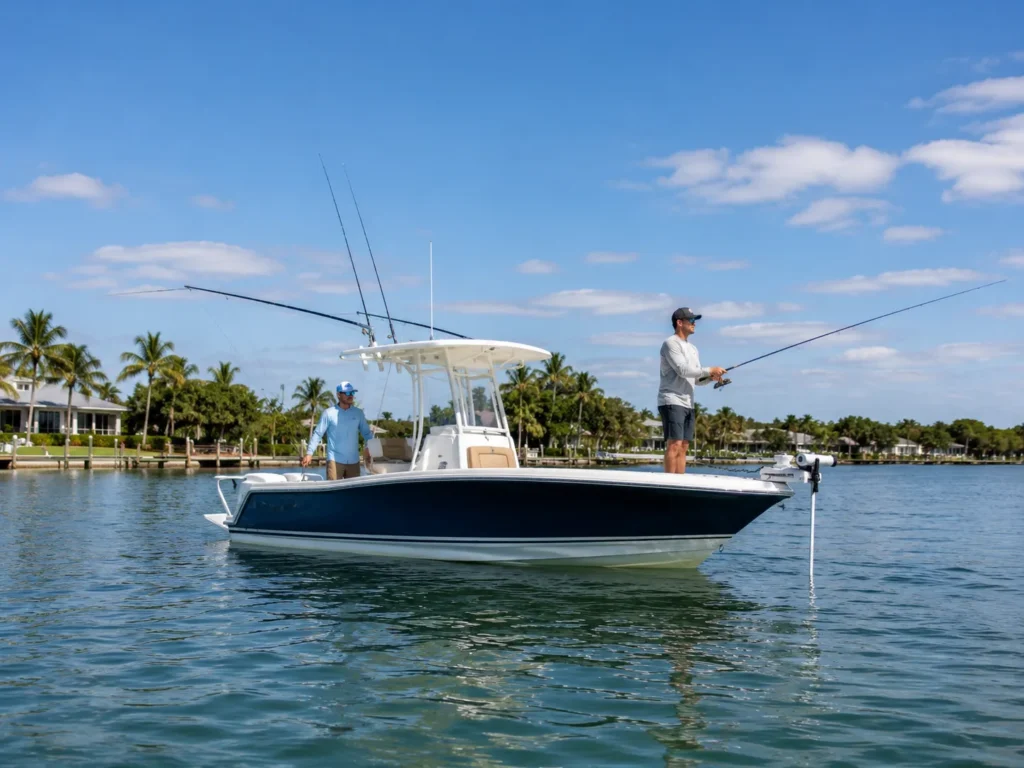
Audio, lighting, refrigeration, pumps and chargers operate intermittently over a full day on the water.
A battery in a hull-side or exterior compartment can remain cold after the air temperature rises.
Overnight lighting, refrigeration, pumps, navigation and selected inverter loads are carried by the house bank.
Many battery discussions start with the same line on a quotation sheet: 12V 100Ah. It looks simple. A 12V 100Ah lead-acid battery...
Read article
Converting a lead-acid system to LiFePO4 often involves more than replacing the battery. In an RV, boat, solar backup system, communications cabinet,...
Read article
A 12V 100Ah LiFePO4 battery is often described as a universal upgrade. It is not. The 100Ah label tells you how much...
Read articleThe safest starting point is to separate the onboard jobs before asking one battery to cover them.
Do not assume so. A starting battery must meet the engine manufacturer's battery type, MCA or CCA and reserve-capacity requirements, and the battery itself must be approved for cranking. Unless a specific Hysincere model and engine application are validated, use a separate starting battery.
Add the daily watt-hours used by refrigeration, lights, navigation, pumps, communications and inverter loads. Allow for the time between charges, then check continuous and surge current as well as the available charging sources.
In most marine systems, keeping the house bank separate prevents onboard loads from leaving the engine without starting power. Treat a dedicated trolling-motor bank as another separate circuit; use our trolling motor lithium battery guide to check motor voltage, current and run time. Any combiner or emergency-start arrangement must be designed and protected for that use.
Confirm the battery's charging voltage, current limit and temperature range, then verify each charging source: shore charger, solar controller and any controlled engine-alternator path. Direct alternator connection should not be assumed safe; check current limiting, BMS behavior and starter-bank priority.
Record the battery bay's usable length, width and height, plus hold-down space, terminal type, polarity, cable reach and service clearance. Match voltage and verify current and energy requirements separately; case fit alone does not make a battery compatible. For a 12V-class auxiliary circuit, compare the 12V LiFePO4 battery range only after those checks.
Contact Us