

Home > Consumer Batteries > High Temperature Battery
Consumer Batteries
Battery-pack options for equipment exposed to elevated ambient or internal temperatures. Verify operating, charging and storage limits for the exact model.
4
Products
3.7–11.1V
Nominal voltage range
2.5–5Ah
Capacity range
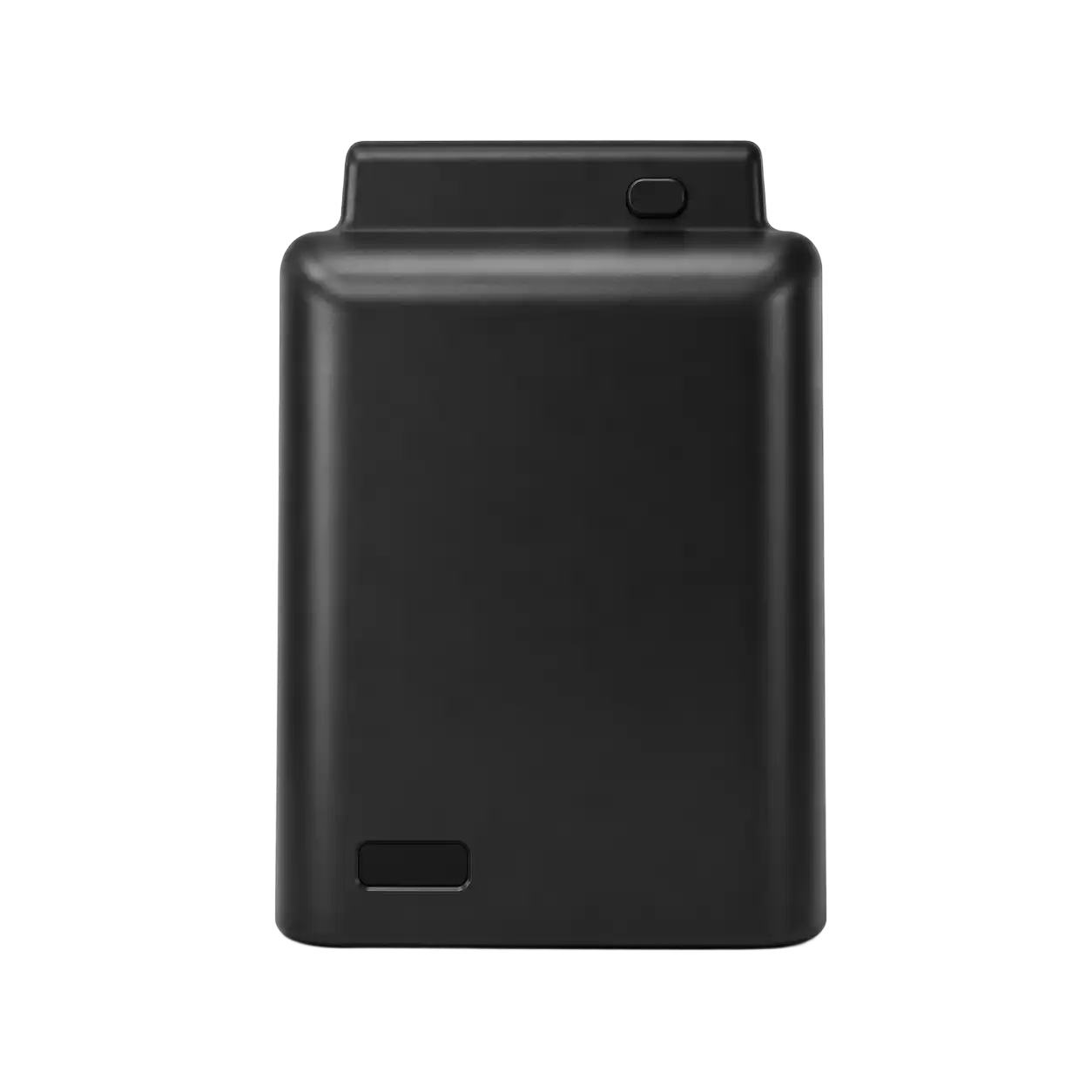
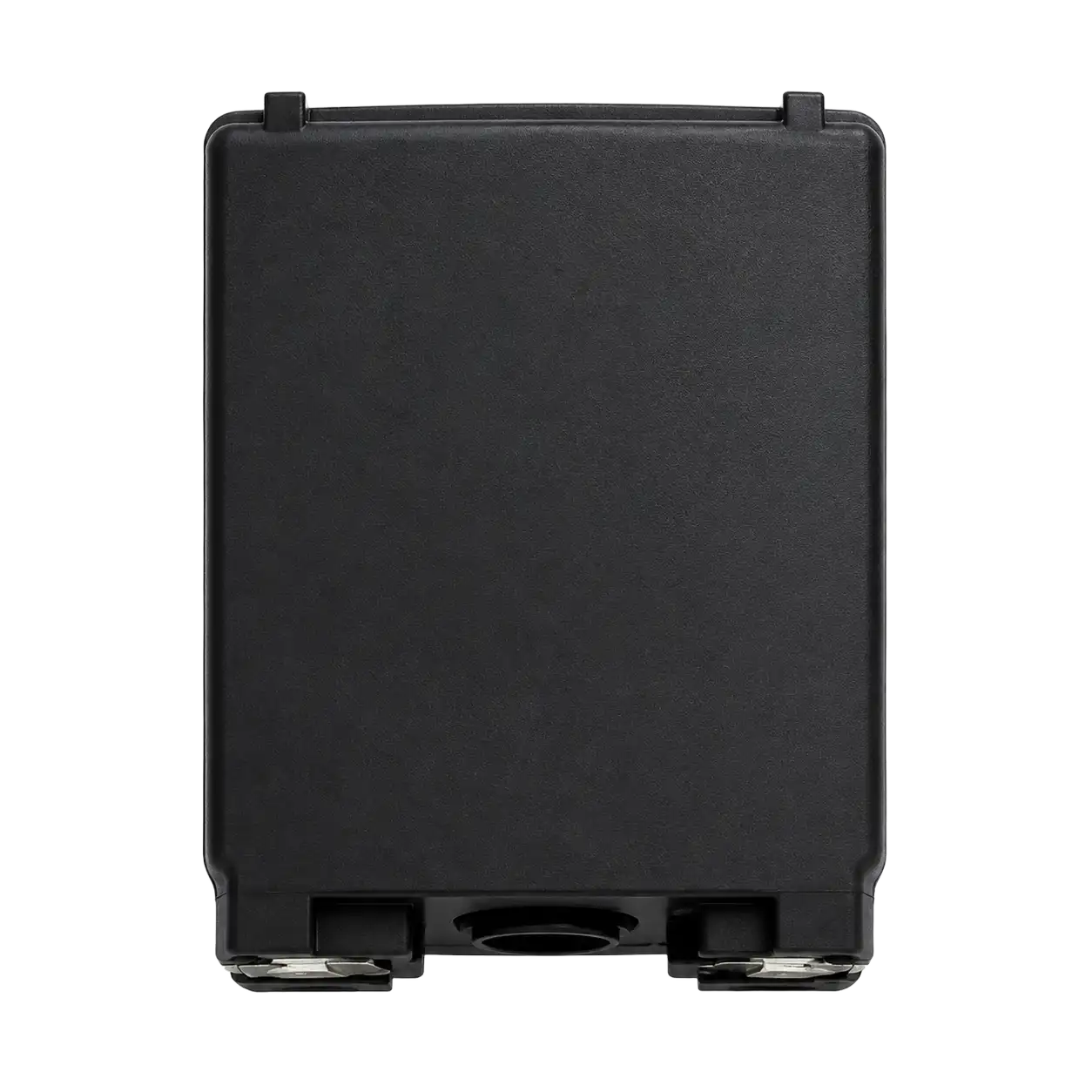
High Temperature Battery
Selection guide
Define continuous and peak ambient temperature, exposure duration, charge and discharge conditions, heat generated by the equipment, enclosure ventilation and storage profile. Do not assume one temperature limit across the full range.
Confirm nominal voltage, usable capacity, continuous load, peak demand and charging limits.
Check enclosure space, mounting, terminals, connectors, cable routing and service access.
Share application, environment, quantity, compliance and integration requirements with engineering.
Products
Compare the available models below, then open a product page for detailed specifications and project matching.
Battery-pack options for elevated-temperature projects; compare exact model limits and available temperature test data.
Guidance on product selection, application fit and project requirements for this category.
No; charge, discharge and storage limits may all differ. Record continuous operating temperature, short-duration peak temperature, permitted duration and corresponding load for the exact model. Do not apply one generic ‘high-temperature’ statement to the entire category.

Measure both, but select the battery using its actual operating temperature. Electronics, a sealed enclosure and charge/discharge current can raise internal temperature. Record steady-state and peak temperature at the battery surface or defined sensor point rather than relying only on outside ambient temperature.
Do not assume so. Check permitted charge voltage and current, temperature derating, charge-stop threshold and recovery conditions at the target temperature. Confirm that the device temperature sensor is positioned to reflect actual battery temperature.
First reduce coupling to heat sources and create a defined thermal path. Review spacing from power electronics, airflow, conductive or insulating materials, mounting orientation, ventilation openings and sealing requirements, then measure steady-state rise at maximum load and maximum ambient temperature.
Test the worst combination of temperature and load. The plan should include ambient and battery temperature, cooling or ventilation state, initial state of charge, continuous and peak current, charging condition, soak time, cycle count, cut-off conditions and acceptance limits for capacity, temperature rise and protection events.
Contact Us