
Start by calculating the required runtime. Multiply average load in watts by operating hours to estimate watt-hours, then divide by nominal system voltage to estimate amp-hours. Add a suitable design margin and check continuous current, peak current, enclosure space and weight. For example, a 500W average load running for two hours requires about 1,000Wh before allowances.
Energy Storage Batteries
Sodium-Ion Batteries
Sodium-ion batteries for RV auxiliary power and equipment backup power, with models for battery replacement projects.
Home > Energy Storage Batteries > Sodium-Ion Batteries
Selection guide
Compare capacity, load and charging requirements.
Start with required runtime and continuous or peak current, then verify charge voltage, discharge limits, terminals, enclosure dimensions and environmental conditions against the approved datasheet for the exact model.
Electrical fit
Confirm nominal voltage, usable capacity, continuous load, peak demand and charging limits.
Mechanical fit
Check enclosure space, mounting, terminals, connectors, cable routing and service access.
Project review
Share application, environment, quantity, compliance and integration requirements with engineering.
Products
12V sodium-ion models
Choose the capacity you need, then check the charger, load and available battery space.
Sodium-Ion Batteries
Three capacities are available: 50Ah, 100Ah and 200Ah. Each model has its own charging and installation requirements.
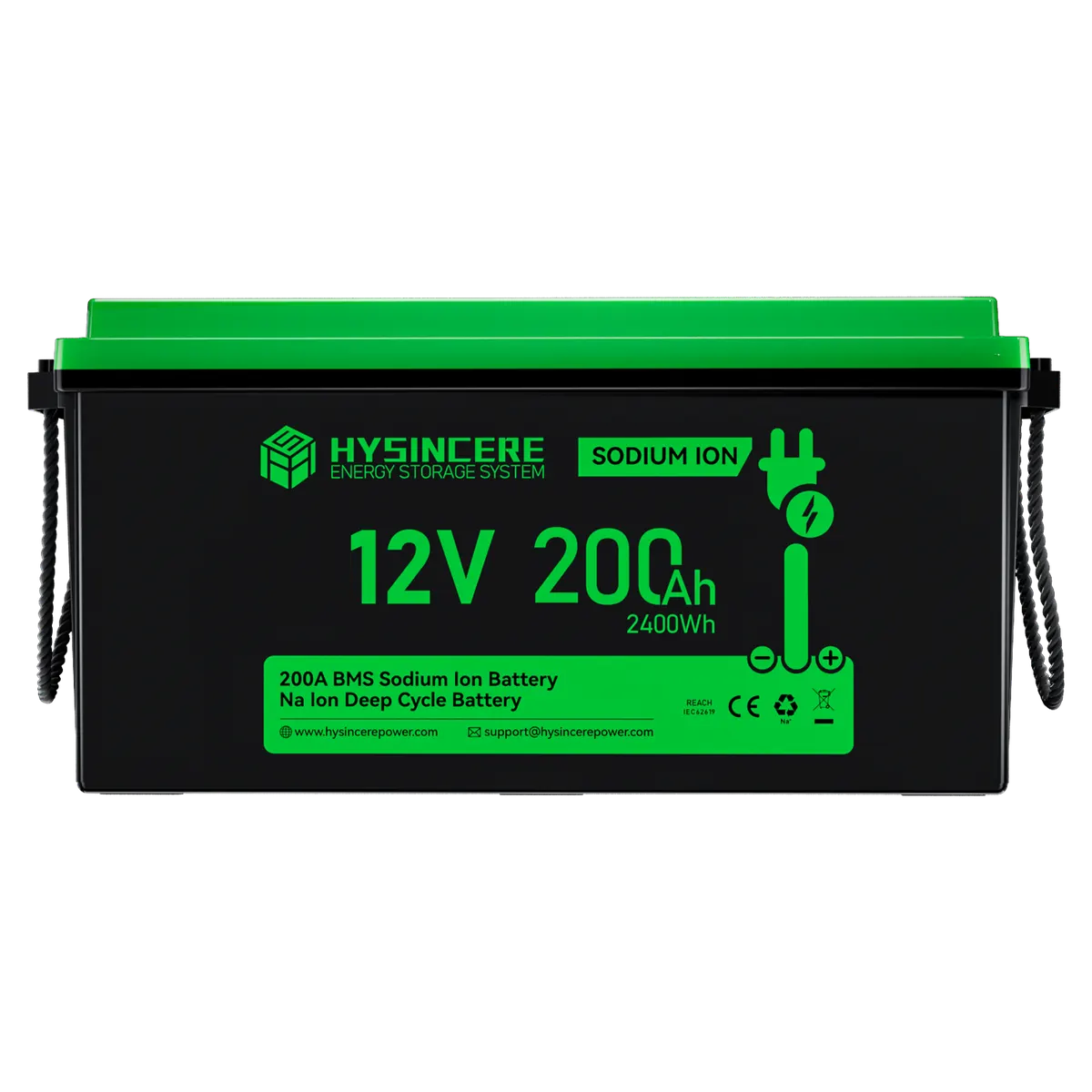
12V 200Ah Sodium-Ion Battery
LN12200N-BL
• Check battery status on the LCD
• Low-temperature charging down to -10°C / 14°F
• Series or parallel battery banks
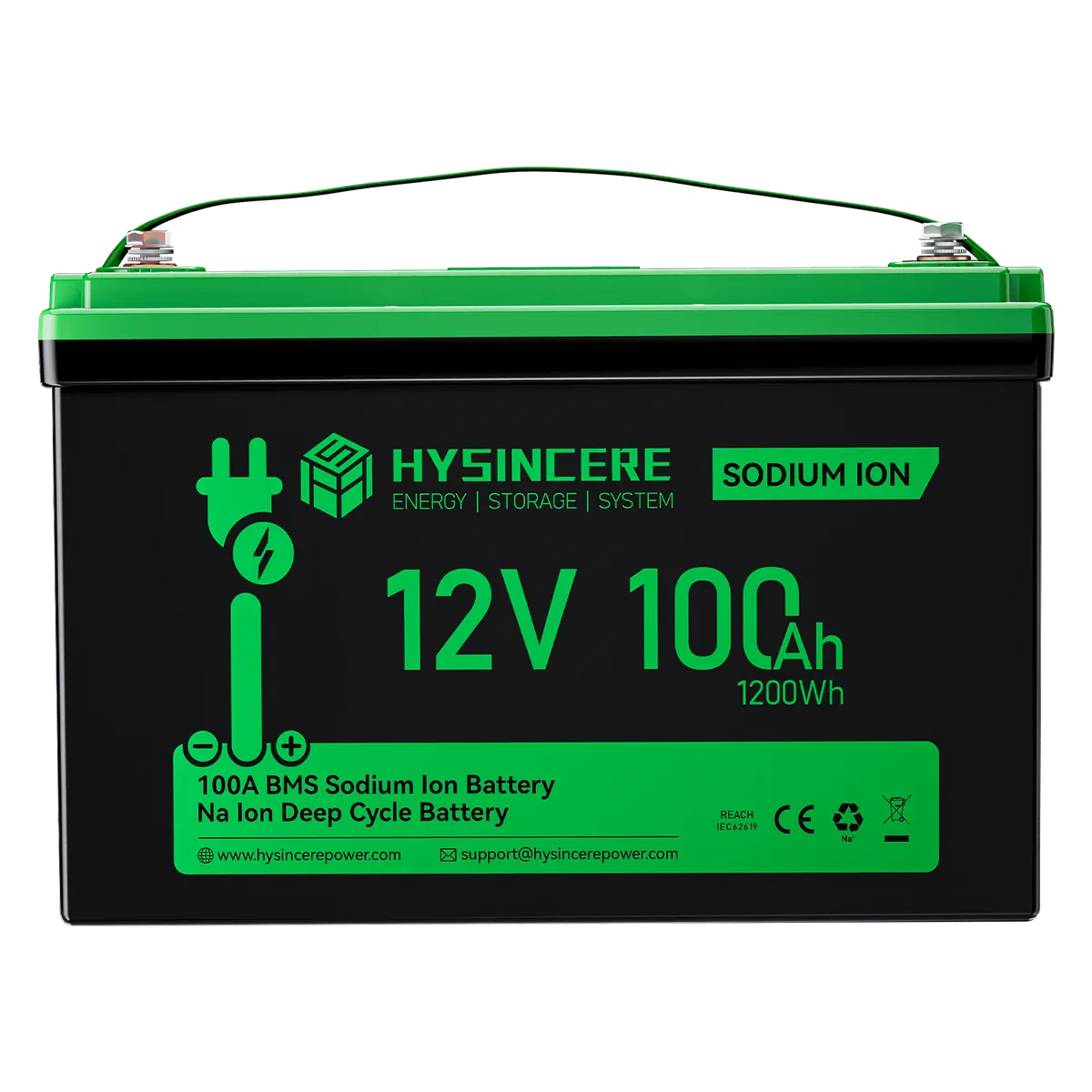
12V 100Ah Sodium-Ion Battery
LN12100N-BL
• Check battery status on the LCD
• Low-temperature charging down to -10°C / 14°F
• Series or parallel battery banks
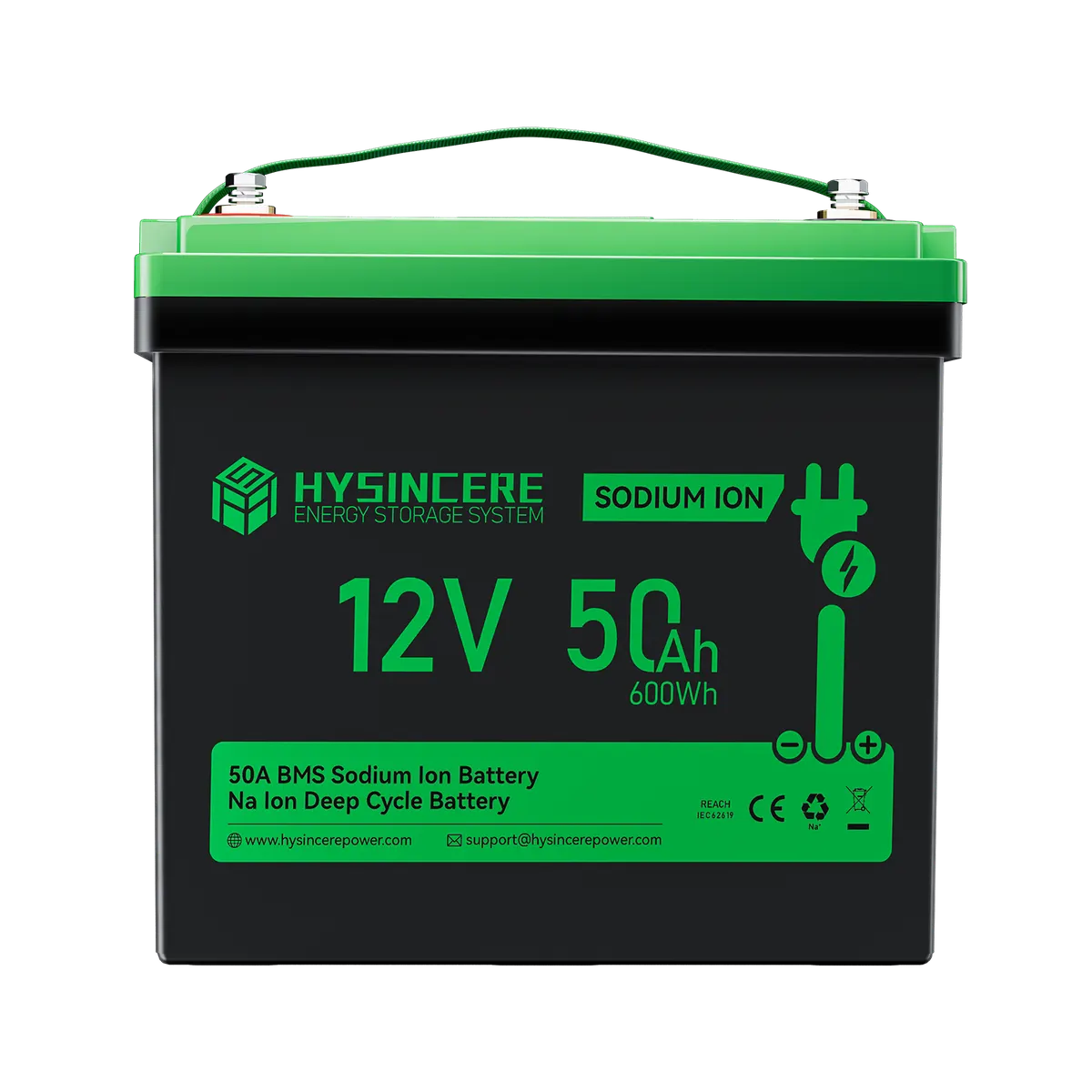
12V 50Ah Sodium-Ion Battery
LN1250N-BL
• Check battery status on the LCD
• Low-temperature charging down to -10°C / 14°F
• Series or parallel battery banks
Sodium-Ion Batteries FAQs
What to check when choosing a sodium-ion battery, from runtime and startup current to charger compatibility.
Only if its charging parameters match the selected sodium-ion battery. Record output voltage, maximum current, charging stages and temperature-compensation behavior, then compare them with the battery’s permitted charge voltage and current. A charger with lead-acid equalization, desulfation or pulse-repair modes should not be reused without a separate compatibility check.
The same nominal voltage does not guarantee the same operating window or interface. Check at least five items: charge cut-off voltage, discharge cut-off voltage, continuous and peak current, terminal polarity and enclosure dimensions. Also confirm whether the equipment estimates remaining capacity from the voltage-drop behavior of a lead-acid battery.
Use peak-current data rather than average power. Provide the maximum startup current, peak duration and repetition rate, then confirm that the battery, protection system, terminals and cables can all support it. Amp-hour capacity alone does not show whether a battery can start a motor or inverter.
Send one complete requirement sheet. Include equipment voltage, average and peak load, target runtime, existing battery model, charger label, available dimensions, terminal photos, operating temperature, quantity, target market and any labeling, connector or packaging requirements.
Contact Us
Tell Us About Your Battery Project
Share your battery requirements with us, and our team will help you find the right solution.