Golf Cart Lithium Battery Solutions

51.2V and 76.8V LiFePO4 battery solutions for golf carts, passenger shuttles and utility vehicles, matched to the controller, charger, daily workload and battery bay.
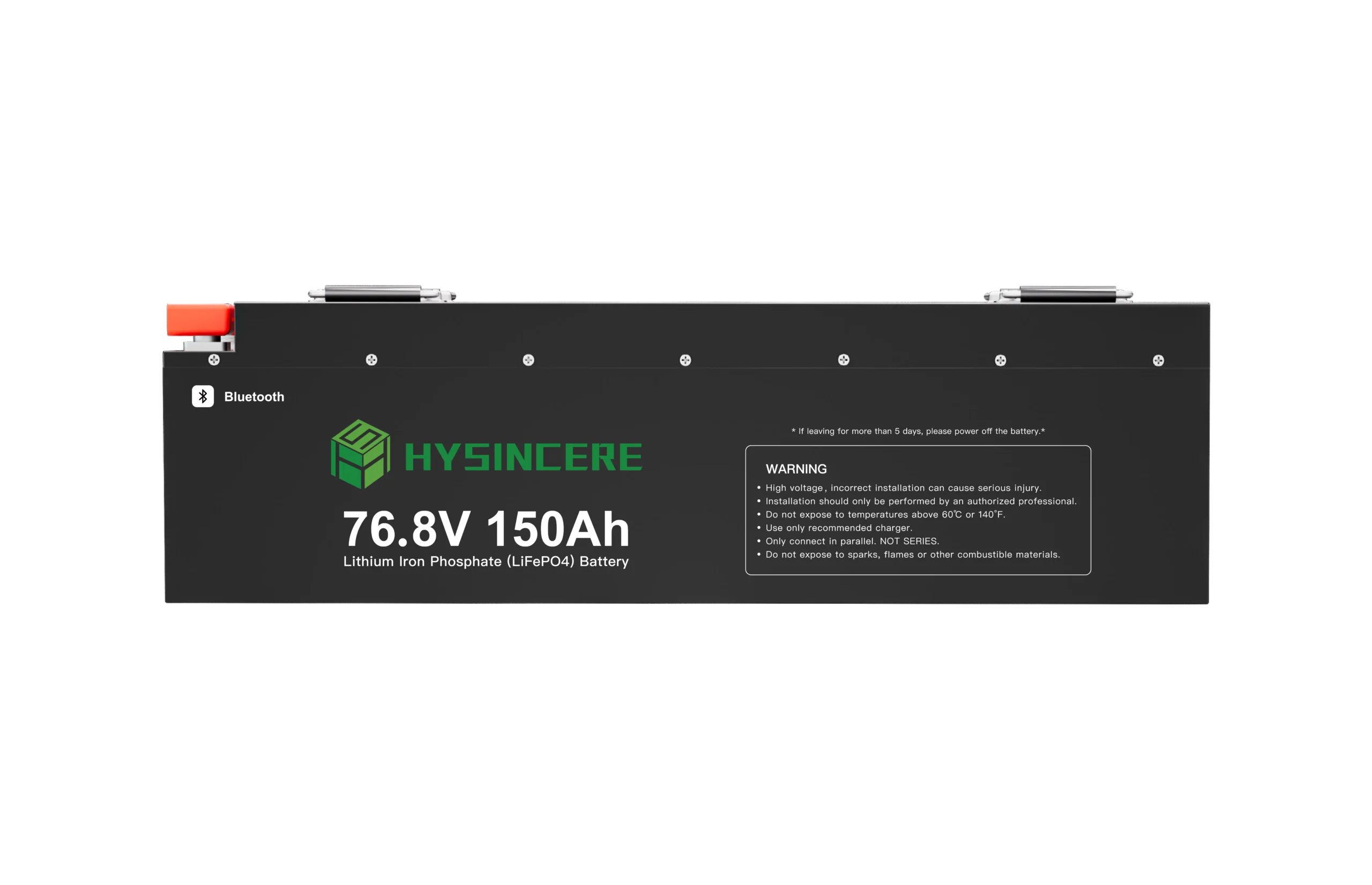
Hysincere GF76150N-B 76.8V 150Ah LiFePO4 golf cart battery front view

GF76150N-B 76.8V 150Ah golf cart LiFePO4 battery

76.8V
150Ah
11520Wh
90.7kg
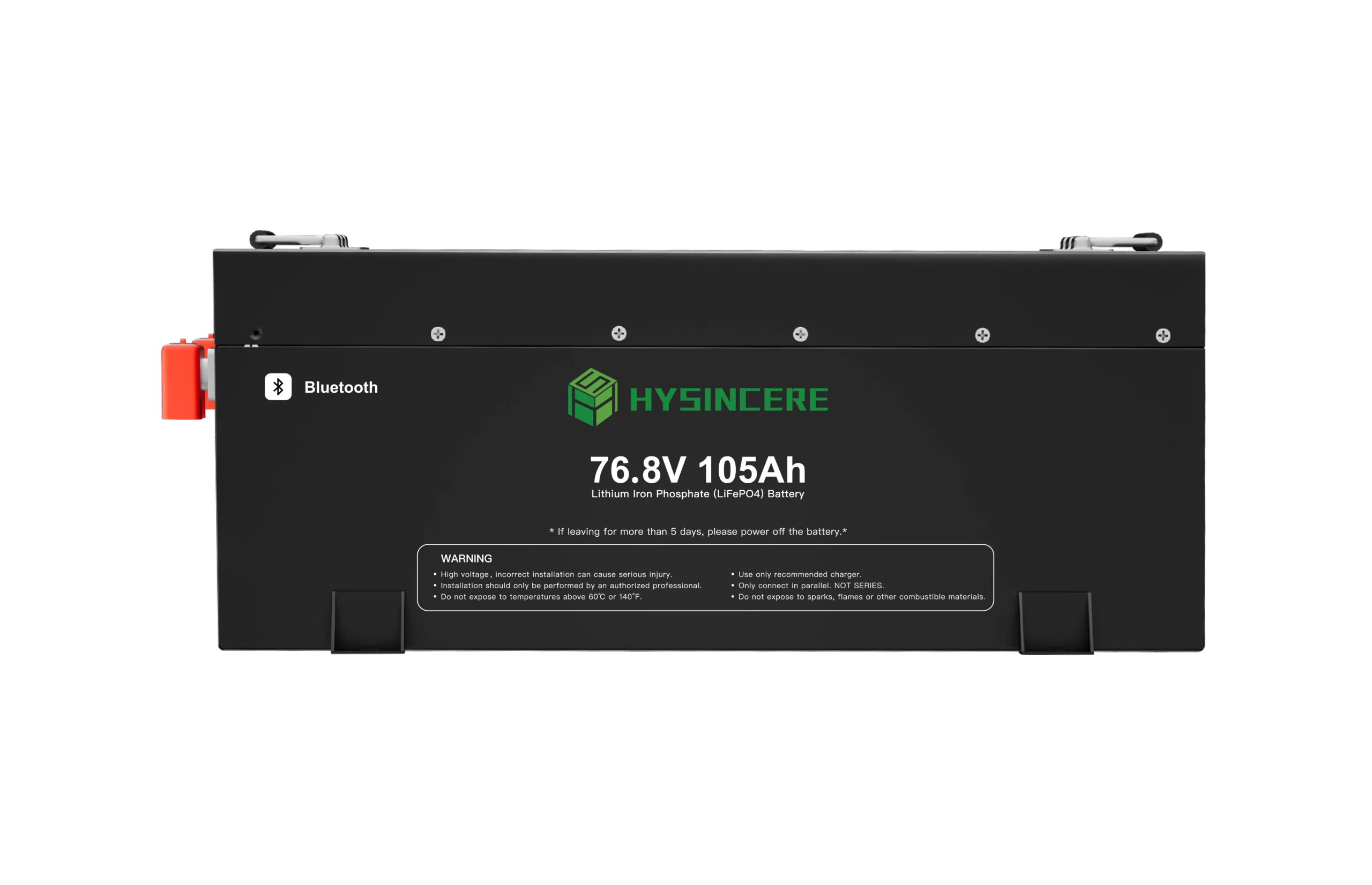
Hysincere GF76105N-B 76.8V 105Ah LiFePO4 golf cart battery front view

GF76105N-B 76.8V 105Ah golf cart LiFePO4 battery

76.8V
105Ah
8064Wh
73.7kg
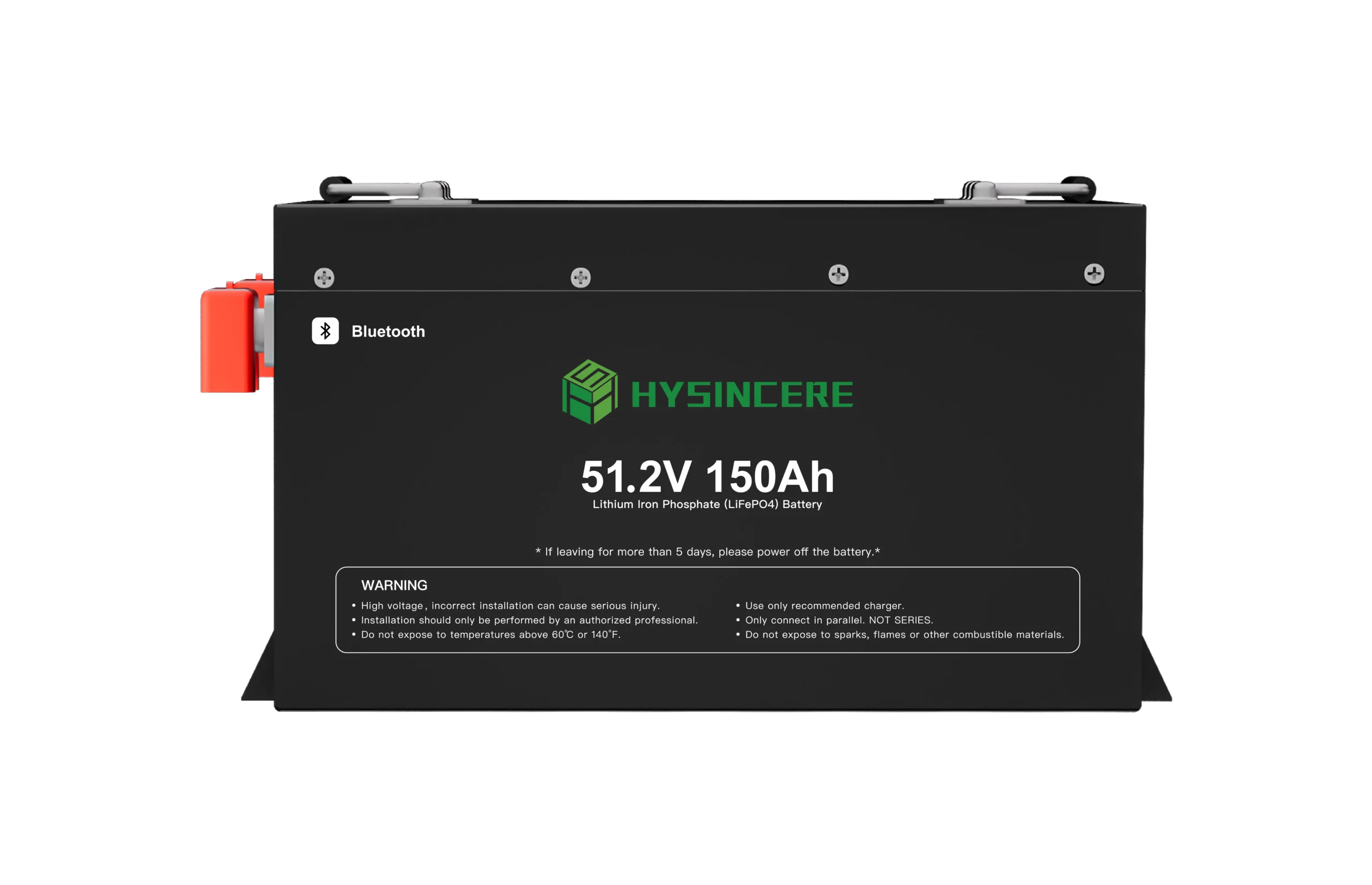
Hysincere GF51150N-B 51.2V 150Ah LiFePO4 golf cart battery front view

GF51150N-B 51.2V 150Ah golf cart LiFePO4 battery

51.2V
150Ah
7680Wh
63.7kg
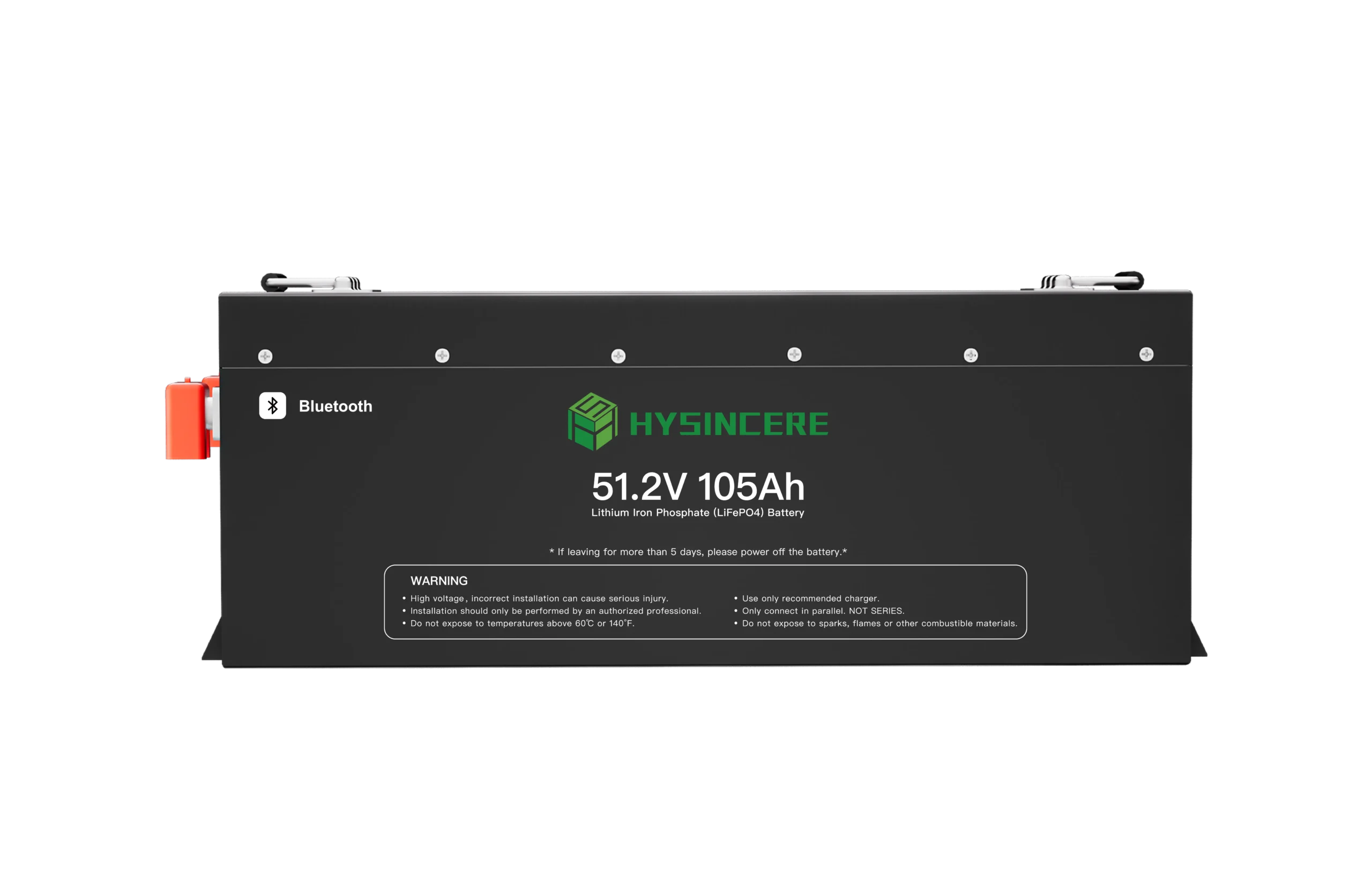
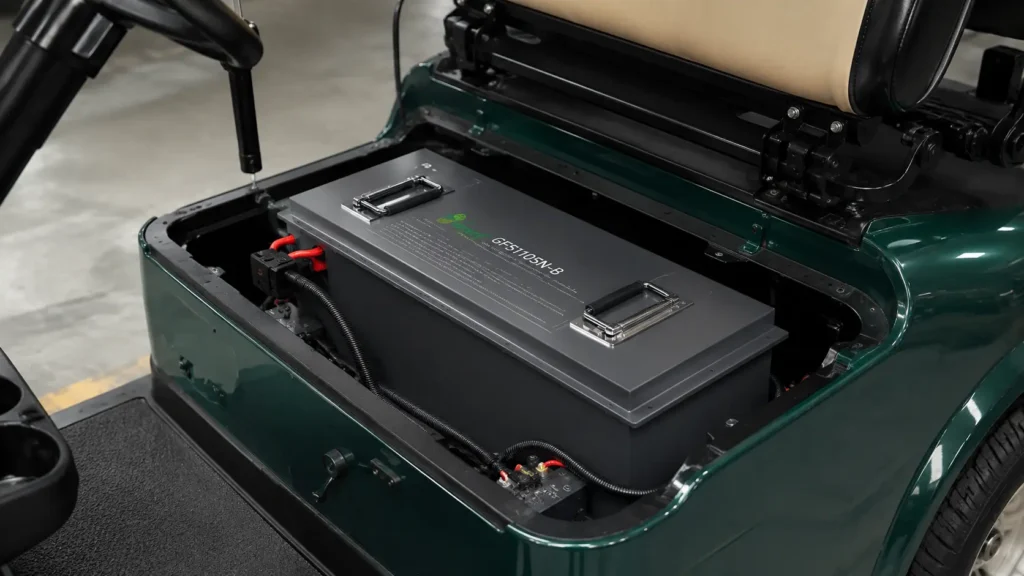
Hysincere GF51105N-B 51.2V 105Ah LiFePO4 golf cart battery front view

GF51105N-B 51.2V 105Ah golf cart LiFePO4 battery

51.2V
105Ah
5376Wh
46.7kg
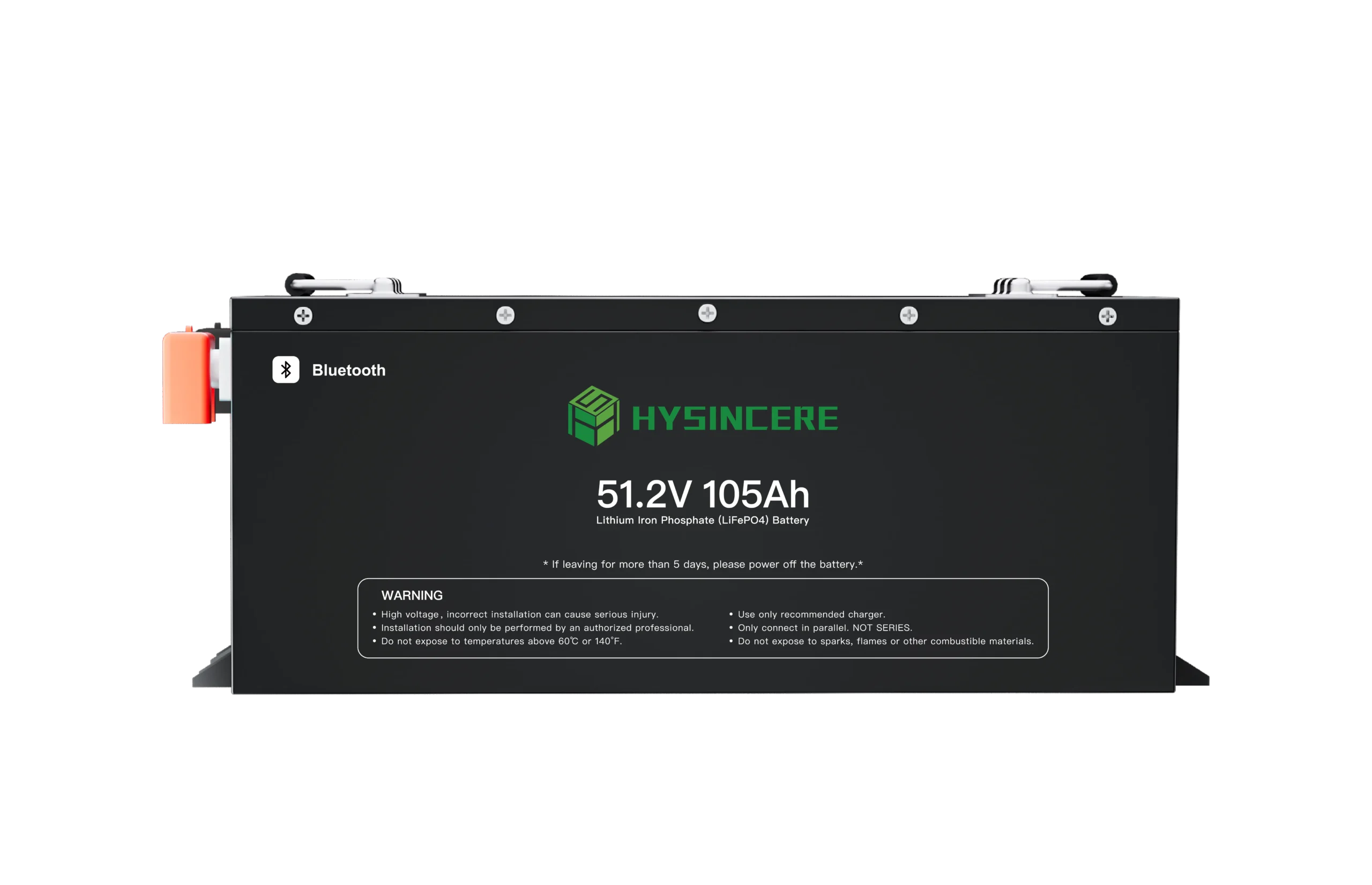
Hysincere GF51105N-BW 51.2V 105Ah LiFePO4 golf cart battery front view

GF51105N-BW 51.2V 105Ah golf cart LiFePO4 battery

51.2V
105Ah
5376Wh
47.2kg
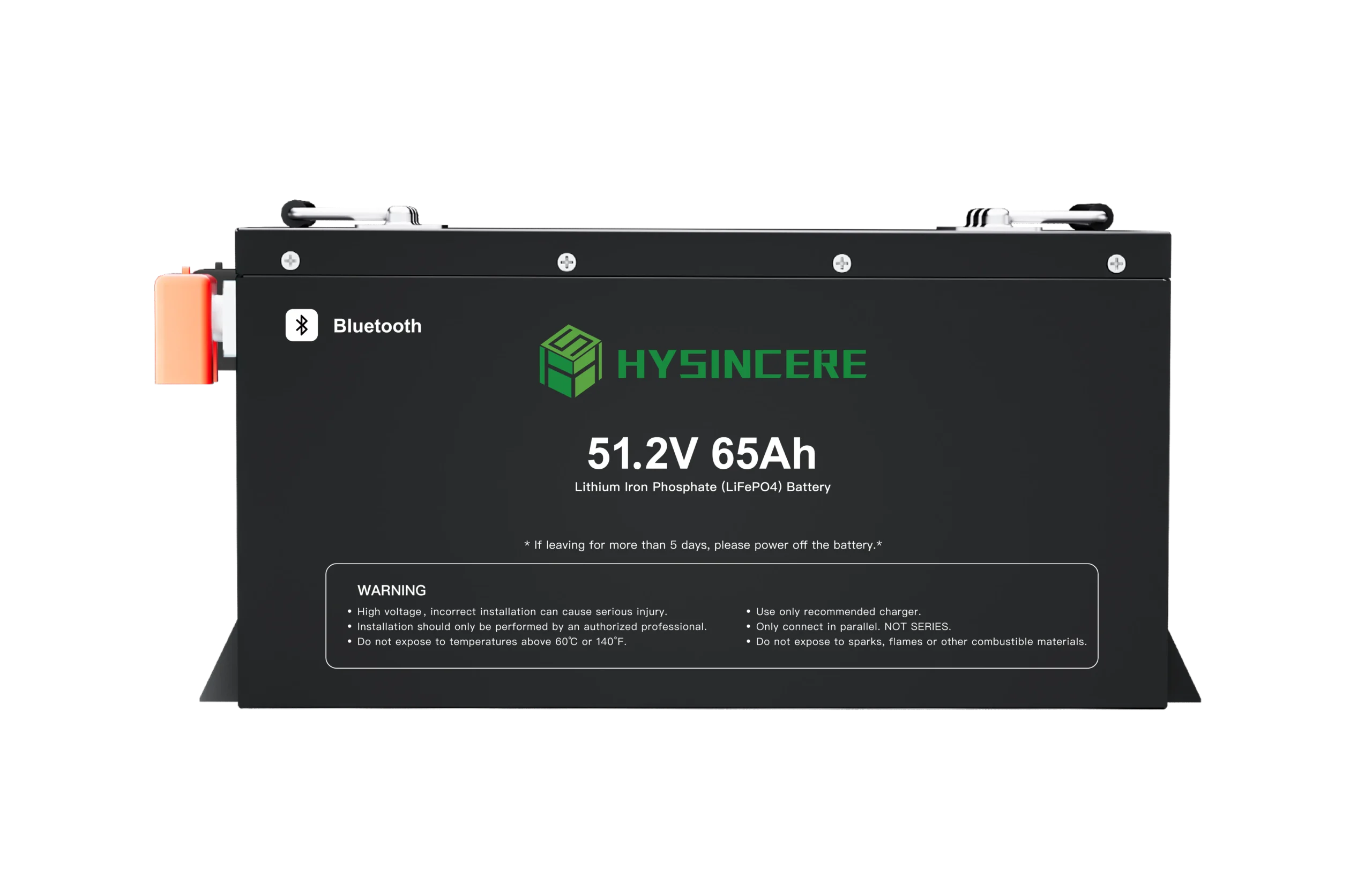
Hysincere GF5165N-B 51.2V 65Ah LiFePO4 golf cart battery front view

GF5165N-B 51.2V 65Ah golf cart LiFePO4 battery

51.2V
65Ah
3328Wh
32kg

Golf Cart Battery Selection

What Makes a Golf Cart Lithium Battery Fit?

Replacing a lead-acid pack is not just a voltage swap. The battery has to work with the controller, motor, charger and battery bay, then cover the longest route or shift without running short.

Hysincere supplies 51.2V and 76.8V LiFePO4 battery options for golf course fleets, resort shuttles, neighborhood carts and utility vehicles. For distributors, fleet operators and OEM projects, we check route length, hills, passenger or cargo load, peak-current demand, charging time and installation space before recommending a model.

51.2V for 48V-Class Carts

A common starting point for standard 48V golf carts. The controller, charger profile, daily route and battery-bay dimensions still need to be checked.

76.8V for Higher-Voltage Systems

For higher-voltage or modified vehicles, the motor, controller, peak-current demand and charger need to be confirmed together.

Lead-Acid to Lithium Conversion

We compare the old battery bank, cable layout, charger, mounting points and available space so the new LiFePO4 system can be installed without guesswork.

Match the Battery to the Daily Work

Vehicle type is only the starting point. The battery still has to match the original voltage, controller demand, longest route, passenger or cargo load, charging window and available space. These examples show how the checks change across course, street-legal and utility use.

What We Check Before Recommending a Battery

The vehicle gives us the starting point. These four checks narrow down the voltage platform, capacity, discharge current and installation fit.

Electrical System

Original battery voltage, controller current limit, motor rating and charger model. Tell us if the controller or motor has been changed.

A Typical Day

Distance or operating hours, hills, stop-start use, and how much time the vehicle has to recharge.

Load on the Vehicle

Usual passenger count, cargo, lifted suspension, larger tires and any added electrical accessories.

Battery Bay

Internal dimensions, terminal position, cable routing, hold-down points and room for service.

Golf Cart Battery Direction by Vehicle Setup

This table is a starting point, not a final fitment check. The controller, charger, battery bay and daily workload still need to be confirmed.

Vehicle Setup Electrical System Battery Direction Confirm Before Selection
Standard course and resort carts 48 V-class system 51.2 V LiFePO4 platform Route, hills, passenger load, charger and battery-bay dimensions
Higher-voltage or modified carts Confirm original voltage and modifications 51.2 V or 76.8 V, matched to the controller and motor Controller and motor ratings, peak current, charger and available space
Street-legal and neighborhood vehicles Confirm the original system voltage 51.2 V, 76.8 V or a project-specific pack Accessories, passenger load, controller settings, charger and daily road use
Utility vehicles and fleet projects Confirm voltage, current and duty cycle Standard platform or project-specific pack Payload, slopes, repeated starts, operating hours and charging schedule

Common Golf Cart Operating Scenarios

The name on the vehicle only tells part of the story. Route, load and charging routine are what change the battery requirement.

Golf Cart Lithium Battery Questions

These are the checks that usually come up when replacing lead-acid batteries or planning a fleet.

Contact Us

Tell Us About Your Battery Project

Share your battery requirements with us, and our team will help you find the right solution.