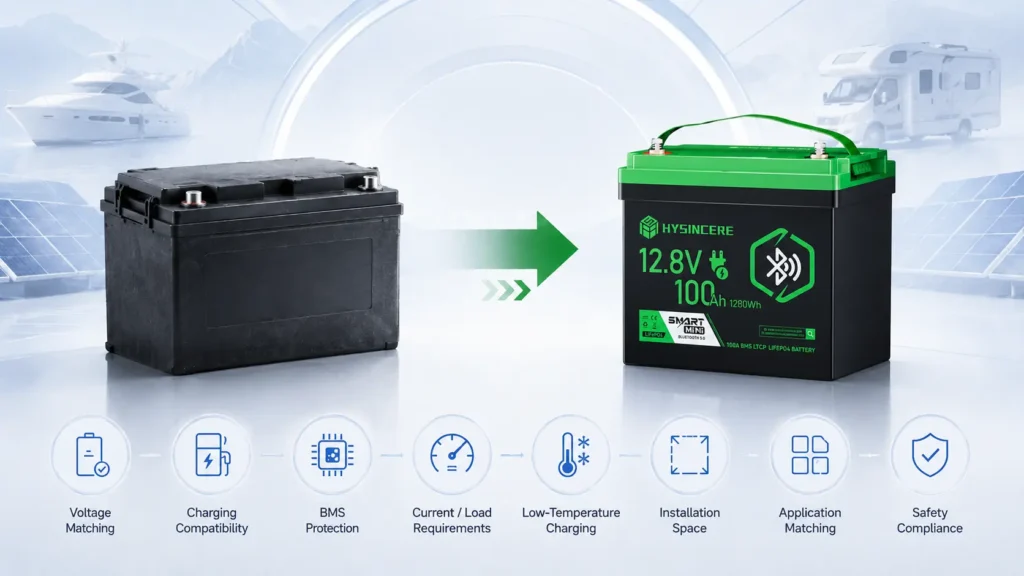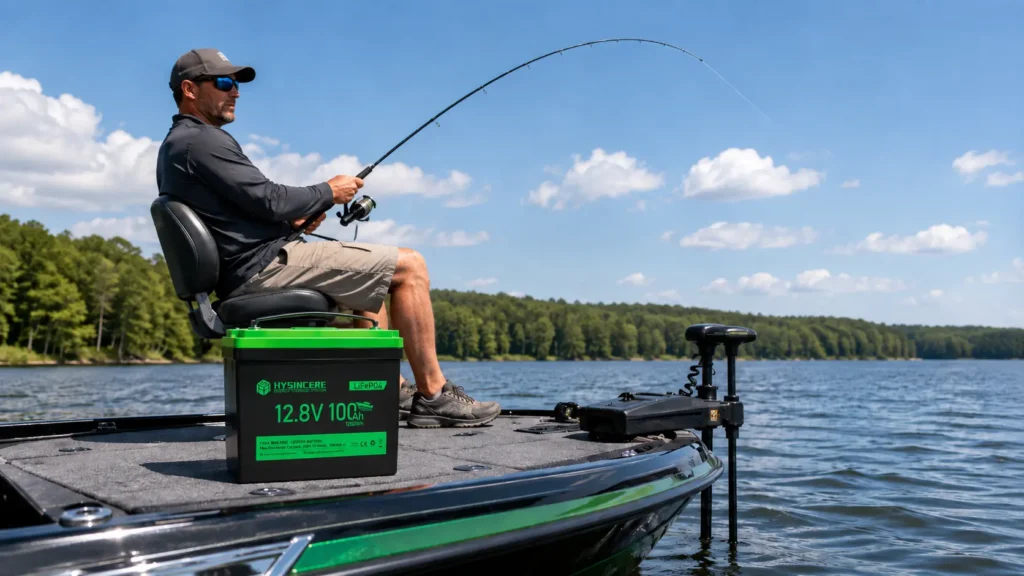
Trolling Motor Lithium Batteries

Hysincere lithium trolling motor battery solutions for 12V, 24V and 36V electrical systems. Match the motor's rated voltage and maximum current first, then check expected run time, boat load, BMS limits, charger, wiring and battery space.
hysincere-12v-100ah-regular-lifepo4-battery-lf12100-hl-tm

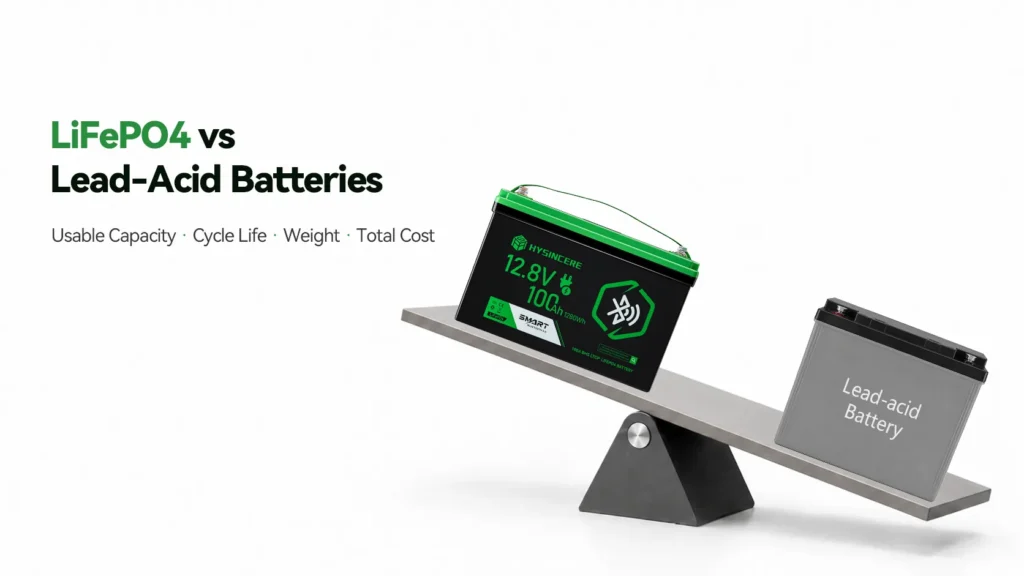
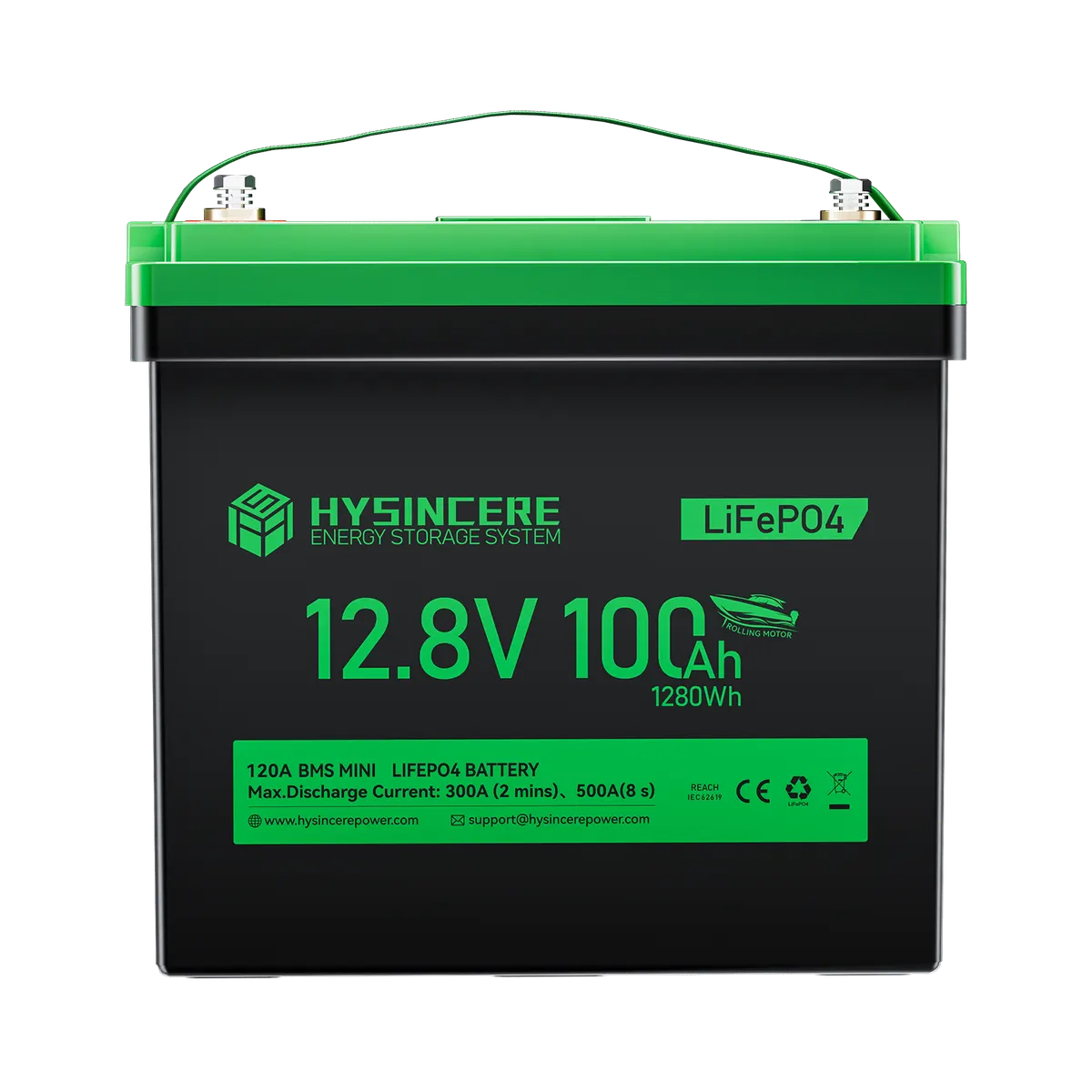
LF12100-HL-TM 12.8V 100Ah LiFePO4 lead-acid replacement battery

12.8V
100Ah
1280Wh
8.95kg

Trolling Motor Battery Selection

Match the Motor Before You Size the Battery

Start with the motor's rated voltage and maximum current draw. Capacity comes next.

For a trolling-motor project, we estimate the energy needed from the installed motor's current draw and expected time on the water, then check loaded boat weight, wind and current, charger profile, cable length, circuit protection and the battery compartment. This keeps the recommendation tied to the real electrical system instead of a generic 'all-day' claim.

Correct System Voltage

The battery bank must match the trolling motor's 12V, 24V or 36V platform. A series bank is considered only when the battery manufacturer permits the layout and the completed bank meets the motor's voltage and current requirements.

Current and Run Time

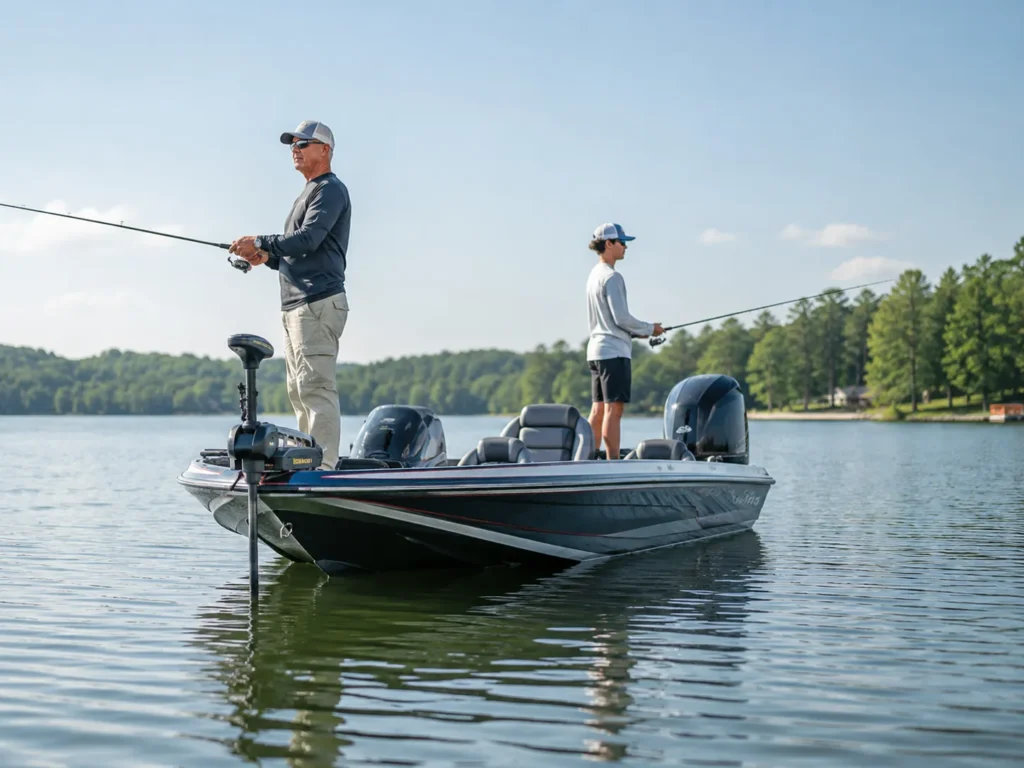
Ah is sized from the motor's current draw and expected duty cycle, with allowance for heavier loads, strong wind or current and the reserve needed to get back.

Charging and Installation

We confirm the lithium charging profile, BMS current limit, cable size, breaker or fuse, terminal layout and available battery-bay space before a configuration is recommended.

Choose by Motor Voltage and Duty

Boat type helps explain the operating conditions, but the battery bank still has to match the motor nameplate, current draw, trip profile and installation. These are system directions, not automatic product matches.

What We Check Before Recommending a Trolling Motor Battery

Voltage prevents a wrong system match. The next three checks determine current margin, usable run time and whether the installation can be built correctly.

Motor Voltage & Current

Confirm the rated voltage and maximum current from the motor label or manual. The battery BMS must support the required continuous and short-duration current.

Time on the Water

Trip length is not the same as motor run time. Estimate how long the motor works and at what power level instead of assuming full power all day.

Boat Load & Conditions

Passengers, gear, loaded boat weight, wind and current can keep the motor at a higher draw for longer.

Charger & Installation

Check the lithium charge profile, cable length and gauge, breaker or fuse, terminals, battery restraint and compartment dimensions.

Trolling Motor Battery Direction by Electrical System

Use the motor label or manual as the starting point. Final selection still depends on current, duty cycle, charger, wiring and the exact battery data.

Setup Voltage to Confirm Battery Direction What Decides Capacity
Kayak or small transom motor 12V motor 12.8V deep-cycle LiFePO4 Maximum current, trip time and compartment
General fishing boat 24V motor 25.6V pack or an approved matched bank Average draw, wind/current, charger and available space
High-thrust fishing boat 36V motor 36V-class bank built from batteries approved for the intended series layout Continuous current, return reserve, charger and cable run
Long-day or fleet duty Match the installed motor Same voltage with the energy target set from duty Daily use, recharge window and return reserve

Typical Trolling Motor Operating Profiles

The same motor can use very different amounts of energy on a calm lake and in wind or current. These profiles show what needs to be measured.

Trolling Motor Lithium Battery Questions

These checks help avoid the two most common mistakes: choosing voltage from boat size and estimating run time from Ah alone.

Contact Us

Tell Us About Your Battery Project

Share your battery requirements with us, and our team will help you find the right solution.