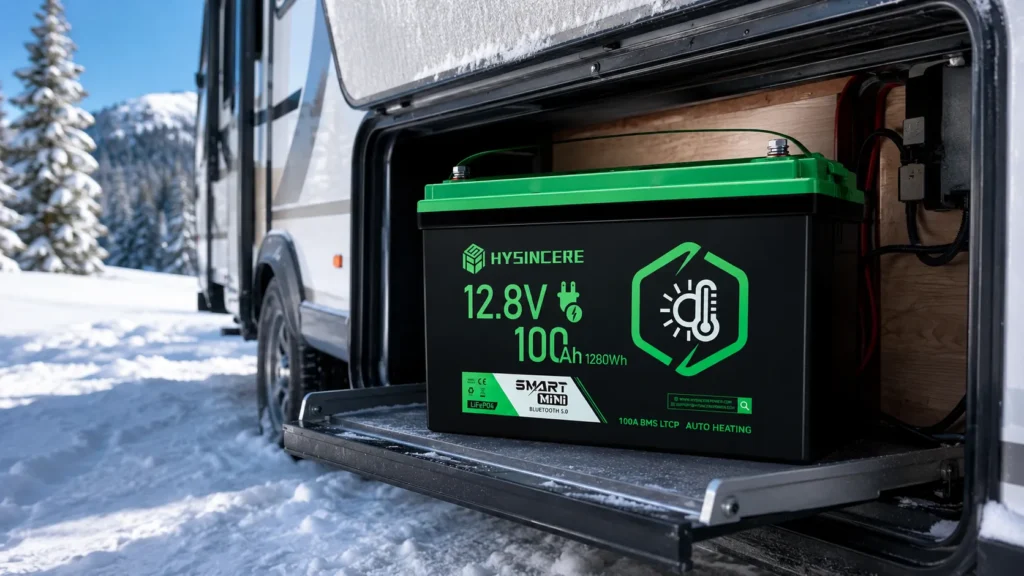
Cold Weather LiFePO4 Batteries

Self-heating LiFePO4 battery options for RVs, marine systems, winter off-grid power and outdoor equipment. Selection is based on actual cell temperature, charging conditions and the load—not air temperature alone.
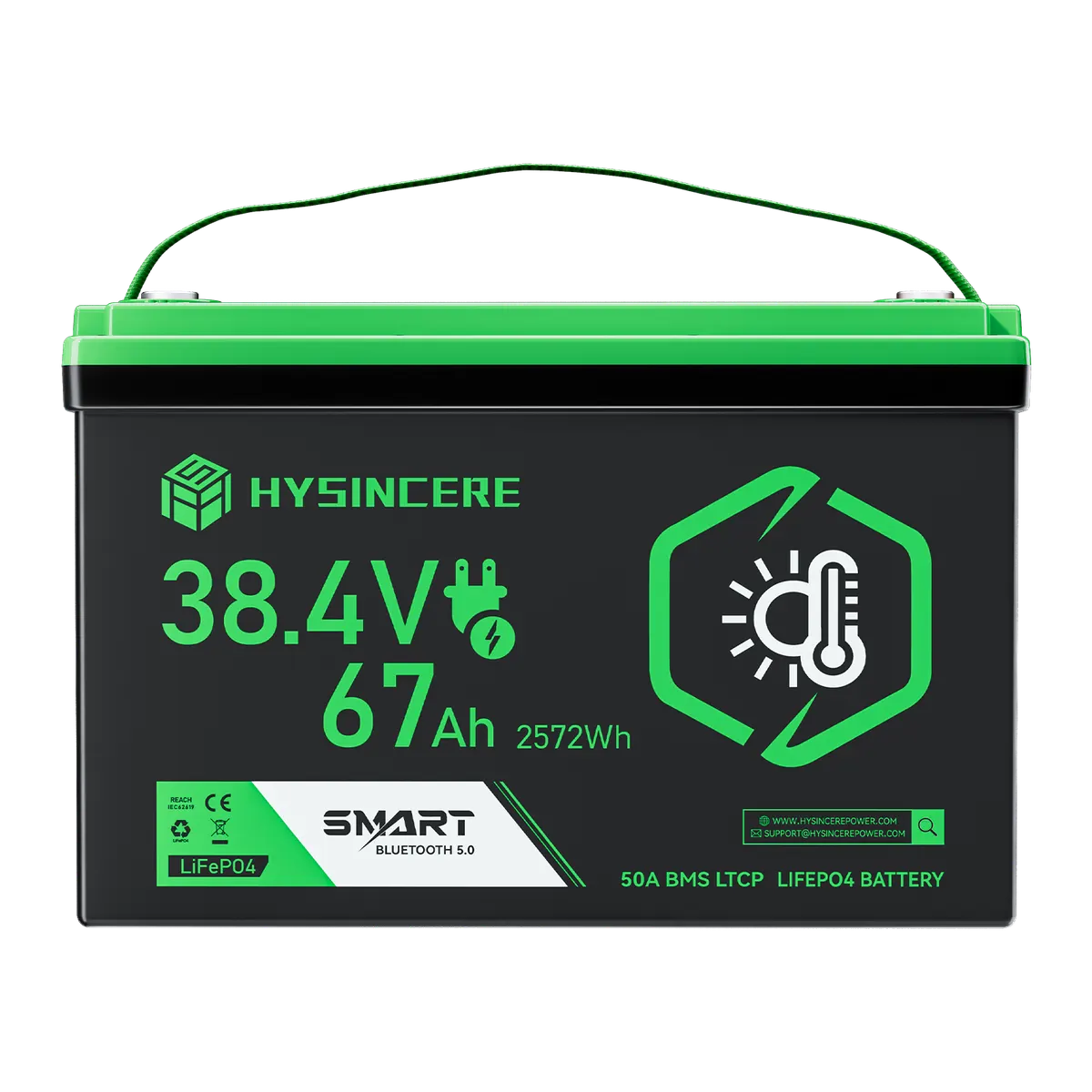
Hysincere LF3867N-BJ 38.4V 67Ah self-heating LiFePO4 battery

LF3867N-BJ 38.4V 67Ah self-heating LiFePO4 battery

38.4V
67Ah
2572Wh
17.3kg
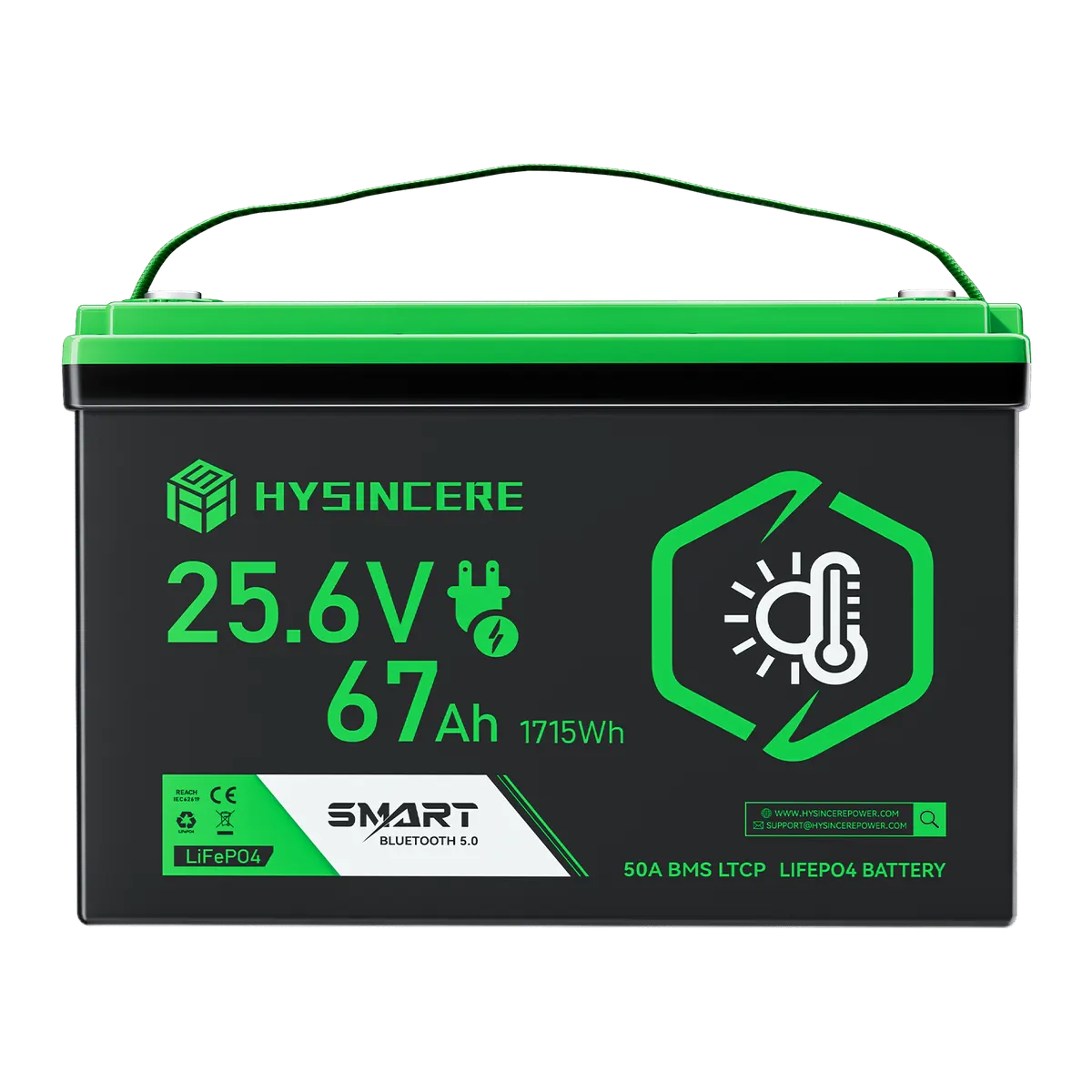
Hysincere LF2467N-BJ 25.6V 67Ah self-heating LiFePO4 battery

LF2467N-BJ 25.6V 67Ah self-heating LiFePO4 battery

25.6V
67Ah
1715Wh
12.4kg
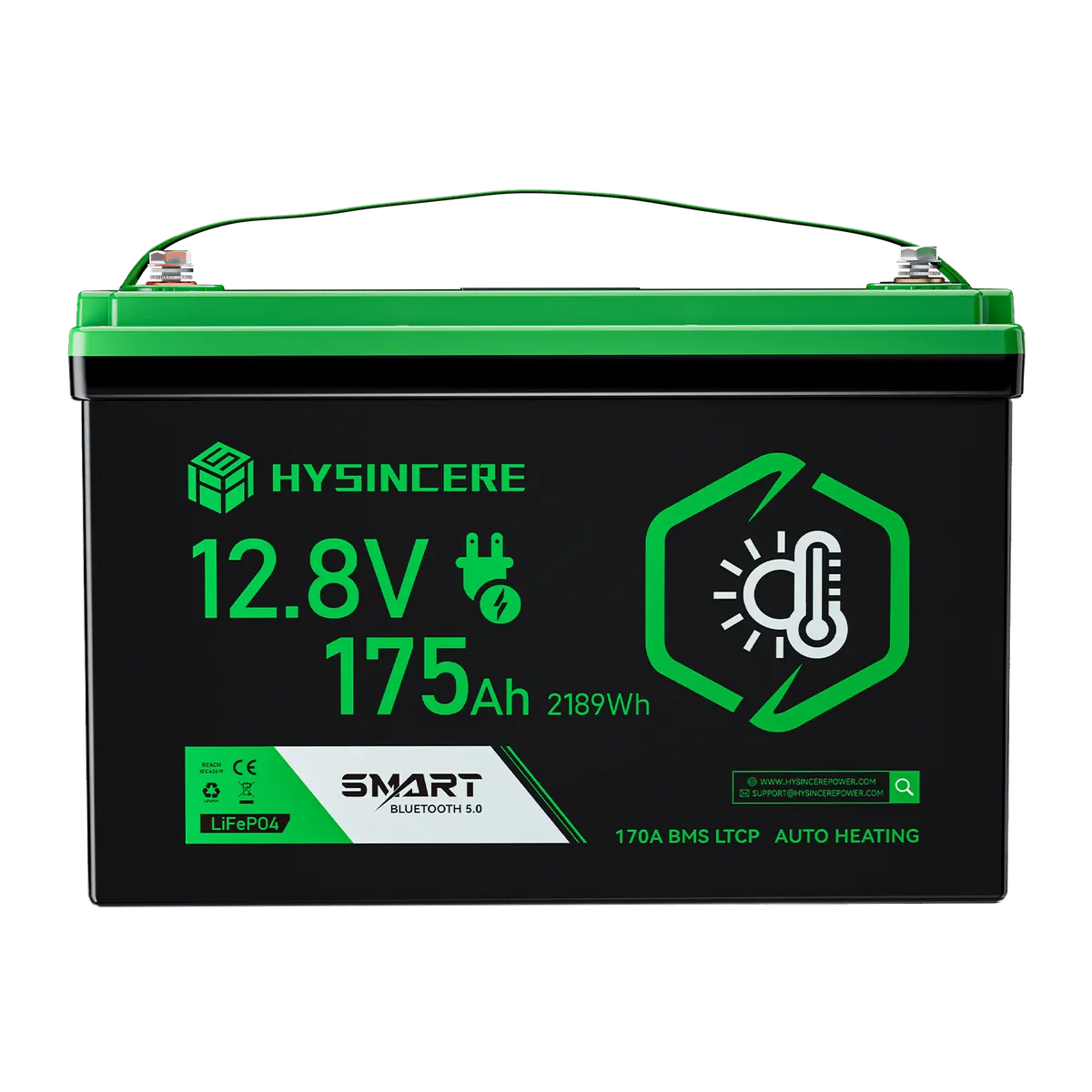
Hysincere LF12175N-BJ 12.8V 175Ah self-heating LiFePO4 battery

LF12175N-BJ 12.8V 175Ah self-heating LiFePO4 battery

12.8V
175Ah
2188.8Wh
17kg
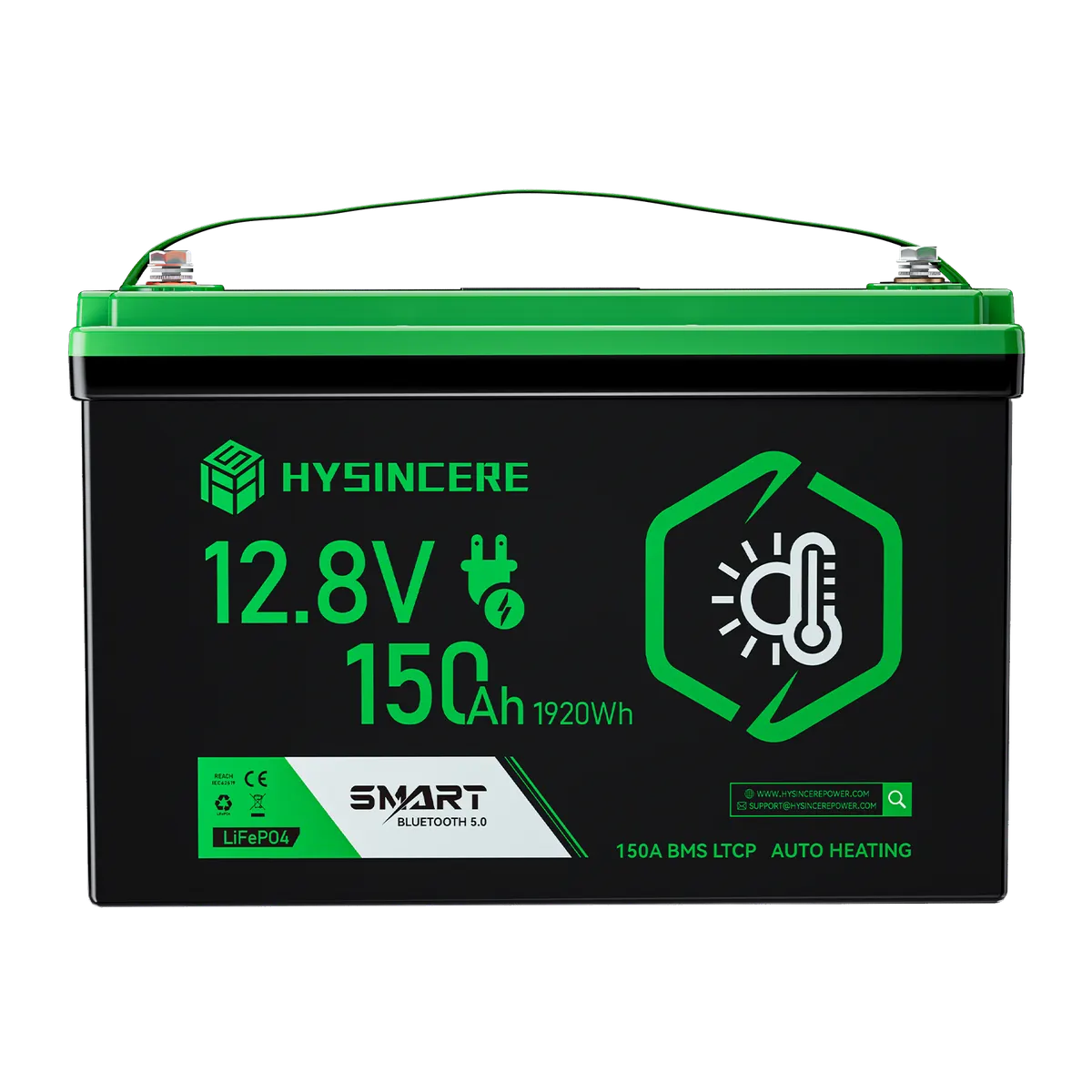
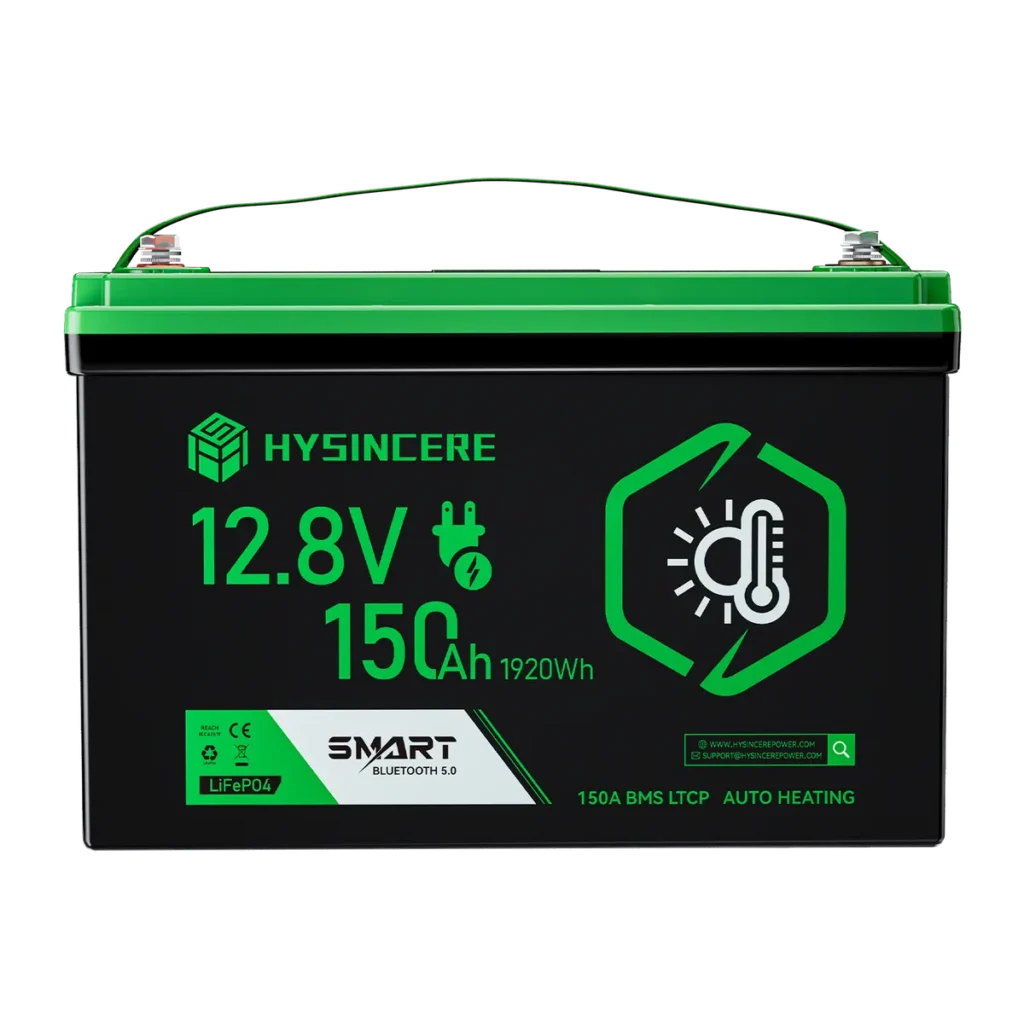
Hysincere LF12150N-BJ 12.8V 150Ah self-heating LiFePO4 battery

LF12150N-BJ 12.8V 150Ah self-heating LiFePO4 battery

12.8V
150Ah
1920Wh
15.4kg
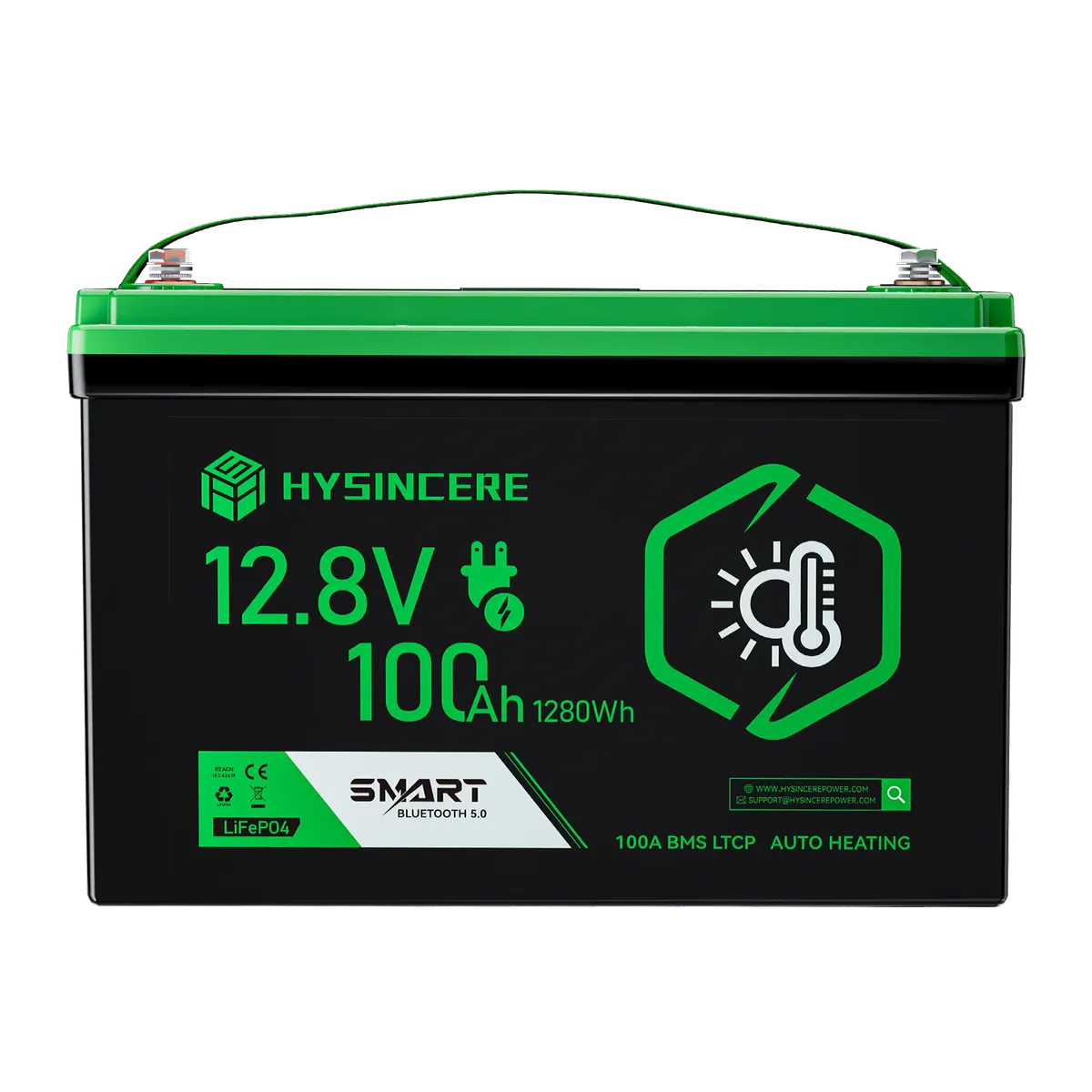
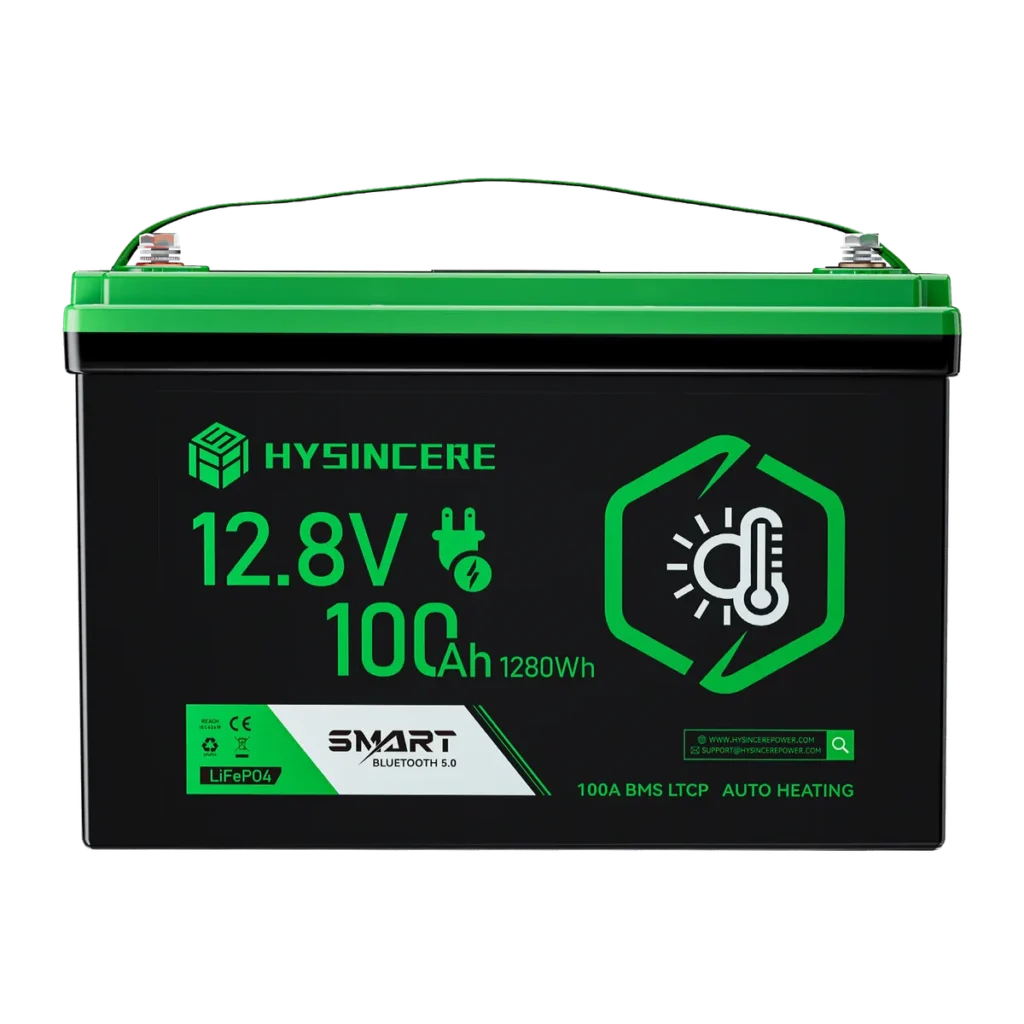
Hysincere LF12100M-BJ 12.8V 100Ah self-heating LiFePO4 battery

LF12100M-BJ 12.8V 100Ah self-heating LiFePO4 battery

12.8V
100Ah
1280Wh
9.46kg
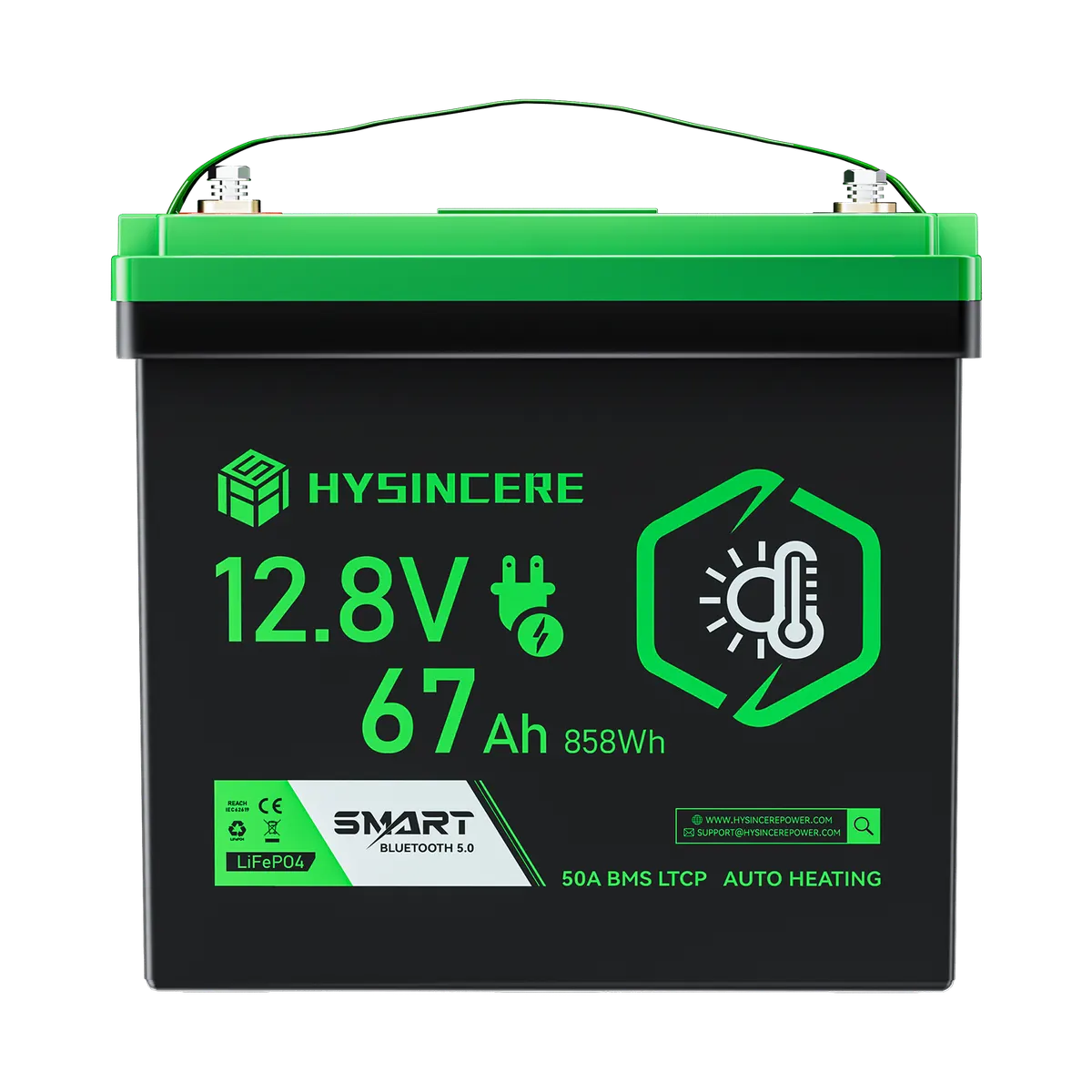
Hysincere LF1267N-BJ 12.8V 67Ah self-heating LiFePO4 battery

LF1267N-BJ 12.8V 67Ah self-heating LiFePO4 battery

12.8V
67Ah
858Wh
6.2kg
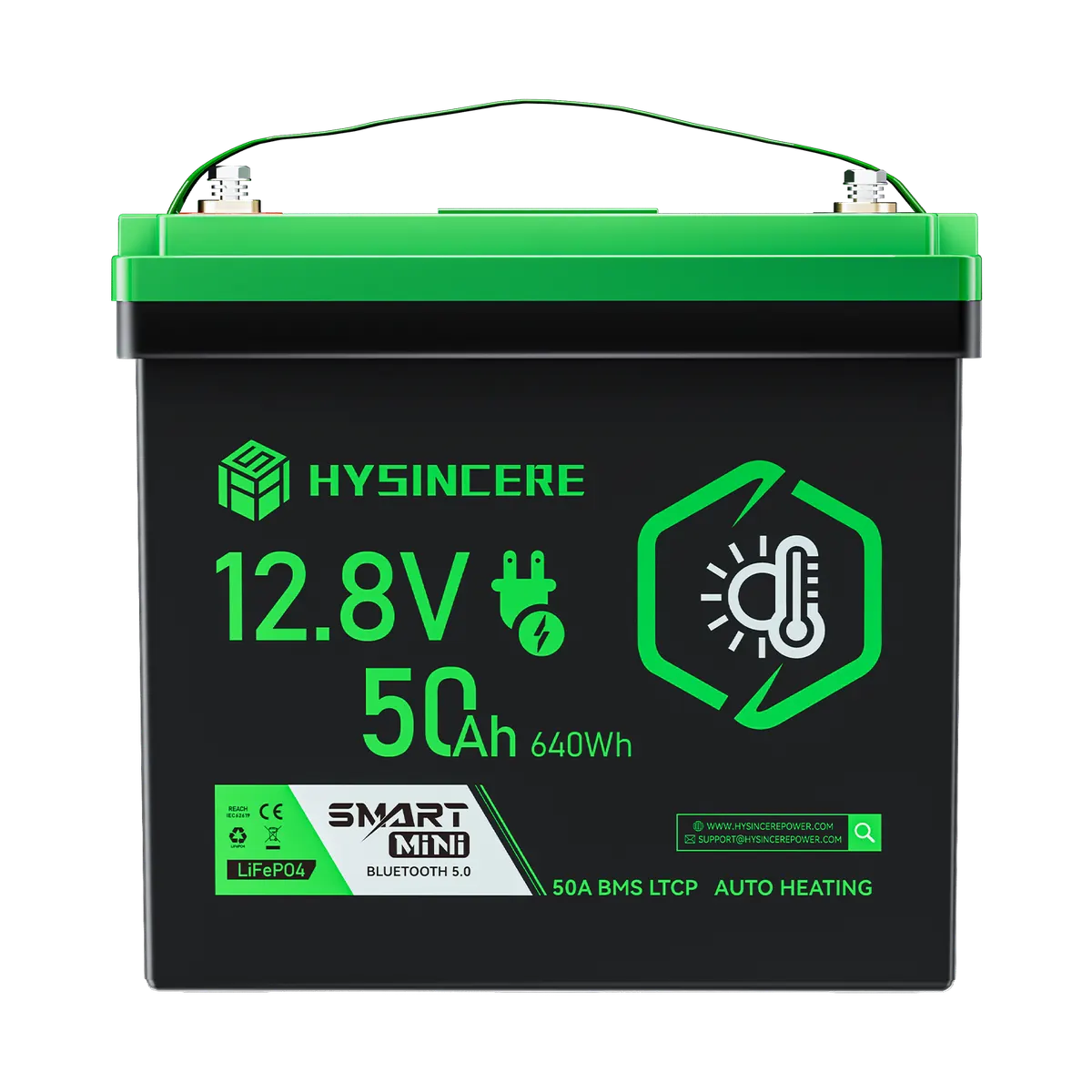
Hysincere LF1250N-BJ 12.8V 50Ah self-heating LiFePO4 battery

LF1250N-BJ 12.8V 50Ah self-heating LiFePO4 battery

12.8V
50Ah
640Wh
5.9kg

Cold-Weather Battery Selection

Plan Cold-Weather Charging Separately

A battery may still power a load when it is too cold to accept a charge. Those limits are not the same, so winter planning starts with the battery's actual temperature and the way it will be recharged.

For a cold-weather LiFePO4 project, we check where the battery is installed, how long it may remain cold-soaked, which chargers are connected and whether charging power is available for the heating process. The load, BMS protection, heater logic, enclosure and cable system then have to be reviewed together. Exact limits and heating behaviour always come from the selected model's data, not a universal temperature claim.

Separate Charging From Discharging

Low-temperature discharge and low-temperature charging are different operating conditions. A system that can still run a load may need to block charging until the cells are ready.

Confirm How Heating Is Powered

A self-heating battery still needs a defined energy source and control sequence. Check when heating starts, what current is available and when normal charging is allowed.

Design the Compartment for Winter

Location, insulation, moisture, service access and cable routing affect how quickly the cells warm and how reliably the system operates.

Where Cold-Weather Battery Planning Changes

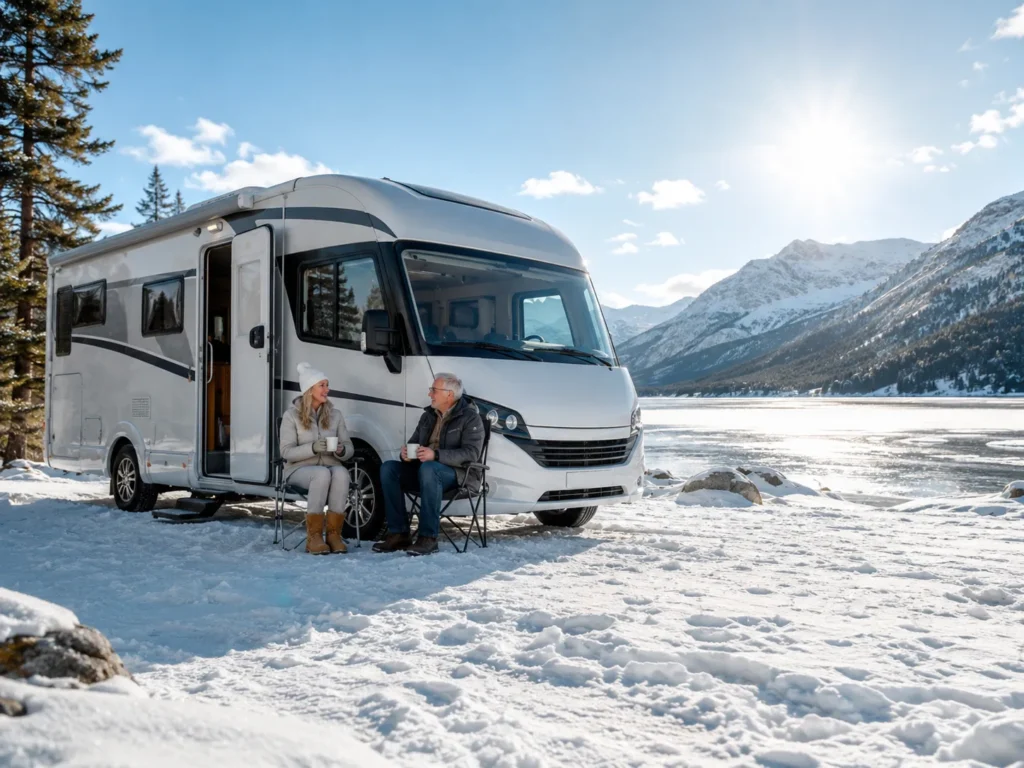
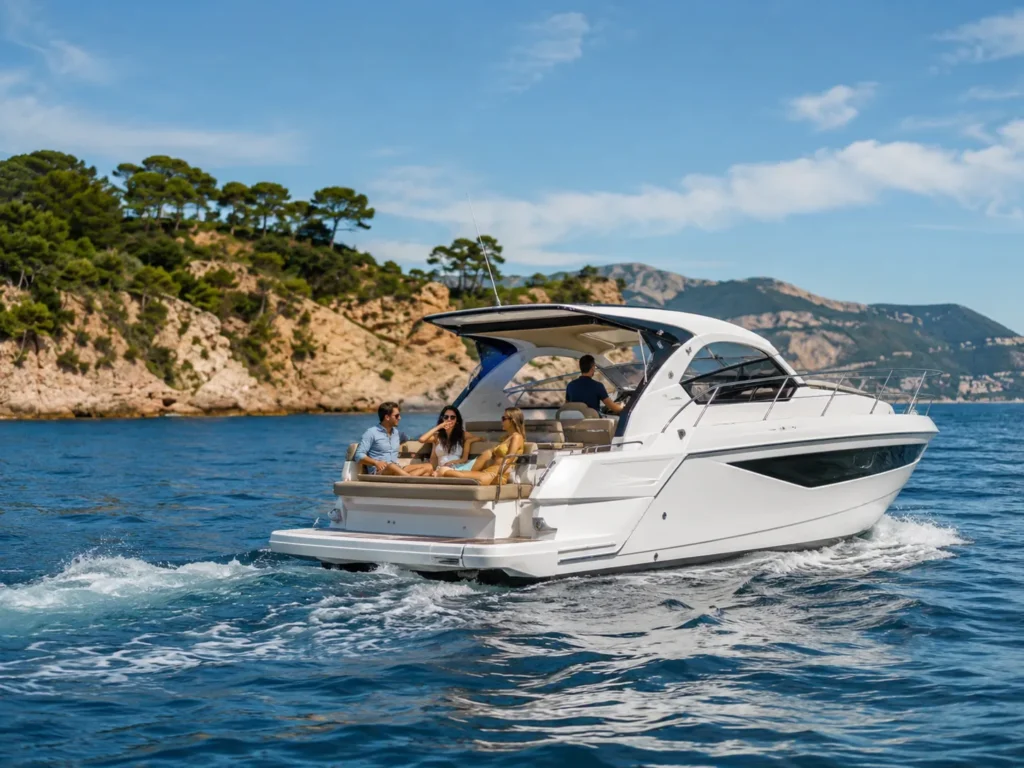
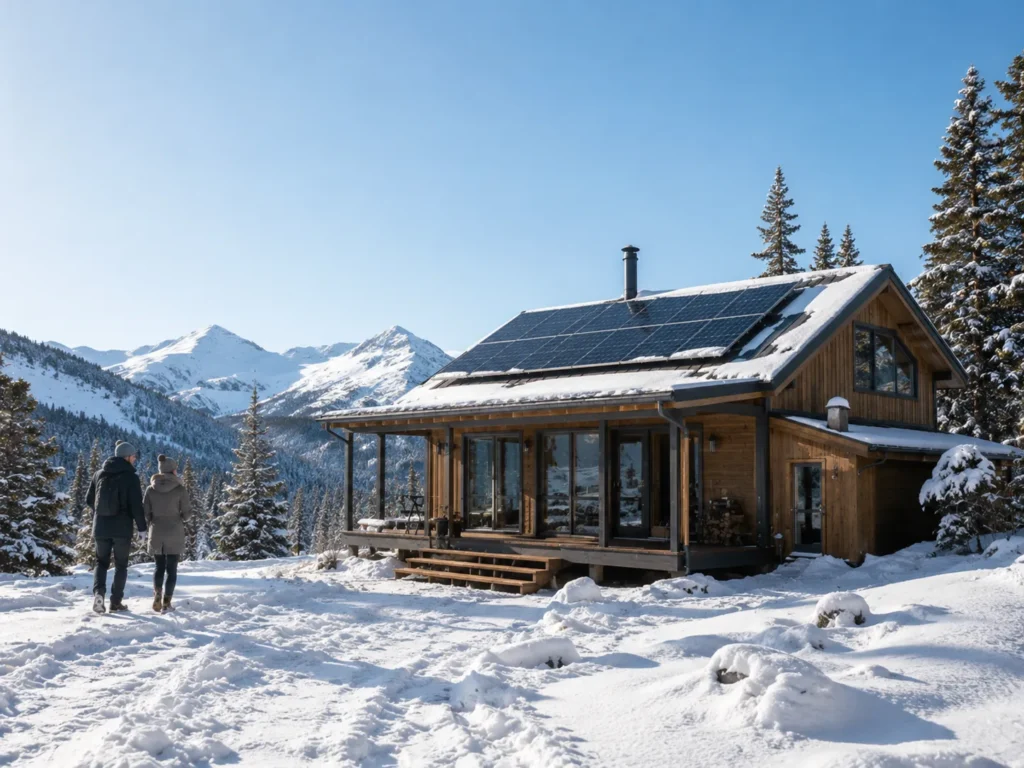
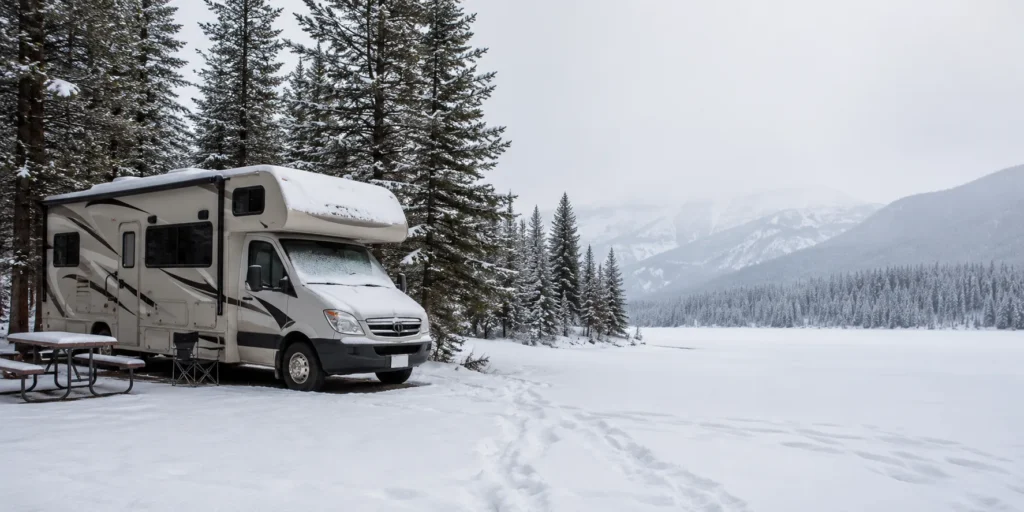
The same self-heating battery can behave very differently in an insulated RV compartment, a damp marine locker or an outdoor solar cabinet. These applications show what needs to be checked before a model is chosen.

What We Check for a Cold-Weather Battery

A weather forecast is only a starting point. The battery's actual condition, charging path, load and enclosure decide how the system should be configured.

Actual Cell Temperature

Air temperature and cell temperature are not always the same. Installation location, cold-soak time, enclosure and recent load all affect the cells.

Charger & Heater Power

Confirm the charger type, charging profile, available current and the selected model's heater activation and release logic.

Load & Winter Reserve

Check continuous and peak current, daily energy use and the reserve needed when cold conditions reduce the practical operating margin.

Enclosure & Installation

Review insulation, moisture protection, ventilation, cable and fuse sizing, terminal access and room for safe servicing.

Cold-Weather LiFePO4 Battery Direction

These are planning directions, not model-level temperature specifications. Final limits must be checked against the selected battery, charger and installation.

Operating Need Confirm First Battery Direction Engineering Note
Occasional cold charging Lowest cell temperature and charger behaviour LiFePO4 with verified low-temperature charge protection Charging may pause until the cells are within the permitted range
Regular winter charging Charge source, available current and heater logic Verified self-heating LiFePO4 option Heating and charging sequence must be confirmed for the exact model
Winter off-grid or solar backup Daily Wh, low-sun reserve and recovery time Self-heating deep-cycle LiFePO4 bank sized to the energy plan The charge source must cover both system loads and recovery
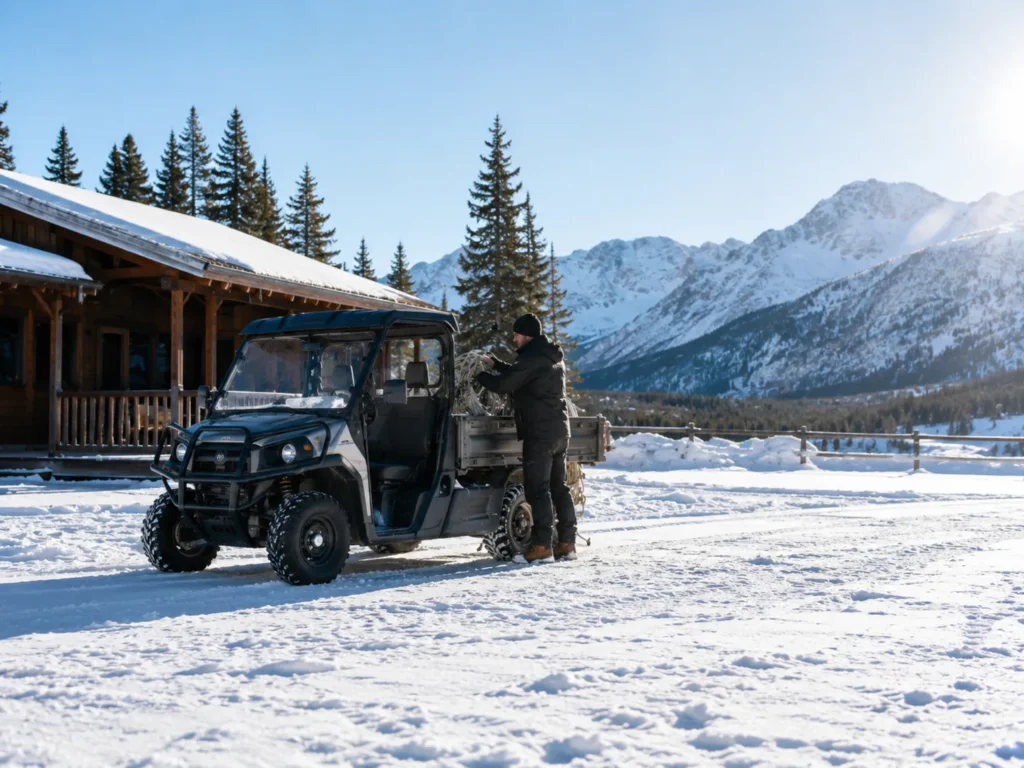
Cold outdoor high-load equipment System voltage, peak current, cold-soak time and compartment Project-matched self-heating LiFePO4 solution Check BMS current, cabling, protection and installation together

Typical Cold-Weather Operating Profiles

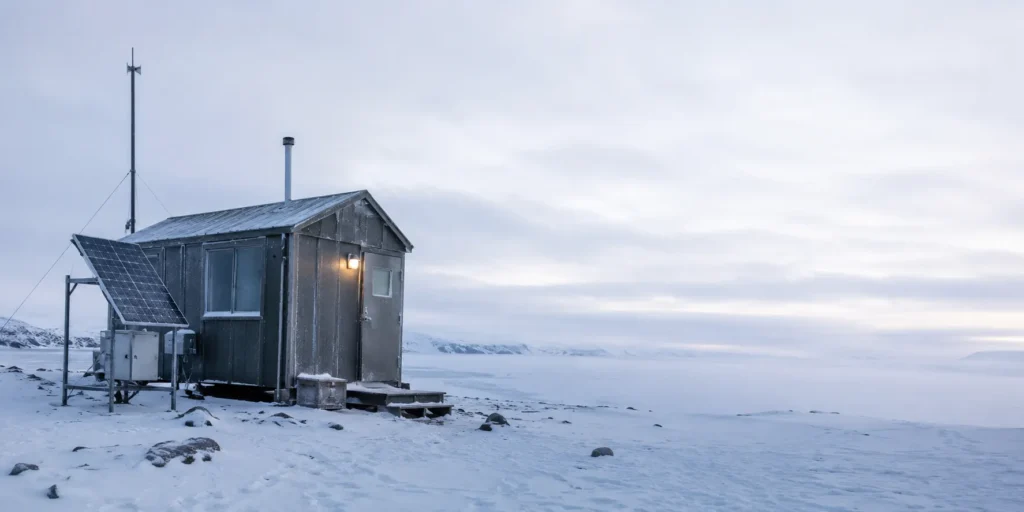
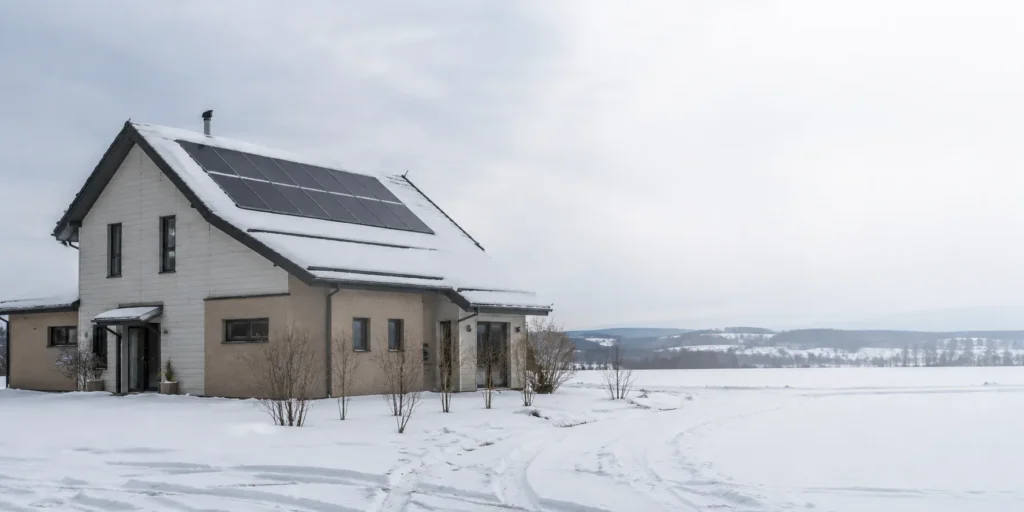
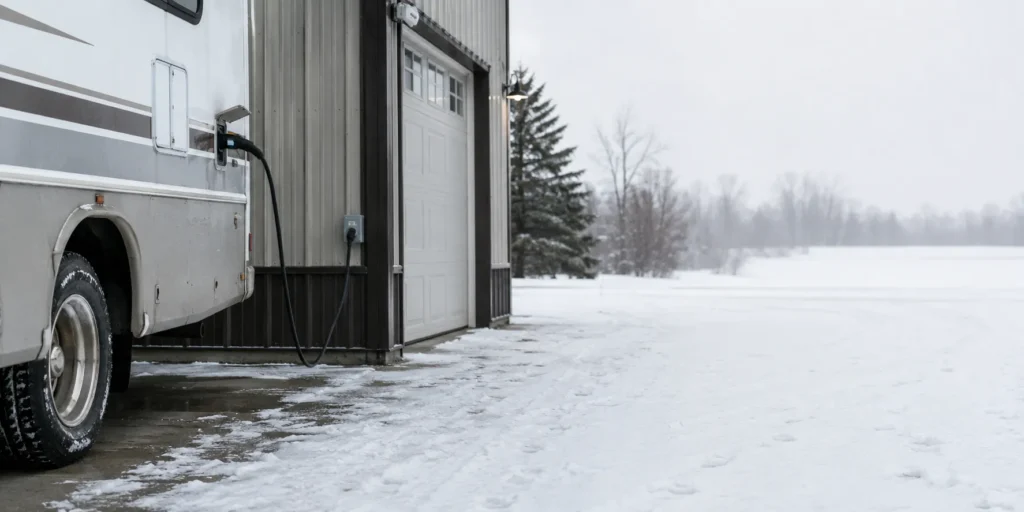
These four profiles show how time spent in the cold, charging access, load and installation location change the battery and charging plan.
Cold Weather LiFePO4 Battery Questions

Cold-weather performance depends on the exact battery, charger and installation. These answers explain the checks we make before recommending a model.

Contact Us

Tell Us About Your Battery Project

Share your battery requirements with us, and our team will help you find the right solution.