RV Lithium Battery Solutions

This page covers Hysincere lithium RV batteries for house-power systems in motorhomes, travel trailers and campers. Size the battery bank around daily energy use, peak inverter demand, charging sources, available space and the lowest charging temperature. It does not cover engine-starting batteries.
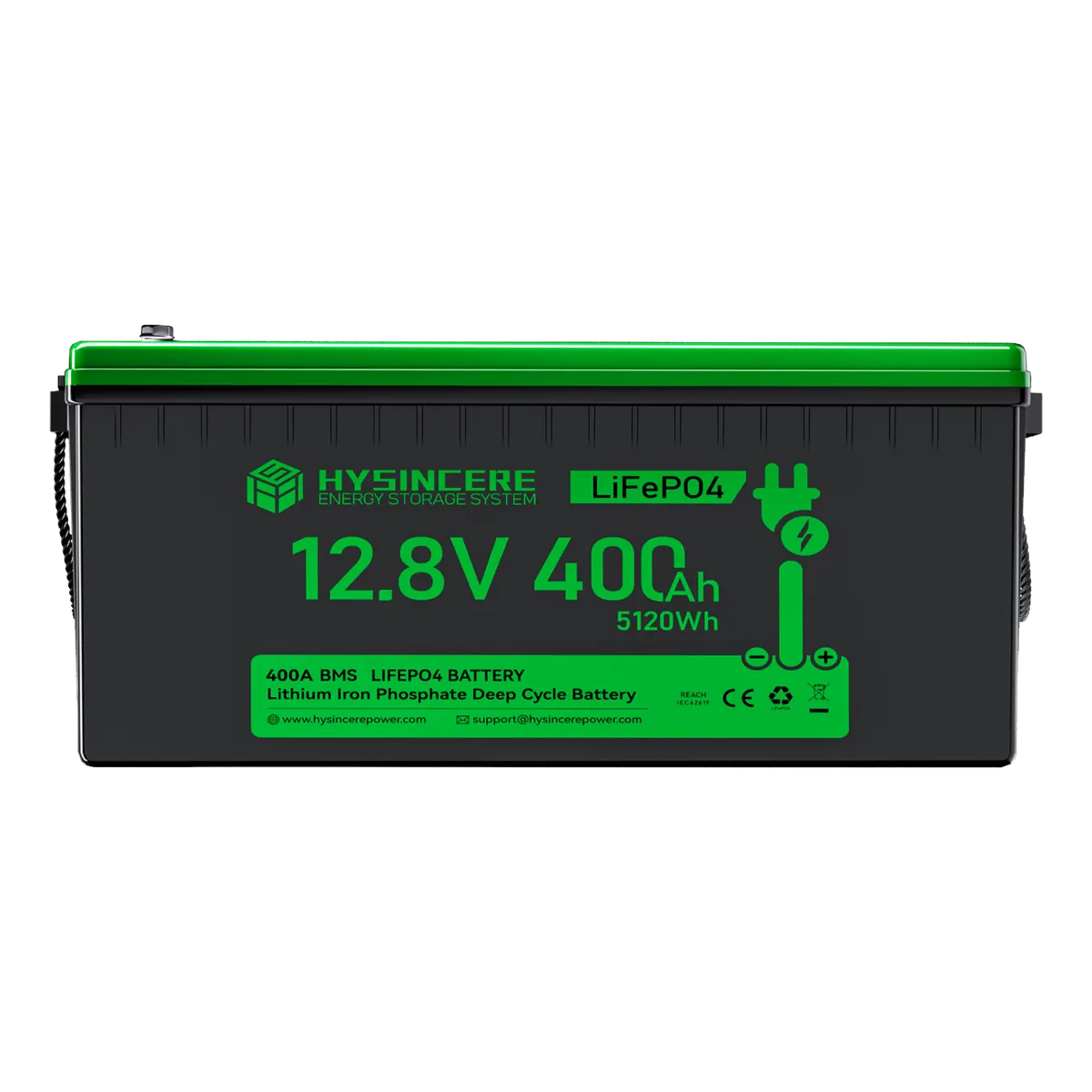
Hysincere LF12400N-HL 12.8V 400Ah LiFePO4 lead-acid replacement battery

LF12400N-HL 12.8V 400Ah LiFePO4 lead-acid replacement battery

12.8V
400Ah
5120Wh
35kg
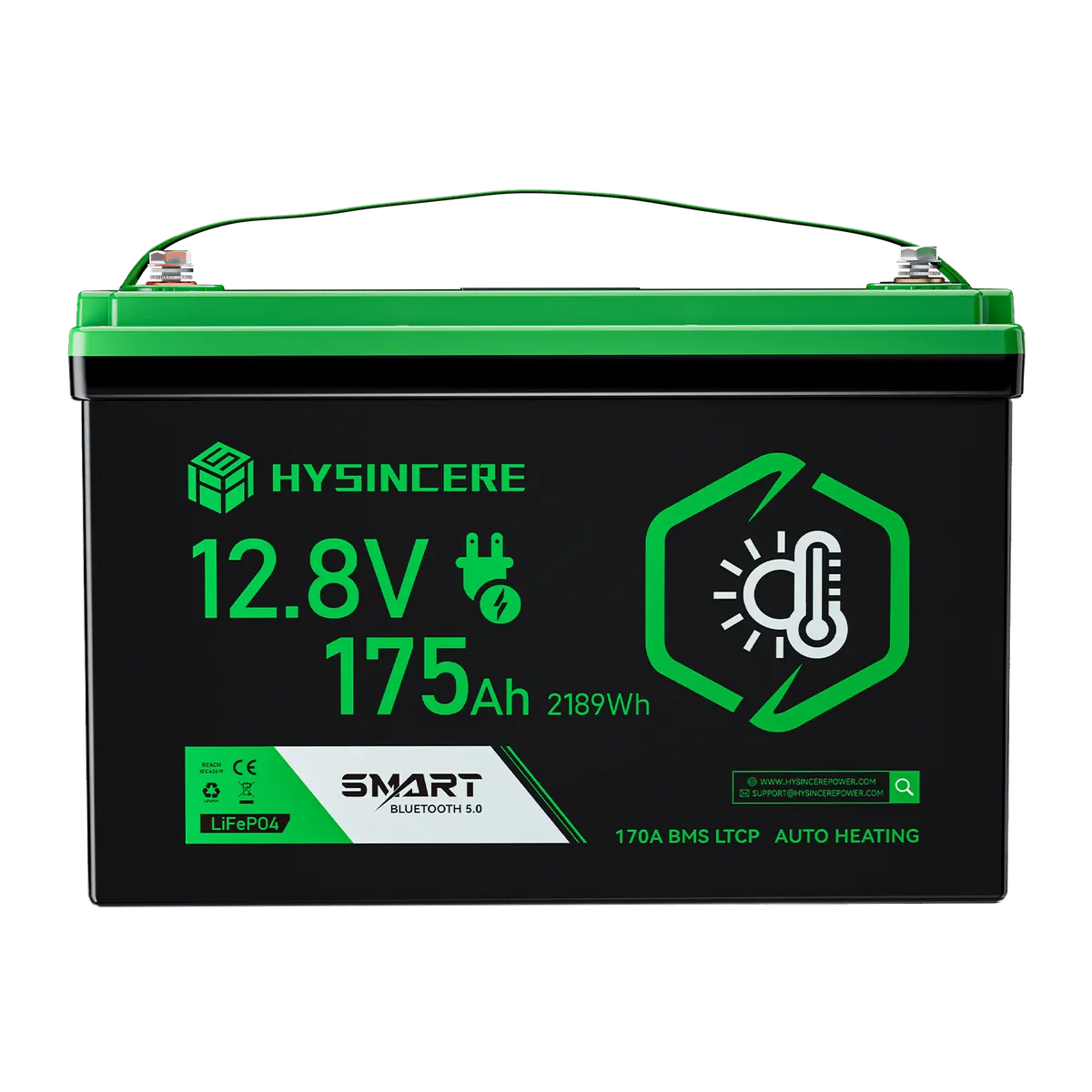
Hysincere LF12175N-BJ 12.8V 175Ah self-heating LiFePO4 battery

LF12175N-BJ 12.8V 175Ah self-heating LiFePO4 battery

12.8V
175Ah
2188.8Wh
17kg
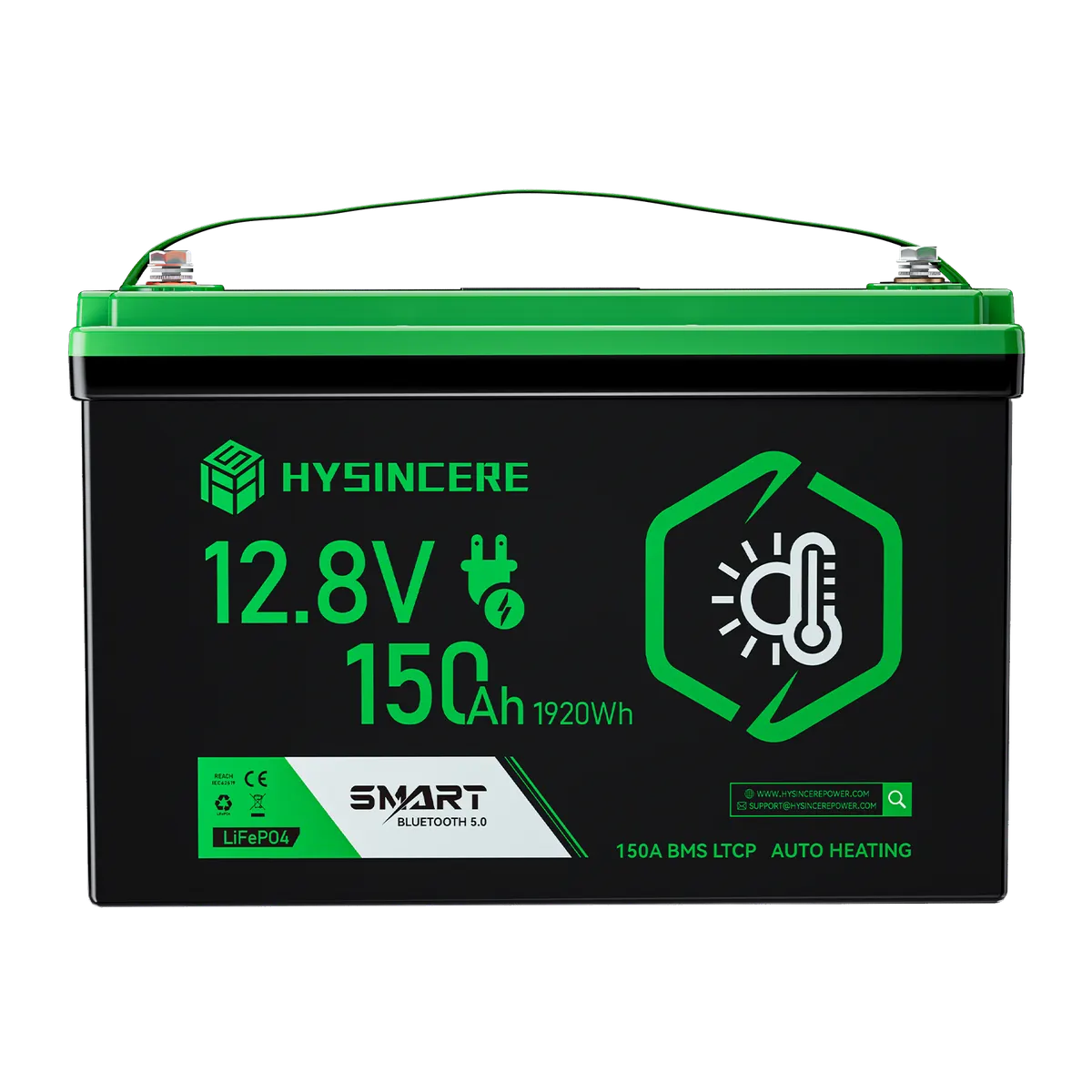
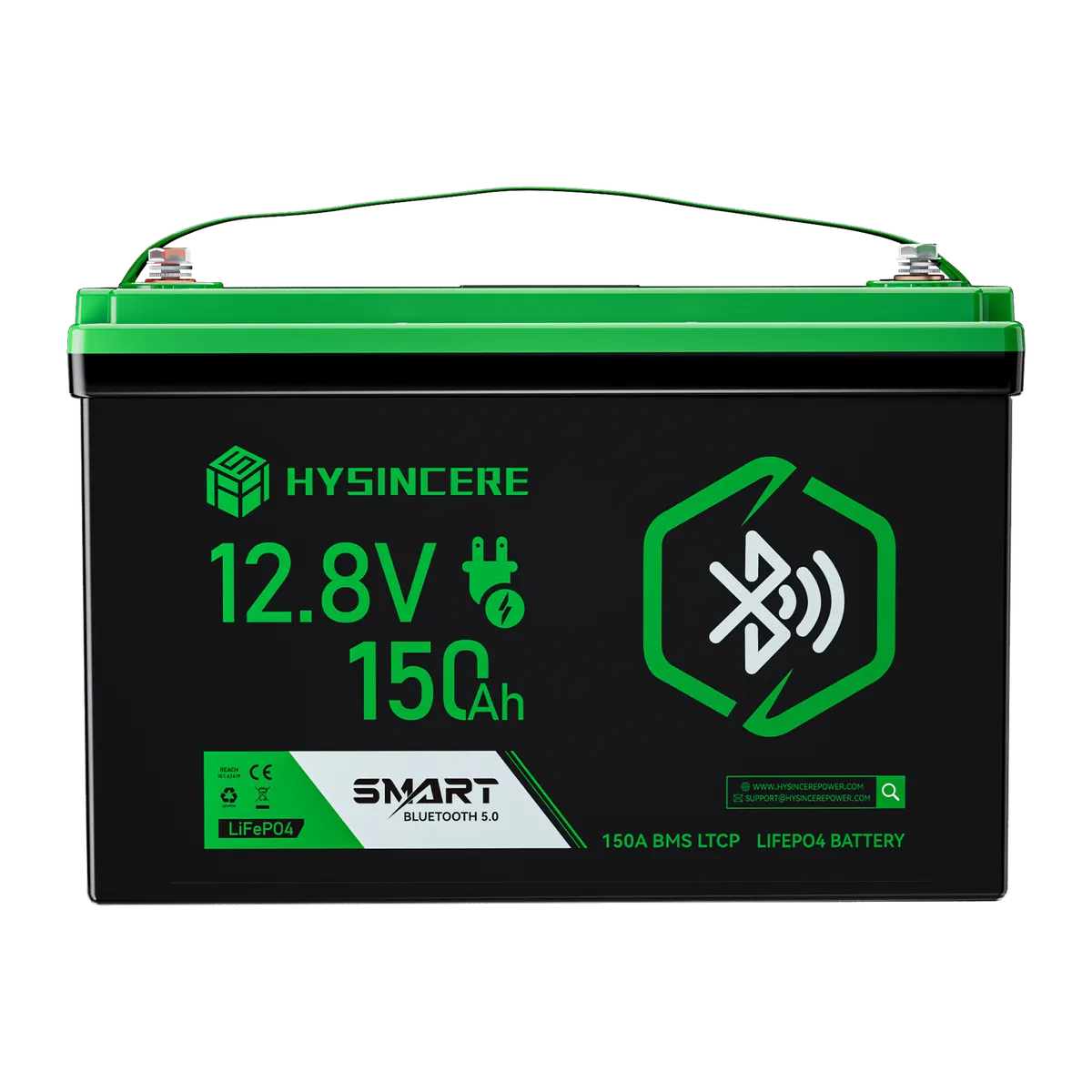
Hysincere LF12150N-BJ 12.8V 150Ah self-heating LiFePO4 battery

LF12150N-BJ 12.8V 150Ah self-heating LiFePO4 battery

12.8V
150Ah
1920Wh
15.4kg
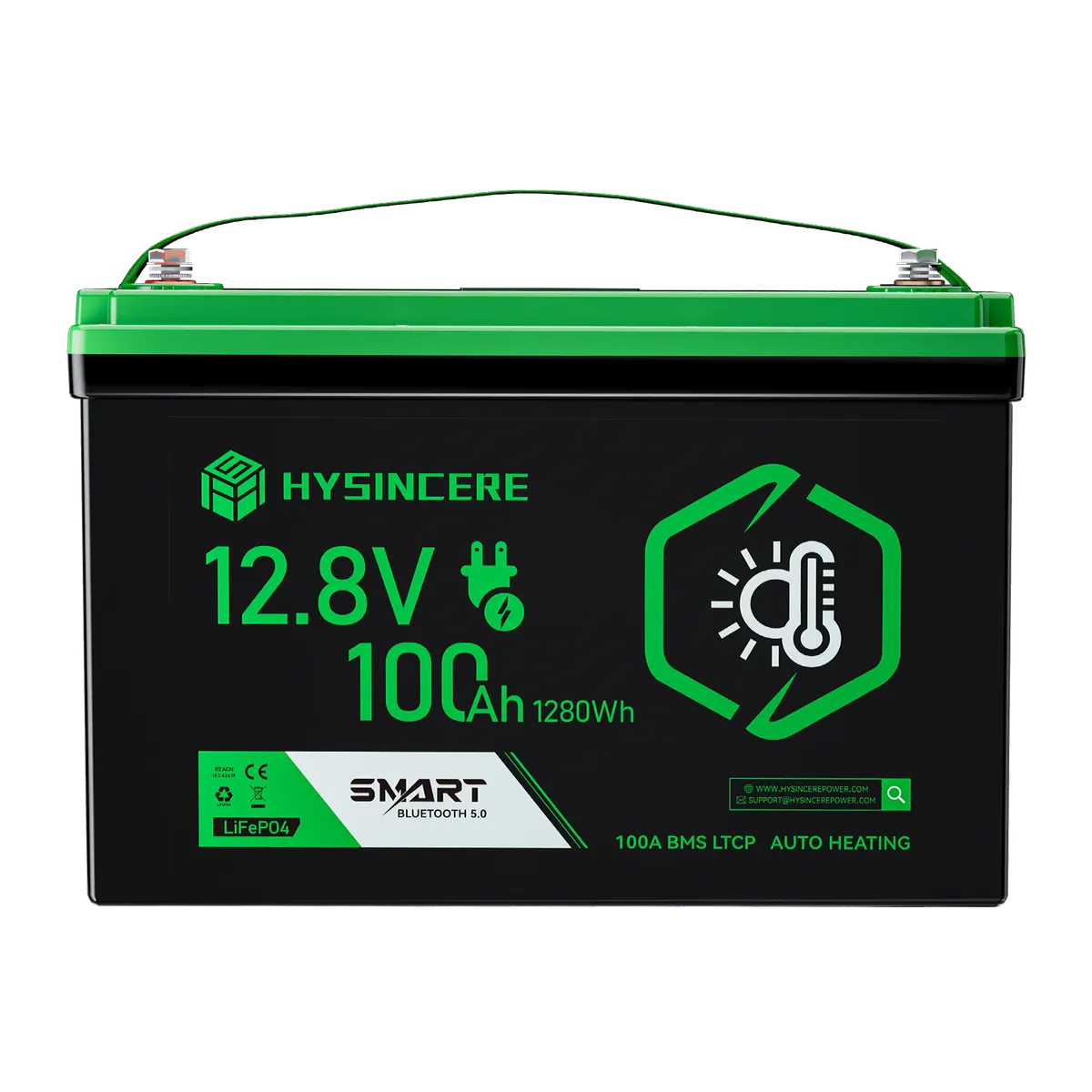
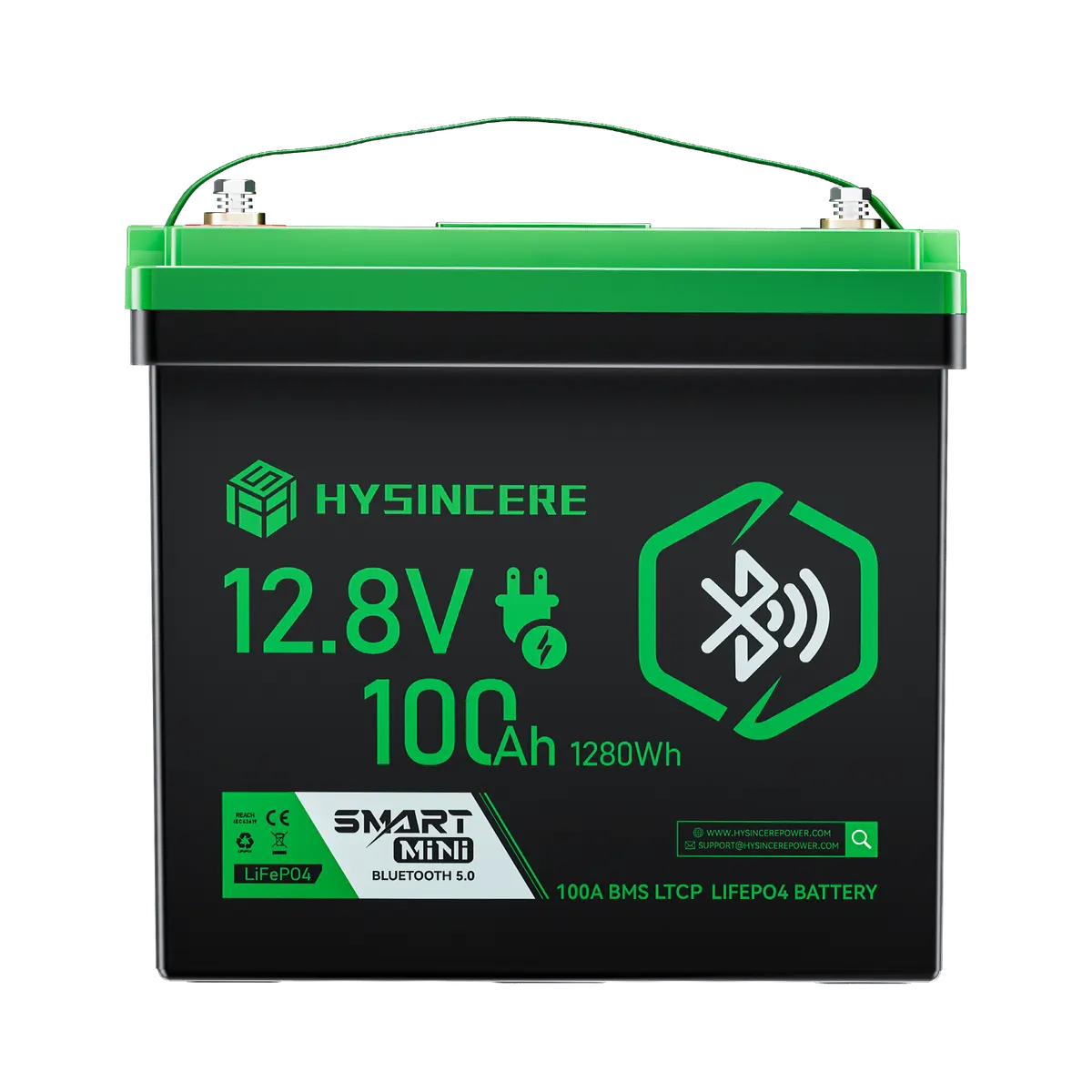
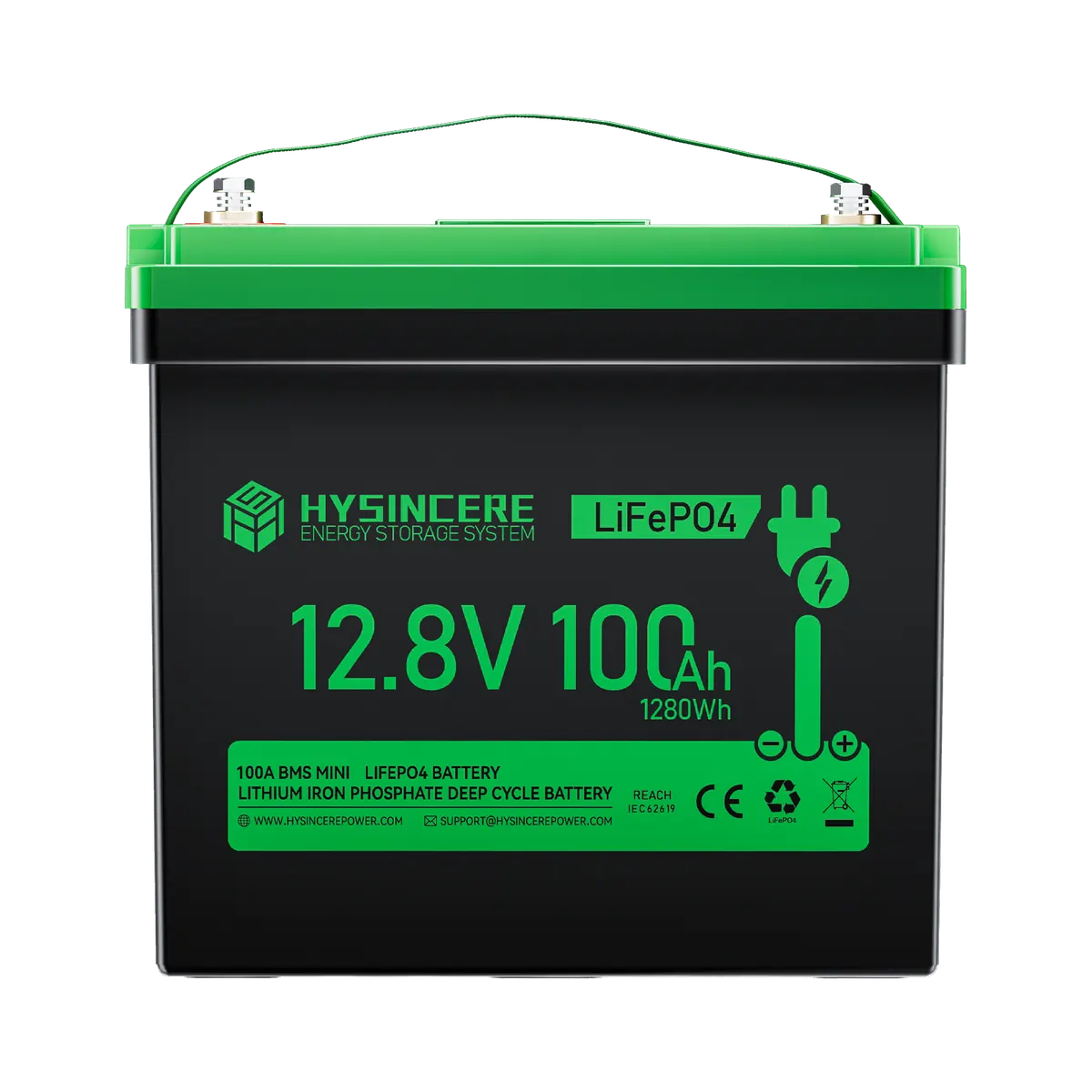
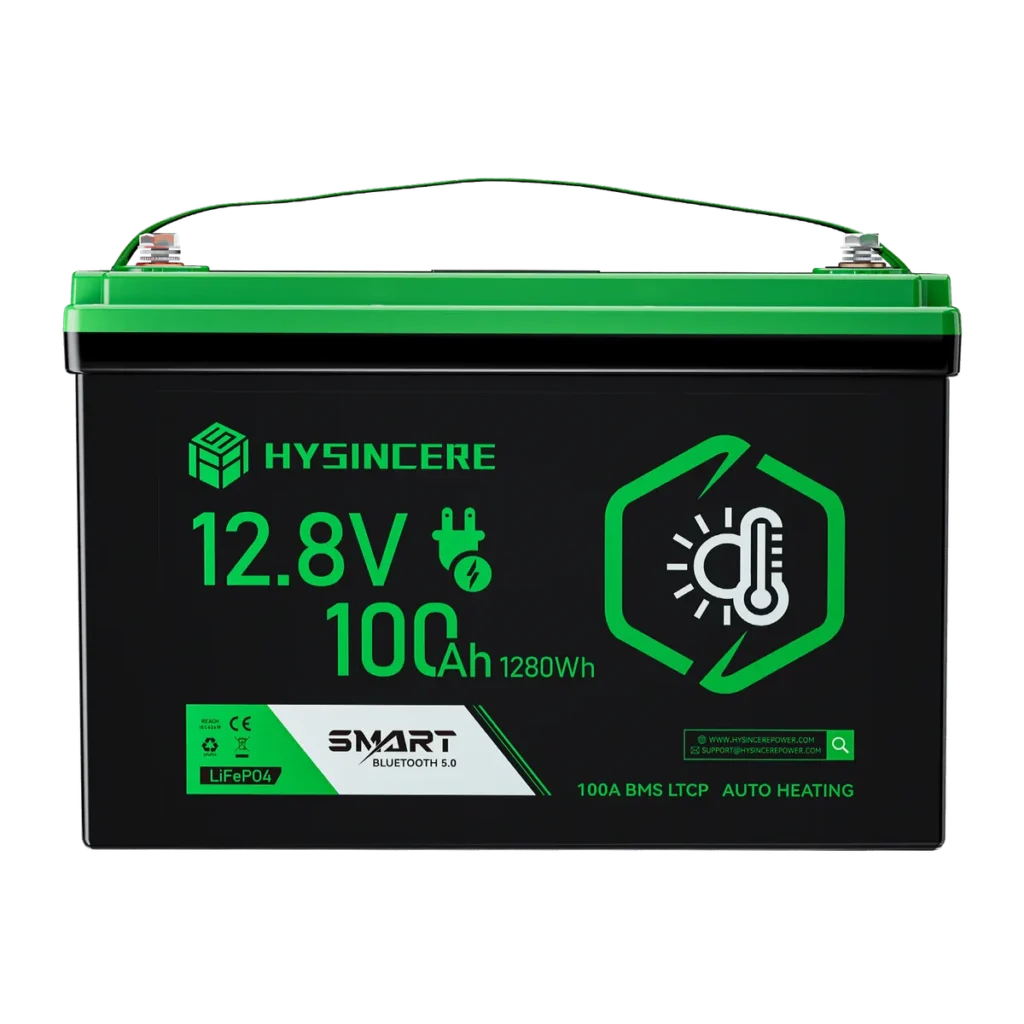
Hysincere LF12100M-BJ 12.8V 100Ah self-heating LiFePO4 battery

LF12100M-BJ 12.8V 100Ah self-heating LiFePO4 battery

12.8V
100Ah
1280Wh
9.46kg
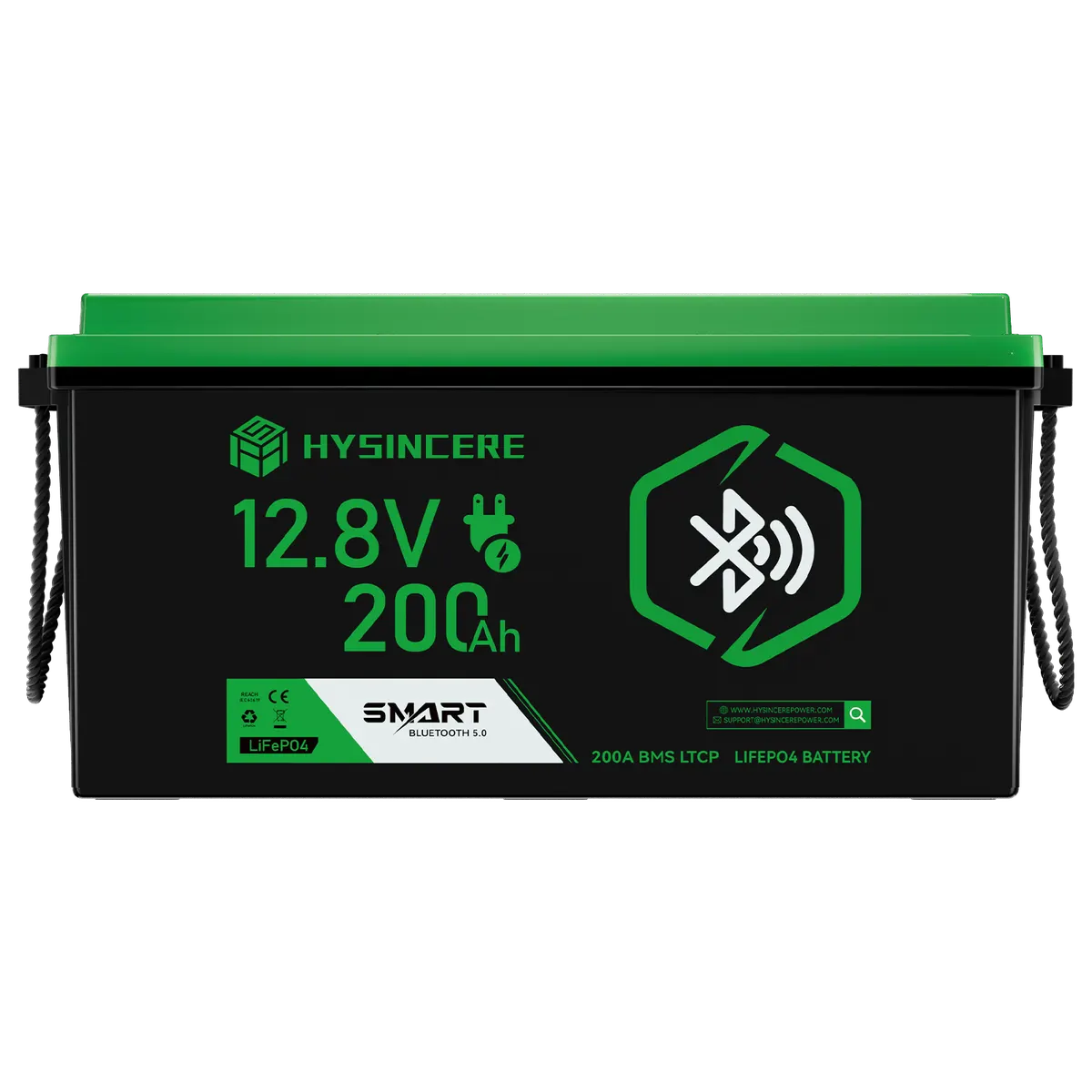
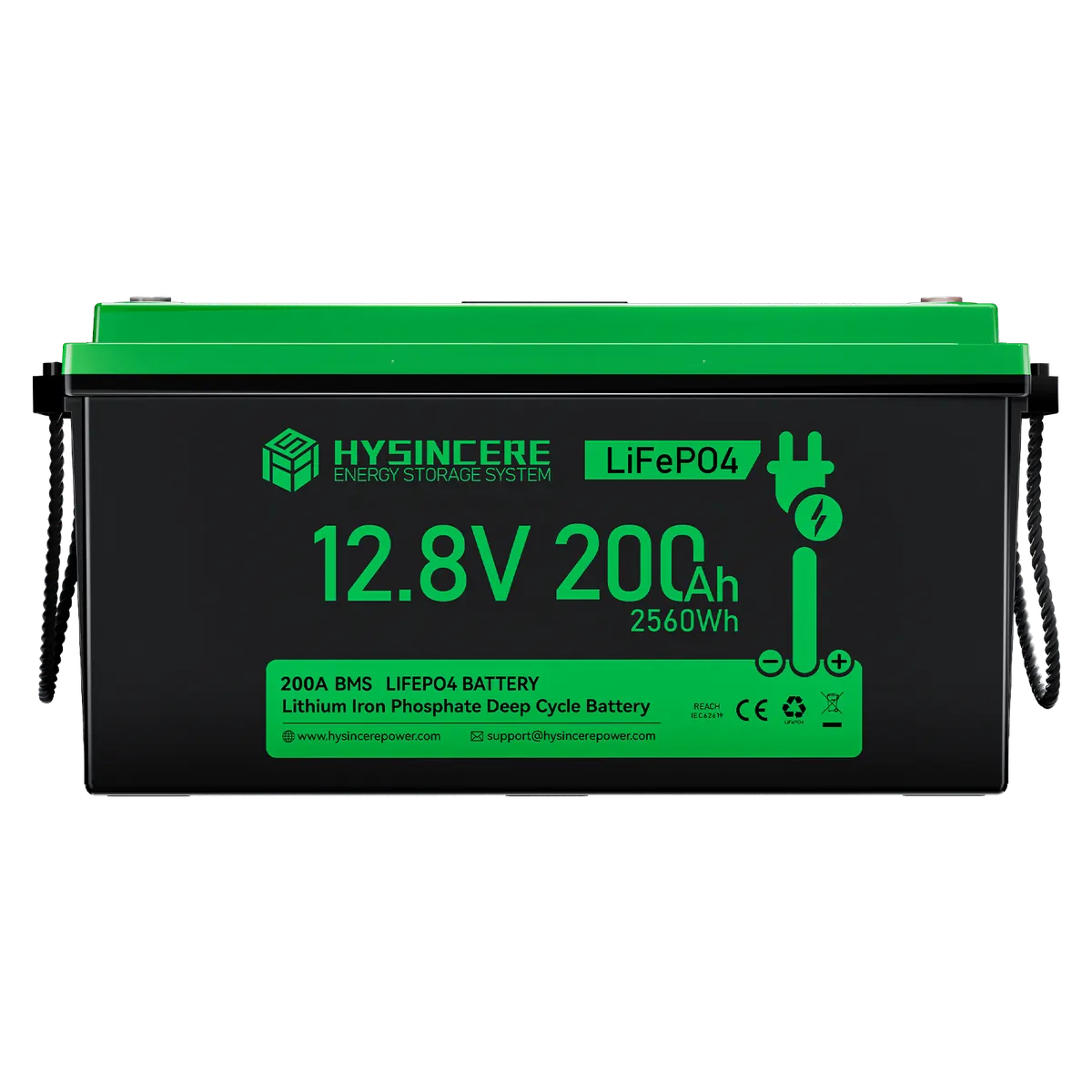
Hysincere LF12200N-B 12.8V 200Ah Bluetooth LiFePO4 battery

LF12200N-B 12.8V 200Ah Bluetooth LiFePO4 battery

12.8V
200Ah
2560Wh
22.3kg
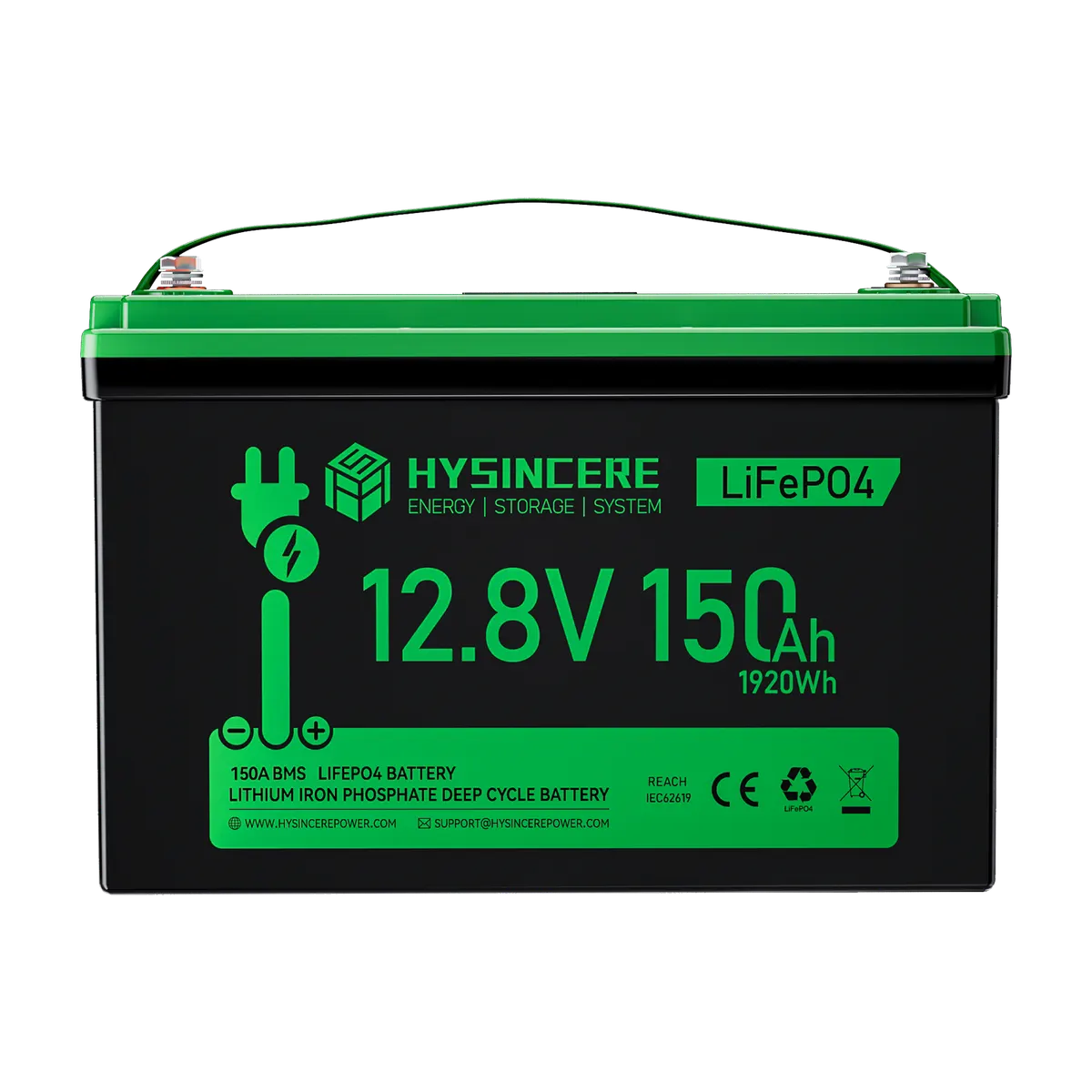
Hysincere LF12150N-B 12.8V 150Ah Bluetooth LiFePO4 battery

LF12150N-B 12.8V 150Ah Bluetooth LiFePO4 battery

12.8V
150Ah
1920Wh
15.4kg
Hysincere LF12100N-B 12.8V 100Ah Bluetooth LiFePO4 battery

LF12100N-B 12.8V 100Ah Bluetooth LiFePO4 battery

12.8V
100Ah
1280Wh
8.95kg
Hysincere LF12200N-SL 12.8V 200Ah smart LCD LiFePO4 battery

LF12200N-SL 12.8V 200Ah smart LCD LiFePO4 battery

12.8V
200Ah
2560Wh
22.3kg
hysincere-12v-150ah-smart-lcd-lifepo4-battery-lf12150n-sl

LF12150N-SL 12.8V 150Ah smart LCD LiFePO4 battery

12.8V
150Ah
1920Wh
15.4kg
hysincere-12v-100ah-smart-lcd-lifepo4-battery-lf12100n-sl

LF12100N-SL 12.8V 100Ah smart LCD LiFePO4 battery

12.8V
100Ah
1280Wh
8.95kg

RV Battery Planning

Size the Battery Around a Real Day in the RV

A larger Ah number only helps when the charger, inverter, wiring and battery bay can support it. Start with what runs, for how long, and how the energy will be put back.

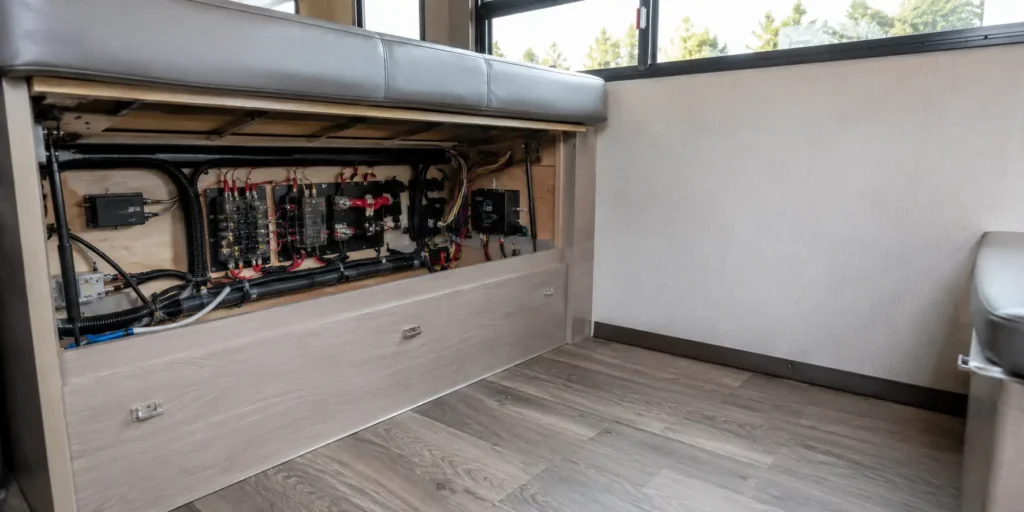
List the DC and inverter loads used during a normal day, then convert their run time into watt-hours. Add the number of days needed between charges and compare that demand with shore power, solar and controlled alternator charging. The final battery also has to match the system voltage, BMS current, cable and fuse size, available space and lowest charging temperature.

Count a Normal Day

Add the watt-hours used by the refrigerator, lights, water pump, fans, electronics and inverter-powered appliances. Loads that cycle on and off should be estimated by actual run time.

Check the Biggest Load

A microwave, coffee maker or pump may draw far more current than the daily energy figure suggests. Check continuous current and startup surge against the battery, BMS, inverter and wiring.

Make Sure the Energy Can Come Back

A large bank that cannot recharge during the available driving or daylight hours will still run short. Confirm the charge profile and available current from shore power, solar, a controlled alternator path or generator.

Match the Battery to the RV Power System

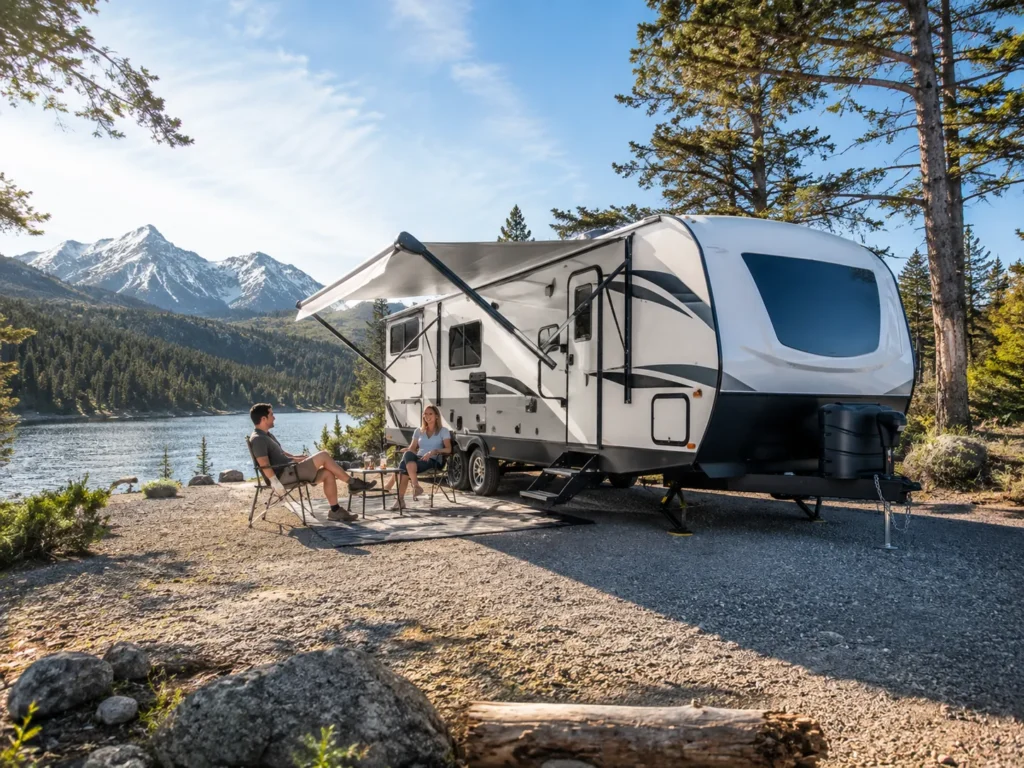
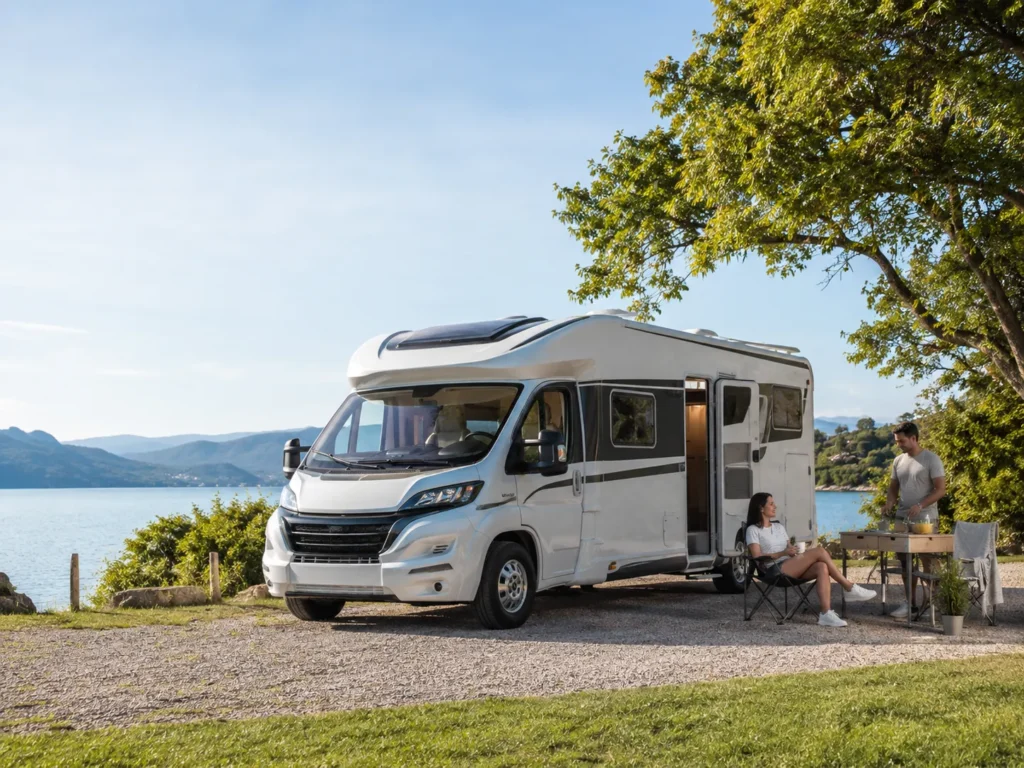
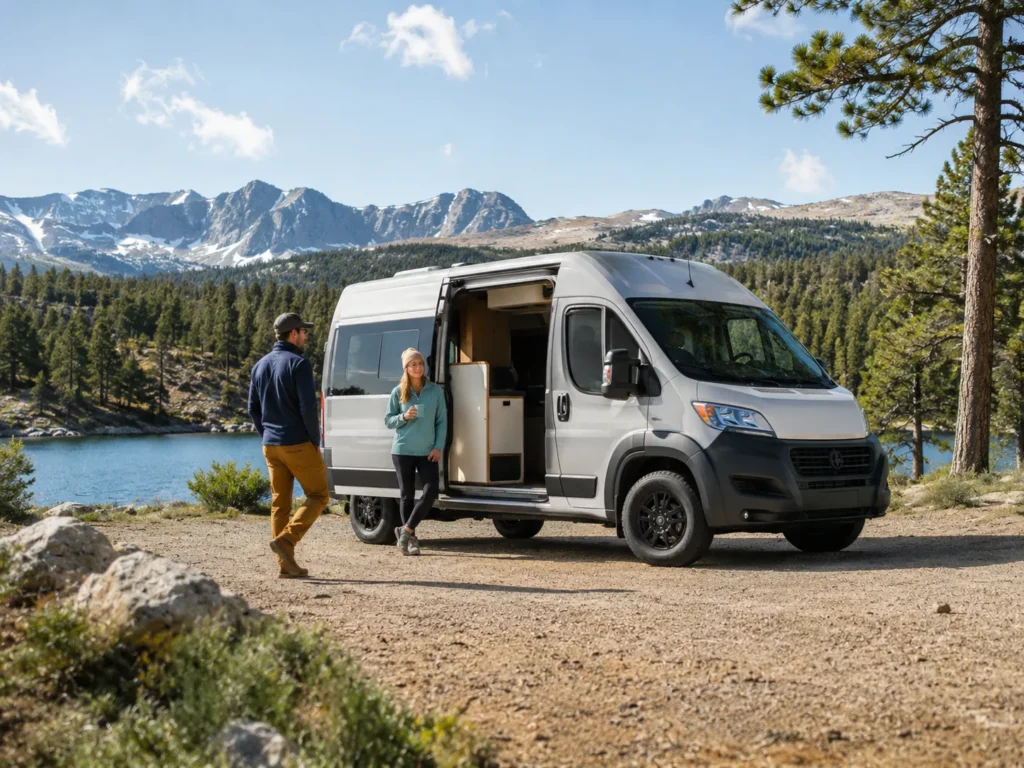
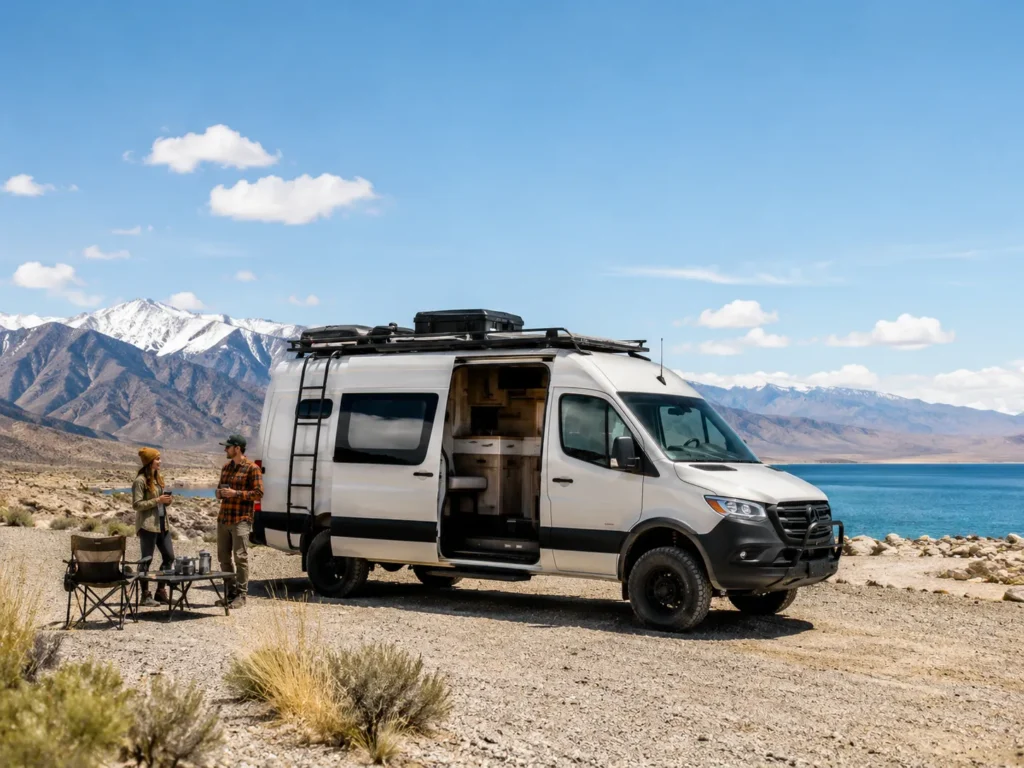
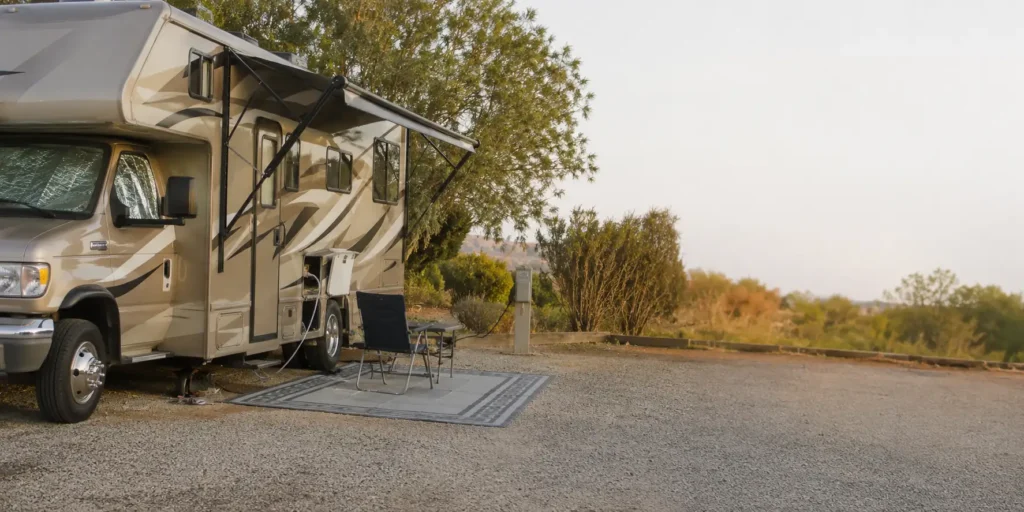
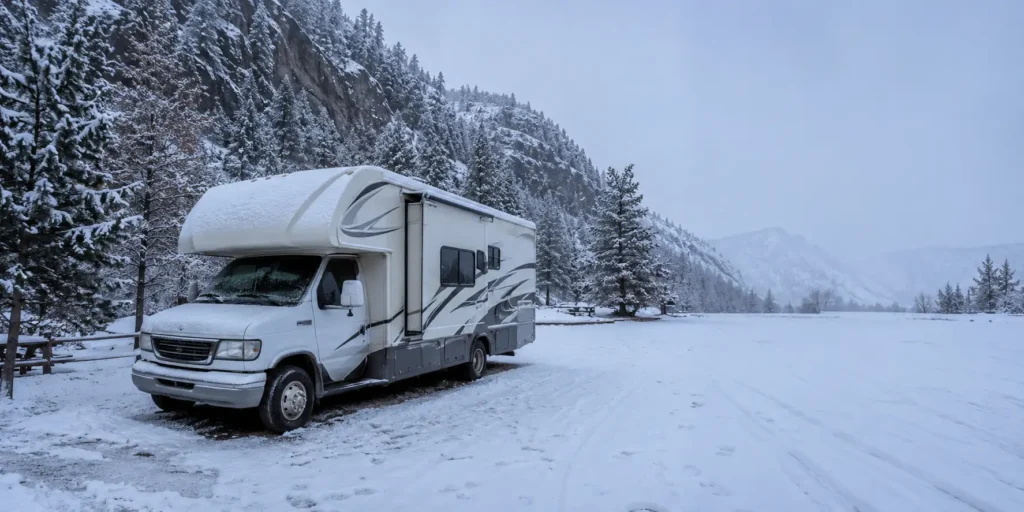
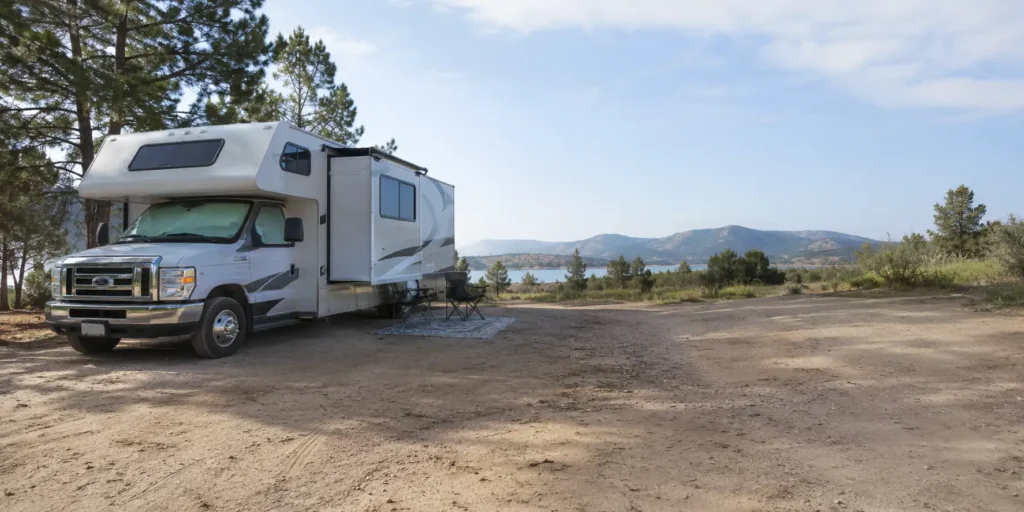
RV type gives useful context, but the battery is chosen from the loads, inverter, charging sources, battery bay and time between charges. These four setups show how the electrical checks change.

What We Check Before Recommending an RV Battery

These four checks turn a list of appliances into a battery, charging and installation direction that can be reviewed for the actual RV.

Daily Energy

List each load, its watts and the time it runs. The total daily Wh is more useful than appliance count alone.

Continuous & Surge Current

Check the inverter, compressor, microwave, coffee maker and pump for both normal demand and startup current.

Recharge Window

Confirm how much energy shore power, solar, a controlled alternator path or generator can return during the available time.

Battery Bay & Climate

Measure the compartment, terminals, cables and hold-downs, and check the lowest temperature at which the battery may be charged.

RV Battery Direction by Daily Use

These are starting directions, not automatic fitment. The charger, inverter, wiring, battery bay and selected product data still need to be checked.

Use Profile Confirm First Battery Direction Engineering Note
Light daily house loads Daily Wh, 12V system and regular shore charging 12.8V 100–150Ah class Capacity range is a starting point; verify the actual duty cycle
Mixed loads with an inverter Daily Wh plus continuous and surge current 12.8V 150–200Ah class Check inverter, BMS, cable and fuse current together
Extended off-grid travel Daily Wh × days and solar/alternator recovery 12.8V 200–400Ah or an engineered matched bank The bank must be rechargeable in the available window
Cold-weather charging Lowest battery temperature and charge source Verified self-heating or low-temperature-protected option Confirm heating logic and available charging power for the selected model

Typical RV Power Profiles

These four use profiles show how daily energy, peak current and the available charging window change the battery direction.
RV Lithium Battery Questions

These are the questions that usually need an answer before an RV lead-acid bank is replaced or a new house-power system is planned.

Contact Us

Tell Us About Your Battery Project

Share your battery requirements with us, and our team will help you find the right solution.