Use Real Load Data
A 24-hour load profile or a protected-circuit list gives a much better answer than floor area alone.

Home > Battery Applications > Home Energy Storage Systems
Home Energy Storage Planning
A battery cabinet is only one part of the system. We first need to know what must stay powered, how long it needs to run, and how the solar inverter is configured.
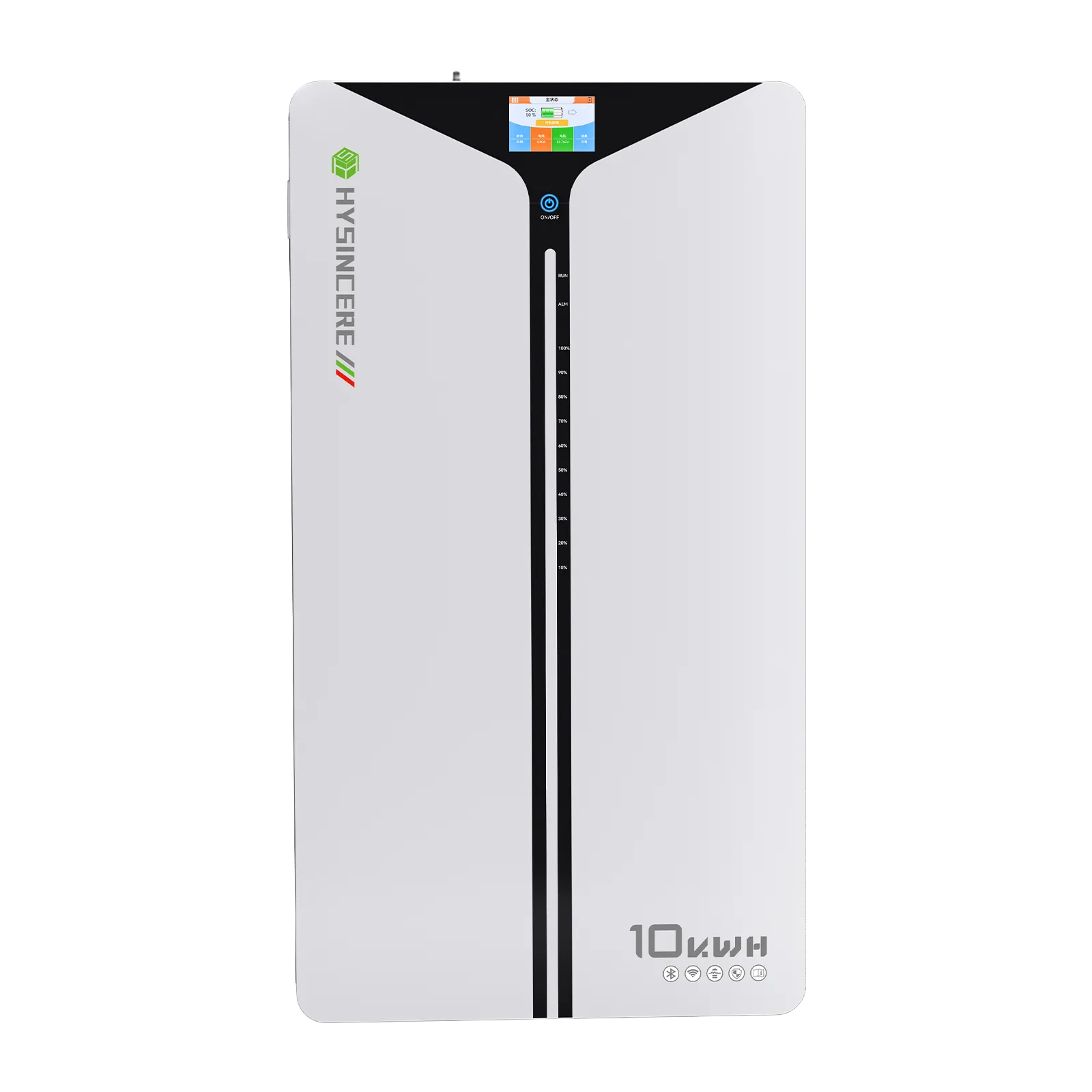
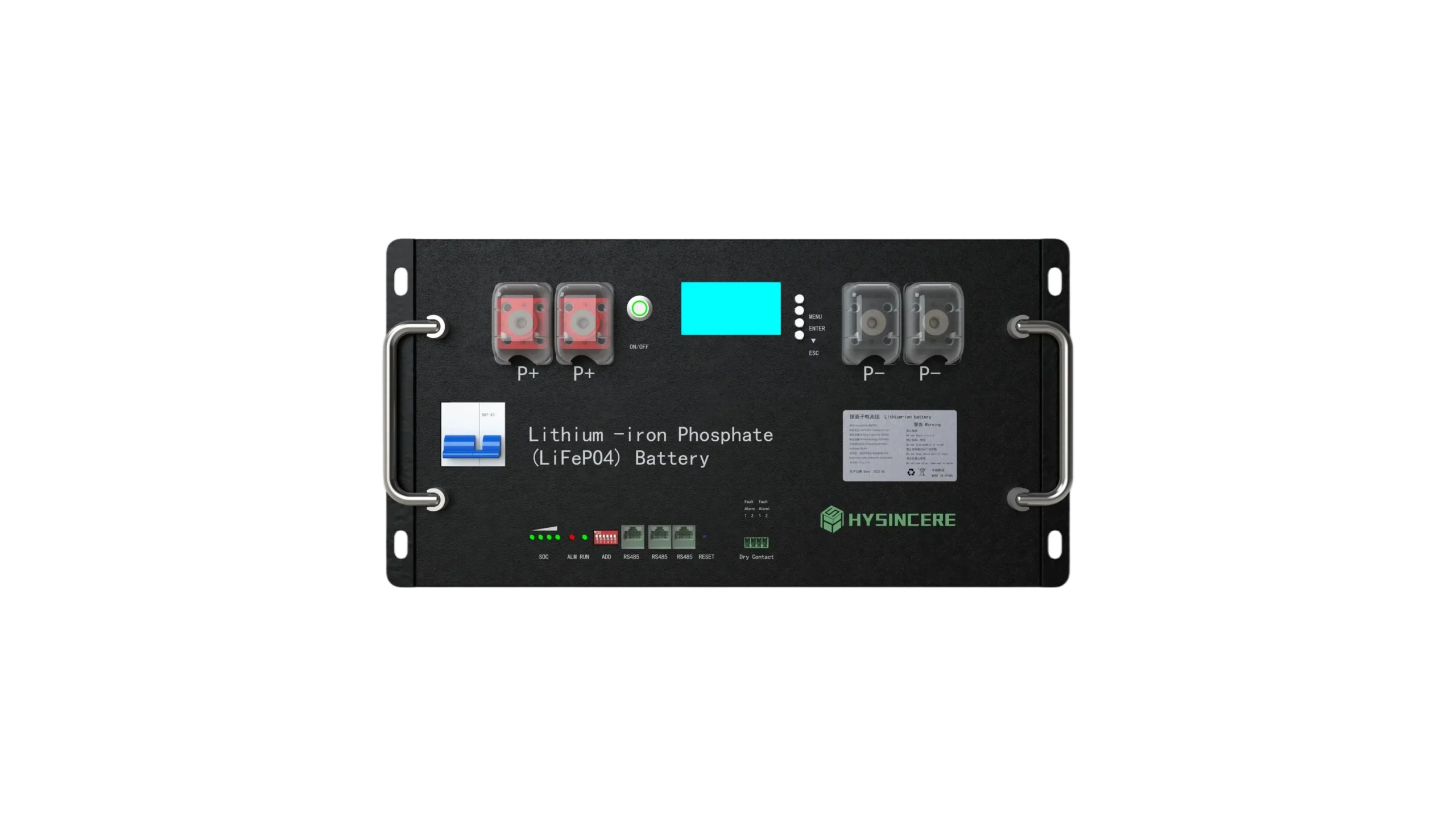
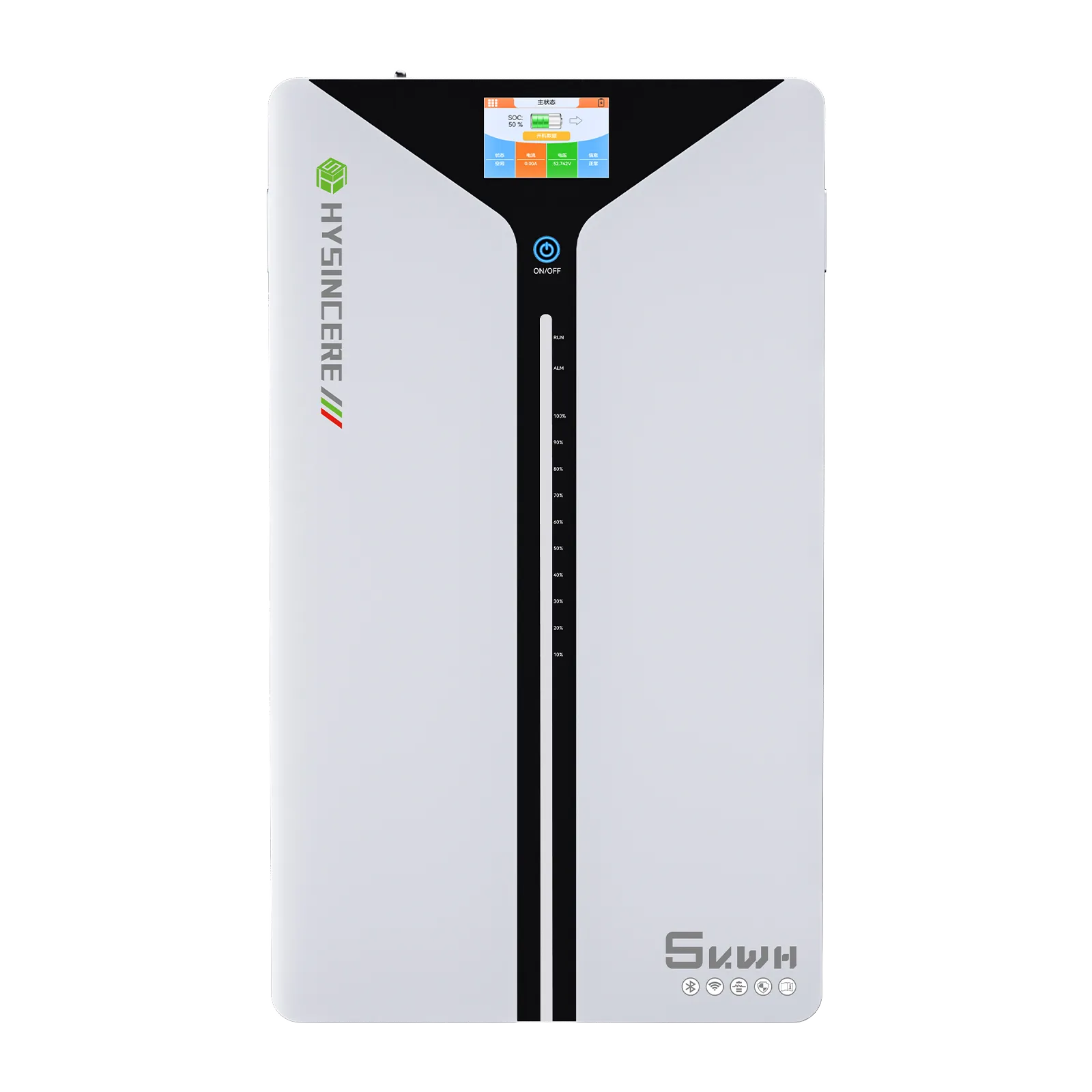
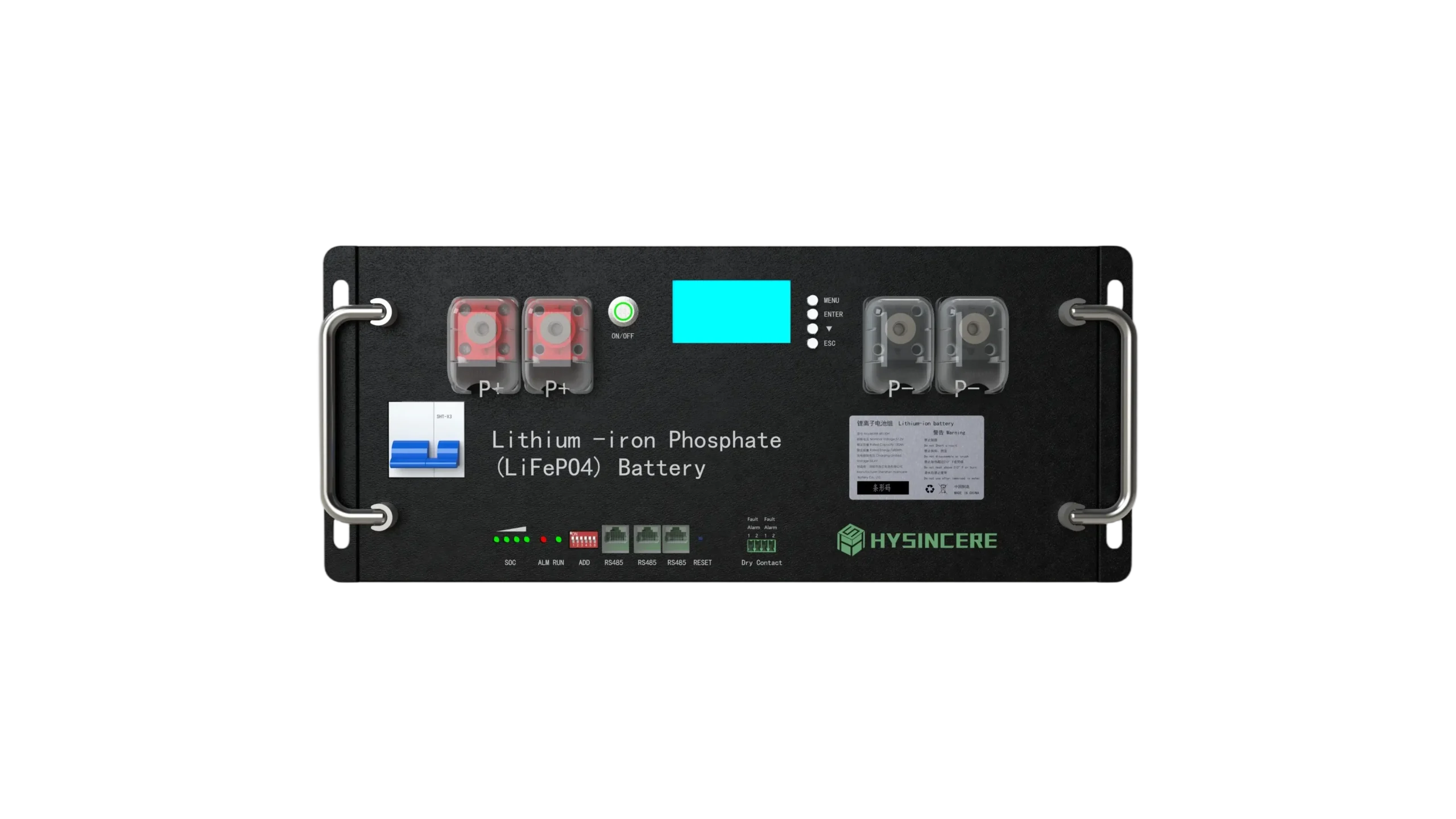
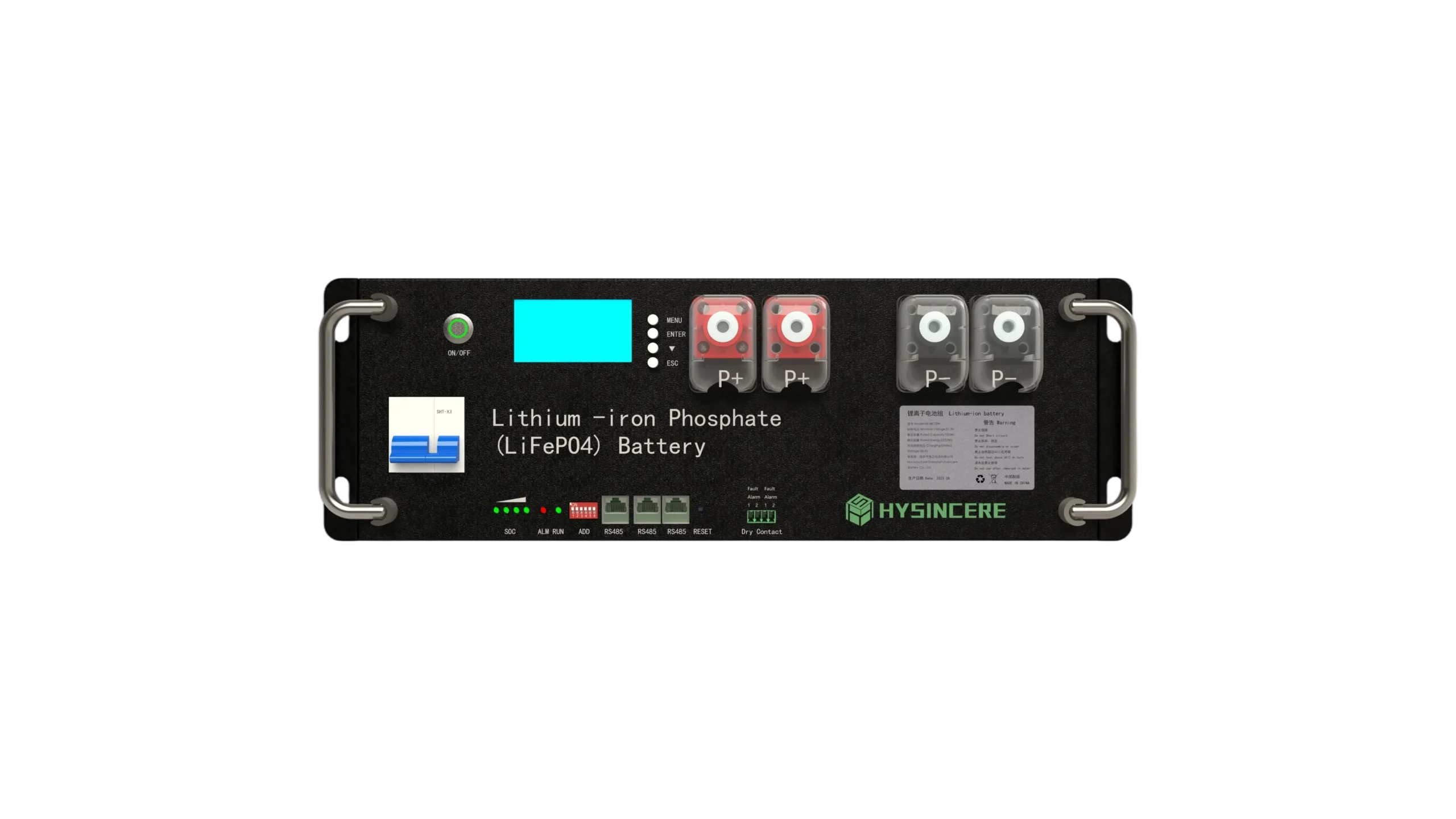
For distributors, installers and project teams, Hysincere offers 51.2V LiFePO4 storage batteries for residential solar, backup and off-grid projects. Before a model is selected, we check usable energy, continuous and peak power, charge and discharge limits, inverter communication, mounting space, operating environment and local project requirements.
A 24-hour load profile or a protected-circuit list gives a much better answer than floor area alone.
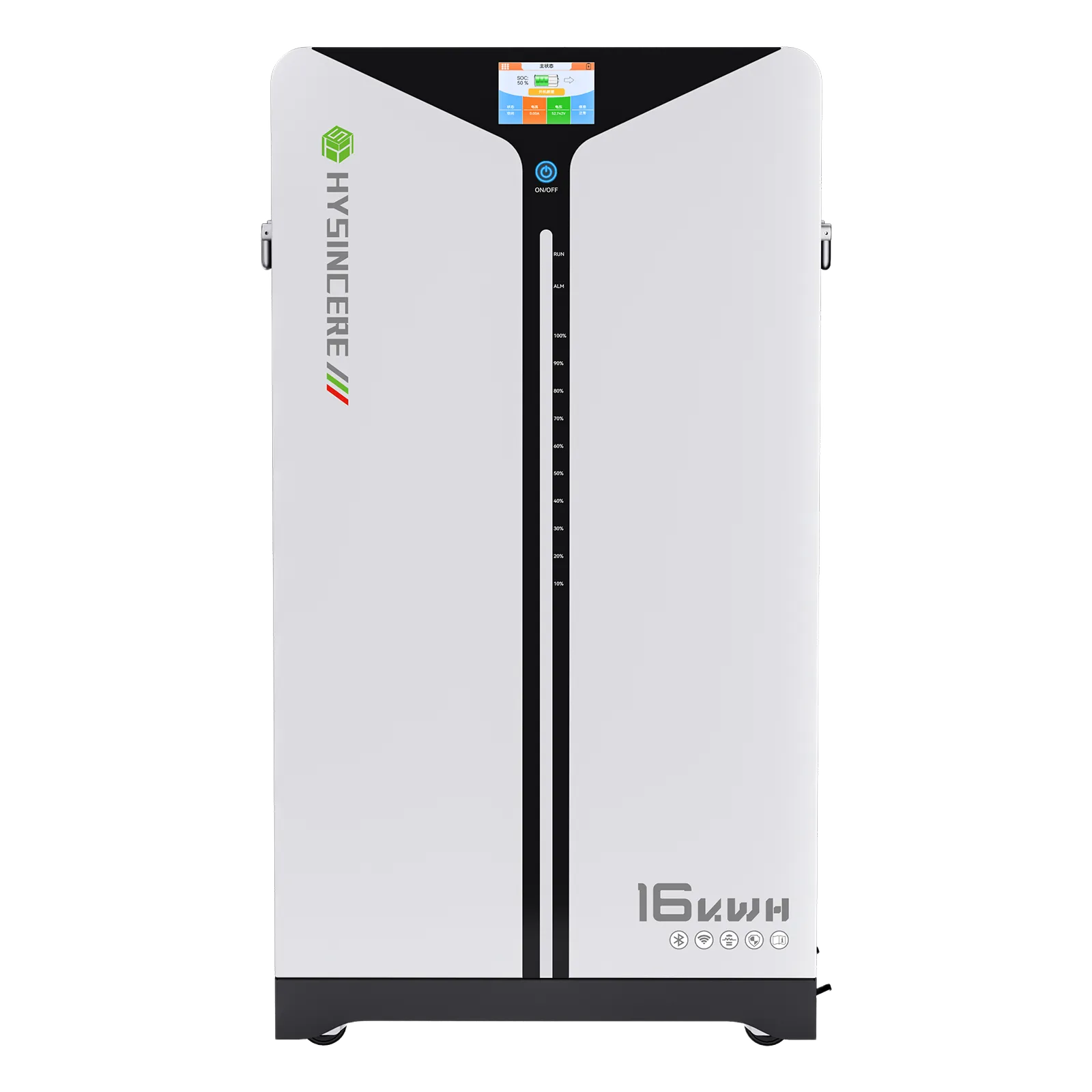
Confirm the battery voltage window, charge and discharge current, and the CAN or RS485 protocol supported by the selected battery and inverter.
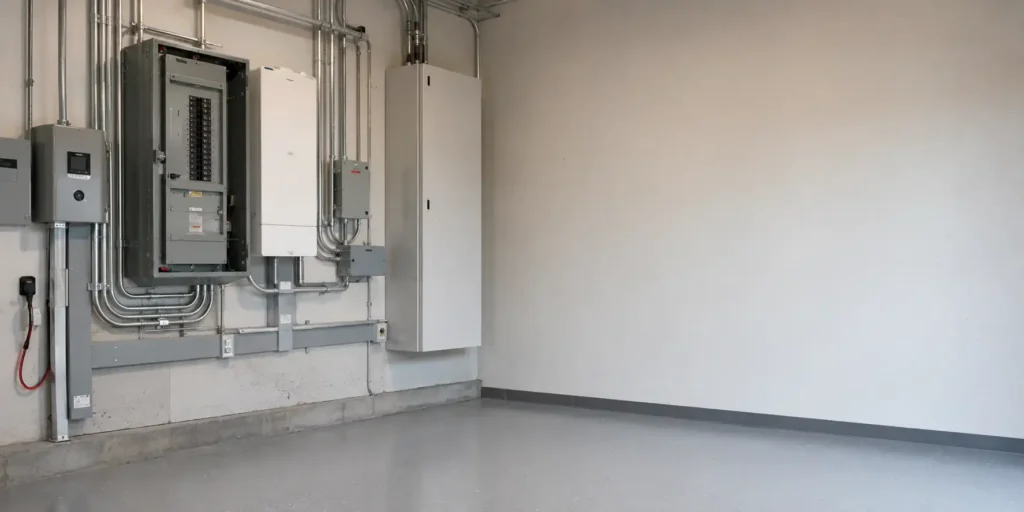
Confirm wall, floor or rack space, service clearance, temperature, protection and market-specific compliance needs.
The same battery capacity can perform very differently depending on the load, inverter and operating goal. These three residential setups show where the sizing work begins.
Store daytime solar surplus for evening and night loads. Size the bank from measured daily use, available solar surplus, the inverter and the reserve you want to keep.
Keep selected circuits running during an outage—such as refrigeration, lighting, networking, security or a pump. Continuous power, motor starting current and target backup time all matter.
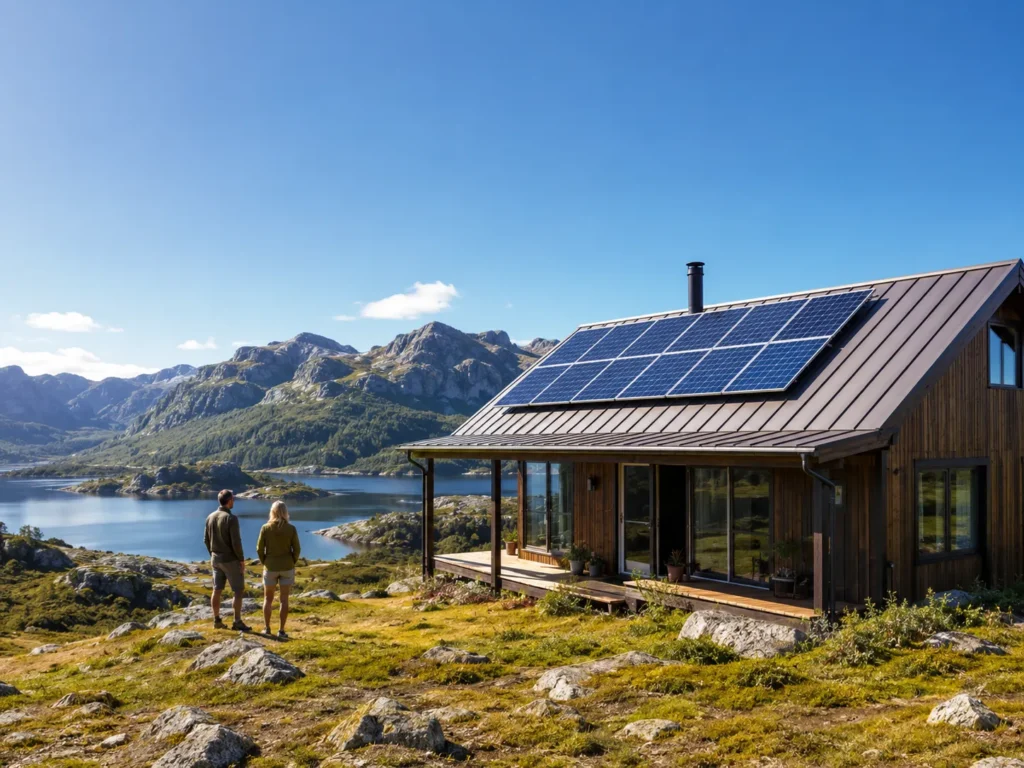
For remote homes, cabins or unstable-grid sites, size the system around worst-season solar yield, daily energy use, generator support and the time available to recharge.
Two homes with the same floor area can need very different systems. These four items make the difference.
List the circuits that must stay on, their average power, starting loads, daily energy use and required backup time.
Battery capacity covers runtime; inverter and battery output limits determine which loads can run together. Allow for system losses and the reserve you do not want to use.
Confirm the DC voltage window, charge and discharge current, solar or generator input, CAN or RS485 protocol, firmware and backup topology.
Check wall, floor or rack space, service access, ambient temperature, enclosure protection and the codes or certificates required in the destination market.
This is a starting point. Final selection still needs the exact inverter model, load profile and installation details.
| Project Goal | Confirm First | Battery Direction | Engineering Note |
|---|---|---|---|
| Solar self-consumption | Daily use, daytime solar surplus, tariff window and inverter model | 51.2V wall-mounted or floor-mounted LiFePO4 storage battery | Size by usable kWh and verify inverter communication |
| Essential-load backup | Protected circuits, starting load, average load and backup hours | 51.2V modular LiFePO4 battery bank | Check inverter output, transfer arrangement and reserve |
| Off-grid residence | Worst-season solar yield, daily energy, autonomy target and generator support | Scalable 51.2V storage bank | Allow for low-sun days and available recharge time |
| Larger residential project | Phase, load profile, peak power and installation space | Project-sized 51.2V modular or floor-mounted platform | Engineering review is required before parallel expansion |
These three profiles show how load timing, outage priorities and available solar change the battery and inverter direction.

A grid-connected home has usable solar surplus during the day and wants to reduce evening grid use. Start with a 24-hour load profile and the actual surplus, not the solar-panel rating alone.
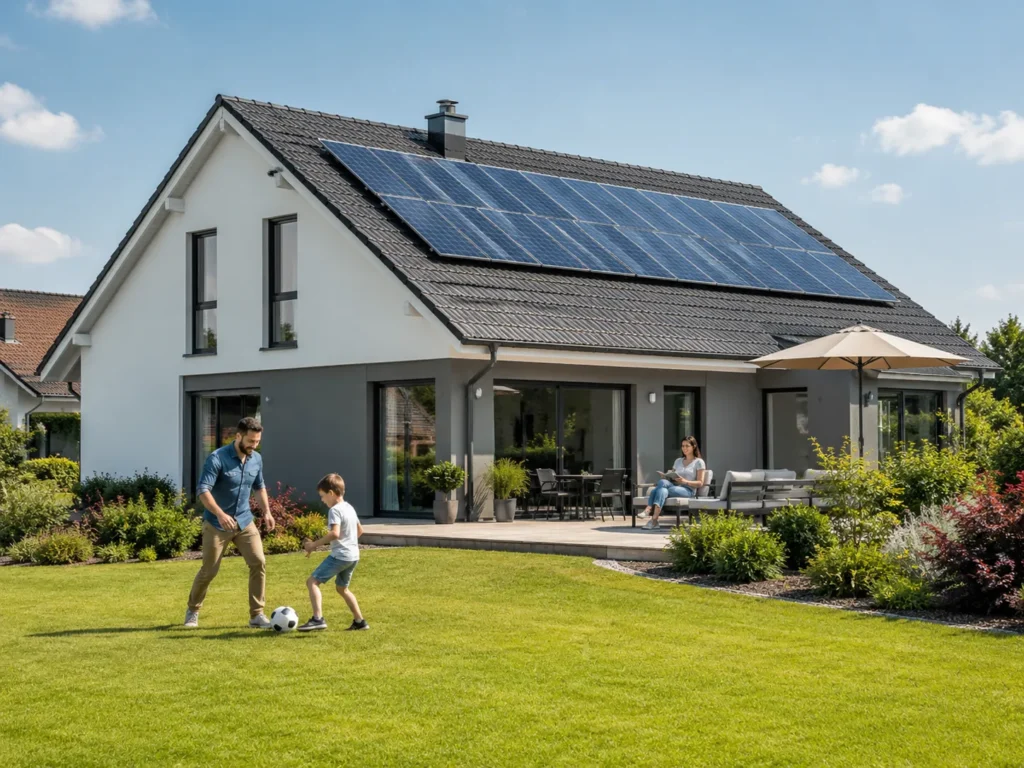
The project keeps a defined group of circuits running when the grid is down. Motor and compressor starting current must be checked as carefully as the average load.
The battery works with solar and, where used, a generator to cover daily loads when grid support is limited or unavailable. Winter solar yield and recharge time are key inputs.
A useful project answer starts with the load, inverter and operating goal rather than a generic battery capacity.
For backup, multiply the measured average load by the hours it must run. For solar self-consumption, use a 24-hour load profile and the daytime solar surplus. Then allow for inverter losses and reserve, and make sure the inverter's continuous and surge ratings cover the loads.
It may, but compatibility must be confirmed before the battery is selected. Check the DC voltage window, charge and discharge current, CAN or RS485 protocol, firmware and whether the system is DC-coupled or AC-coupled. Share the exact inverter model for review.
Not automatically. Whole-home backup depends on usable energy and output power, including motor and compressor starting loads. Many projects begin with essential circuits; whole-home coverage needs a load study plus the right inverter, switching and protection.
A quick estimate is usable battery energy in kWh divided by the average load in kW. Real runtime is shorter after inverter losses, reserve settings, temperature and changing loads. Use measured load data for a project estimate.
Send the country or market, solar and inverter model, single- or three-phase supply, 24-hour load data or protected-circuit list, backup target, installation photos or space, ambient temperature and project quantity. We can then narrow the battery direction without guessing.
Contact Us