Home > Consumer Batteries > Electric Bicycle Battery
Consumer Batteries
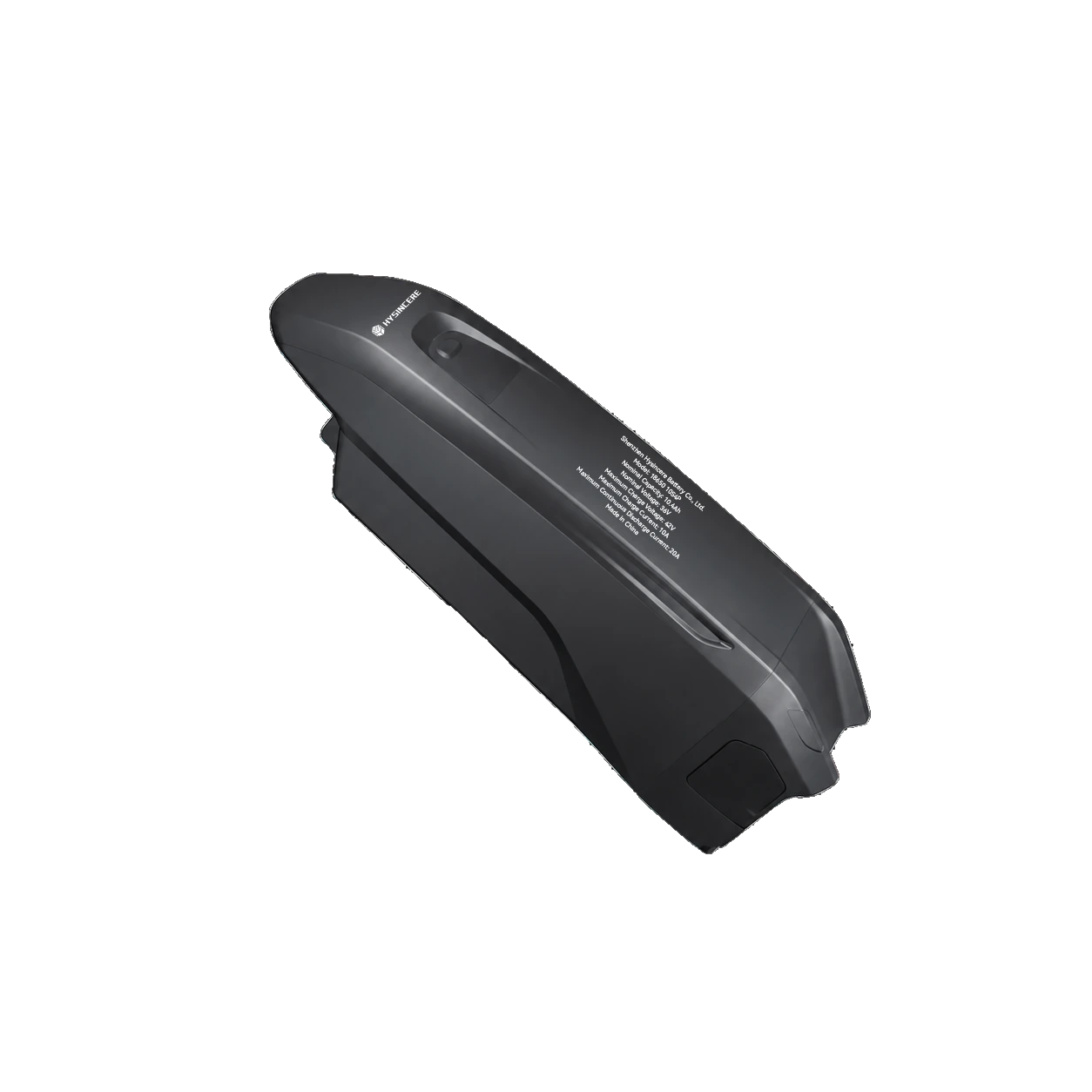
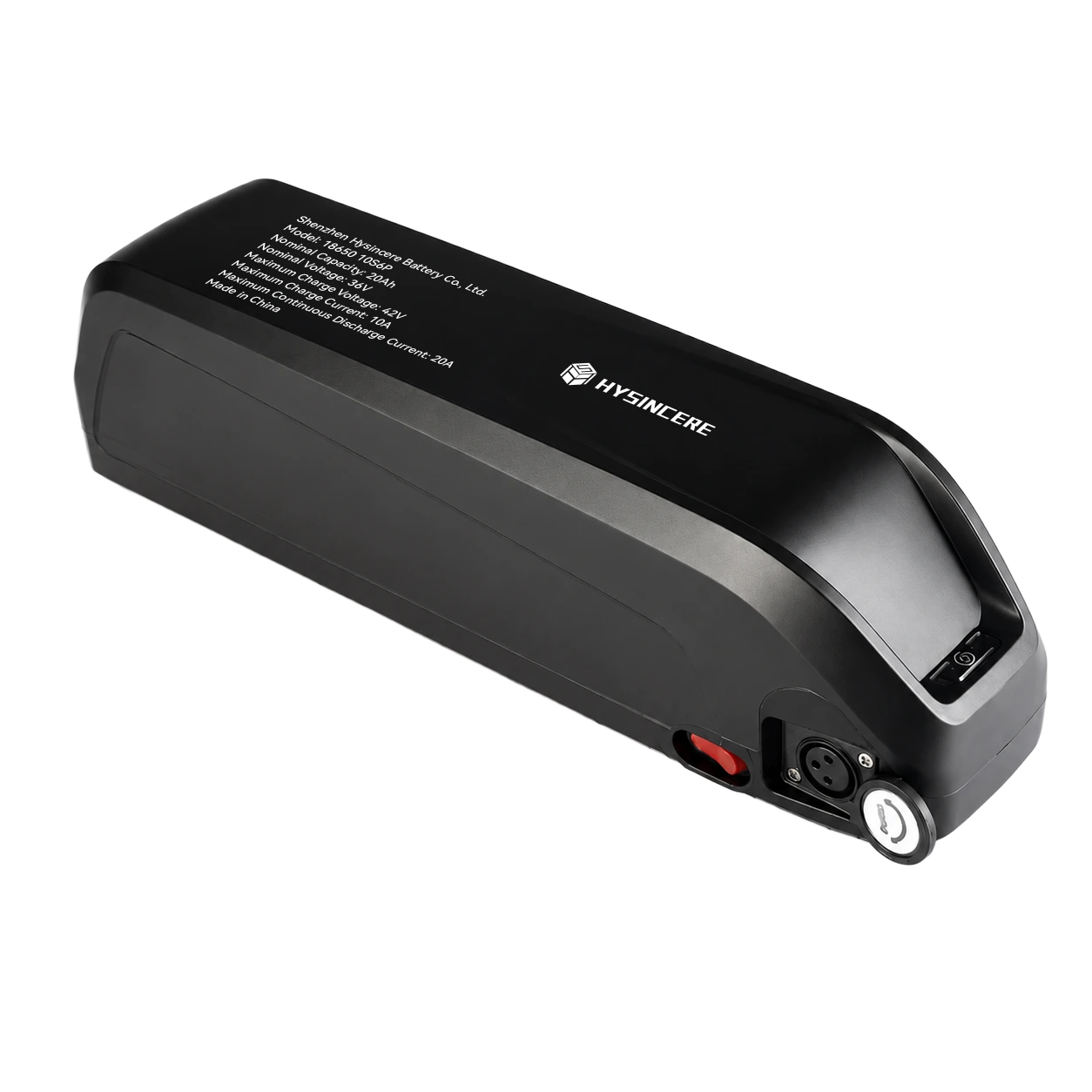
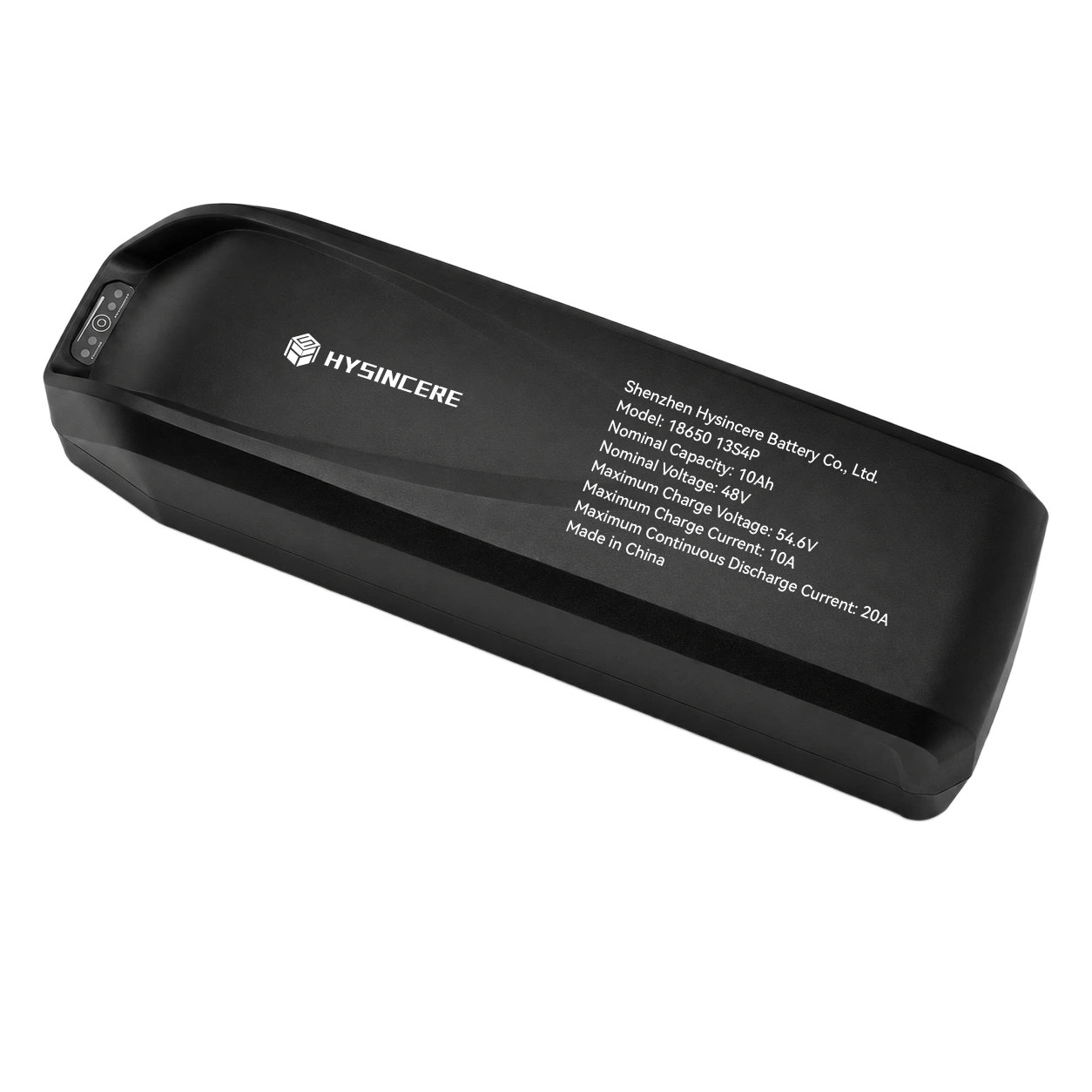
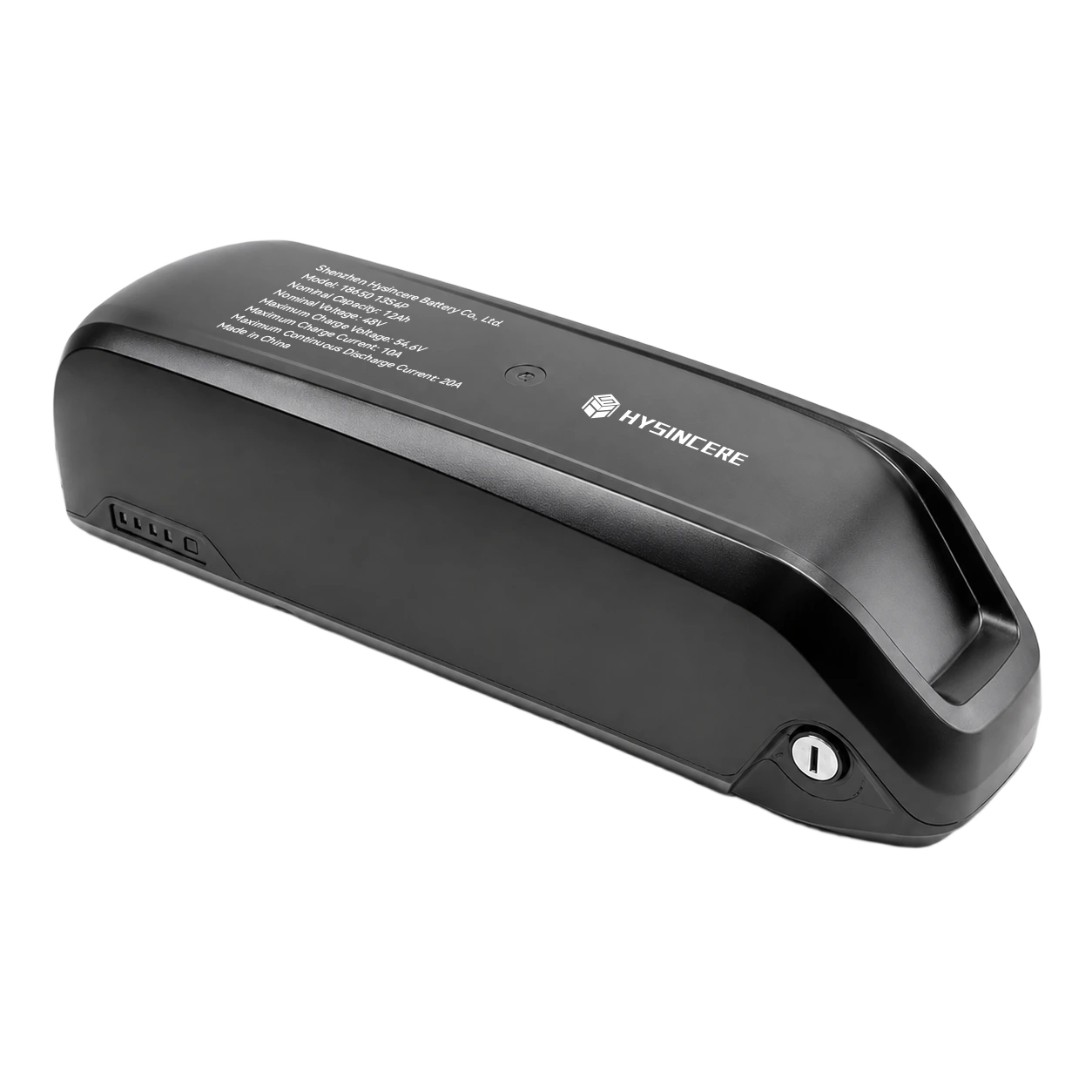
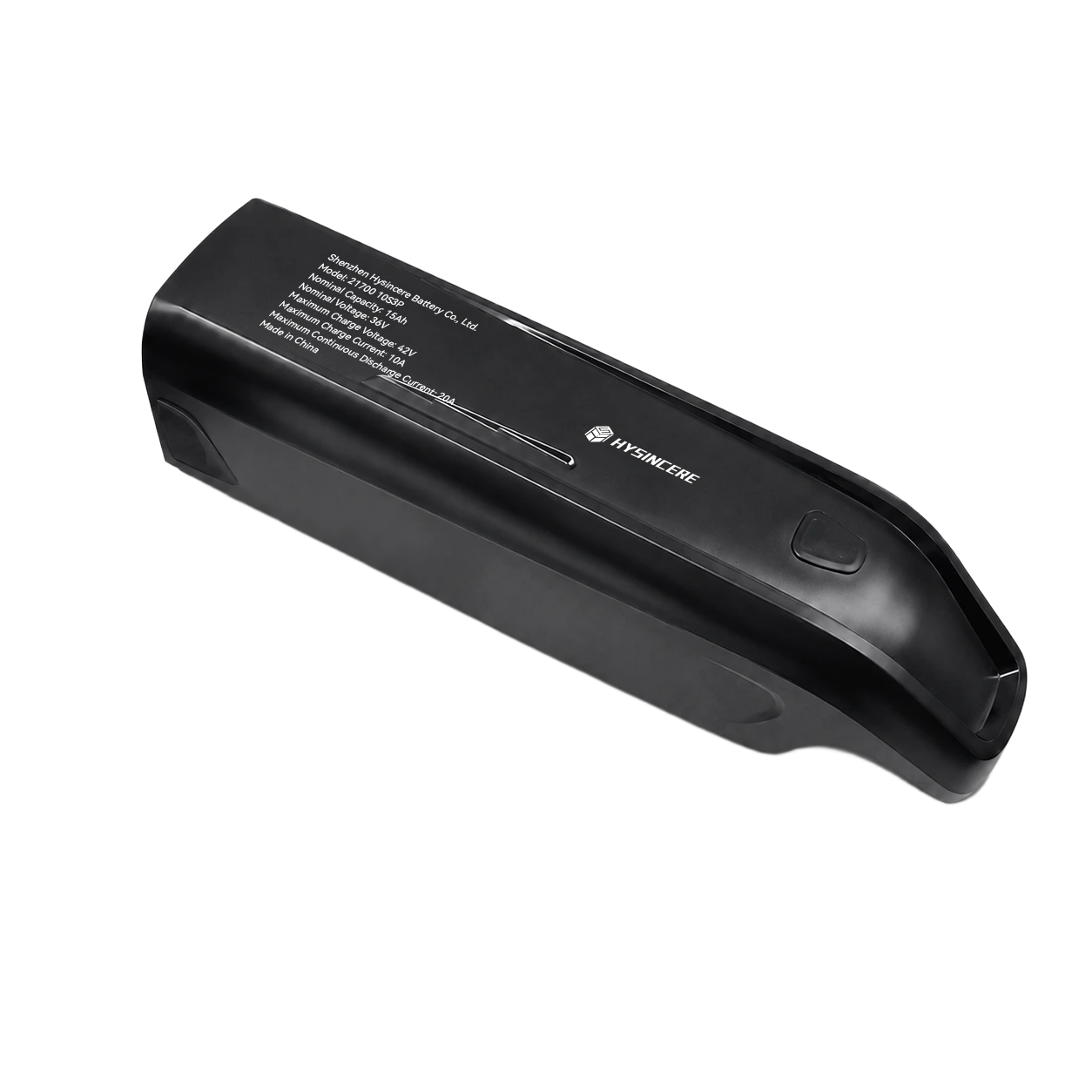
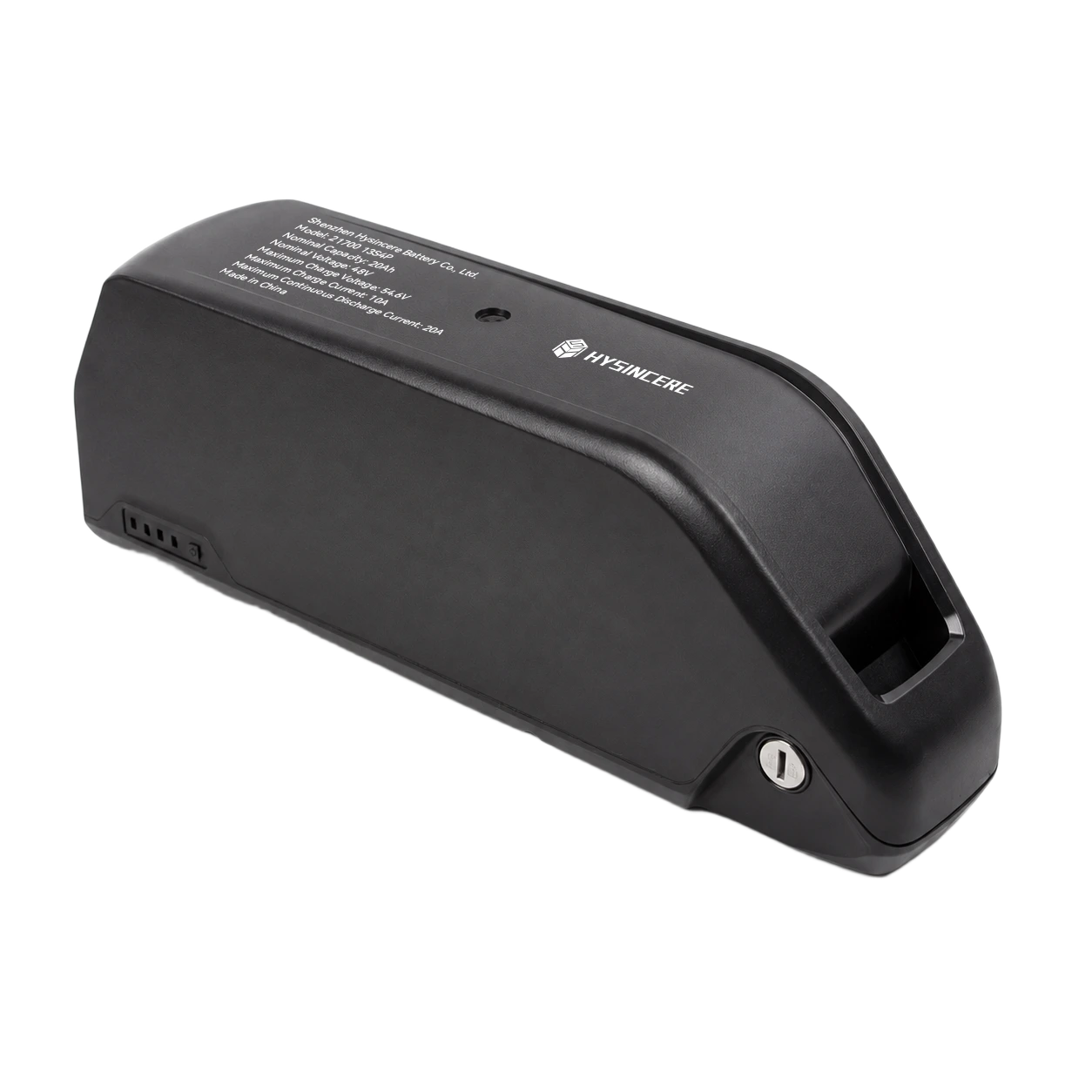
36V and 48V lithium battery packs for electric-bicycle projects, using 18650 and 21700 cell configurations across several capacities.
6
Products
36 / 48V
Nominal platforms
10–20Ah
Capacity range
Electric Bicycle Battery
Selection guide
Confirm the motor controller and charger voltage before comparing capacity. Continuous and peak current, target range, enclosure dimensions, mounting, connector, locking or service method and the complete bike's weight constraints should be reviewed together.
Confirm nominal voltage, usable capacity, continuous load, peak demand and charging limits.
Check enclosure space, mounting, terminals, connectors, cable routing and service access.
Share application, environment, quantity, compliance and integration requirements with engineering.
Products
Compare the available models below, then open a product page for detailed specifications and project matching.
Electric-bicycle battery packs organized by voltage platform, cell format and capacity.
Guidance on product selection, application fit and project requirements for this category.
Only if the controller, motor, display and charger all support the 48V platform. Check the maximum input voltage and low-voltage cut-off of each component. If any part is limited to 36V, changing only the battery may damage the system.

Convert capacity to Wh and divide by the bicycle’s measured Wh/km. Use energy in Wh = nominal voltage × Ah, and estimated distance in km ≈ usable Wh ÷ measured Wh/km. The measurement should reflect rider weight, assist level, gradients, speed, temperature and tire pressure.
The battery’s continuous and peak output must meet the controller’s actual demand. Record controller rated and maximum current, peak duration and low-voltage cut-off, then check the BMS, connector, wiring and fuse. Motor nameplate power alone may underestimate startup and hill-climbing current.
Compare dimensioned drawings and mounting points rather than photos alone. Measure available length, width and height, rail or bolt locations, lock position, cable exit, charge port, removal path and allowable weight, and leave bend clearance for the connector cable.
Only when voltage, charging profile, current, connector and polarity all match. Check the full-charge voltage rather than only the 36V or 48V label. Connectors that look identical may still have different polarity or pin assignments.
Contact Us