
Equipment development · Handheld
Handheld Terminal Battery
A 3.8V, 2150mAh pack combining protection, a fuel gauge and host communication for a handheld terminal.
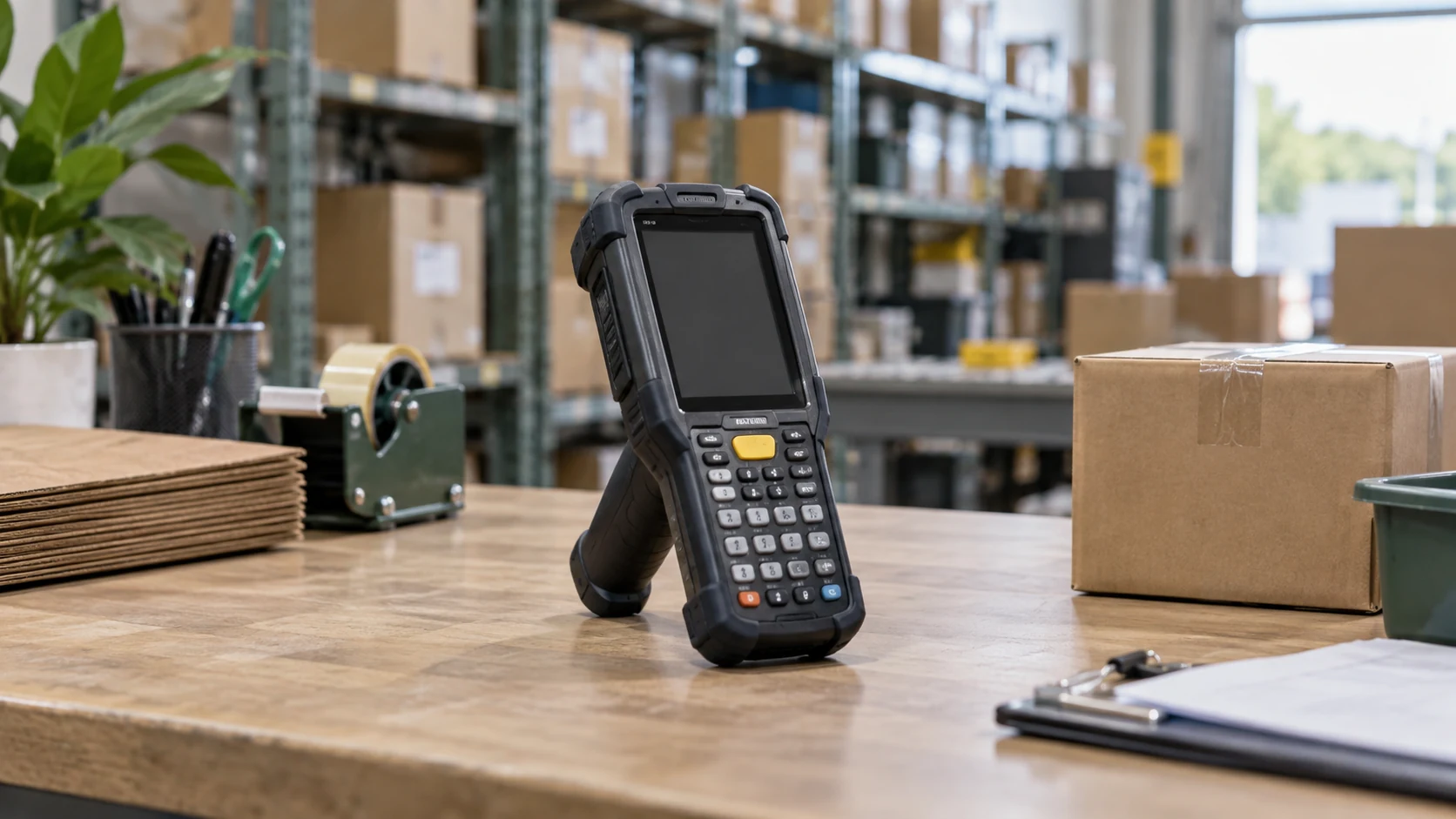
Power, Protection and Display in a Small Space
Hysincere configured a 3.8V, 2150mAh battery for this handheld-terminal project. The development combined the battery shape, contacts, charging conditions and battery-state display within the device’s limited space.
The configuration included a protection circuit, PTC protection and a fuel gauge, with battery information exchanged with the host. These specifications describe this project; they are not a default specification for every handheld device.
The Interface Is Part of the Battery Design
The enclosure and contacts must fit the device, while the electrical interface must support both power and the required information exchange. The protection circuit and PTC provide complementary protection; the fuel gauge supports state readings and display.
For a similar terminal, share a dimensioned outline and the contact arrangement, including the information expected by the host. A matching voltage and capacity do not establish that the contact layout, charging requirements or host readings will match.
Checking the Battery With the Actual Terminal
The project’s verification scope covered dimensions and contact fit, actual device load, charging, temperature rise and the battery display. The sample should therefore be checked in the intended device, rather than assessed from its label alone.
- Fit: confirm the battery outline, contact position and installation in the device.
- Operation: check the terminal under its actual working load and observe the battery readings.
- Charging: verify the agreed charging conditions and temperature behaviour.
- Display: compare host readings across the operating and charging states that matter to the device.
Record the battery specification, interface definition and sample version together. This provides a consistent reference when a sample is approved or the terminal design changes.
What to Send for a New Handheld Device
Useful inputs include the battery-space drawing, required voltage and capacity, contact definition, charger information, operating load and battery-display requirements. Explain whether the battery is removable and how the device will read its state.
Hysincere can use these inputs to discuss a battery configuration and sample plan around the terminal. The final interface and performance need to be confirmed with that device.
Discuss a Battery for Your Equipment
Share the application, load, battery space, charging and communication requirements.