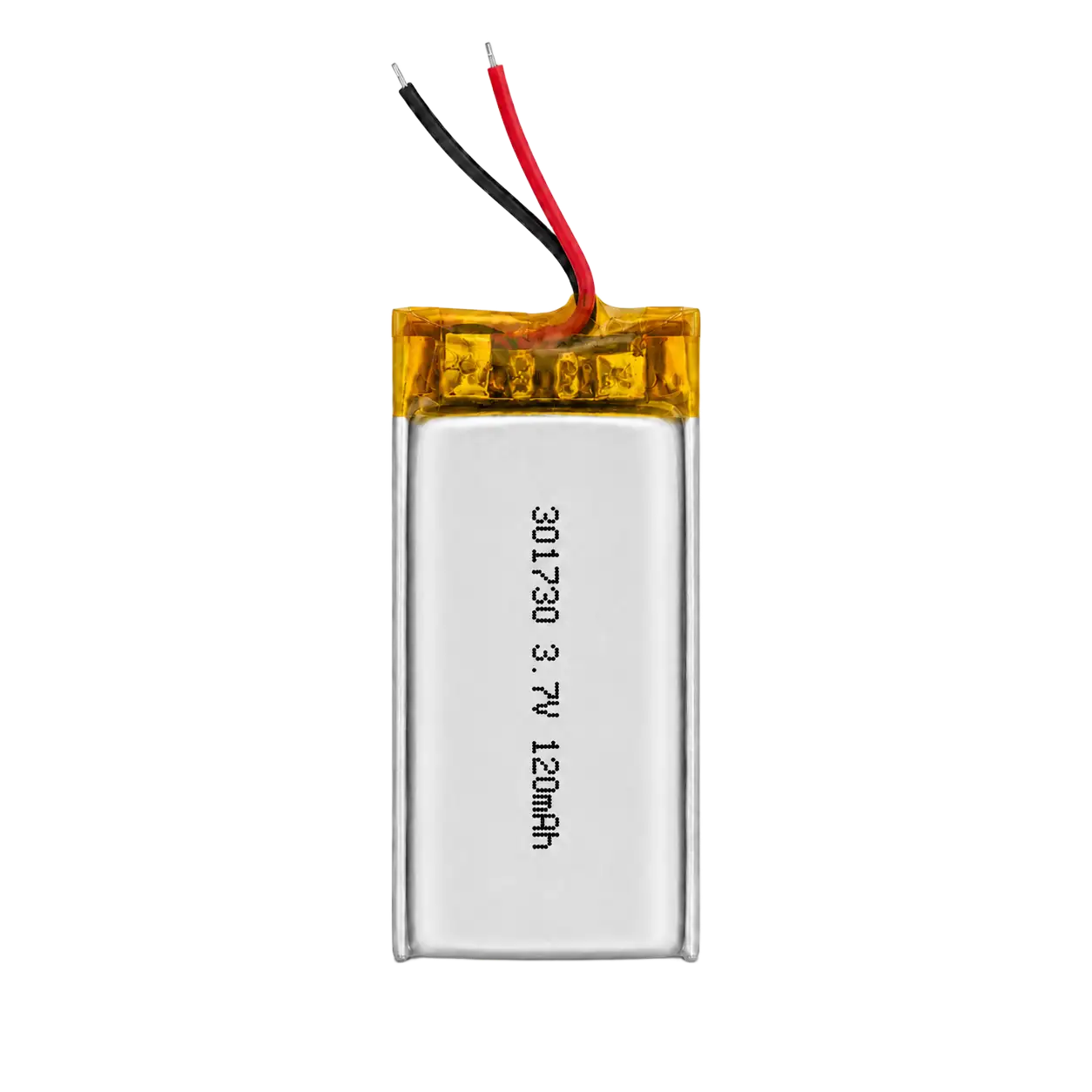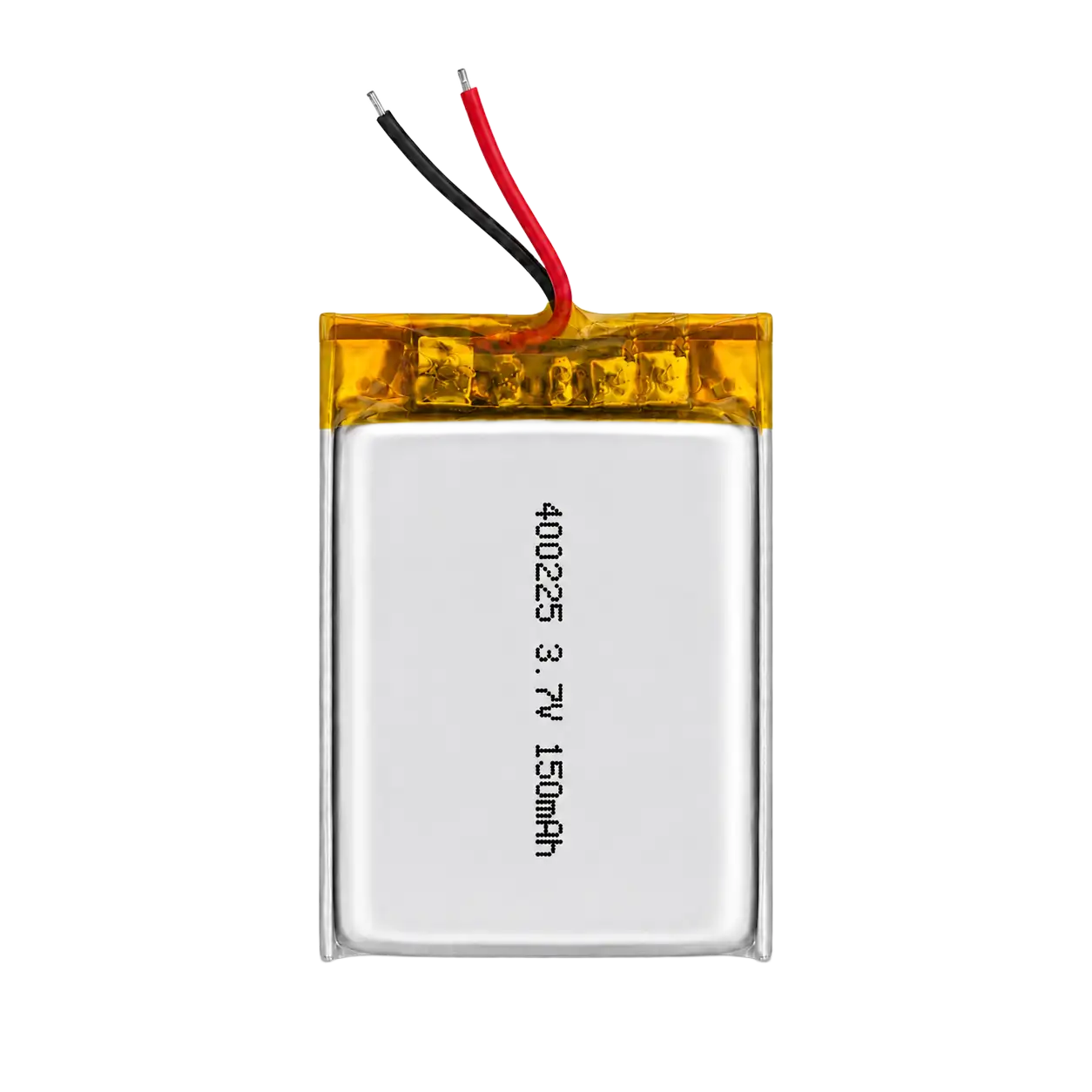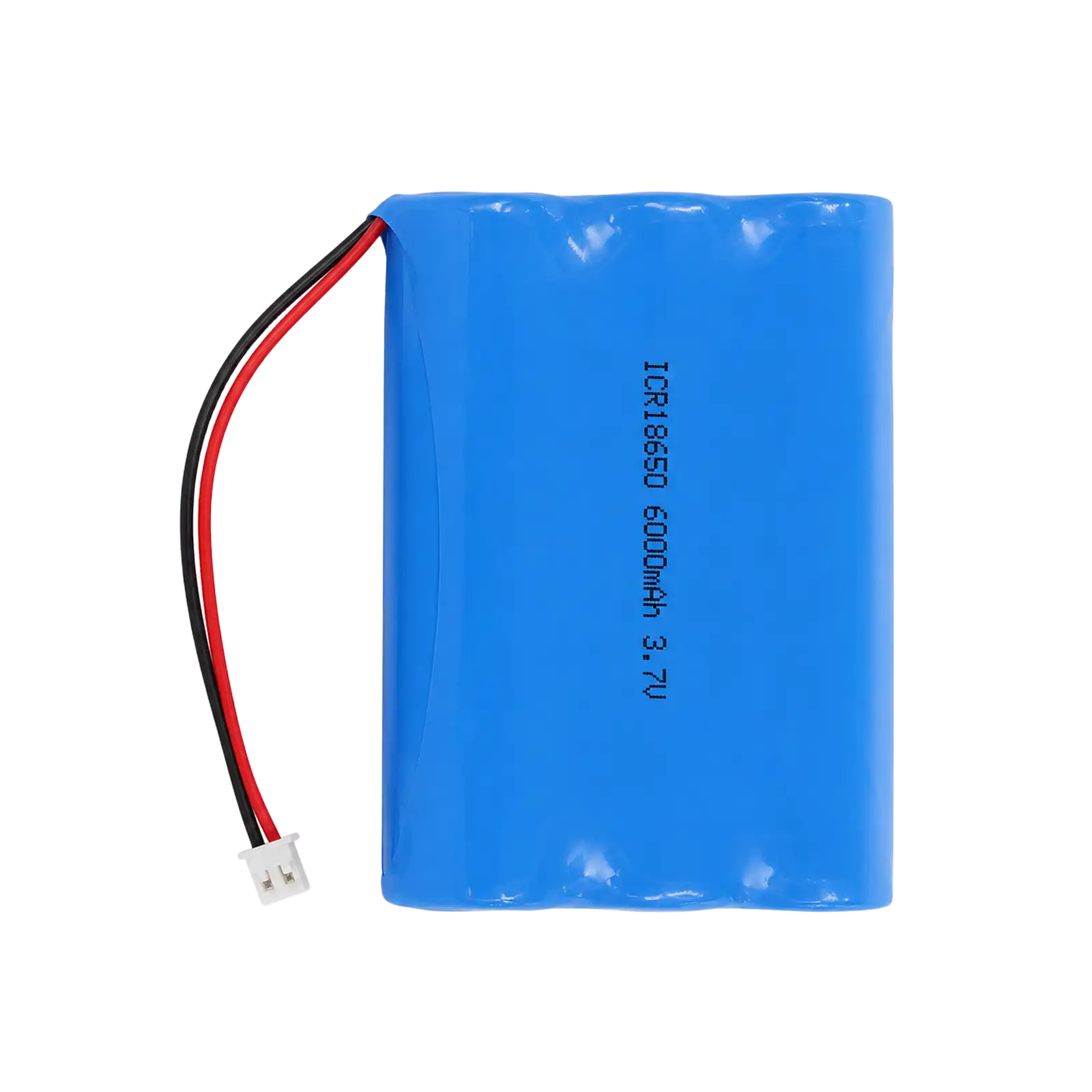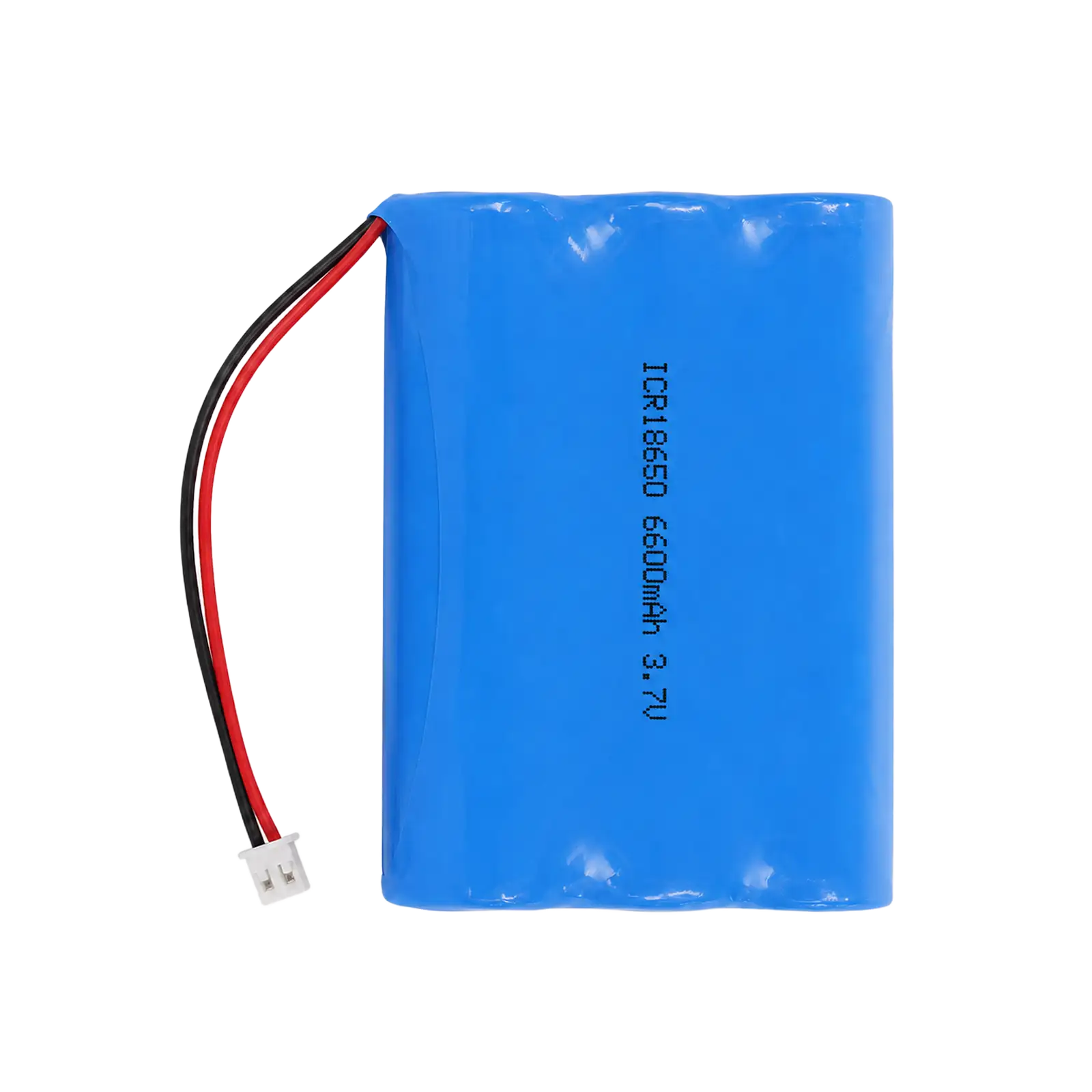
Choose according to enclosure shape and mechanical protection. A pouch cell often suits thin or irregular spaces but needs swelling allowance and protection from compression or puncture. Cylindrical cells have a more defined structure but require sufficient thickness, holders and wiring space.
Consumer Batteries
Smart Home Batteries
Rechargeable batteries for connected devices and smart home products, with pouch and cylindrical-cell options for different device layouts and power needs.
Home > Consumer Batteries > Smart Home Batteries > Page 2
Selection guide
Match the pack to enclosure space, runtime and load profile.
Compare the device's continuous and peak load, target runtime, available space and charging method. Cell format, connector, lead routing, protection strategy and service access should be confirmed before finalizing a smart-home battery pack.
Electrical fit
Confirm nominal voltage, usable capacity, continuous load, peak demand and charging limits.
Mechanical fit
Check enclosure space, mounting, terminals, connectors, cable routing and service access.
Project review
Share application, environment, quantity, compliance and integration requirements with engineering.
Products
Find a battery that fits your device
Compare capacity and cell format against the device’s space, power use and charging design.
Smart Home Batteries
Choose from pouch and cylindrical-cell batteries. Check dimensions and peak current as well as the capacity needed for your target runtime.
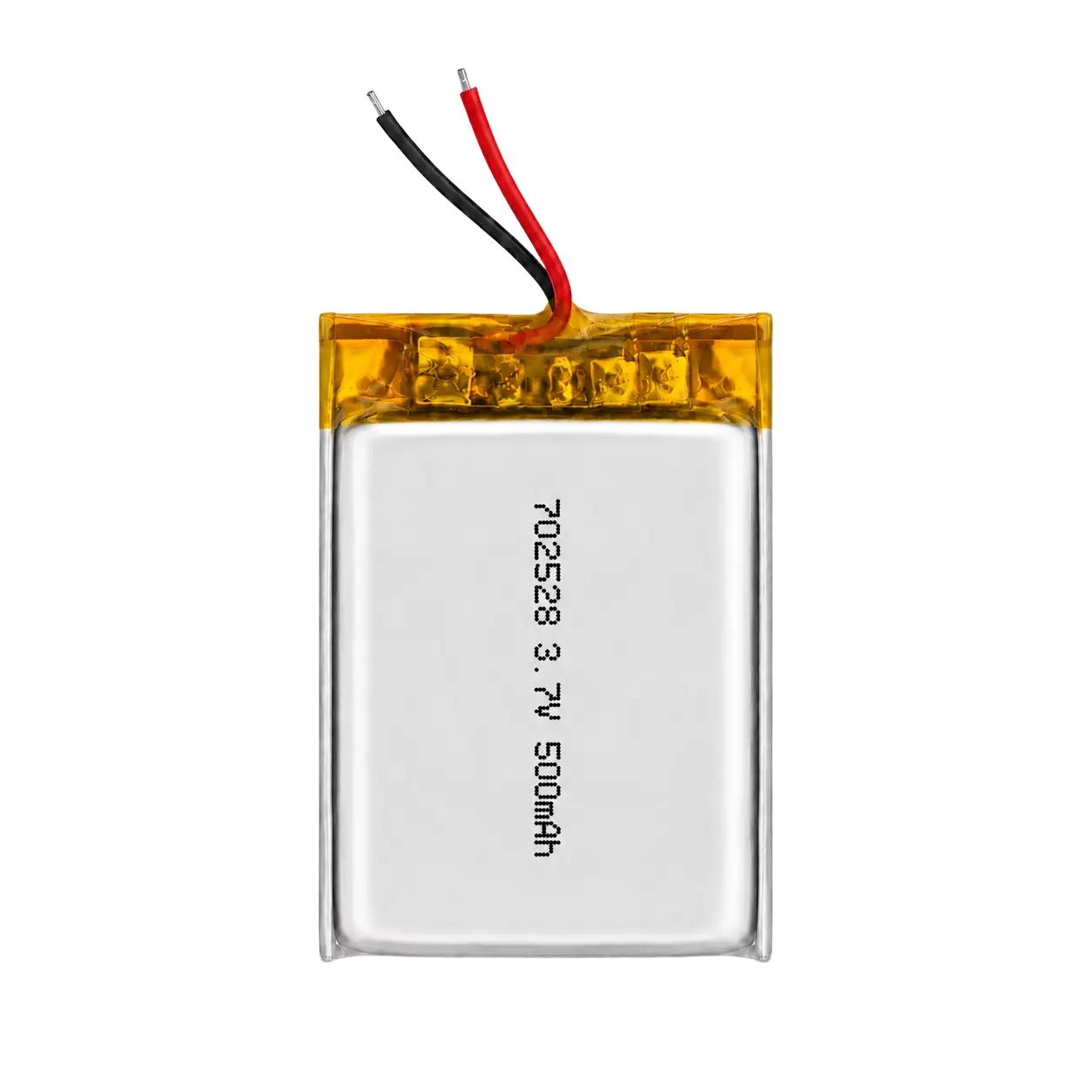
3.7V 500mAh Smart Home Battery
702528 500mAh
• Lithium polymer pouch cell
• For smart home devices
• Rechargeable lithium battery
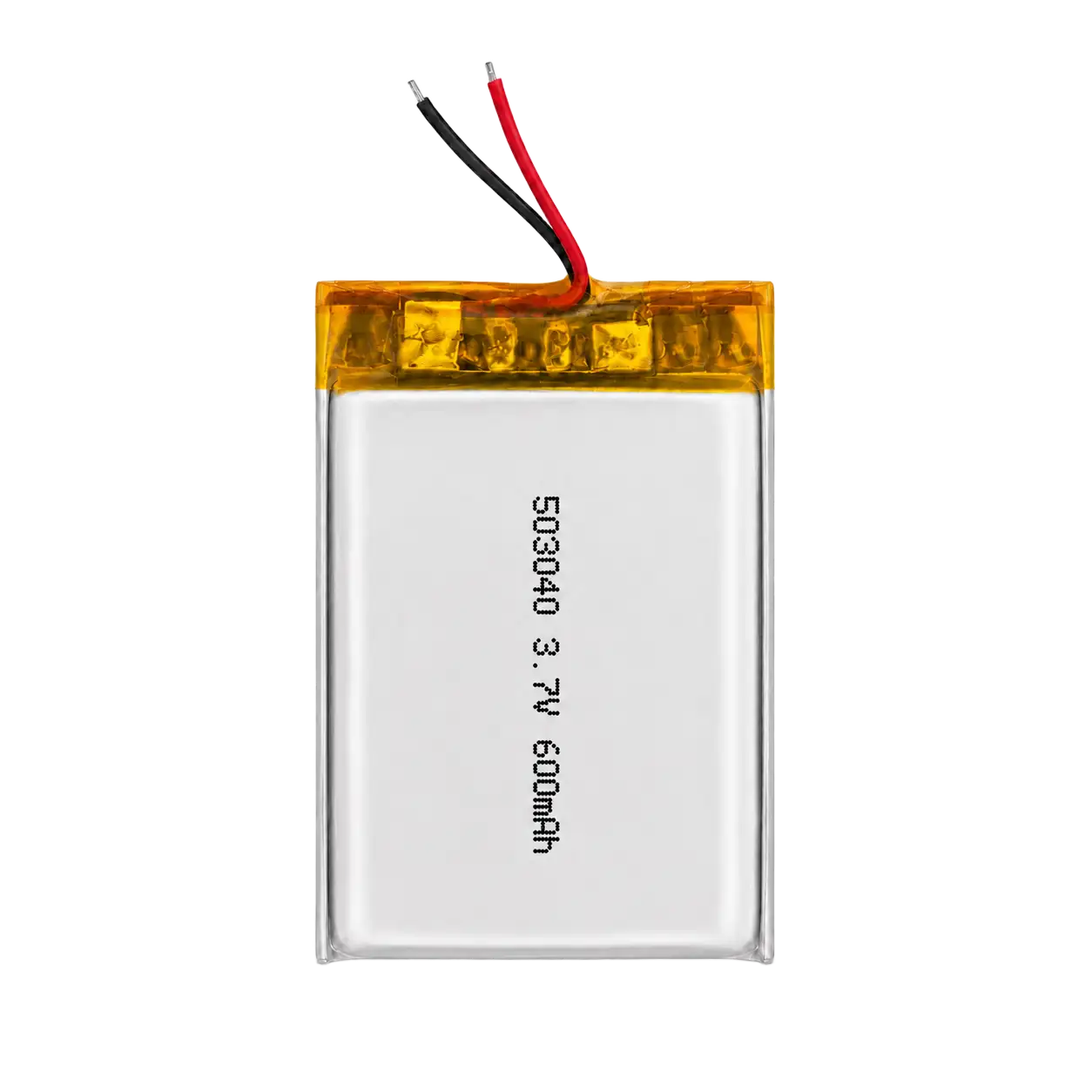
3.7V 600mAh Smart Home Battery
503040 600mAh
• Lithium polymer pouch cell
• For smart home devices
• Rechargeable lithium battery
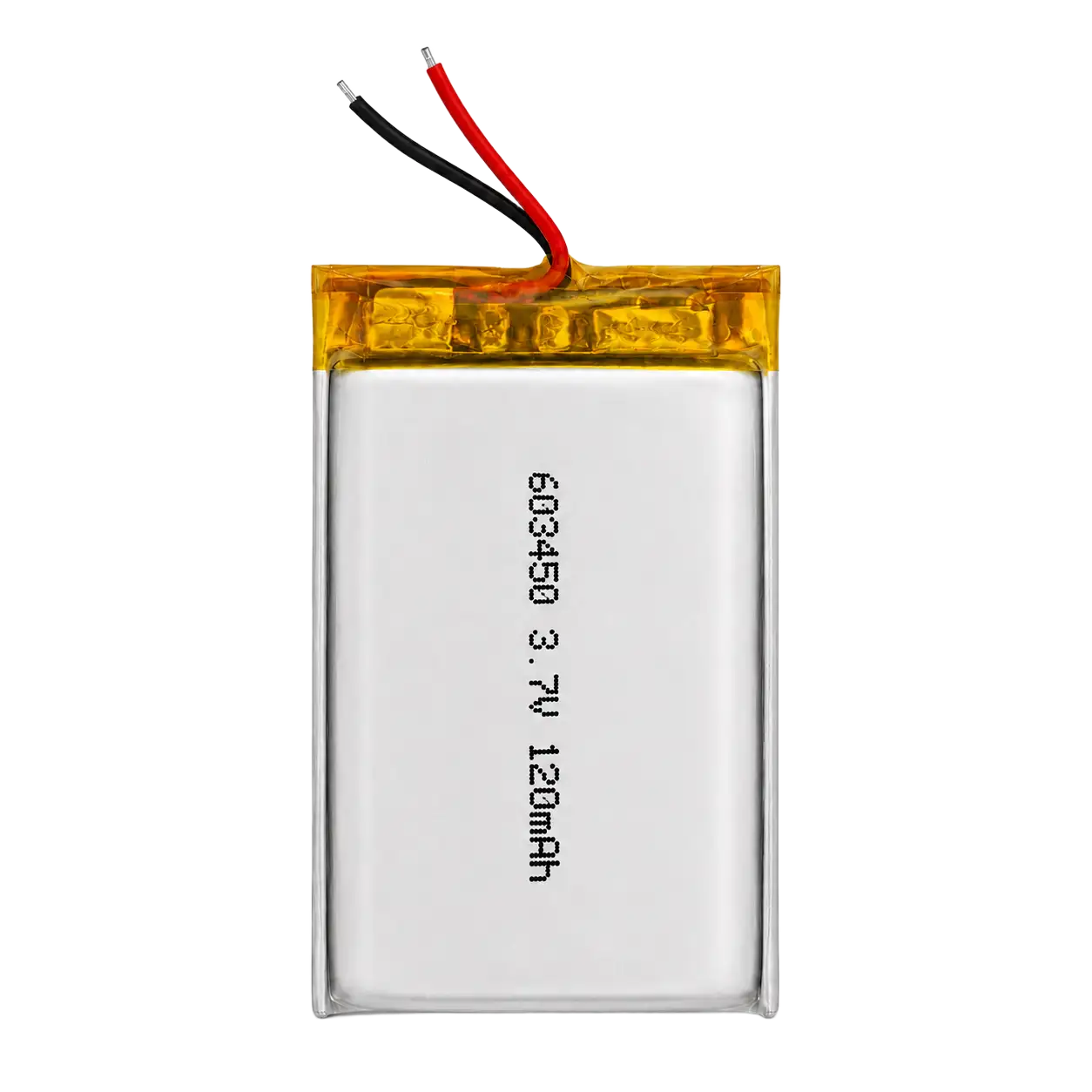
3.7V 1200mAh Smart Home Battery
603450 1200mAh
• Lithium polymer pouch cell
• For smart home devices
• Rechargeable lithium battery
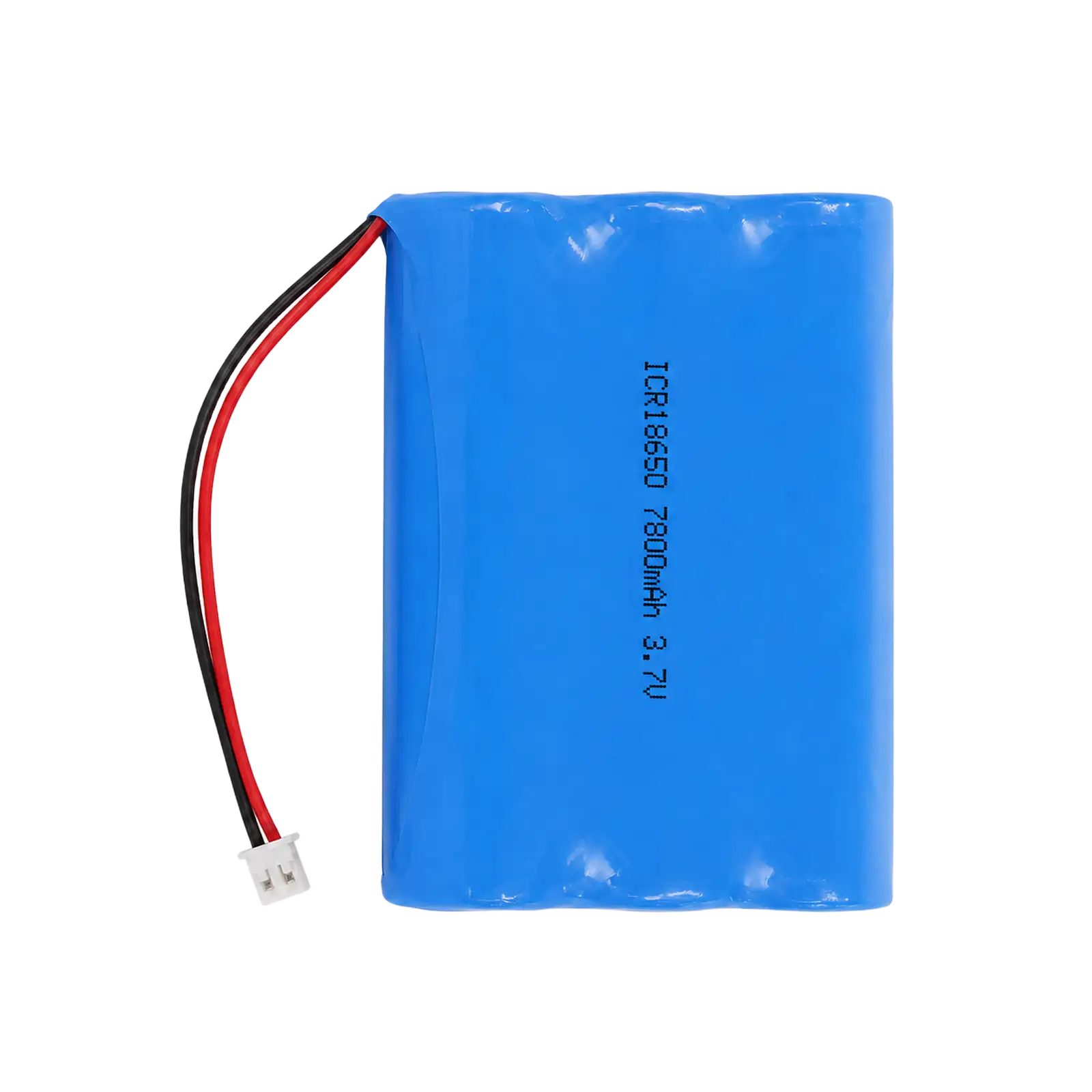
3.7V 7800mAh Smart Home Battery
18650 1S3P 7800mAh
• 3 cells in parallel
• For smart home devices
• Rechargeable lithium battery
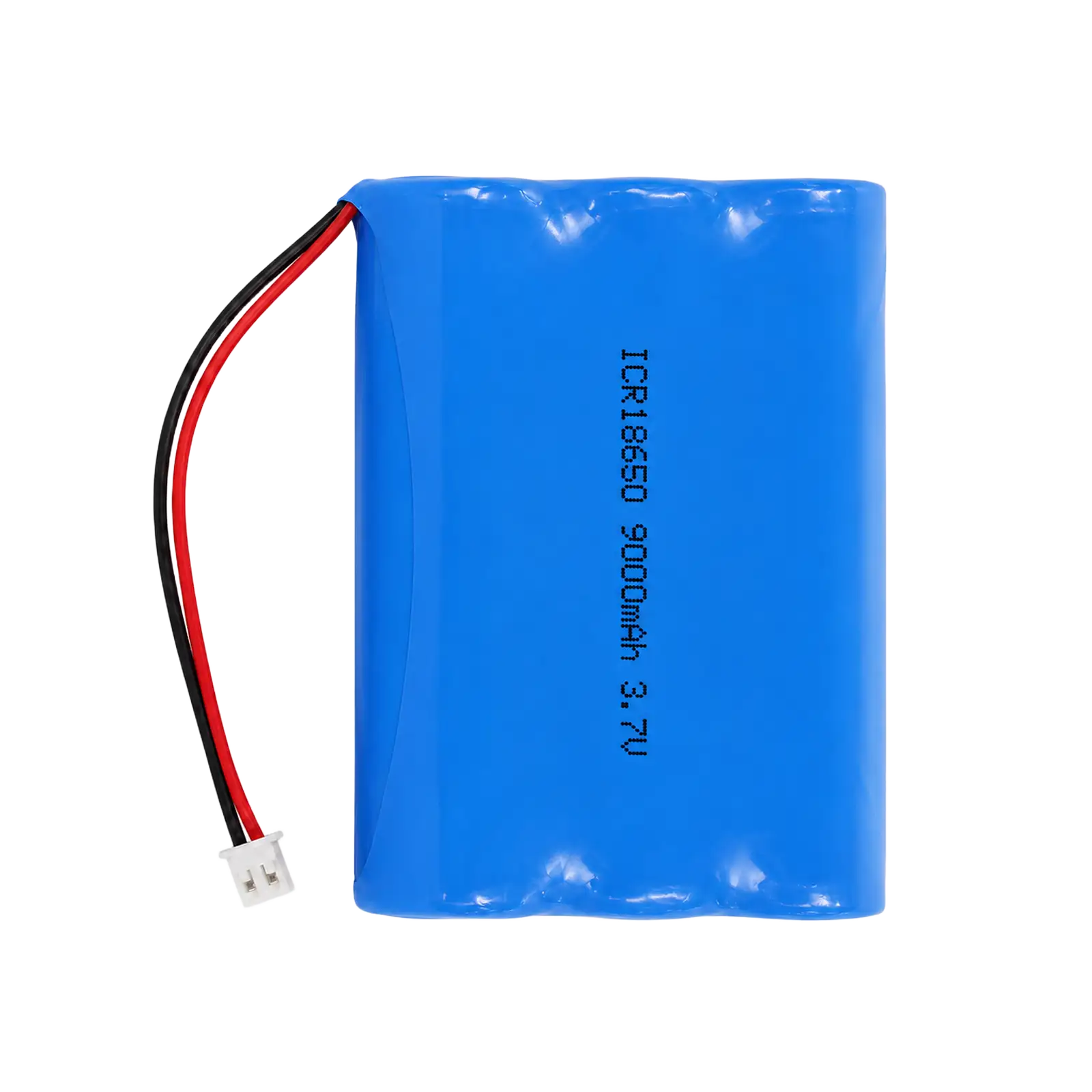
3.6V 9000mAh Smart Home Battery
18650 1S3P 9000mAh
• 3 cells in parallel
• For smart home devices
• Rechargeable lithium battery
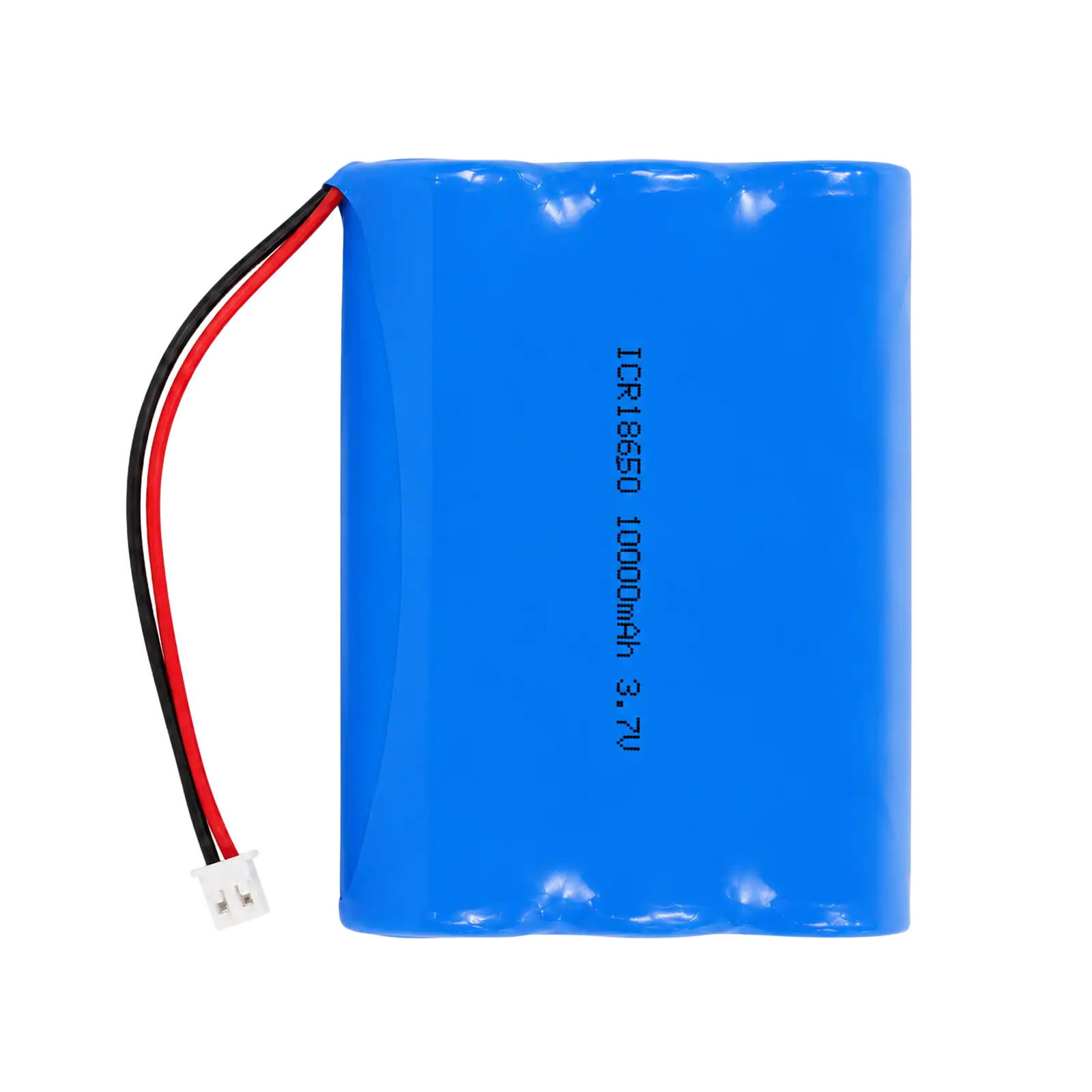
3.6V 10000mAh Smart Home Battery
18650 1S3P 10000mAh
• 3 cells in parallel
• For smart home devices
• Rechargeable lithium battery
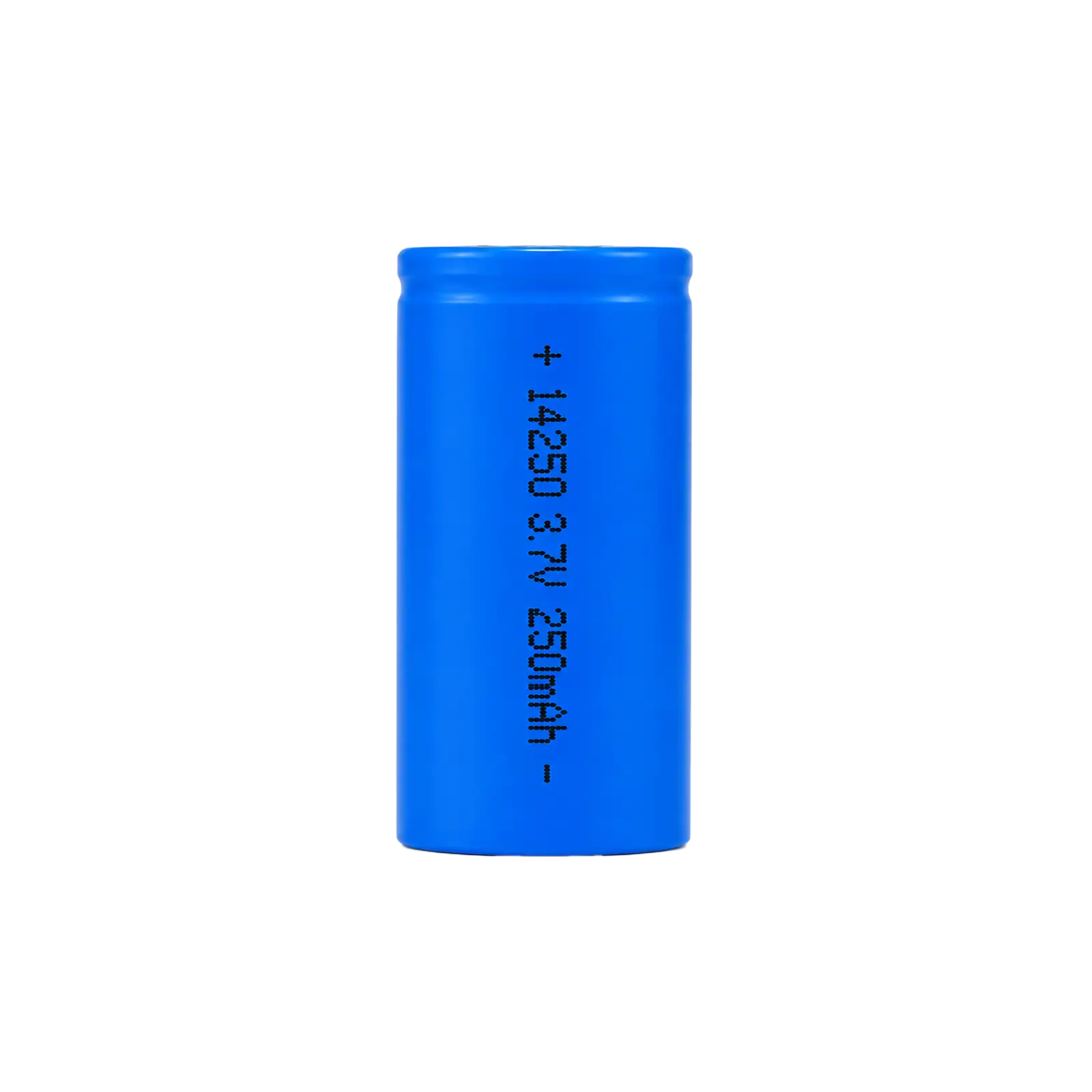
3.7V 250mAh Smart Home Battery
14250 250mAh
• Single cylindrical cell
• For smart home devices
• Rechargeable lithium battery
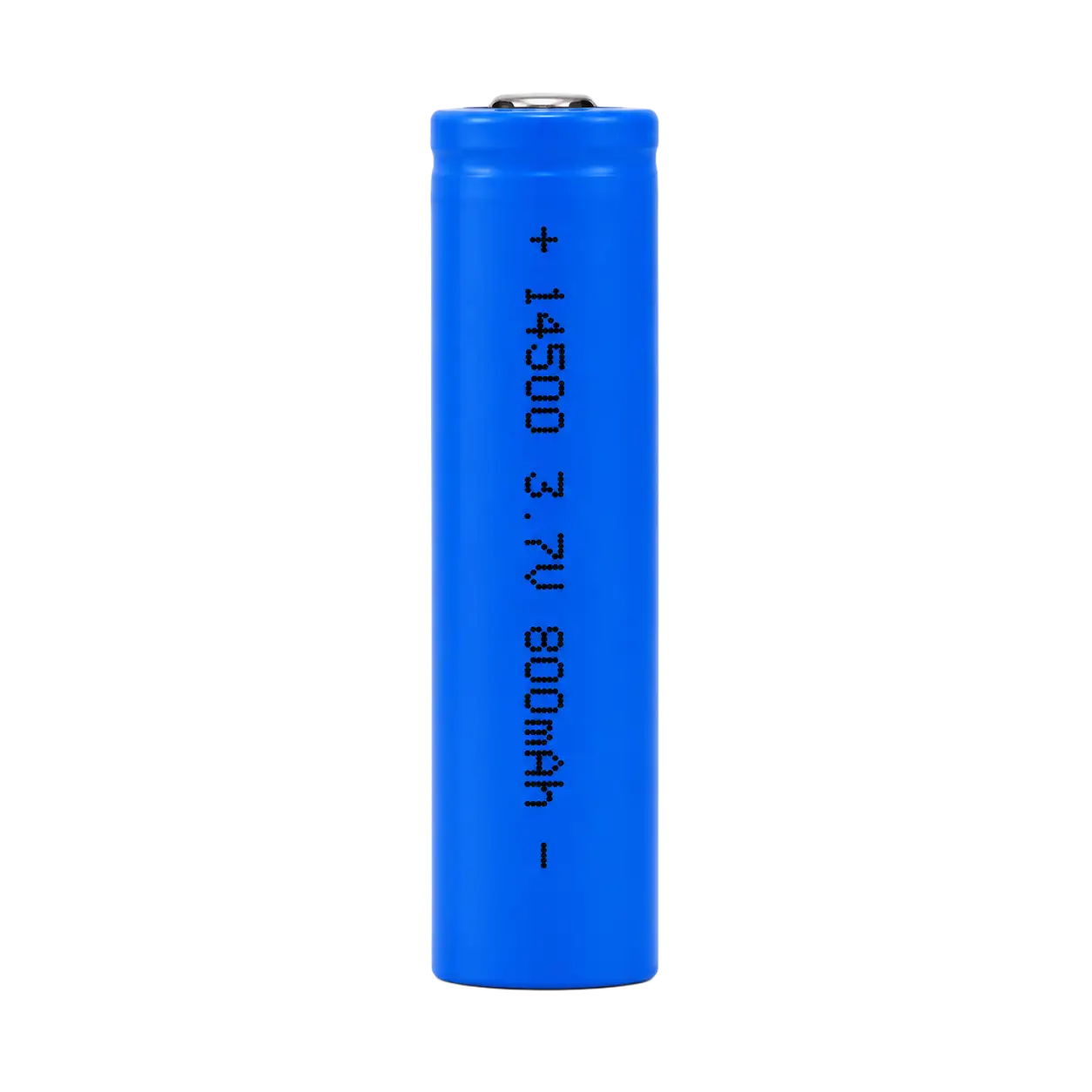
3.7V 800mAh Smart Home Battery
14500 800mAh
• Single cylindrical cell
• For smart home devices
• Rechargeable lithium battery
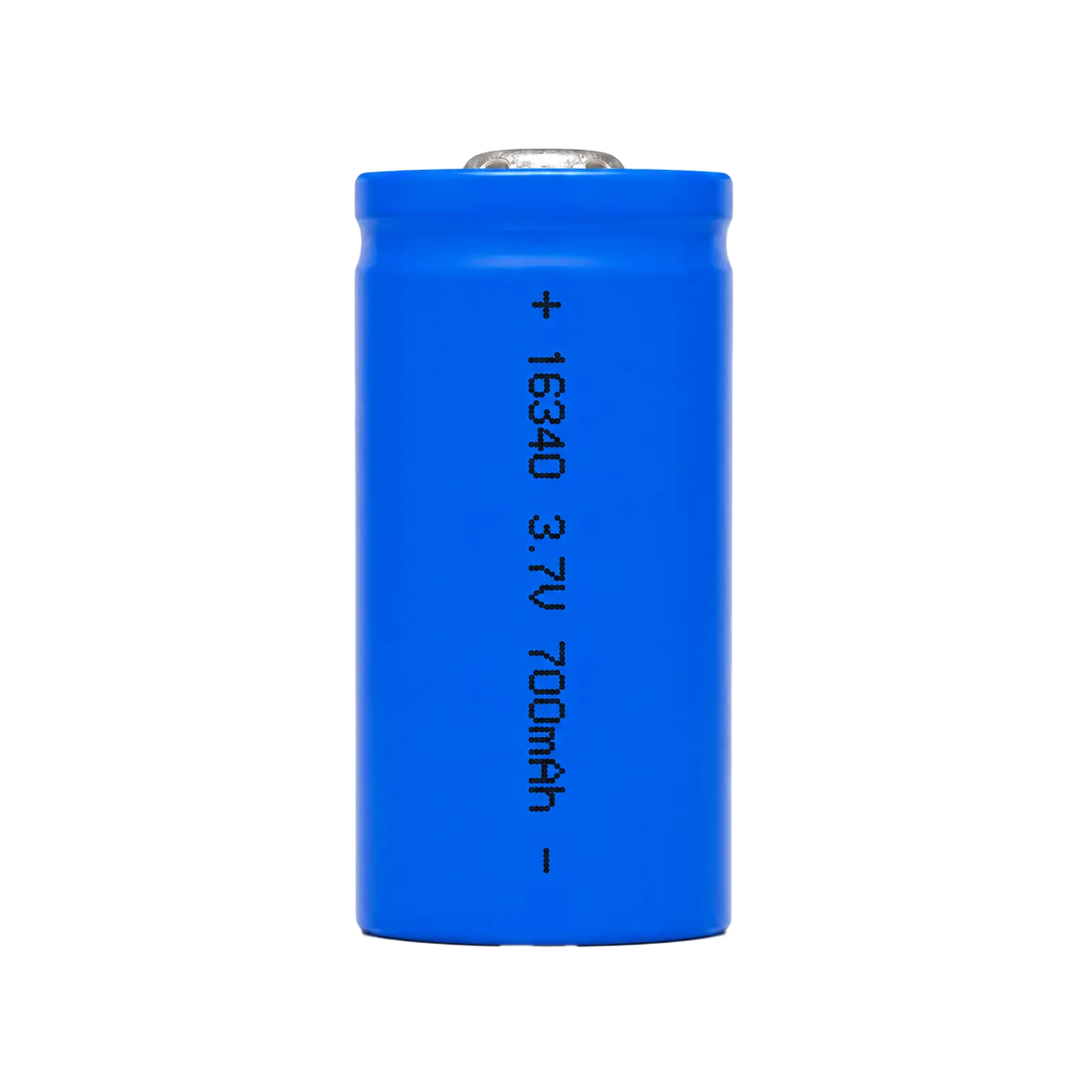
3.7V 700mAh Smart Home Battery
16340 700mAh
• Single cylindrical cell
• For smart home devices
• Rechargeable lithium battery
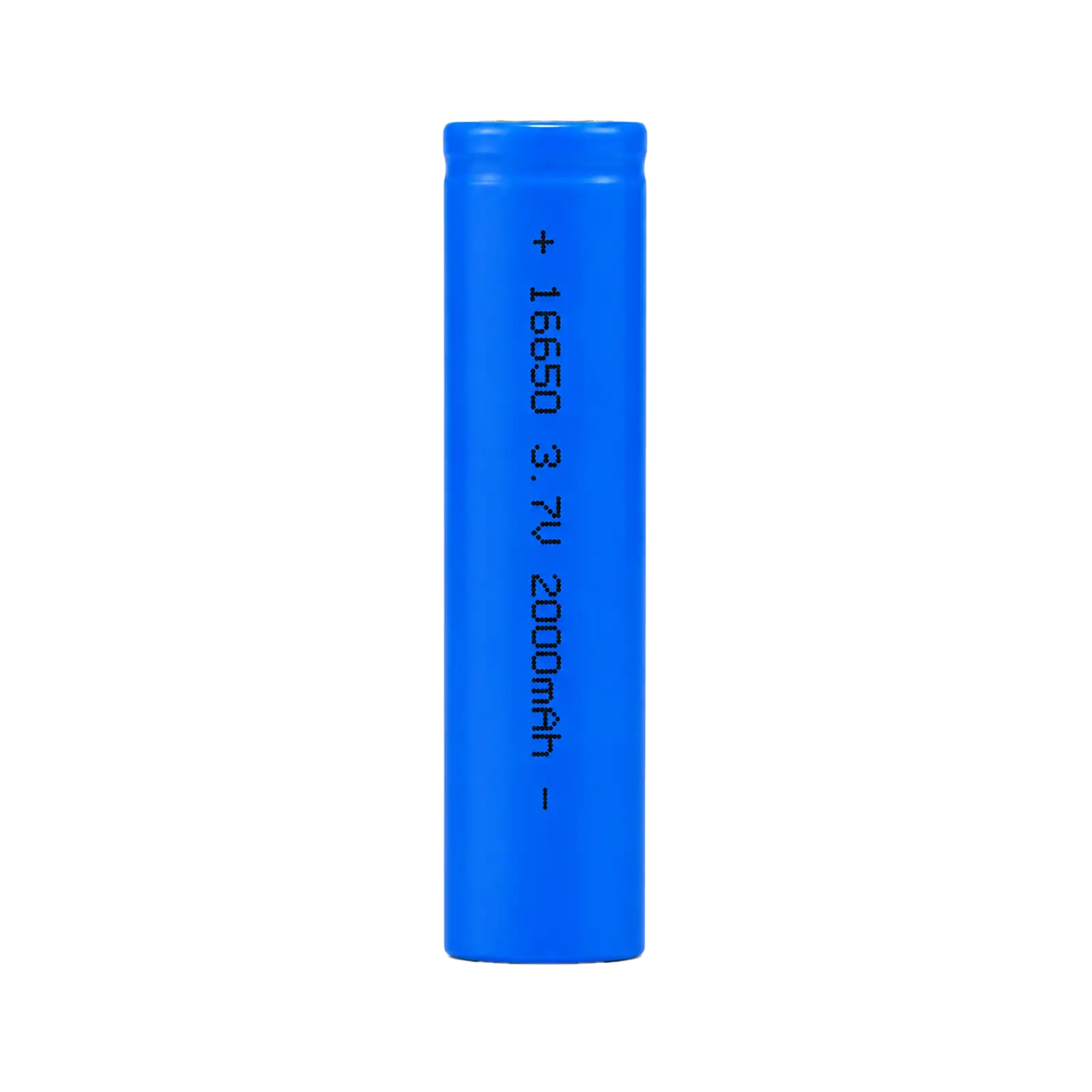
3.7V 2000mAh Smart Home Battery
16650 2000mAh
• Single cylindrical cell
• For smart home devices
• Rechargeable lithium battery
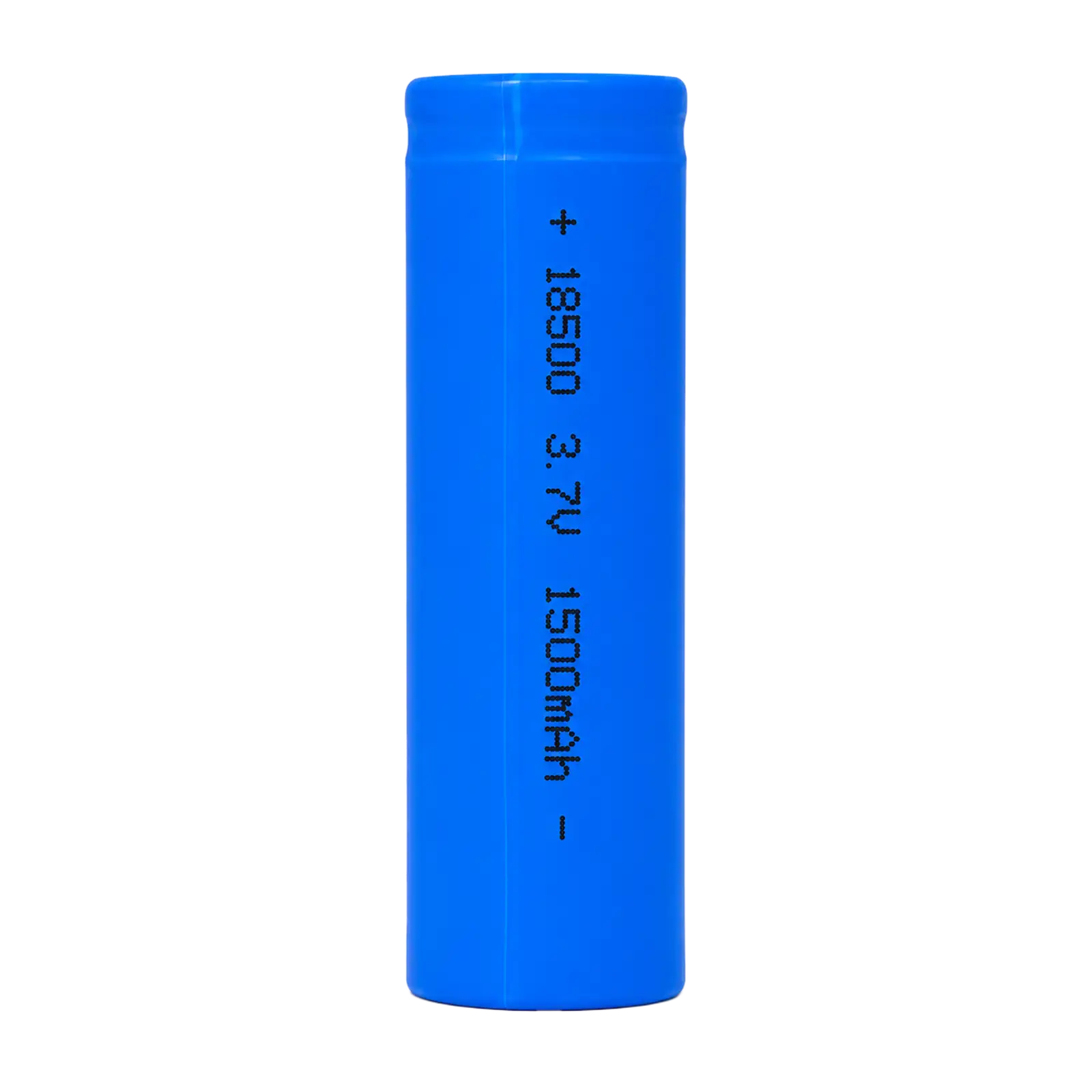
3.7V 1500mAh Smart Home Battery
18500 1500mAh
• Single cylindrical cell
• For smart home devices
• Rechargeable lithium battery
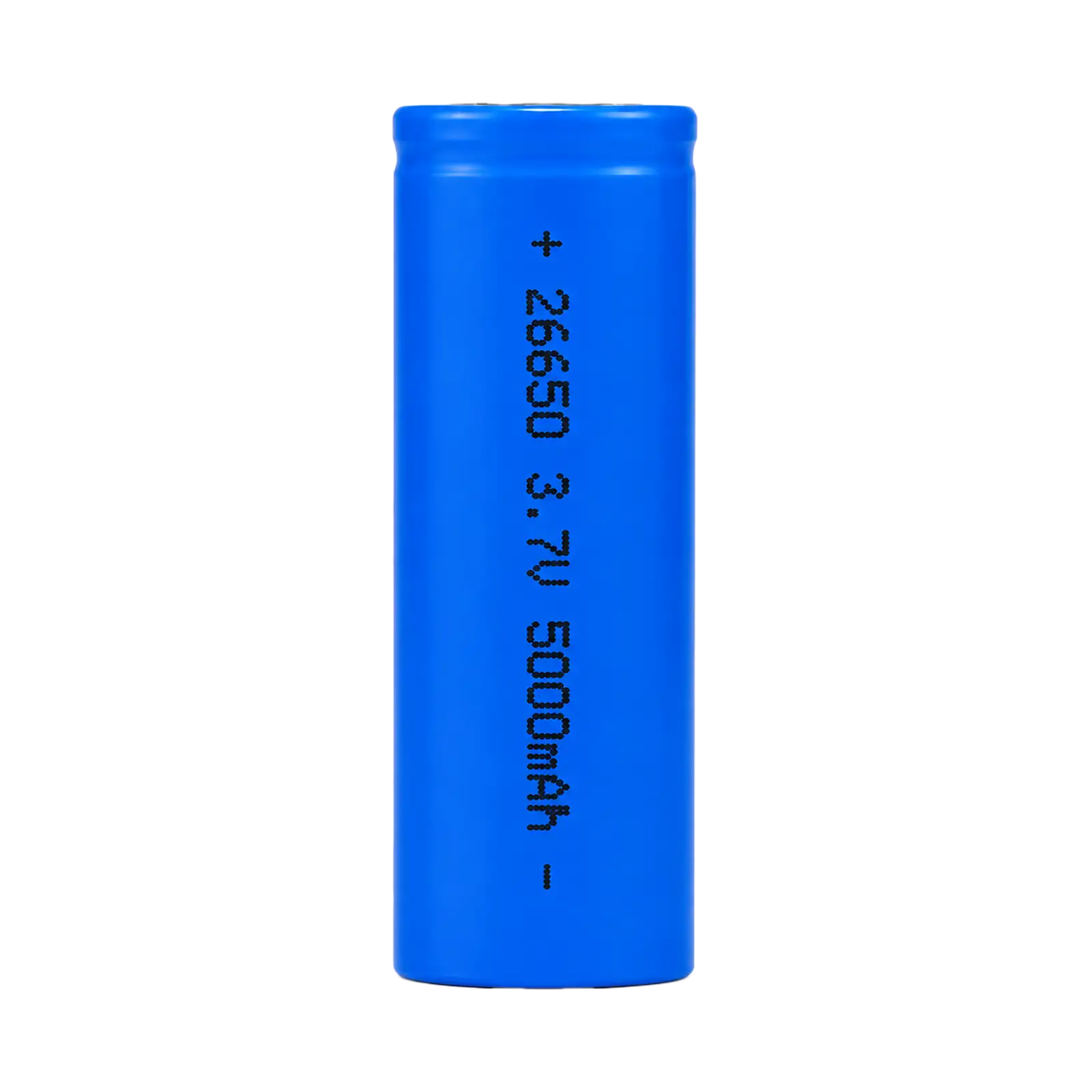
3.7V 5000mAh Smart Home Battery
26650 5000mAh
• Single cylindrical cell
• For smart home devices
• Rechargeable lithium battery
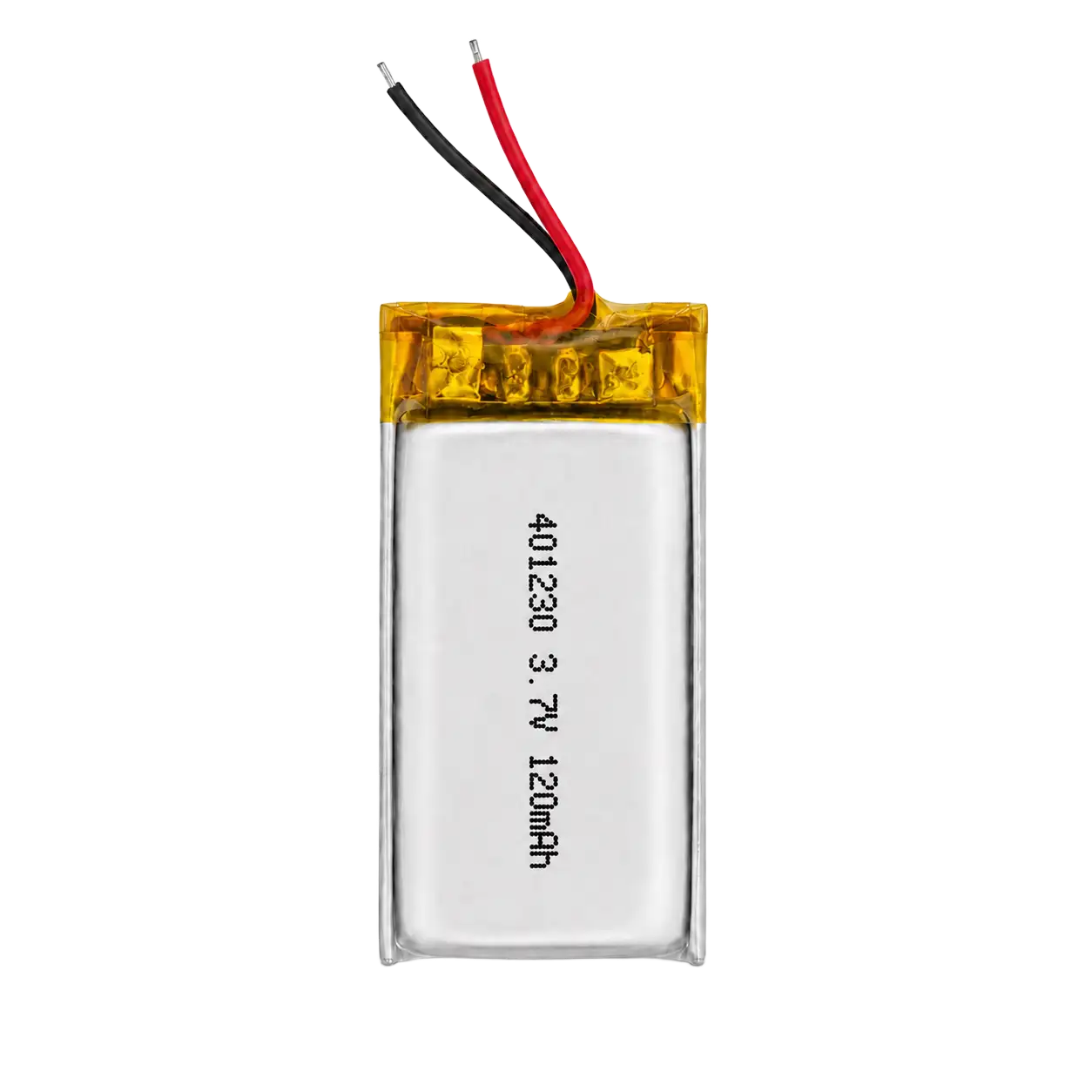
3.7V 120mAh Smart Home Battery
401230 120mAh
• Lithium polymer pouch cell
• For smart home devices
• Rechargeable lithium battery
3.7V 120mAh Smart Home Battery
301730 120mAh
• Lithium polymer pouch cell
• For smart home devices
• Rechargeable lithium battery
3.7V 150mAh Smart Home Battery
402025 150mAh
• Lithium polymer pouch cell
• For smart home devices
• Rechargeable lithium battery
3.7V 6000mAh Smart Home Battery
18650 1S3P 6000mAh
• 3 cells in parallel
• For smart home devices
• Rechargeable lithium battery
3.7V 6600mAh Smart Home Battery
18650 1S3P 6600mAh
• 3 cells in parallel
• For smart home devices
• Rechargeable lithium battery
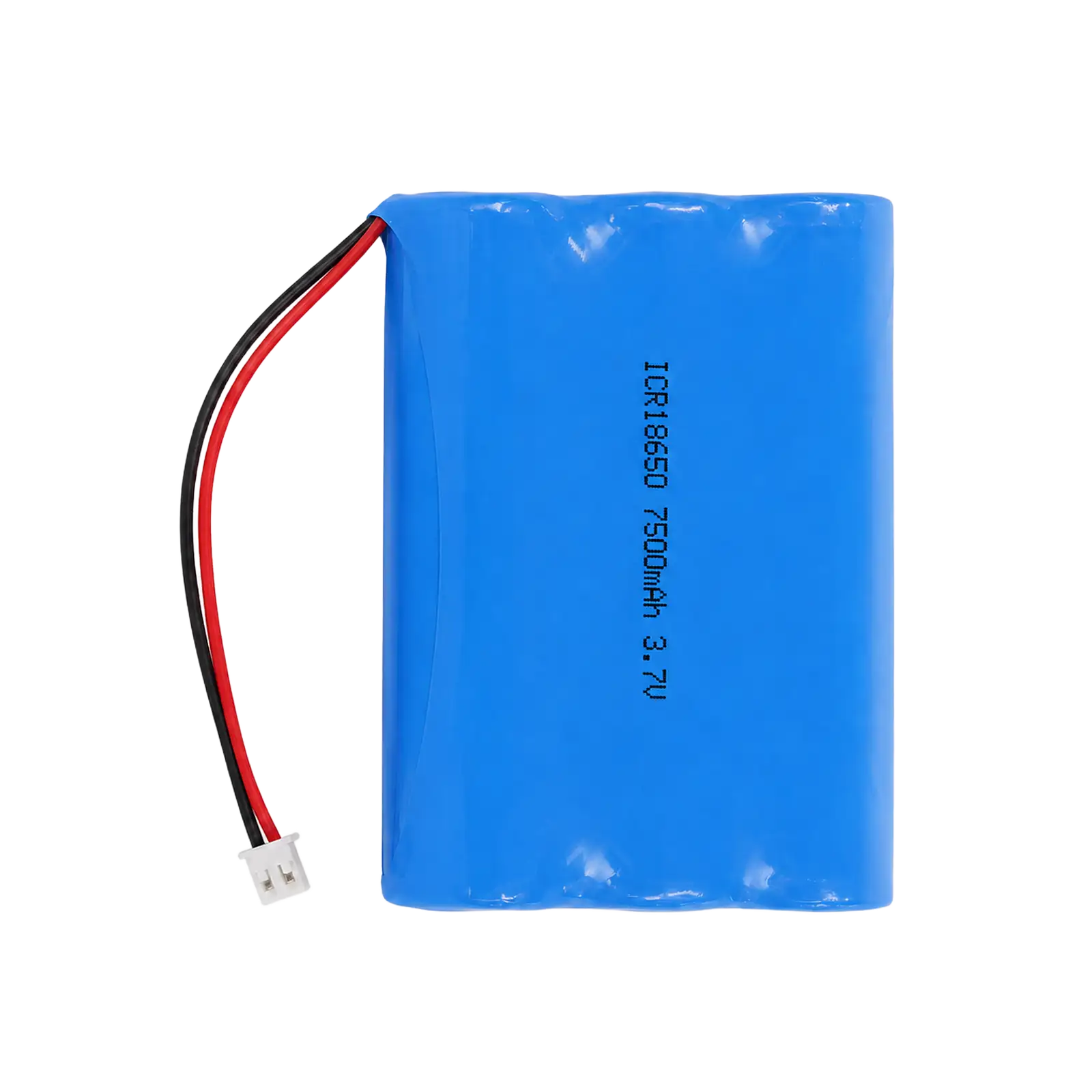
3.7V 7500mAh Smart Home Battery
18650 1S3P 7500mAh
• 3 cells in parallel
• For smart home devices
• Rechargeable lithium battery
Smart Home Batteries FAQs
Pouch or cylindrical cells, runtime estimates, wireless transmission peaks and built-in charging.
Calculate average current from the duty cycle. Multiply current in standby, sensing, wireless transmission, display and actuator modes by the time spent in each mode, sum the results and divide by the full cycle time. Required capacity is approximately average current multiplied by target runtime, plus margin for temperature and aging.
Check peak current and voltage sag first. Record the current and duration during Wi-Fi, cellular transmission or motor actuation, then review battery resistance, protection-current limit, connector resistance and wire gauge. A high-capacity battery can still cause resets if its peak-current capability is insufficient.
Define them against the device-side interface. Provide connector part number, positive and negative pin positions, lead length, wire gauge, cable-exit direction, installation bend radius and keying requirements. A photo alone is not sufficient without a polarity diagram.
Check the charging IC and maximum charge voltage first. Also verify pre-charge, constant-current and constant-voltage settings, temperature sensing, charge termination, USB or adapter input and whether the battery protection circuit conflicts with the device’s charging logic.
Contact Us
Tell Us About Your Battery Project
Share your battery requirements with us, and our team will help you find the right solution.