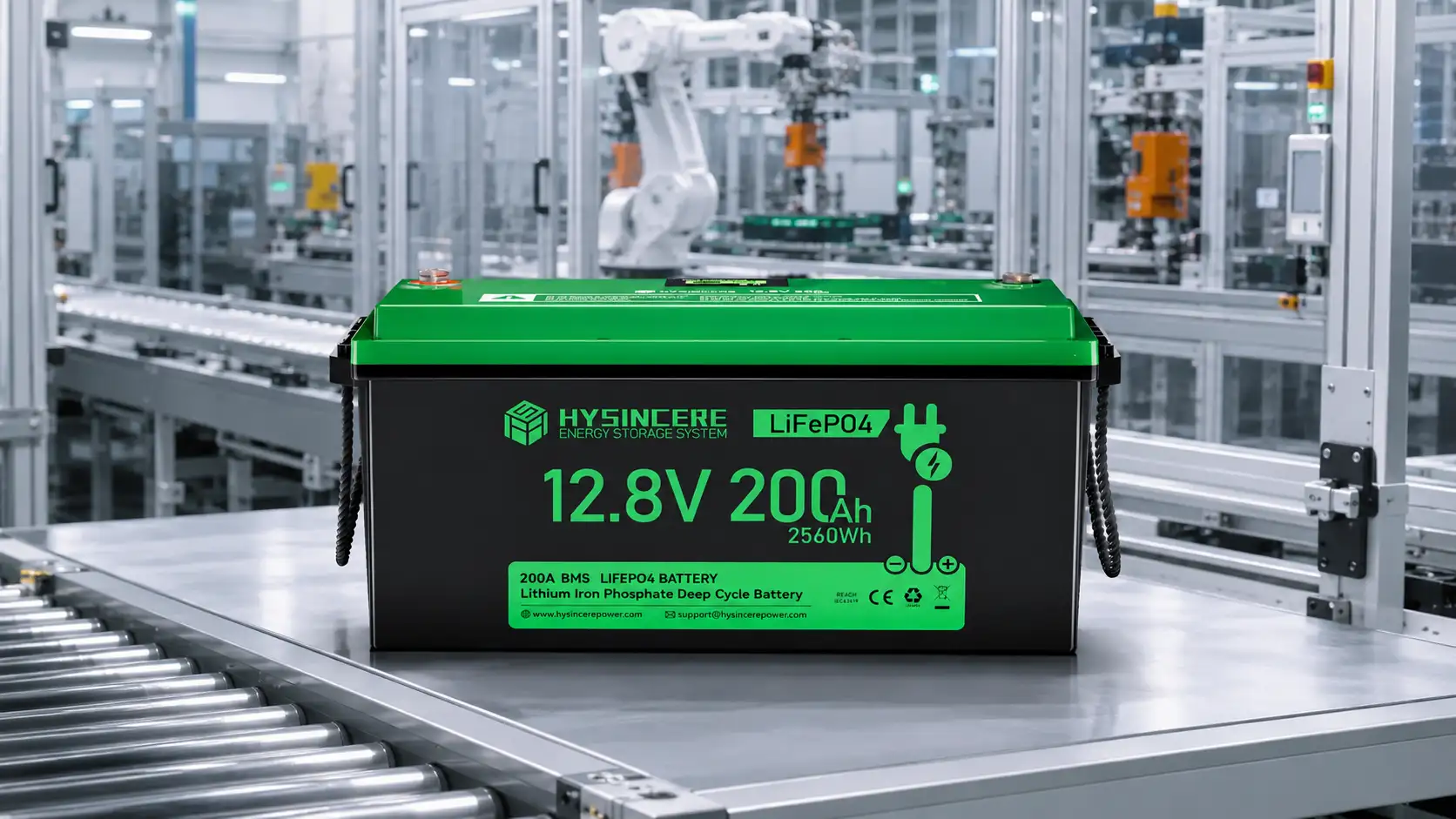
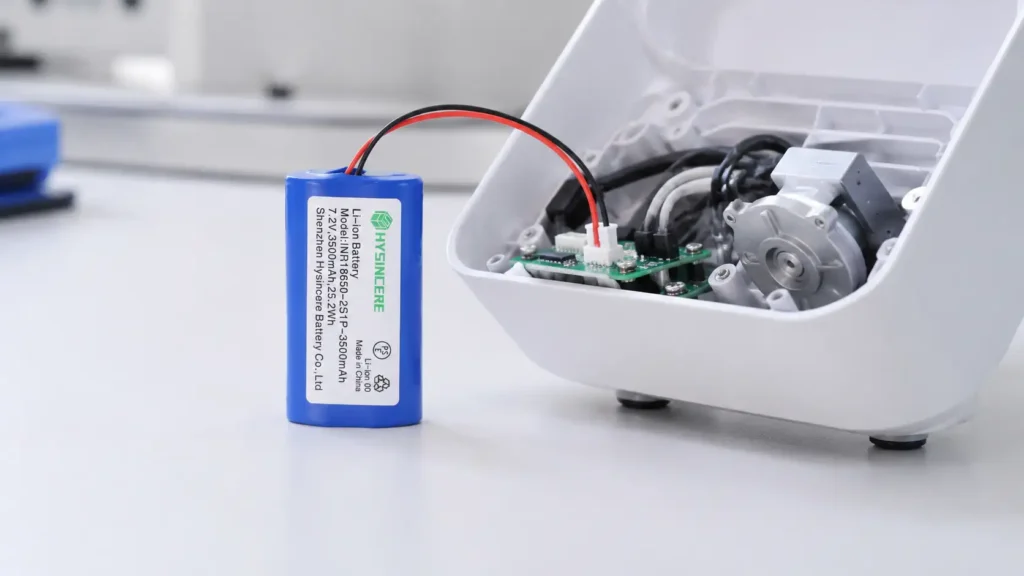
When engineering portable electronics or industrial tools, selecting the precise voltage for your battery pack is critical to optimizing motor efficiency and device performance. In the custom battery manufacturing sector, you will frequently encounter requests for 14V and 15V lithium batteries.
Technically, these voltages are typically achieved using a 4-series (4S) cell configuration. Depending on the specific cell chemistry—such as standard Lithium-ion (3.6V/3.7V nominal) or Lithium Iron Phosphate (LiFePO4)—the nominal and peak voltages will fluctuate between the 14-volt and 15-volt range. Here is a comprehensive guide to understanding these specialized power solutions.
What is a 14V Lithium Battery?
A 14-volt lithium battery (often a 4S Li-ion pack with a nominal voltage of 14.4V or 14.8V) is a highly efficient rechargeable power source. It is engineered to bridge the gap between standard 12V systems and higher 18V/20V systems, offering a perfect balance of power and compactness.
Benefits of a 14V Lithium-Ion Battery:
- Lightweight and Compact: Significantly easier to integrate into handheld devices compared to bulky traditional lead-acid batteries.
- Longer Lifespan: High-quality lithium-ion chemistry ensures thousands of charge cycles with minimal capacity degradation.
- High Efficiency: Delivers consistent, stable power output with exceptionally low internal resistance.
What is a 15V Lithium Battery?
A 15-volt lithium battery provides a slightly higher voltage threshold, making it the ideal choice for applications requiring a stricter voltage floor to drive higher-demand motors or sensitive circuitry. These specialized packs are frequently utilized in high-performance electronics, precision medical equipment, and robust industrial tools.
Advantages of a 15V Lithium Battery:
- Increased Power Output: Provides that extra margin of voltage necessary to maintain torque and speed under heavy loads.
- Reliable Performance: Tailored for professional-grade tools and critical backup power (UPS) solutions.
- Advanced BMS Compatibility: Easily integrates with smart Battery Management Systems for rapid charging and precise thermal control.
14V vs. 15V Lithium Battery: Key Differences
To help OEMs and procurement managers make informed decisions, below is a comparative breakdown of these two configurations:
| Feature | 14V Lithium Battery (e.g., 14.4V / 14.8V) | 15V Lithium Battery (e.g., 15V / 15.2V) |
|---|---|---|
| Voltage Output | Nominally ~14.4V – 14.8V | Nominally ~15.0V – 15.2V |
| Common Applications | Power tools, high-end laptops, RC devices, robotics | Medical devices, industrial test equipment, specialized backups |
| Efficiency & Power | Excellent balance of runtime and weight | Slightly higher power delivery for voltage-sensitive loads |
| Physical Weight | Highly compact and lightweight | Slightly heavier (depending on capacity and cell density) |
| Charging Profile | Fast, standard 4S charging curve | Requires precise charger matching for higher peak voltage |
Choosing the Right Voltage for Your Project
Selecting between a 14V and a 15V pack comes down to the precise operating range of your device’s motor controller or motherboard. If your device is explicitly designed for a standard 4S 14.4V system, stick with a 14-volt lithium battery to prevent over-voltage errors. However, if your application supports a wider voltage range and requires slightly more peak power, a 15V custom pack may offer superior operational efficiency.
Custom Pack Manufacturing with Hysincere
Whether your commercial application requires the compact efficiency of a 14V lithium-ion battery or the robust output of a 15-volt pack, precision engineering is non-negotiable. At Hysincere, we specialize in designing and manufacturing custom lithium battery packs using premium cells and intelligent BMS technology. Partner with us to ensure your devices are powered by safe, durable, and highly efficient energy solutions.
Discuss Your Battery Project Requirements
Share the application, voltage, capacity, load, charging method, dimensions, temperature, certification, and annual-volume requirements for an initial technical review by Hysincere.
Understanding 14V and 15V Lithium Batteries: A B2B Engineering Guide FAQ
What does this guide explain about understanding 14v and 15v lithium batteries: a b2b engineering guide?
When engineering portable electronics or industrial tools, selecting the precise voltage for your battery pack is critical to optimizing motor efficiency and device performance. In the custom battery manufacturing sector, you will frequently encounter requests for 14V and 15V lithium batteries. Technically, these voltages are typically achieved using a 4-series (4S) cell configuration .
What is a 14V Lithium Battery?
A 14-volt lithium battery (often a 4S Li-ion pack with a nominal voltage of 14. 4V or 14. 8V) is a highly efficient rechargeable power source. It is engineered to bridge the gap between standard 12V systems and higher 18V/20V systems, offering a perfect balance of power and compactness.
What is a 15V Lithium Battery?
A 15-volt lithium battery provides a slightly higher voltage threshold, making it the ideal choice for applications requiring a stricter voltage floor to drive higher-demand motors or sensitive circuitry. These specialized packs are frequently utilized in high-performance electronics, precision medical equipment, and robust industrial tools.
This article is intended for technical reference and preliminary project evaluation. Battery compatibility, charging limits, current capability, temperature range, BMS behavior, certifications, and installation requirements vary by model and application. Final selection and system configuration must follow the selected product datasheet, equipment-manufacturer requirements, and system-validation results.