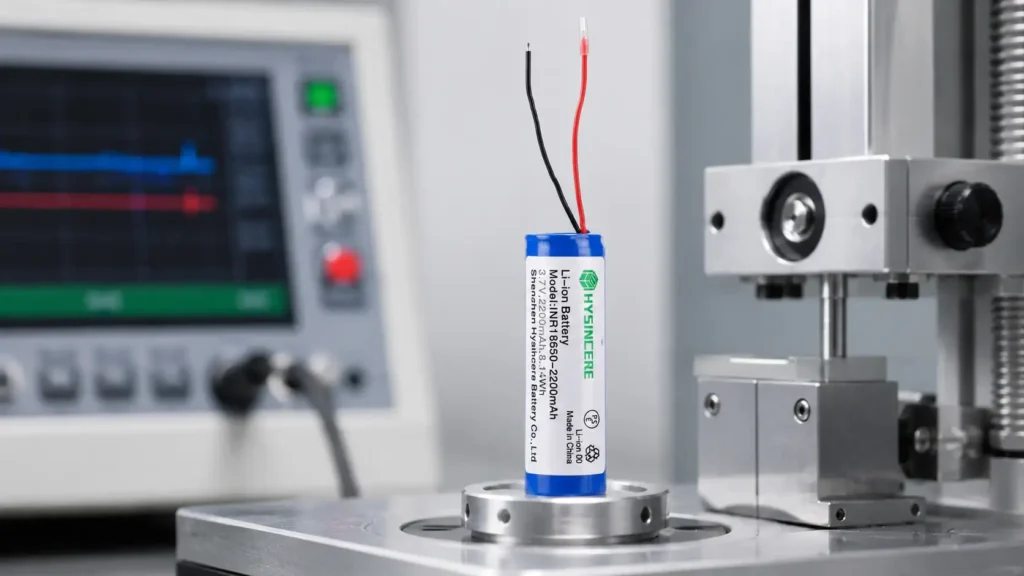
While standard lithium-ion cells are highly reliable, an 18650 battery leaking is a rare but serious issue that requires immediate attention. For industrial users, engineering firms, and OEMs, understanding the root causes of battery leakage is critical for maintaining system safety and preventing catastrophic failures.
This technical safety guide explores the primary causes of 18650 battery leaks, effective preventative measures, and the crucial differences between protected and unprotected cells.
What Causes an 18650 Battery Leak?
Electrolyte leakage in an 18650 cell typically results from extreme thermal, electrical, or physical stress. The primary factors include:
- Overcharging or Overdischarging: When a lithium-ion cell is overcharged, excessive heat and gas build-up can rupture the internal safety valve, causing the electrolyte to leak. Conversely, overdischarging damages the internal chemistry, leading to irreversible structural failure.
- Physical Damage: Punctures, drops, or external mechanical pressure can compromise the rigid steel casing. Industrial environments must ensure proper handling and pack assembly to avoid mechanical damage.
- Manufacturing Defects: Poor seal integrity or low-quality internal separators in counterfeit or low-tier batteries can lead to early electrolyte leakage. Sourcing from certified and reputable brands is non-negotiable.
- Exposure to High Temperatures: Lithium-ion cells are highly sensitive to thermal stress. Prolonged exposure to temperatures above 60°C (140°F) can trigger thermal runaway, resulting in venting and leaks.
The Danger of Unprotected 18650 Batteries
A major contributing factor to battery failure is the use of unprotected cells in demanding applications. Unprotected 18650 batteries lack a built-in protection circuit, making them highly vulnerable to overcharging, overheating, and external short circuits.
In contrast, a protected 18650 battery features a built-in Protection Circuit Board (PCB) integrated directly into the cell or managed via the pack’s BMS. This prevents excessive current flow, strictly regulates voltage limits, and drastically reduces the risk of leaks.
How to Prevent 18650 Battery Leaks
To enhance the safety and longevity of energy storage systems, businesses should adopt the following best practices:
- Choose Protected Cells: Utilize protected 18650 batteries or robust pack-level BMS solutions. They are mandatory for industrial applications, energy storage, and medical devices that demand higher safety standards.
- Implement Safe Charging Practices: Use high-quality, smart chargers with automatic overcharge protection to prevent thermal stress. Avoid uncertified chargers that may cause dangerous voltage fluctuations.
- Store Batteries Properly: Keep 18650 batteries in a dry, climate-controlled environment away from direct sunlight. Avoid stacking batteries loosely where terminals could short circuit or physical stress could occur.
- Conduct Regular Inspections: Routinely check battery packs for physical bulging, discoloration, a sweet chemical odor, or visible leaking electrolyte as warning signs of potential failure.
What to Do If an 18650 Battery Is Leaking?
If you detect an 18650 battery leak, treat it as a hazardous material incident and take immediate action:
- Do not touch the leaked electrolyte directly with bare hands, as it contains corrosive and toxic chemicals.
- Carefully isolate the leaking battery, place it in a fireproof or sand-filled container, and move it to a well-ventilated area away from flammable materials.
- Contact a professional hazardous waste disposal service for proper environmental disposal.
- Thoroughly inspect and test other batteries from the same batch or pack to prevent cascading failures.
Prioritize Safety with Hysincere
While 18650 battery leaks are uncommon, mitigating these risks is paramount for commercial applications. By utilizing properly protected 18650 batteries and adhering to strict operational protocols, businesses can ensure safe and efficient power delivery. At Hysincere, we prioritize uncompromised safety. Our premium lithium-ion cells and custom battery packs undergo rigorous quality control and integrate advanced BMS protection, ensuring reliable performance without the risk of catastrophic failure.
Discuss Your Battery Project Requirements
Share the application, voltage, capacity, load, charging method, dimensions, temperature, certification, and annual-volume requirements for an initial technical review by Hysincere.
This article is for technical identification and preliminary evaluation. Stop using batteries that leak, overheat, swell, smell abnormal, show damage, or exhibit excessive resistance, and handle them according to manufacturer instructions and local regulations. Do not disassemble, short-circuit, crush, or attempt to repair cells.