NiMH, lead-acid and LiFePO4 batteries solve different design problems. A newer chemistry is not automatically a direct replacement for an older one. Compare the required voltage range, current, charging method, installation and temperature conditions before choosing a battery for an industrial project.
The Shift from Ni-Cd to NiMH Batteries
Nickel-cadmium (Ni-Cd) batteries were widely used in rechargeable devices. Cadmium creates health and disposal concerns, which helped drive substitution in many applications. Nickel-metal hydride (NiMH) batteries use a hydrogen-storing alloy and became an important alternative, but Ni-Cd has not disappeared from every application.
NiMH cells contain no cadmium and can offer more capacity than comparable Ni-Cd cells. The improvement is model-specific, not a universal 1.5–2 times or 30% increase. NiMH has been used in portable electronics and hybrid vehicles. In a hybrid, the battery can store energy recovered during braking and receive energy from the engine-generator system; the vehicle controls when the electric motor assists propulsion.
Where LiFePO4 Can Be a Useful Alternative
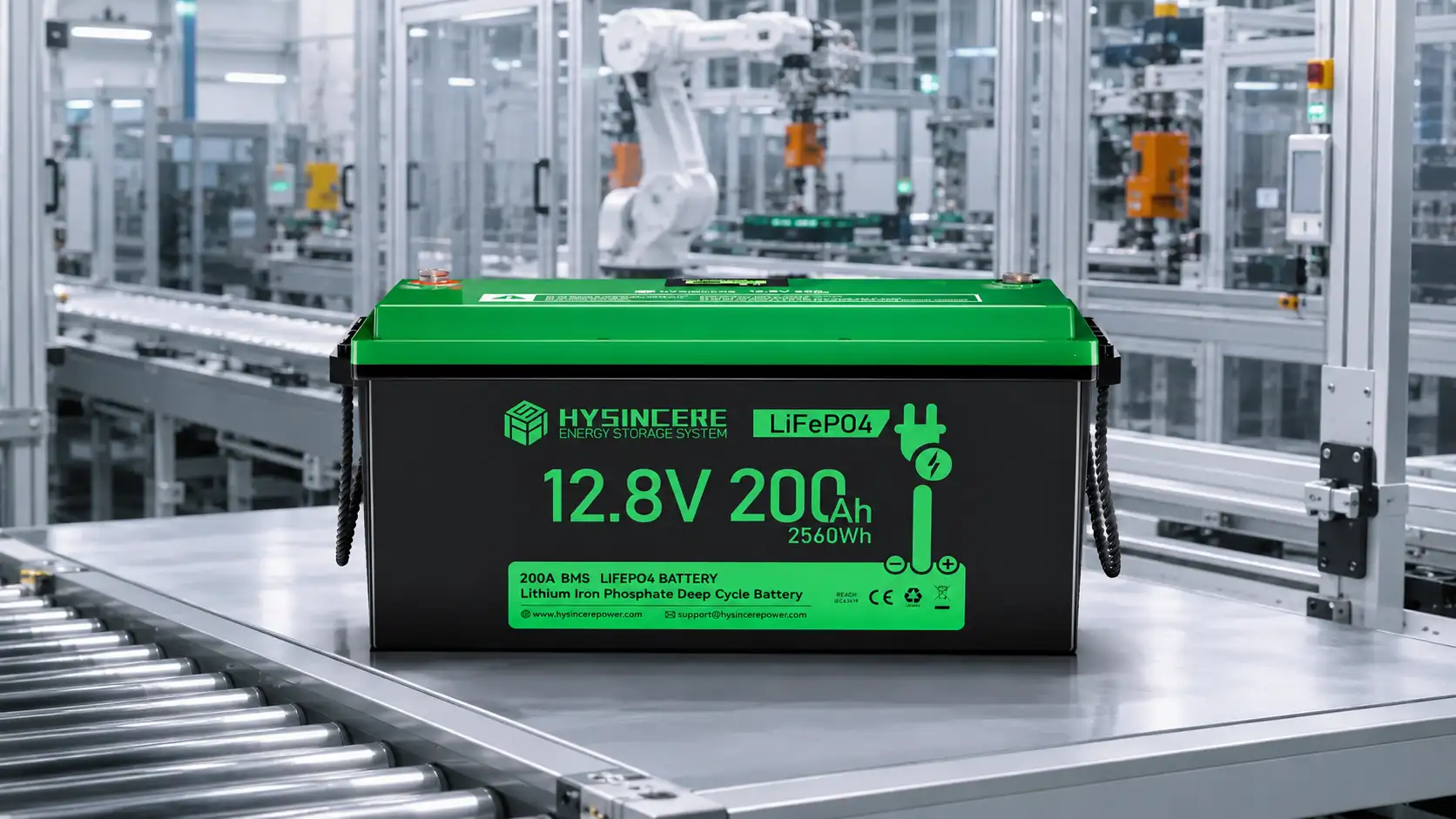
LiFePO4 is useful in many storage and motive applications, including suitable lead-acid replacement projects. Its advantages must be evaluated as part of the complete system: the charger, BMS, protection and connected equipment need compatible operating limits.
- Cycle life and ownership cost: Compare cycle ratings at the same depth of discharge, current, temperature and end-of-life capacity threshold. A cycle count is not a calendar-life guarantee. Neither 1–1.5 years for lead-acid nor 7–8 years for LiFePO4 is a universal limit, and a fixed fourfold cost advantage cannot be assumed.
- Safety of the whole system: LiFePO4 has a thermally stable cathode structure, but cells and packs can still fail, burn or release hazardous material under abuse or fault conditions. Cell selection, BMS, fusing, enclosure design and application testing remain necessary. A chemistry name does not authorize operation after impact or structural damage.
- Charge and discharge capability: The permitted rates come from the specific pack data, including temperature limits and BMS capability. Do not assume every LiFePO4 pack accepts 1.5C charging or 2C discharge. Full charge in under 40 minutes does not follow automatically from a C-rate, and engine starting requires a battery specifically rated and approved for that duty.
Check Battery-Pack Compatibility with Hysincere
Hysincere develops and manufactures battery packs. Share the voltage range, capacity, load profile, charger, temperature range and available space for an initial application review. Whether replacing lead-acid or designing a new system, use the confirmed pack data and system validation rather than a general promise about chemistry, lifetime or starting current.
Discuss Your Battery Project Requirements
Share the application, voltage, capacity, load, charging method, dimensions, temperature, certification, and annual-volume requirements for an initial technical review by Hysincere.
NiMH, Lead-Acid and LiFePO4 Questions
Can LiFePO4 replace NiMH or lead-acid without changing the system?
Not automatically. Check the full operating voltage range, charging profile, continuous and peak current, protection, temperature and installation. A matching nominal voltage or case size does not establish compatibility.
Does a cycle-life rating tell me how many years a battery will last?
No. Cycle life depends on test conditions and the end-of-life capacity threshold. Calendar aging, actual cycling frequency, temperature and storage conditions also affect service life.
Are all LiFePO4 batteries suitable for fast charging or engine starting?
No. Charging and discharge limits are pack-specific. Engine starting needs explicit approval for that duty; a deep-cycle pack or an advertised peak current alone is not enough.
This article is intended for technical reference and preliminary project evaluation. Battery compatibility, charging limits, current capability, temperature range, BMS behavior, certifications, and installation requirements vary by model and application. Final selection and system configuration must follow the selected product datasheet, equipment-manufacturer requirements, and system-validation results.