Kayak Fishing
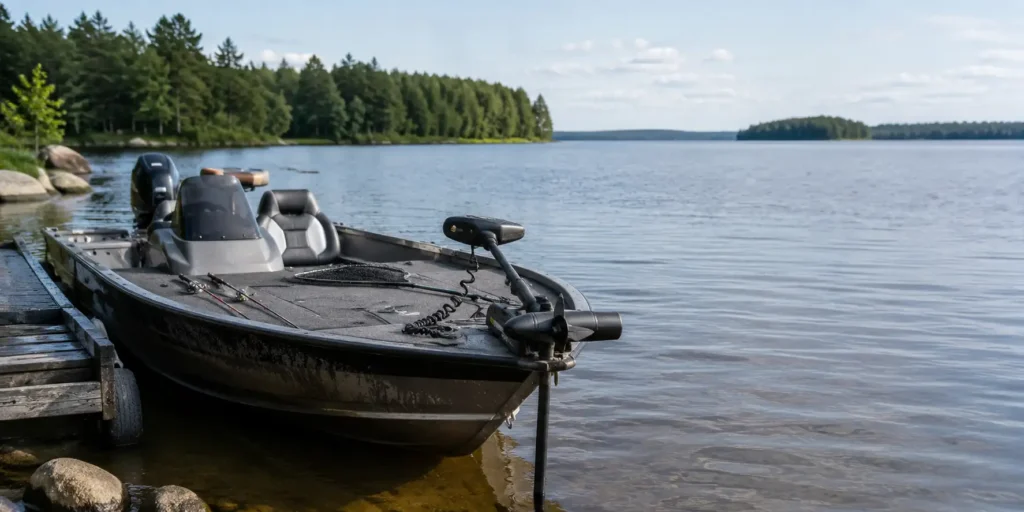
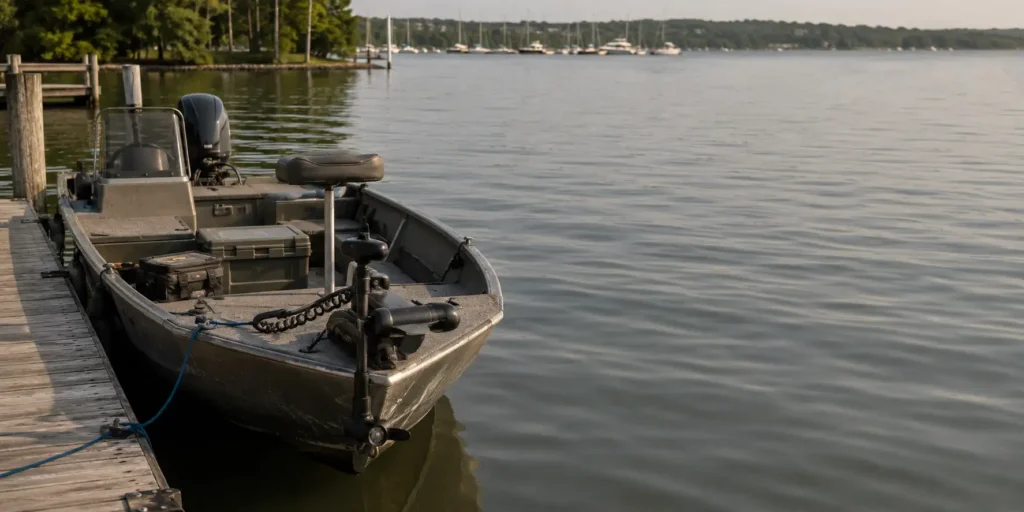
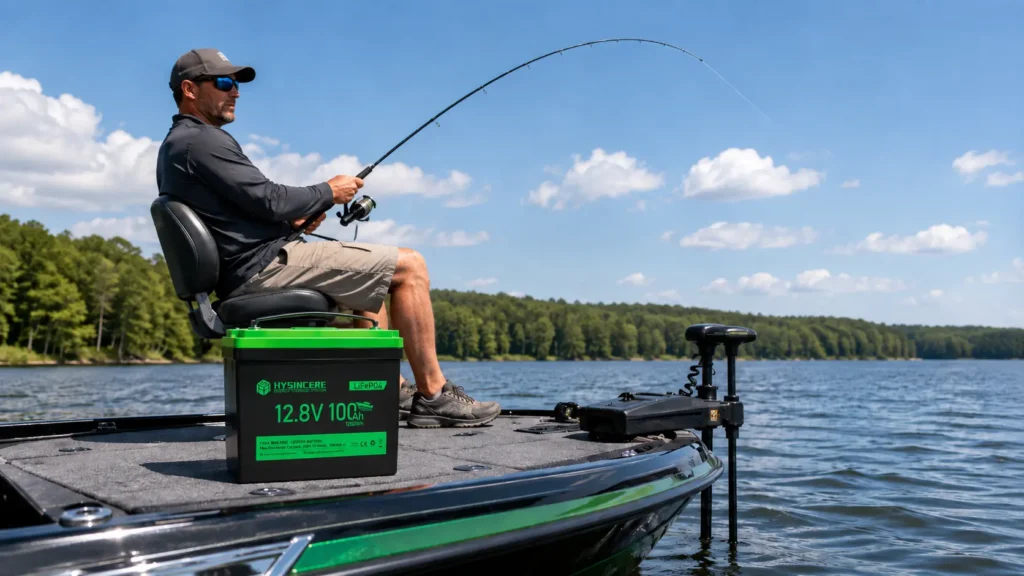
A compact 12V setup for fishing kayaks, small motors and portable onboard electronics.
Home > Applications > Trolling Motor Batteries
Select the voltage and capacity that match your motor, boat size and expected runtime.
A compact 12V setup for fishing kayaks, small motors and portable onboard electronics.
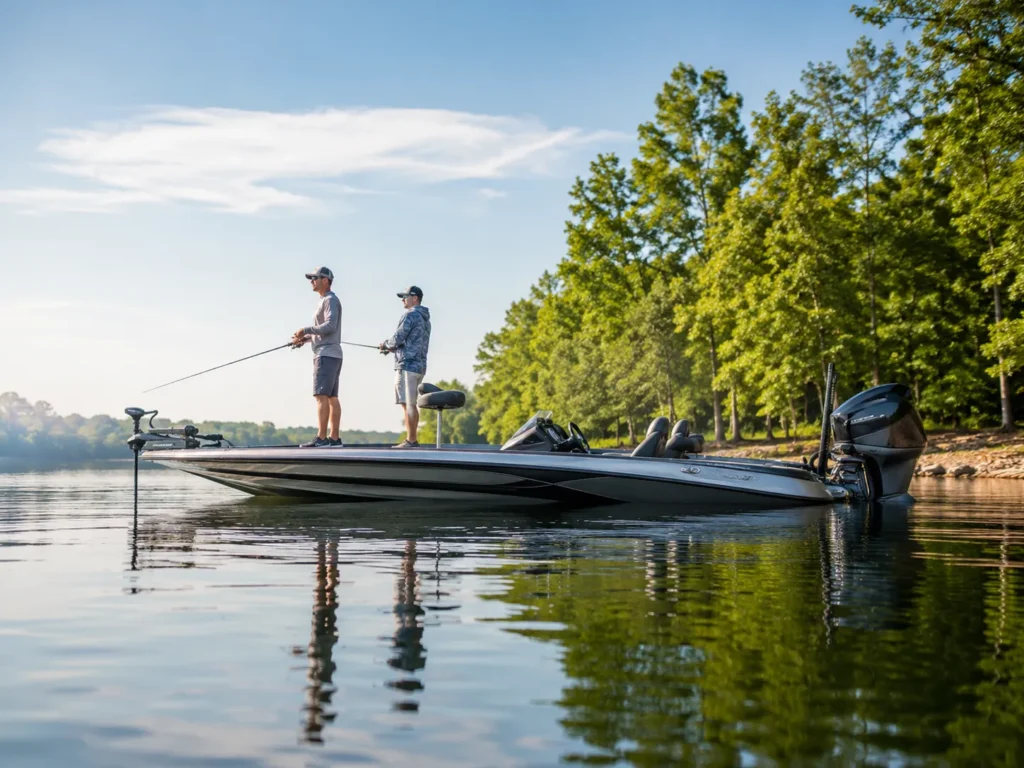
24V and 36V battery options for longer fishing days and consistent deep-cycle output.
Higher-voltage Bluetooth batteries for demanding motors and battery status monitoring.
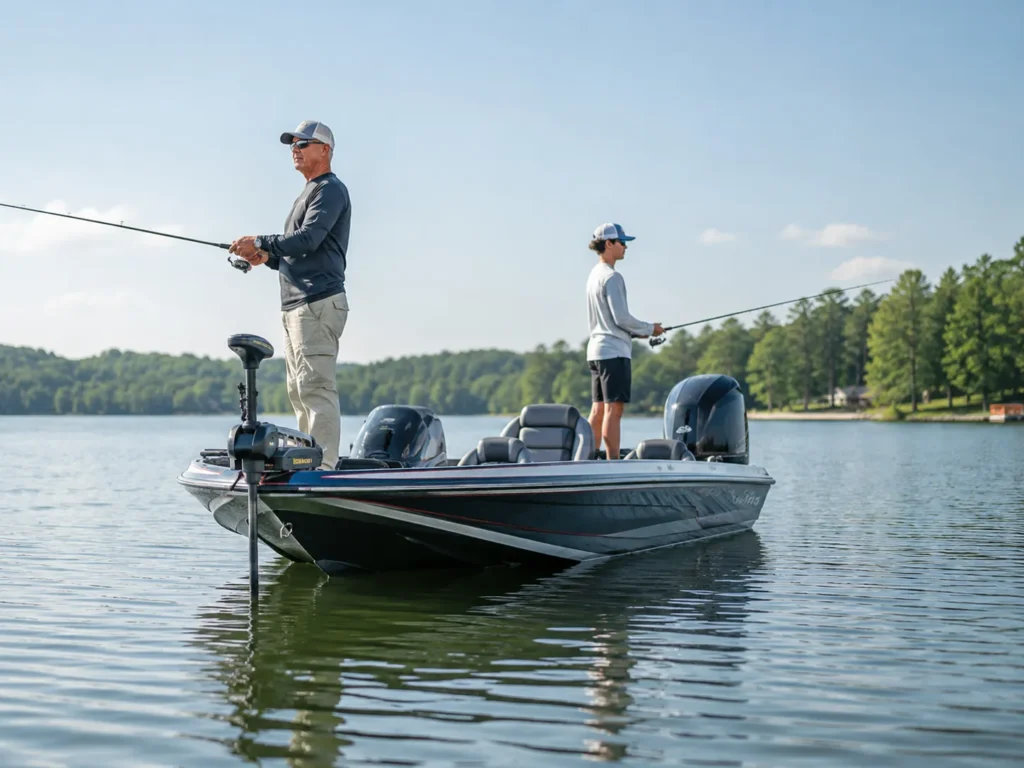
Compare typical battery directions by scenario, voltage platform and operating requirements.
| Scenario | Voltage | Battery Direction | Best For |
|---|---|---|---|
| Small fishing boats | 12V | 12V LiFePO4 battery | Lightweight trolling motor power |
| Bass boats | 24V | 24V lithium battery system | Longer runtime and stronger thrust |
| High-thrust trolling motors | 36V | 36V lithium battery system | High-power marine propulsion |
| Long fishing trips | 12V / 24V / 36V | Deep-cycle LiFePO4 battery | Extended runtime on the water |
Review representative deployment environments, recommended battery platforms and practical case-study priorities for this application category.
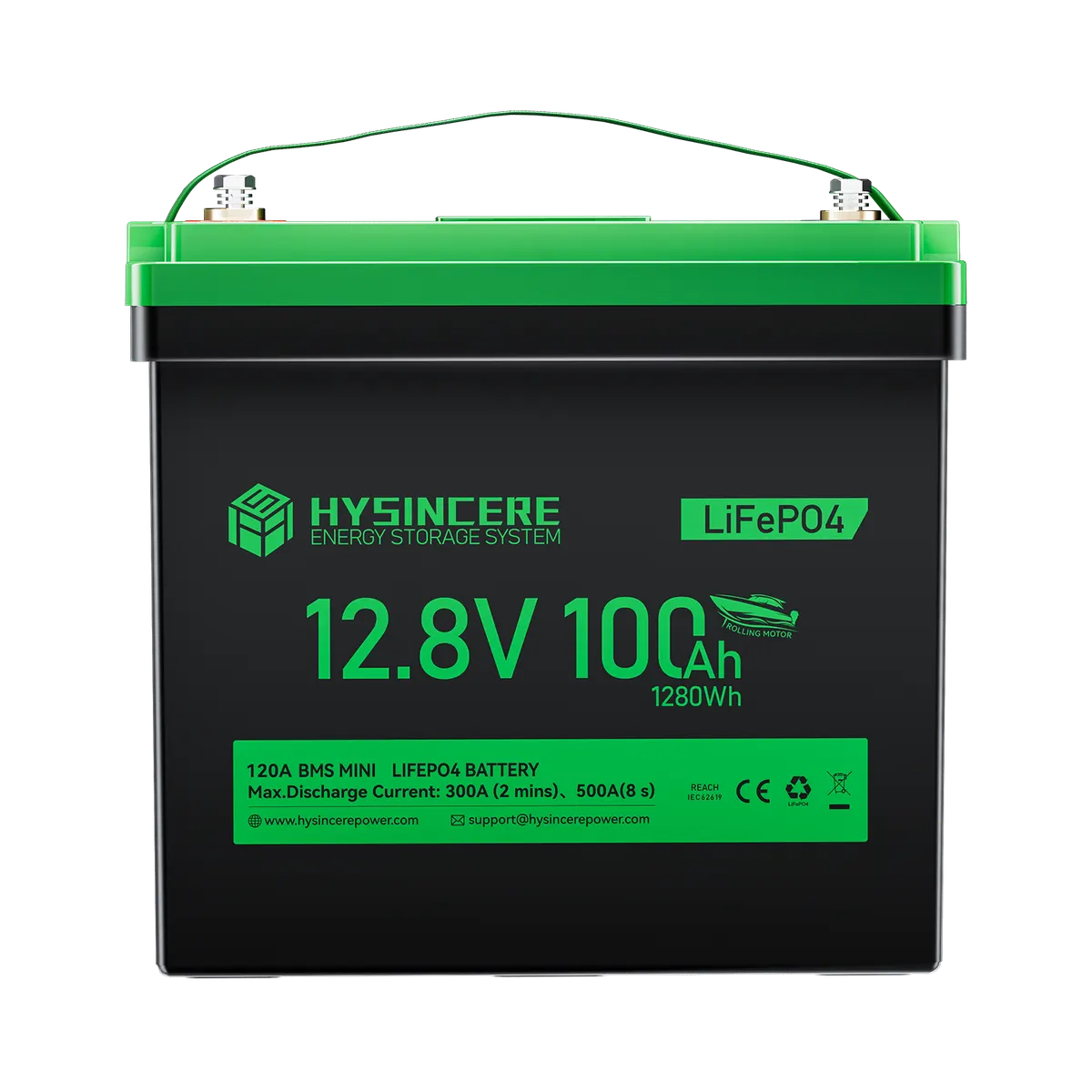
Dedicated 12.8V lithium battery option for trolling motor use, fishing boats and stable DC output.
25.6V lithium battery options for 24V trolling motor systems requiring higher voltage and stable output.
38.4V lithium battery options for higher-voltage trolling motor setups and fishing boat applications.
Deep cycle lithium battery support for longer fishing trips requiring stable voltage and longer runtime.
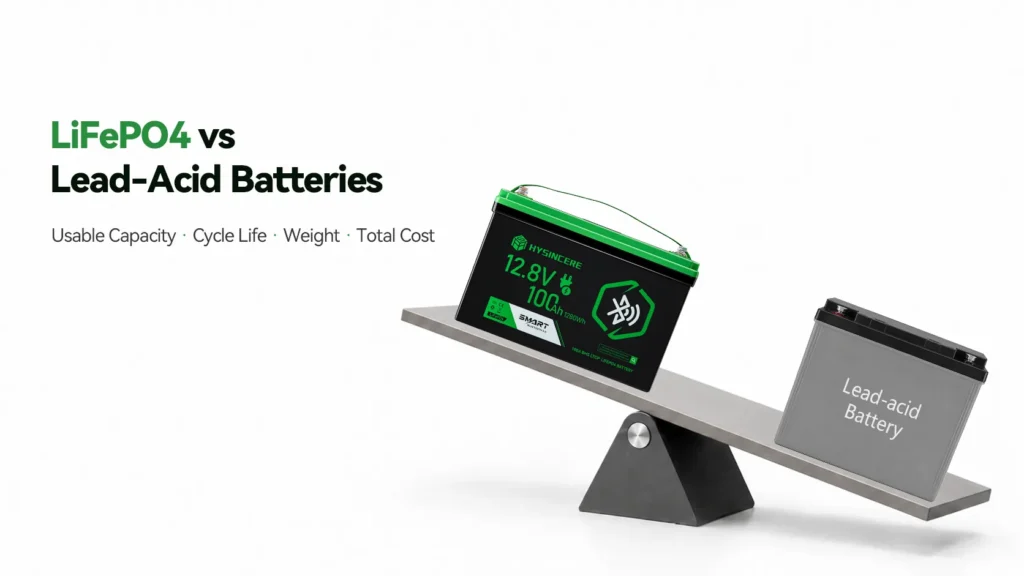
Many battery discussions start with the same line on a quotation sheet: 12V 100Ah. It looks simple. A 12V 100Ah lead-acid battery...
Read article
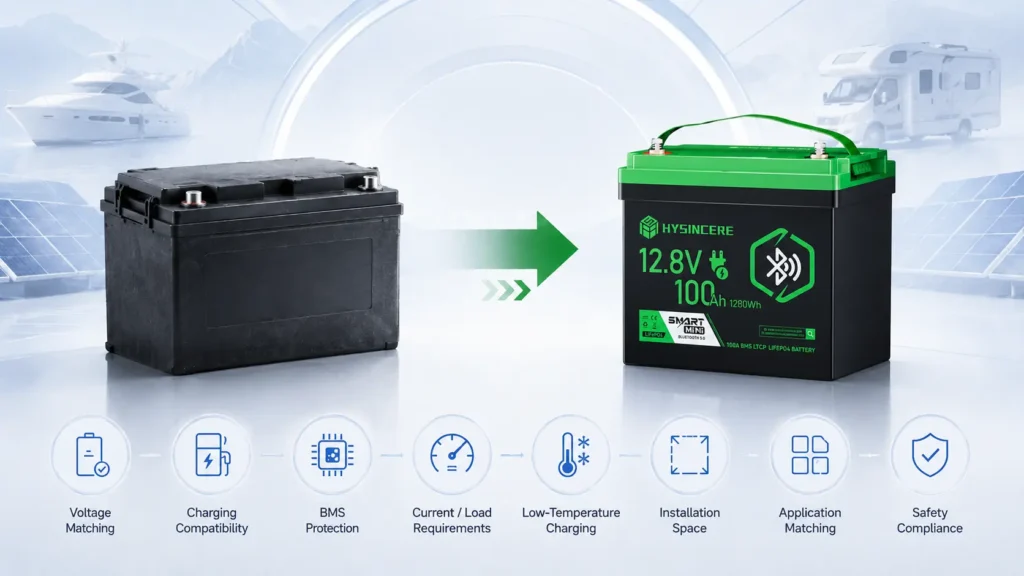
Converting a lead-acid system to LiFePO4 often involves more than replacing the battery. In an RV, boat, solar backup system, communications cabinet,...
Read article
Start with the trolling motor, not the battery catalogue. Match the motor’s rated system voltage first, obtain its maximum current draw, estimate...
Read articleClear answers for battery selection, installation planning and application-level compatibility.
A LiFePO4 deep-cycle battery is commonly used for trolling motors because it provides stable voltage, long cycle life, and lighter weight compared with lead-acid batteries.
Yes. Many trolling motor systems can use LiFePO4 batteries, but voltage, BMS current rating, charger compatibility, and installation space should be checked before replacement.
Runtime depends on motor thrust, current draw, battery capacity, boat load, and water conditions. Higher-capacity LiFePO4 batteries usually provide longer usable runtime than lead-acid batteries.
Yes. A built-in BMS helps protect the battery from overcharge, over-discharge, overcurrent, short circuit, and temperature-related risks.
Contact Us