Common equalization charging technologies include constant shunt resistor equalization, on-off shunt resistor equalization, average battery voltage equalization, switched-capacitor equalization, buck converter equalization, and inductor equalization. When charging lithium batteries in series, it is strictly necessary to ensure that each battery cell is evenly charged; otherwise, the performance and lifespan of the entire battery pack will be severely compromised during use.
However, many existing single lithium battery protection chips do not include a built-in equalization charging control function. Attempting to manage the equalization charging control of multiple lithium battery protection chips usually requires an external CPU. Implementing serial communication with the protection chip (such as an I2C bus) increases the complexity and design difficulty of the protection circuit, reduces the overall efficiency and reliability of the system, and increases power consumption.
Designing a Reliable Battery Protection Board
When utilizing power lithium battery packs, each individual cell requires strict protection against charging overvoltage, discharging undervoltage, overcurrent, and short circuits. During the charging process, it is critical to achieve balanced charging across the entire battery group.
This article introduces a design scheme for a battery protection board equipped with a balanced charging function. This design uses a single lithium battery protection chip to protect any number of series-connected lithium batteries. Simulation results and industrial production applications have proven that this protection board offers comprehensive protection functions, stable operation, high cost-effectiveness, and an impressive balanced charging error of less than 50mV.
Principle and Architecture of the Balanced Charging Protection Board
Unlike traditional approaches that attempt to achieve balanced charging at the charger end, this system integrates the solution directly into the protection board, significantly reducing the design cost and application complexity of lithium battery chargers. The system architecture typically consists of the following core functional blocks:
- Battery Cells: Individual lithium-ion cells connected in series.
- Shunt Discharge Branch: Includes a specific resistor and a switching device to manage charging overvoltage and bypass excess current.
- Protection Chip: A dedicated single lithium battery protection chip for each cell. This generally includes a charging control pin (CO), discharge control pin (DO), discharge overcurrent and short circuit detection pin (VM), positive terminal (VDD), and negative terminal (VSS).
- Optocoupler Isolation for Charging: The charging overvoltage protection signal is isolated by an optocoupler, forming a parallel relationship to drive the MOS gate for charging control in the main circuit.
- Optocoupler Isolation for Discharging: The discharge control MOS gate in the main circuit is driven by a series relationship formed by the isolation of discharge undervoltage, overcurrent, and short circuit protection signals through an optocoupler.
- Control Circuitry: Incorporates charging and discharging control switch devices that interface with the main circuit.
The number of single lithium battery protection chips is determined based on the total number of cells in the lithium battery pack. These chips are used in series to monitor and protect the charging, discharging, overcurrent, and short-circuit states of their corresponding cells. Crucially, this system not only provides standard charging protection but also achieves precision balanced charging by controlling the on-off state of the shunt discharge branch switch device through the protection chip.
Advanced BMS and Premium Lithium Battery Solutions
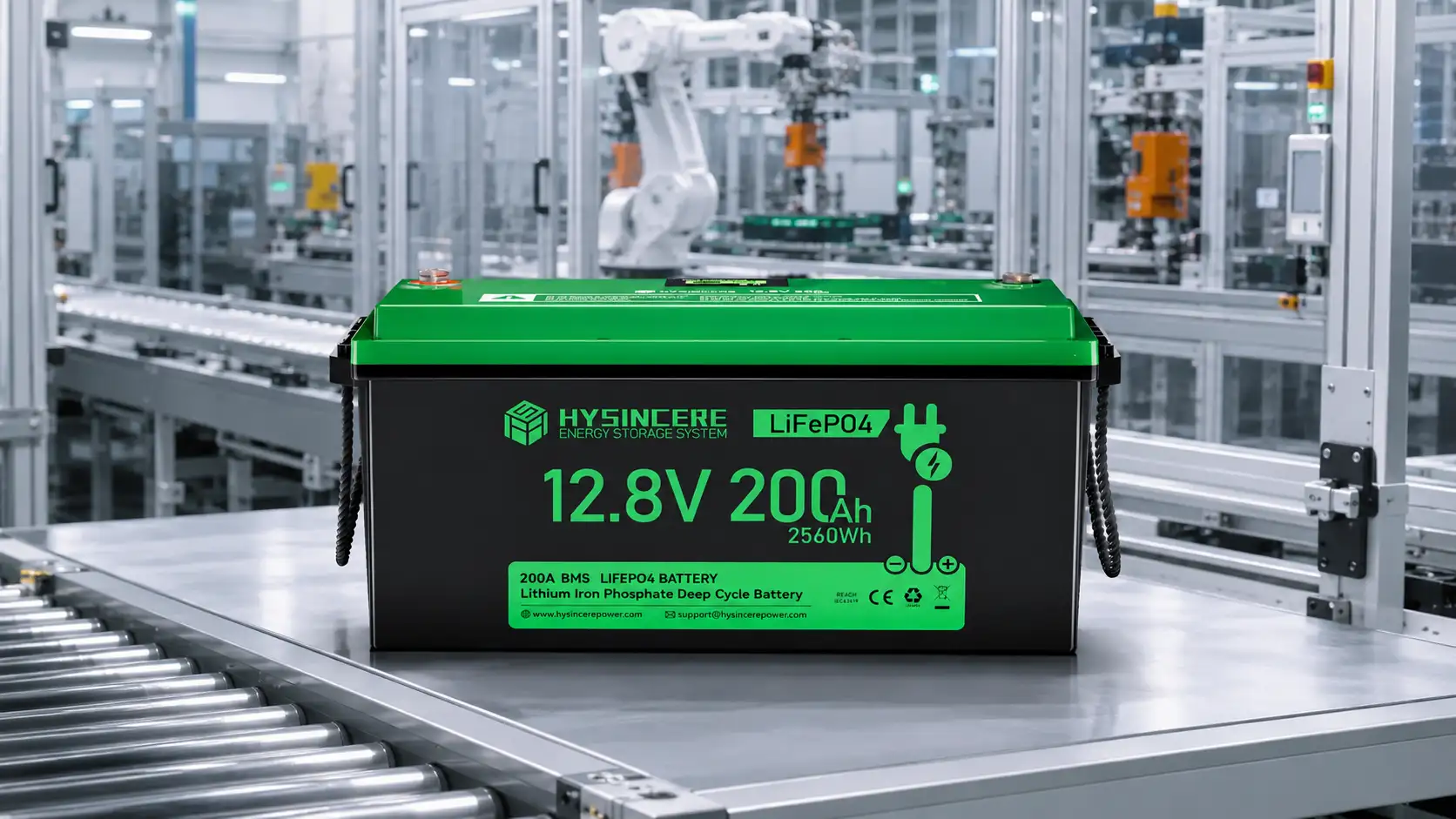
The core of any reliable energy storage system or motive power application is a robust Battery Management System (BMS) paired with high-quality cells. At Hysincere, we specialize in the engineering and manufacturing of premium lithium-ion and LiFePO4 battery packs equipped with advanced equalization charging technologies. Whether you are developing complex industrial equipment or specialized electric vehicles, our customized battery solutions ensure maximum safety, cycle life, and operational stability.
Discuss Your Battery Project Requirements
Share the application, voltage, capacity, load, charging method, dimensions, temperature, certification, and annual-volume requirements for an initial technical review by Hysincere.
Parallel Equalization Charging Methods for Lithium Battery Packs FAQ
What does this guide explain about parallel equalization charging methods for lithium battery packs?
Common equalization charging technologies include constant shunt resistor equalization, on-off shunt resistor equalization, average battery voltage equalization, switched-capacitor equalization, buck converter equalization, and inductor equalization.
Designing a Reliable Battery Protection Board?
When utilizing power lithium battery packs, each individual cell requires strict protection against charging overvoltage, discharging undervoltage, overcurrent, and short circuits. During the charging process, it is critical to achieve balanced charging across the entire battery group. This article introduces a design scheme for a battery protection board equipped with a balanced charging function.
Principle and Architecture of the Balanced Charging Protection Board?
Unlike traditional approaches that attempt to achieve balanced charging at the charger end, this system integrates the solution directly into the protection board, significantly reducing the design cost and application complexity of lithium battery chargers. The system architecture typically consists of the following core functional blocks: Battery Cells: Individual lithium-ion cells connected in series.
This article is intended for technical reference and preliminary project evaluation. Battery compatibility, charging limits, current capability, temperature range, BMS behavior, certifications, and installation requirements vary by model and application. Final selection and system configuration must follow the selected product datasheet, equipment-manufacturer requirements, and system-validation results.