Solar power is hotter than ever. With more and more people looking to get off the non-renewable electrical grid, drawing energy from the sun is becoming increasingly popular.
But for homeowners who live in areas with heavy winter storms or frequent days of little to no sunlight, one concern is: Do solar generators work in the winter?
This quick guide will answer your question, including how solar generators work in the winter and the factors affecting their efficiency. You’ll also learn tips on the best ways to optimize your energy generation so that you can have solar power even on the cloudiest, snowiest days.
Do Solar Generators Work in the Winter?
In the wintertime, the sun’s rays are weaker due to the cloud cover, the Earth’s distance from the sun, and the tilt of the Earth’s axis.
You might think that during the summer months, the reason your location is hotter is because it’s closest to the sun. But that’s incorrect. When the Earth is farthest from the sun in July is when it’s hottest in the Northern hemisphere. It all has to do with the tilt of the Earth’s axis. When it faces the sun, that’s the season we call summer. As the Earth revolves around the sun in winter, it spins on its axis and tilts away from the great ball of light.
Unless you live somewhere the sun only comes out once or twice a month during the winter, your solar panels will still capture the sun’s energy and generate power to store in the generator.
Even in sub-zero temperatures, solar generators still catch sunlight and turn it into power. The sun’s light is always bearing down on us, even if we may not feel it. The surprising thing about solar generators is that you can get as much power from the sun on a cold and cloudy day as you can in the extreme, cloudless heat.
All that solar panels need to collect solar power is exposure to the sun. The photovoltaic cells convert this sunlight into electricity, even if it’s a small amount. Solar generators aren’t like fires that only generate heat as long as they burn. Months after PV cells have converted solar energy and stored it in the generator’s battery, you can continue to dip into the energy reserve.
It is less likely in the winter that your PV panels will have exposure to the same sunlight that you get in the summer. But even in rain and clouds, you can still absorb the sun’s energy with your solar power generator.
How to Utilize Solar Power in the Winter
The primary way you can use your solar generator in the winter is by storing electricity in a battery. The generator is essentially a giant battery with solar panels attached. It draws its energy from the sun rather than a traditional power source like a wall outlet.
Solar generators typically gather less energy during the winter than in the summer, but power outages happen more in the summer. When temperatures increase, you run a higher risk of transformers bursting and power outages that shut down entire neighborhoods. Then again, surging winter storms can snatch the power from homes and entire neighborhoods for the same reasons. In either case, you can participate in community solar to keep the lights on during summer or winter.
Community solar is a program rolled out by the US Department of Energy. Any solar project in a defined area where the energy generated flows to multiple users, households, and businesses can be part of a community solar program.
Community solar, in other words, is when multiple residences buy or lease a portion of solar panels in a local array and receive an electric bill for their share of use. The rates users pay are drastically lower than what they would pay to use electricity from non-renewable resources.
Though there are still issues to smooth out with community solar, about a third of states have now launched pilot programs.
Besides joining a community solar program in your state, you can also optimize energy efficiency in winter by purchasing a reliable solar-powered generator.
The Key to Winter Solar Power: Cold-Resistant Batteries
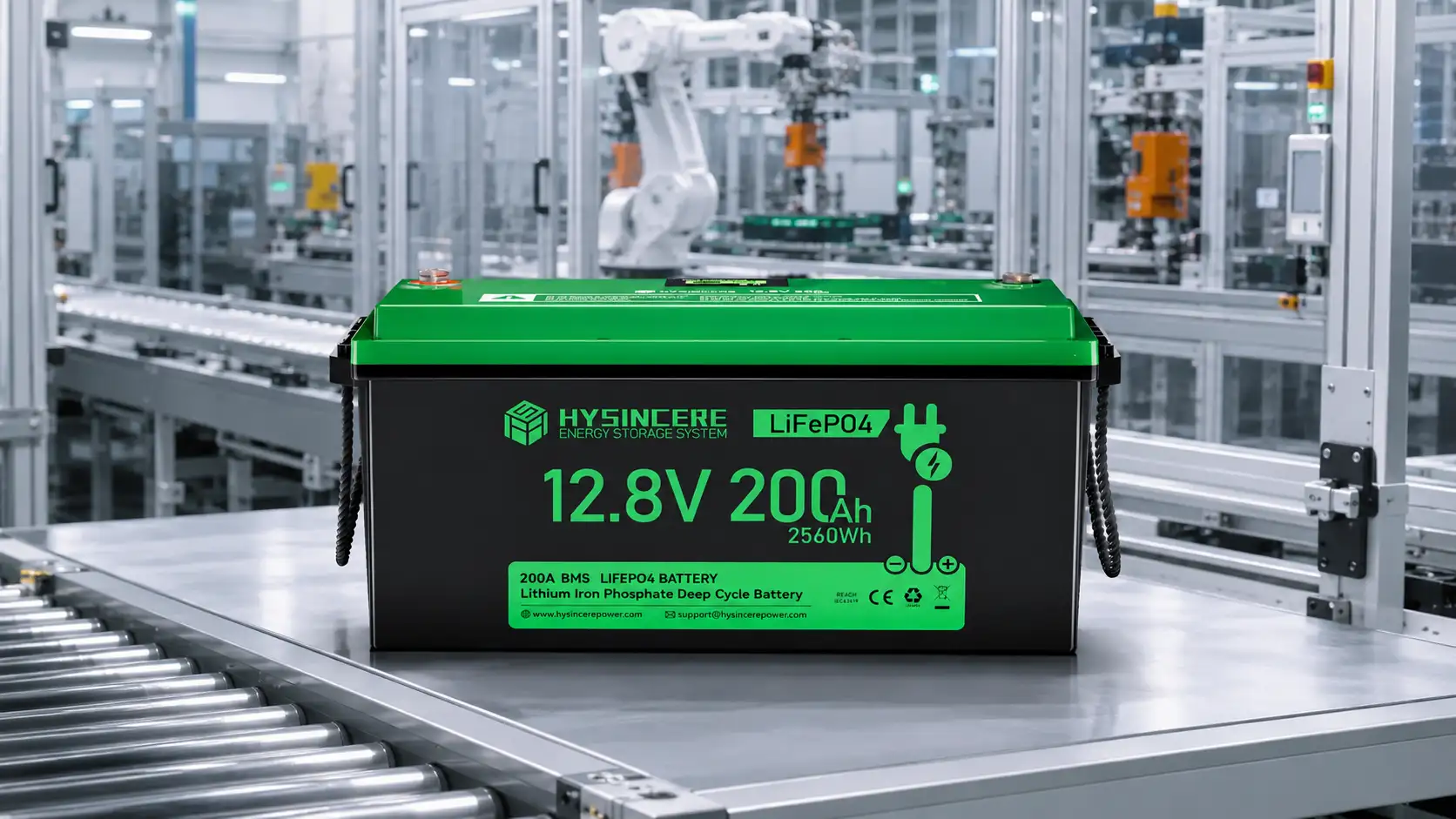
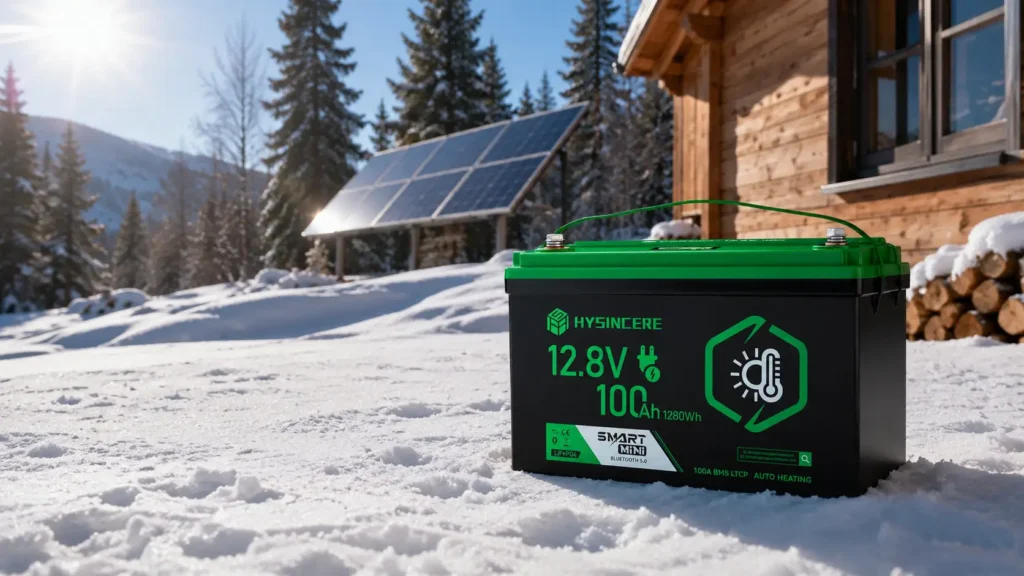
While solar panels can collect energy in the winter, standard batteries often fail to charge or discharge efficiently in sub-zero temperatures. That’s where Hysincere makes a difference. We manufacture premium lithium-ion and LiFePO4 battery cells specifically engineered to withstand extreme cold. If you are building solar generators or energy storage systems for harsh winter climates, our advanced battery solutions ensure your power supply remains stable, safe, and reliable, no matter the weather.
Discuss Your Battery Project Requirements
Share the application, voltage, capacity, load, charging method, dimensions, temperature, certification, and annual-volume requirements for an initial technical review by Hysincere.
FAQs About Solar Generators in Winter
Do solar panels work in winter?
Yes, photovoltaic modules can generate electricity in winter, but output depends on available irradiance, cloud cover, daylight hours, module temperature, orientation and snow or ice shading. Cold temperature alone does not guarantee high energy production.
Can a cold cloudy day produce the same energy as a hot sunny day?
Not as a general rule. Module efficiency may improve at lower cell temperature, but total energy still depends mainly on sunlight reaching the module. Clouds, short winter days and snow cover can reduce production.
Should snow always be removed from solar panels?
Follow the module and system manufacturer’s guidance. Unsafe manual removal can damage modules or create fall and electrical hazards. System design, tilt, access and local snow loads should be considered before deciding on maintenance.
Battery charge, discharge, storage, and self-heating temperature limits are model-specific. Ambient temperature may not equal cell temperature. Final selection and settings must follow the selected battery, BMS, charging equipment, and system-validation results.