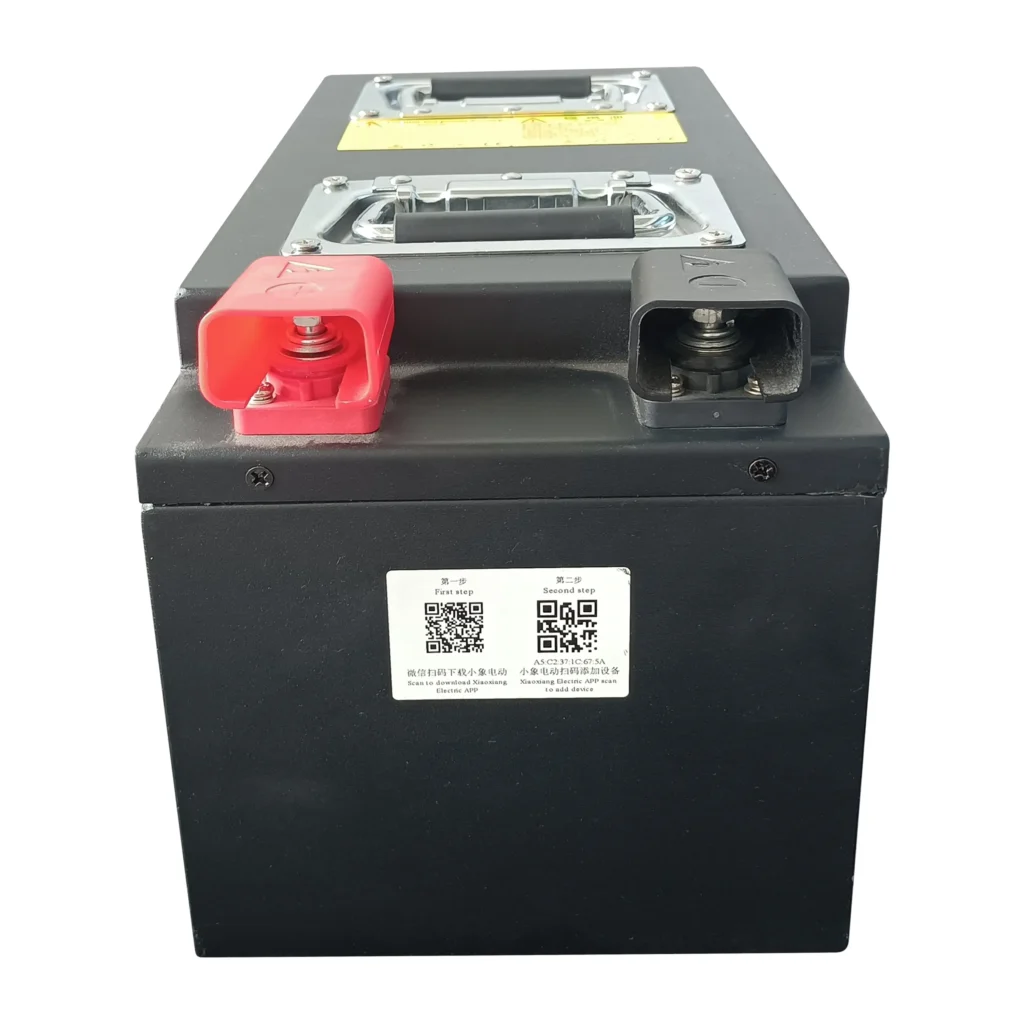
As the global energy storage market evolves, the debate around lithium vs. sodium batteries is becoming increasingly relevant for companies seeking cost-effective, sustainable, and scalable energy solutions. Whether you operate in grid storage, electric vehicles, or industrial backup power, understanding the fundamental differences between sodium and lithium battery technologies can help guide your strategic investments and infrastructure decisions.
Sodium Battery vs. Lithium Battery: An Overview
Historically, lithium-ion batteries—boasting high energy density, highly established supply chains, and proven safety features (especially with LiFePO4 variants)—have been the go-to solution for most commercial and industrial energy storage systems.
However, due to supply chain constraints, geopolitical dependencies, and the fluctuating costs of raw lithium, sodium-ion battery technologies have emerged as a highly viable alternative. This has intensified interest in the sodium vs. lithium battery comparison, especially in markets where cost sensitivity and raw material abundance are critical factors.
Key Differences: Sodium Versus Lithium Batteries
To make an informed decision, it is essential to compare the core metrics of both chemistries. Below is a breakdown of their primary technical and commercial differences:
| Feature | Lithium Batteries (Li-ion / LiFePO4) | Sodium Batteries (Na-ion) |
|---|---|---|
| Energy Density | High (150–250 Wh/kg) | Moderate (90–160 Wh/kg) |
| Cost | Higher (due to lithium, cobalt, nickel) | Lower (due to extreme sodium abundance) |
| Cycle Life | Long (2000–5000+ cycles) | Improving (1500–3000 cycles) |
| Temperature Tolerance | Good, especially with LFP chemistry | Excellent, specifically in extreme cold climates |
| Commercial Availability | Highly mature ecosystem & mass production | Emerging market with limited current production |
| Safety | Highly stable with LiFePO4 configurations | Non-flammable, inherently safer chemical baseline |
While lithium batteries still maintain a solid lead in energy density and overall cycle life, sodium-ion batteries are rapidly catching up—especially for stationary energy storage applications and in regions facing lithium supply chain challenges.
When to Choose Sodium Over Lithium?
Sodium-ion technology can provide a significant strategic advantage for companies focused on the following applications:
- Large-Scale Grid Storage: On/off-grid energy storage systems where the physical weight and footprint of the battery are less critical.
- Budget-Constrained Infrastructure: Decentralized energy systems that require lower upfront capital costs.
- Extreme Environments: Cold climate operations where sodium’s superior low-temperature thermal performance truly shines.
On the other hand, lithium batteries remain the most reliable and scalable solution if your business depends heavily on:
- High-performance electric vehicles (EVs)
- Portable power systems and consumer electronics
- Long-duration, high-density industrial backup power
Conclusion: A Strategic, Not Just Technical, Decision
The decision between sodium versus lithium batteries is not purely about technical performance—it is about alignment with your operational, financial, and sustainability goals. Lithium batteries will continue to lead in established, high-demand applications, but sodium batteries are rapidly emerging as a strong contender in specific commercial contexts.
At Hysincere, we continuously monitor and integrate the latest advancements in battery chemistry. Whether your energy strategy requires the proven high density of premium Lithium-ion and LiFePO4 cells, or you are exploring next-generation energy storage solutions, Hysincere provides the manufacturing excellence and technical expertise to power your future.
Discuss Your Battery Project Requirements
Share the application, voltage, capacity, load, charging method, dimensions, temperature, certification, and annual-volume requirements for an initial technical review by Hysincere.
Lithium vs. Sodium Batteries: Which Technology Fits Your Energy Strategy FAQ
Lithium vs. Sodium Batteries: Which Technology Fits Your Energy Strategy?
As the global energy storage market evolves, the debate around lithium vs. sodium batteries is becoming increasingly relevant for companies seeking cost-effective, sustainable, and scalable energy solutions.
Sodium Battery vs. Lithium Battery: An Overview?
Historically, lithium-ion batteries—boasting high energy density, highly established supply chains, and proven safety features (especially with LiFePO4 variants)—have been the go-to solution for most commercial and industrial energy storage systems.
Key Differences: Sodium Versus Lithium Batteries?
To make an informed decision, it is essential to compare the core metrics of both chemistries. Below is a breakdown of their primary technical and commercial differences: While lithium batteries still maintain a solid lead in energy density and overall cycle life, sodium-ion batteries are rapidly catching up—especially for stationary energy storage applications and in regions facing lithium supply chain challenges.
This article is intended for technical reference and preliminary project evaluation. Battery compatibility, charging limits, current capability, temperature range, BMS behavior, certifications, and installation requirements vary by model and application. Final selection and system configuration must follow the selected product datasheet, equipment-manufacturer requirements, and system-validation results.