When selecting the right power source for industrial or consumer applications, understanding the differences between battery chemistries is crucial. Today, we will break down the core differences between modern lithium batteries and traditional nickel-metal hydride (NiMH) batteries.
1. High Energy Density
The physical volume of NiMH batteries sits somewhere between older nickel-cadmium (NiCd) batteries and modern lithium batteries, reflecting their nature as a transitional product in battery evolution. The most significant difference lies in energy density—the amount of energy stored within the same volume. Thanks to advanced chemistry, lithium batteries offer an energy density that is roughly three times higher than that of NiMH batteries, making them significantly lighter and more compact.
2. Self-Discharge Rates
Self-discharge refers to the amount of power a battery naturally loses when sitting idle. While excessive self-discharge can shorten a battery’s overall lifespan, it is a common issue for NiMH batteries. About a decade ago, “low self-discharge” NiMH batteries were heavily promoted as a technological breakthrough. In contrast, the self-discharge rate of lithium batteries is so low that it is virtually negligible. This is a natural advantage inherent to the raw chemical materials used in lithium-ion technology.
3. Zero Memory Effect
The “memory effect” is a well-known flaw in older battery technologies, particularly NiCd and, to a lesser extent, NiMH. If these batteries are repeatedly discharged incompletely before recharging, they “remember” this shortened cycle, resulting in a permanent loss of capacity. To prevent this, traditional batteries require periodic deep discharging (conditioning) to reset their capacity. Lithium batteries, however, have absolutely no memory effect. They can be charged and discharged at any time, in any state of charge, making them highly convenient and hassle-free for end-users.
4. Higher Voltage Platform and Charging Methods
The voltage platform is vastly different between the two. A single lithium battery cell typically operates at 3.6V (or 3.2V for LiFePO4), whereas a single NiMH cell only provides 1.2V. This means one lithium cell can replace three NiMH cells in series.
Furthermore, their charging protocols differ. Lithium batteries are charged using a precise Constant Current/Constant Voltage (CC/CV) method, setting a strict termination voltage (usually 4.2V for standard li-ion). NiMH batteries, having a lower voltage platform, generally use a constant current charging method. Because of these distinct chemical requirements, lithium and NiMH battery chargers are strictly incompatible and cannot be mixed.
5. Form Factors and Custom Specifications
In the past, “custom-shaped” or non-standard NiMH batteries were very common in the market, while lithium batteries were mostly produced in standardized cylindrical or prismatic shapes for large-capacity markets. Historically, applying lithium technology to niche markets with unique shape requirements involved high technical and cost barriers. Today, however, production technology has vastly improved. Leading lithium battery manufacturers are now actively entering new application fields, offering highly customized and flexible lithium polymer solutions to replace old NiMH form factors.
Upgrade to Premium Lithium Battery Solutions
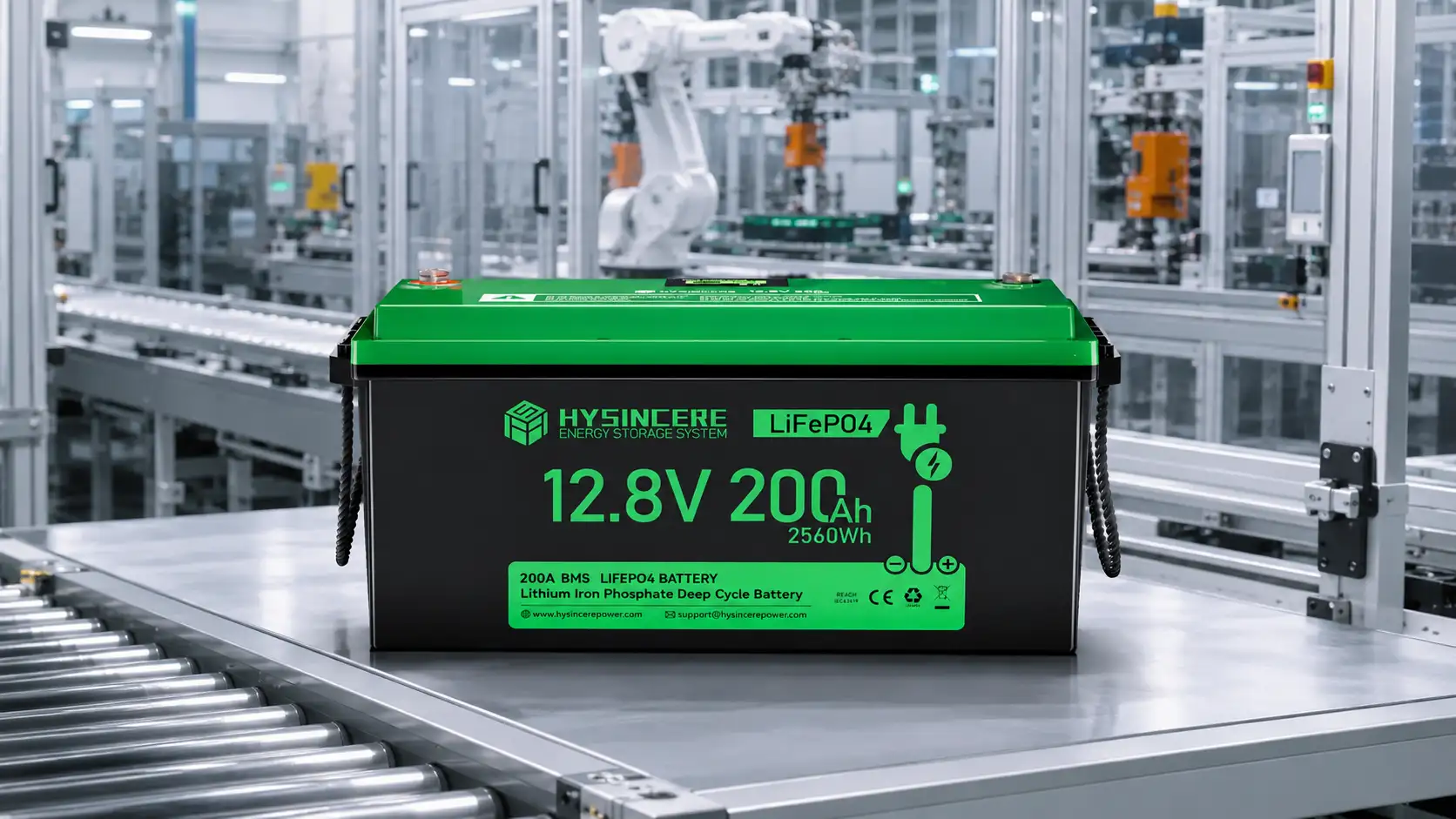
As the industry shifts towards lighter, more efficient, and longer-lasting power sources, lithium batteries have become the undisputed standard. At Hysincere, we specialize in the R&D and manufacturing of premium lithium-ion and LiFePO4 battery cells. Whether you are looking to upgrade your existing NiMH-powered devices or engineer a new energy storage system from scratch, our custom lithium battery packs deliver the exceptional performance, safety, and reliability your business demands.
Discuss Your Battery Project Requirements
Share the application, voltage, capacity, load, charging method, dimensions, temperature, certification, and annual-volume requirements for an initial technical review by Hysincere.
Lithium vs. Nickel-Metal Hydride (NiMH) Batteries FAQ
What does this guide explain about lithium vs. nickel-metal hydride (nimh) batteries?
When selecting the right power source for industrial or consumer applications, understanding the differences between battery chemistries is crucial. Today, we will break down the core differences between modern lithium batteries and traditional nickel-metal hydride (NiMH) batteries. 1.
1. High Energy Density?
The physical volume of NiMH batteries sits somewhere between older nickel-cadmium (NiCd) batteries and modern lithium batteries, reflecting their nature as a transitional product in battery evolution. The most significant difference lies in energy density—the amount of energy stored within the same volume.
2. Self-Discharge Rates?
Self-discharge refers to the amount of power a battery naturally loses when sitting idle. While excessive self-discharge can shorten a battery's overall lifespan, it is a common issue for NiMH batteries. About a decade ago, "low self-discharge" NiMH batteries were heavily promoted as a technological breakthrough. In contrast, the self-discharge rate of lithium batteries is so low that it is virtually negligible.
This article is intended for technical reference and preliminary project evaluation. Battery compatibility, charging limits, current capability, temperature range, BMS behavior, certifications, and installation requirements vary by model and application. Final selection and system configuration must follow the selected product datasheet, equipment-manufacturer requirements, and system-validation results.