
LiFePO4 Charging Compatibility Guide: Stages, Voltage, Time, and Charging Sources
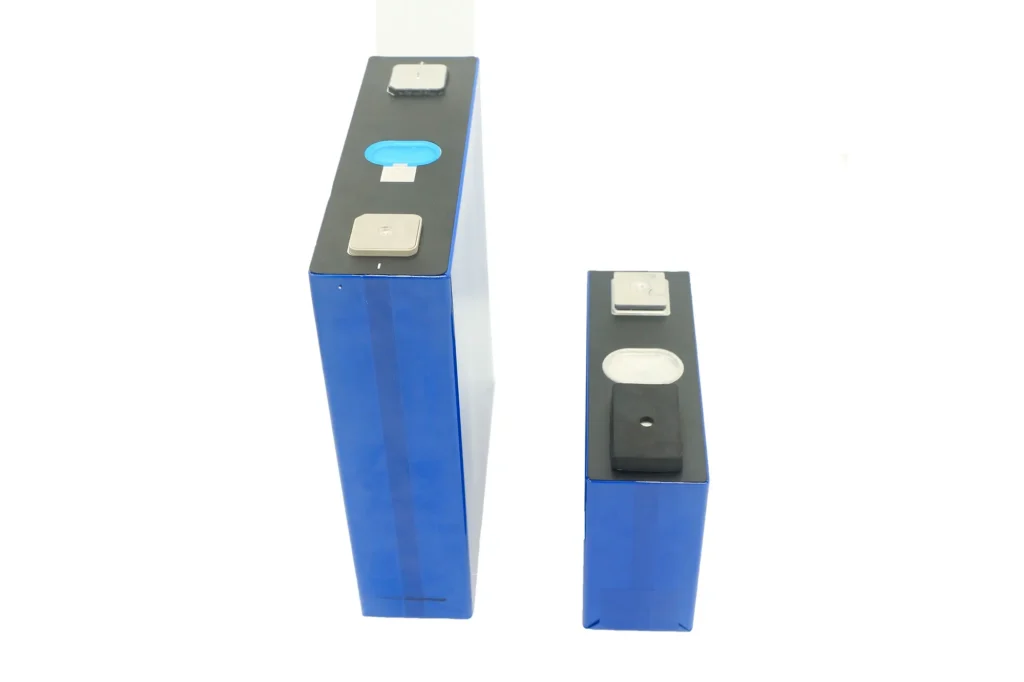
LiFePO4 batteries should be charged with a controlled-current, controlled-voltage (CC/CV) profile that stays within the selected battery’s voltage, current, and temperature limits. Some lead-acid chargers can work, but “the charger turns on” is not a compatibility test. A modern charger with a documented LiFePO4 mode is usually the cleanest solution. An existing lead-acid charger may […]
High-Rate Lithium Batteries: C-Rate, Pulse Current and Pack Limits

A high-rate lithium battery must supply the current your equipment needs for as long as it needs it. A large C-rating alone does not establish that fit: check the continuous current, pulse duration, temperature and complete battery pack. C-rate expresses current relative to rated capacity. For a 2Ah cell, 1C corresponds to 2A and 5C […]
Dry Batteries vs. Lithium Batteries: A Comprehensive B2B Guide
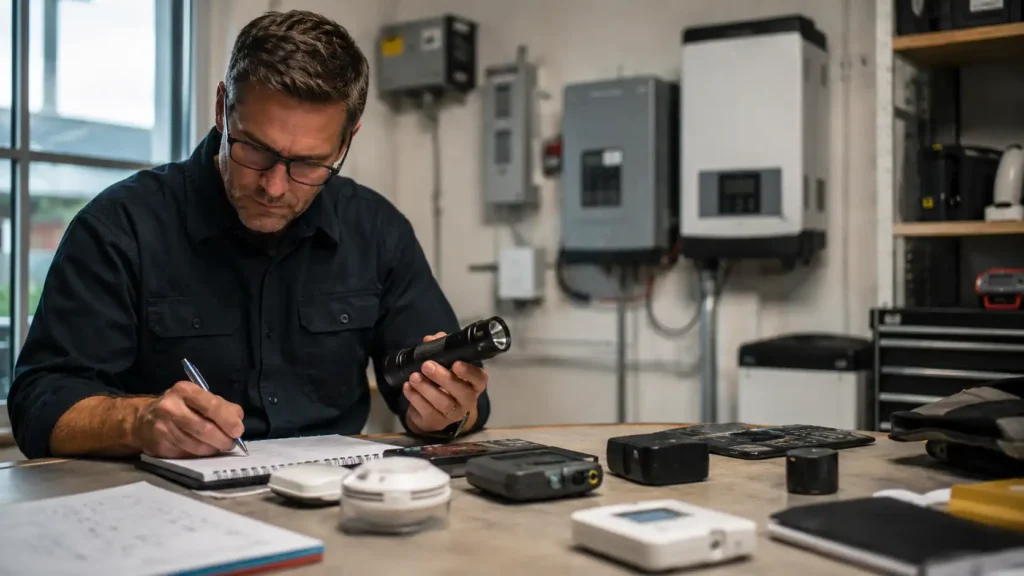
When B2B buyers compare a dry cell vs. a lithium battery, they are often comparing two different concepts. “Dry cell” describes a battery construction in which the electrolyte is immobilized, while “lithium battery” describes a family of battery chemistries. In everyday sourcing, however, dry battery usually means a disposable zinc-carbon or alkaline cell, and lithium […]
Protected vs. Unprotected 18650 Batteries: A B2B Engineering Guide
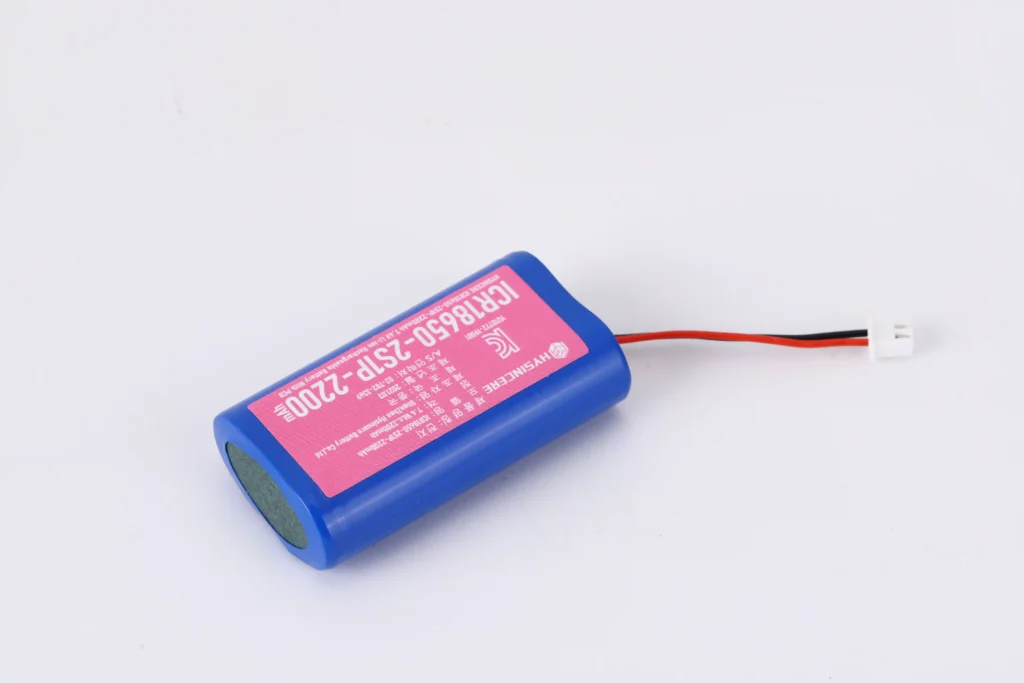
In industrial, commercial, and OEM battery applications, understanding the precise differences between a protected vs. unprotected 18650 battery is essential for making informed, safe procurement decisions. The choice between a protected cell and a raw, unprotected cell fundamentally impacts circuit integration, physical form factor, and the ultimate safety of your energy system. This engineering guide […]
Can LiFePO4 Replace a 12V 7Ah SLA Battery in a UPS? Charger, BMS, Runtime, and Safety Checks
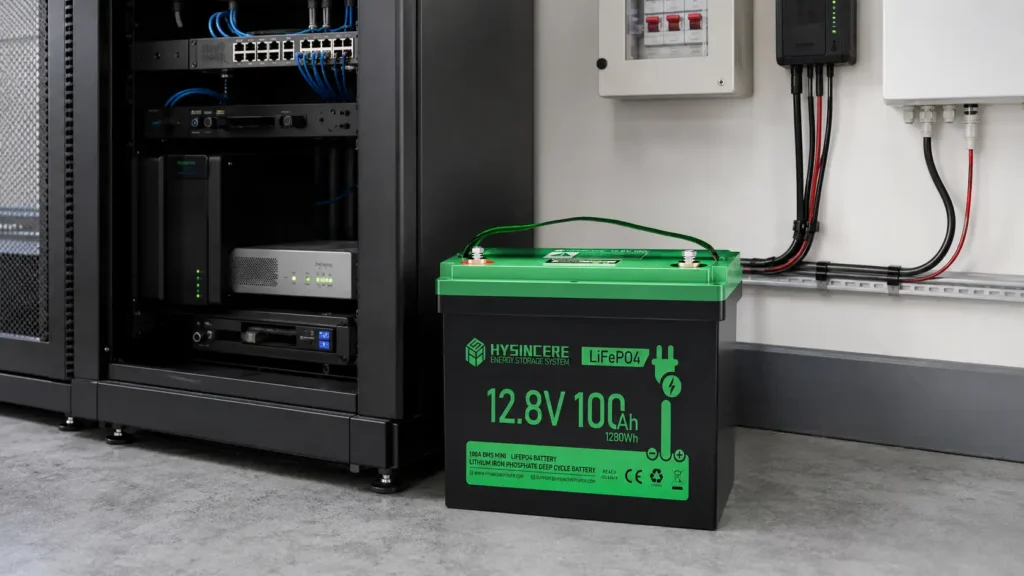
A LiFePO4 battery should not be treated as a universal drop-in replacement for the 12V 7Ah sealed lead-acid battery inside a UPS. The case may fit and the nominal voltage may look close, but a UPS battery is part of a tested charging, inverter, alarm, runtime, and fault-protection system. For a consumer or certified commercial […]
Choosing the Right Panasonic 18650 Battery: NCR18650GA vs NCR18650B

In the rapidly evolving landscape of battery-powered systems, selecting the right Panasonic 18650 battery is critical for ensuring safety, longevity, and optimal performance. Industrial sectors such as medical equipment, electric mobility, robotics, and energy storage require highly dependable, certified lithium-ion cells. Two of Panasonic’s flagship options—the NCR18650GA and the NCR18650B—are frequently compared by engineers and […]
How to Choose the Best 18650 Vape Battery: A B2B Sourcing Guide

As vaping technology advances, the demand for high-performance, safe, and reliable power solutions has intensified. For manufacturers, OEMs, and commercial wholesale distributors, the 18650 battery remains the undisputed champion of the vaping industry due to its perfect balance of energy density, compact form factor, and widespread hardware compatibility. In this comprehensive B2B guide, we will […]
Why the Samsung 18650 Battery is the Industry Standard
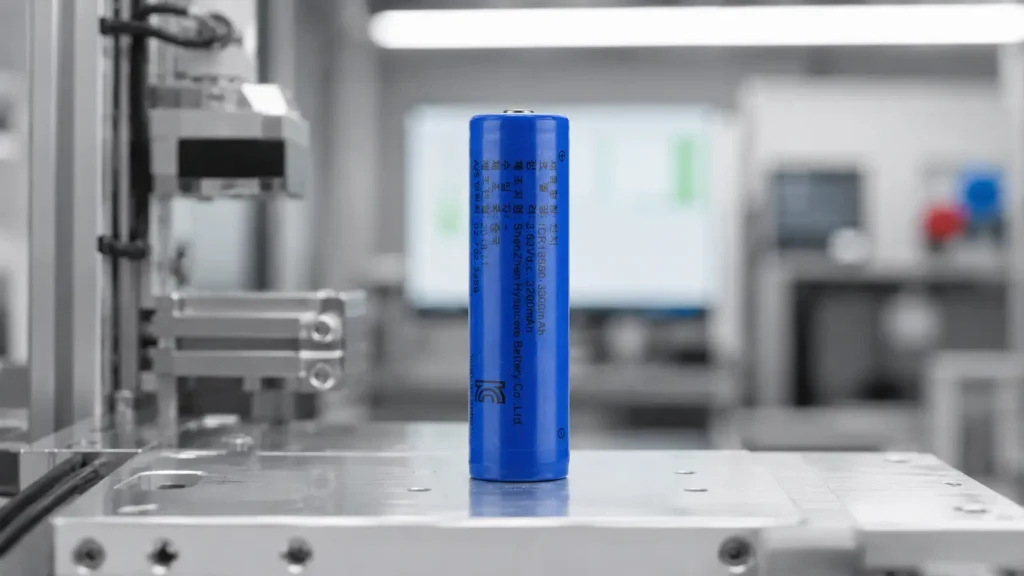
When sourcing lithium-ion cells for high-performance devices, the Samsung 18650 battery is consistently ranked among the top choices by engineers and procurement managers globally. Measuring 18mm in diameter and 65mm in length, this standardized cylindrical cell has revolutionized portable power. But why does Samsung dominate this specific format? In this B2B procurement guide, we will […]
Sodium-Ion Batteries for HEVs: NexPower & Nexcell Prius Tech Explained
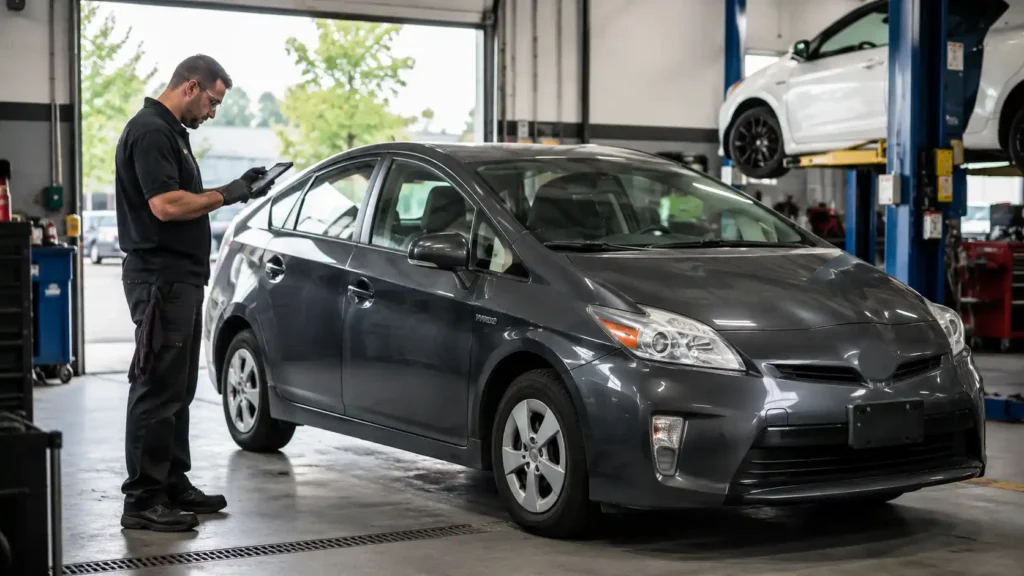
The Hybrid Electric Vehicle (HEV) market, long dominated by legacy Nickel-Metal Hydride (NiMH) and Lithium-ion technologies, is witnessing a significant paradigm shift. As engineers seek safer, more cost-effective, and resource-abundant alternatives, Sodium-Ion (Na-ion) battery technology has stepped into the spotlight. One of the most notable commercial testing grounds for this chemistry is the automotive aftermarket, […]
Golf Cart Lead-Acid to Lithium Conversion: 36V, 48V, and 51.2V Battery, Charger, and Wiring Guide
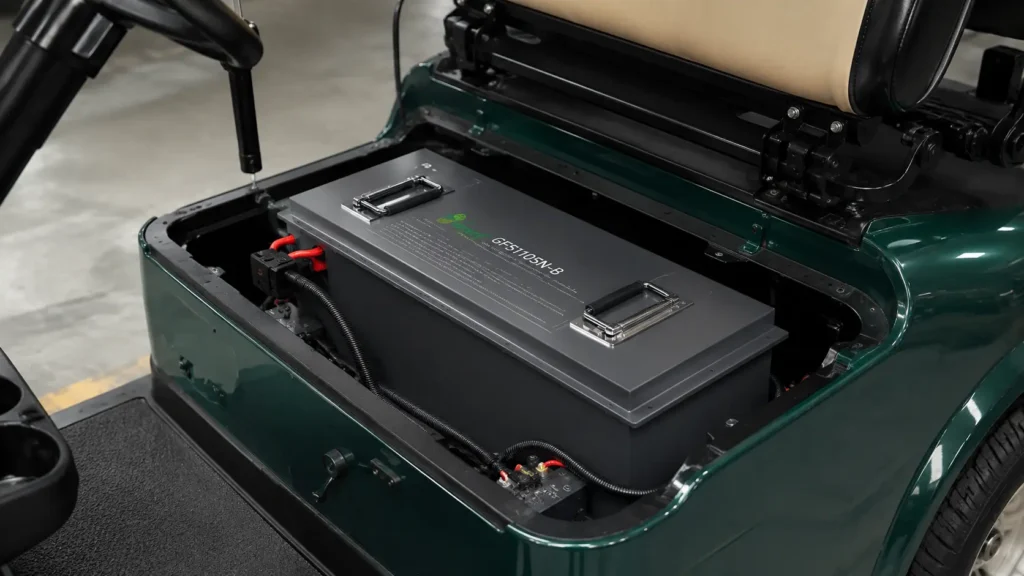
A golf cart can often be converted from lead-acid to LiFePO4, but a reliable conversion replaces a battery system—not only a battery box. Voltage class, motor-controller current, regenerative braking, charger logic, main protection, 12V accessories, state-of-charge display, mounting, and commissioning all need to agree. The most common mistake is to choose a battery by Ah […]