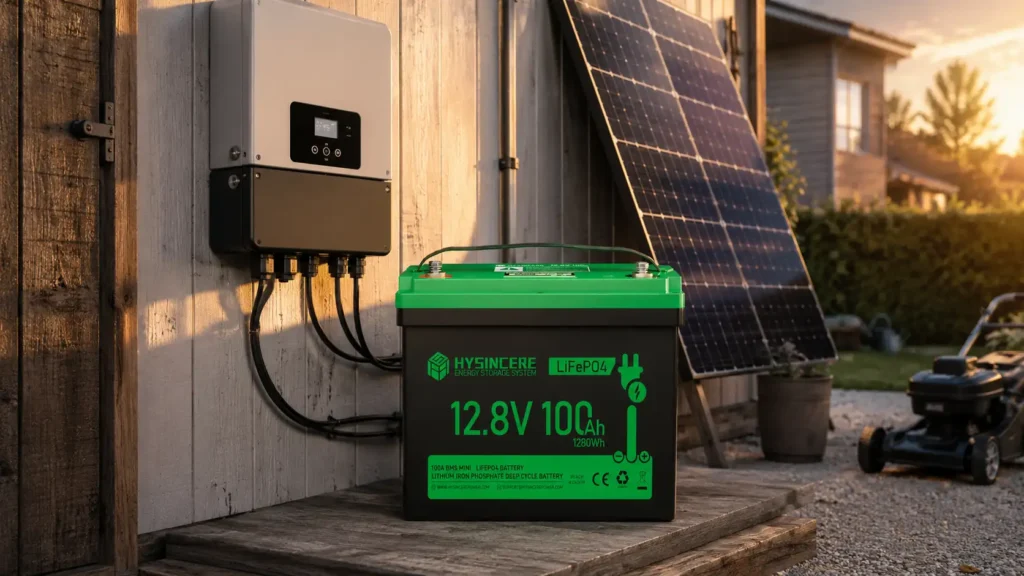
The battery industry has witnessed significant technological advancements over the past few decades, driven by the need for cleaner, safer, and more efficient energy storage. Understanding the evolution from traditional Nickel-Metal Hydride (NiMH) and Lead-Acid batteries to modern Lithium Iron Phosphate (LiFePO4) technologies is essential for selecting the right power source for industrial and commercial applications.
The Shift from Ni-Cd to NiMH Batteries
Historically, Nickel-Cadmium (Ni-Cd) batteries were common, but the extreme toxicity of cadmium and the environmental pollution caused by waste battery disposal led to their phase-out. They were largely replaced by Nickel-Metal Hydride (NiMH) rechargeable batteries, which are manufactured using hydrogen storage alloys.
NiMH batteries offer significant advantages over their Ni-Cd predecessors. For the same physical size, a NiMH battery provides approximately 1.5 to 2 times the power capacity and is completely free of cadmium pollution. Because they are lighter and hold 30% more energy, they became the standard for early mobile communications, laptops, and hybrid electric vehicles (HEVs). In hybrid vehicles, NiMH batteries store energy generated during high-speed driving and use it to drive the electric motor during low-speed, fuel-heavy conditions, thereby saving significant amounts of gasoline.
The Ultimate Upgrade: Lithium Iron Phosphate (LiFePO4)
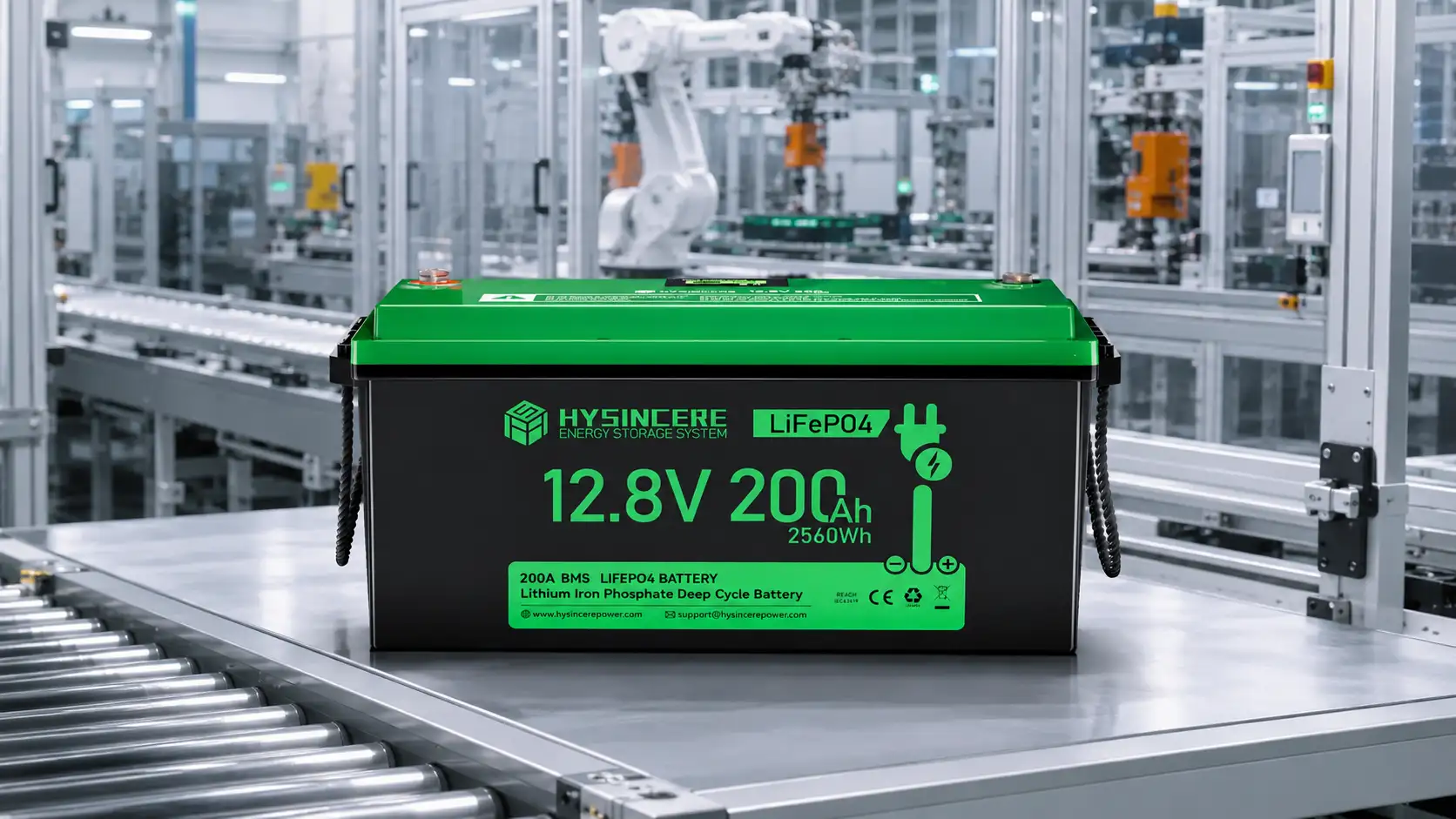
While NiMH was a stepping stone, the modern industrial standard has shifted toward Lithium Iron Phosphate (LiFePO4) batteries. When compared to traditional lead-acid batteries, the performance gap is staggering.
- Ultra-Long Cycle Life: Standard long-life lead-acid batteries typically offer a cycle life of 300 to 500 cycles, lasting only 1 to 1.5 years in practical use. In stark contrast, premium LiFePO4 batteries boast a cycle life of over 2000 cycles under standard charging conditions. This translates to a usable lifespan of 7 to 8 years under the exact same operational conditions. Overall, the long-term cost-performance ratio of LiFePO4 is more than four times that of lead-acid.
- Uncompromising Safety: LiFePO4 technology fundamentally solves the thermal runaway and safety hazards associated with other lithium chemistries, such as Lithium Cobalt Oxide (LCO) and Lithium Manganese Oxide (LMO). While LCO batteries can explode under strong collisions, rigorous safety testing has proven that LiFePO4 cells will not combust or explode, even under severe impact or structural damage.
- High-Rate Fast Charging: LiFePO4 batteries support rapid charging and discharging. With a dedicated charger, they can safely accept a 1.5C charge rate (reaching full capacity in under 40 minutes) and sustain a high-current discharge rate of up to 2C for heavy starting loads—a feat impossible for traditional lead-acid batteries.
Power Your Future with Hysincere
As the industry transitions to safer, longer-lasting, and more efficient power solutions, LiFePO4 stands out as the ultimate choice. At Hysincere, we specialize in the R&D and manufacturing of premium LiFePO4 battery cells and customized energy storage systems. Whether you are upgrading legacy lead-acid systems or designing next-generation electric vehicles, Hysincere delivers the unparalleled safety, cycle life, and high-rate performance your industrial applications demand.
Discuss Your Battery Project Requirements
Share the application, voltage, capacity, load, charging method, dimensions, temperature, certification, and annual-volume requirements for an initial technical review by Hysincere.
The Evolution of Rechargeable Batteries: From NiMH to LiFePO4 FAQ
What does this guide explain about the evolution of rechargeable batteries: from nimh to lifepo4?
The battery industry has witnessed significant technological advancements over the past few decades, driven by the need for cleaner, safer, and more efficient energy storage. Understanding the evolution from traditional Nickel-Metal Hydride (NiMH) and Lead-Acid batteries to modern Lithium Iron Phosphate (LiFePO4) technologies is essential for selecting the right power source for industrial and commercial applications.
The Shift from Ni-Cd to NiMH Batteries?
Historically, Nickel-Cadmium (Ni-Cd) batteries were common, but the extreme toxicity of cadmium and the environmental pollution caused by waste battery disposal led to their phase-out. They were largely replaced by Nickel-Metal Hydride (NiMH) rechargeable batteries, which are manufactured using hydrogen storage alloys. NiMH batteries offer significant advantages over their Ni-Cd predecessors.
The Ultimate Upgrade: Lithium Iron Phosphate (LiFePO4)?
While NiMH was a stepping stone, the modern industrial standard has shifted toward Lithium Iron Phosphate (LiFePO4) batteries. When compared to traditional lead-acid batteries, the performance gap is staggering. Ultra-Long Cycle Life: Standard long-life lead-acid batteries typically offer a cycle life of 300 to 500 cycles, lasting only 1 to 1. 5 years in practical use.
This article is intended for technical reference and preliminary project evaluation. Battery compatibility, charging limits, current capability, temperature range, BMS behavior, certifications, and installation requirements vary by model and application. Final selection and system configuration must follow the selected product datasheet, equipment-manufacturer requirements, and system-validation results.